Reframing Hollywood - Böcker
Visar alla böcker i serien Reframing Hollywood. Handla med fri frakt och snabb leverans.
4 produkter
4 produkter
1 336 kr
Skickas inom 7-10 vardagar
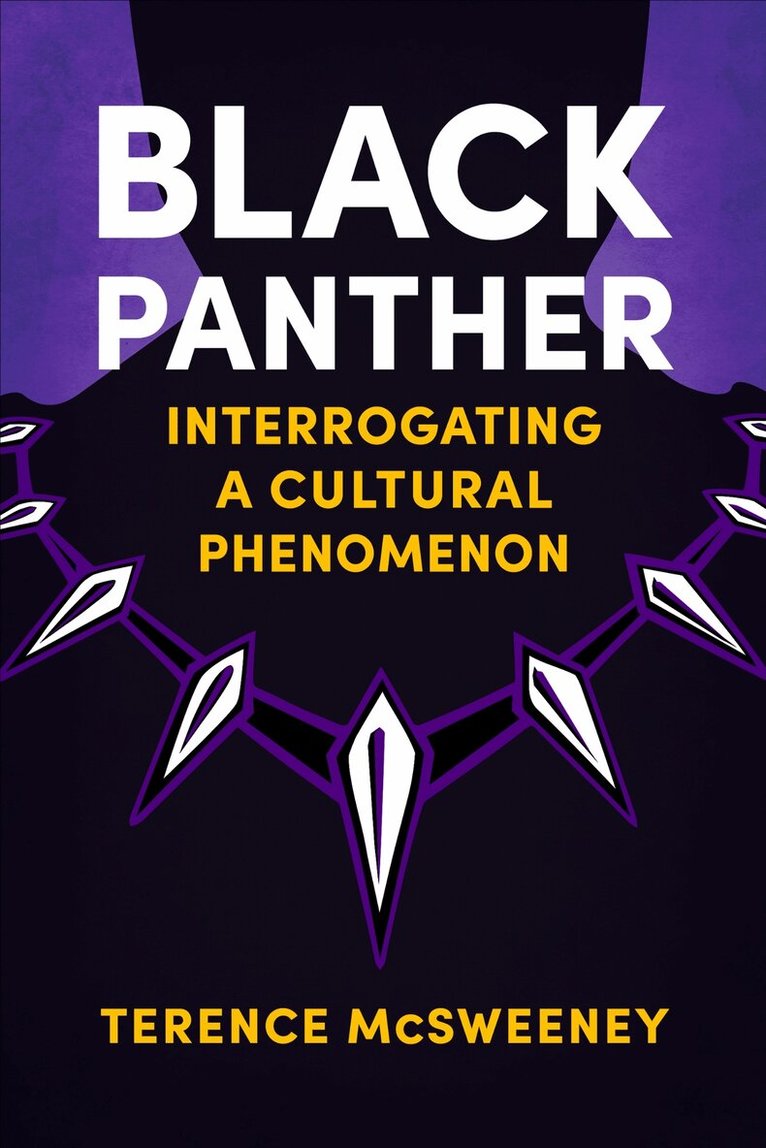
Black Panther is one of the most financially successful and culturally impactful films to emerge from the American film industry in recent years. When it was released in 2018 it broke numerous records and resonated with audiences all around the world in ways that transcended the dimensions of the superhero film. In Black Panther: Interrogating a Cultural Phenomenon author Terence McSweeney explores the film from a diverse range of perspectives, seeing it not only as a comic book adaptation and a superhero film, but also a dynamic contribution to the discourse of both African and African American studies.McSweeney argues that Black Panther is one of the defining American films of the last decade and the most remarkable title in the Marvel Cinematic Universe (2008–). The MCU has become the largest film franchise in the history of the medium and has even shaped the contours of the contemporary blockbuster, but the narratives within it have almost exclusively perpetuated largely unambiguous fantasies of American heroism and exceptionalism. In contrast, Black Panther complicates this by engaging in an entirely different mythos in its portrayal of an African nation—never colonized by Europe—as the most powerful and technologically advanced in the world. McSweeney charts how and why Black Panther became a cultural phenomenon and also a battleground on which a war of meaning was waged at a very particular time in American history.
295 kr
Skickas inom 7-10 vardagar
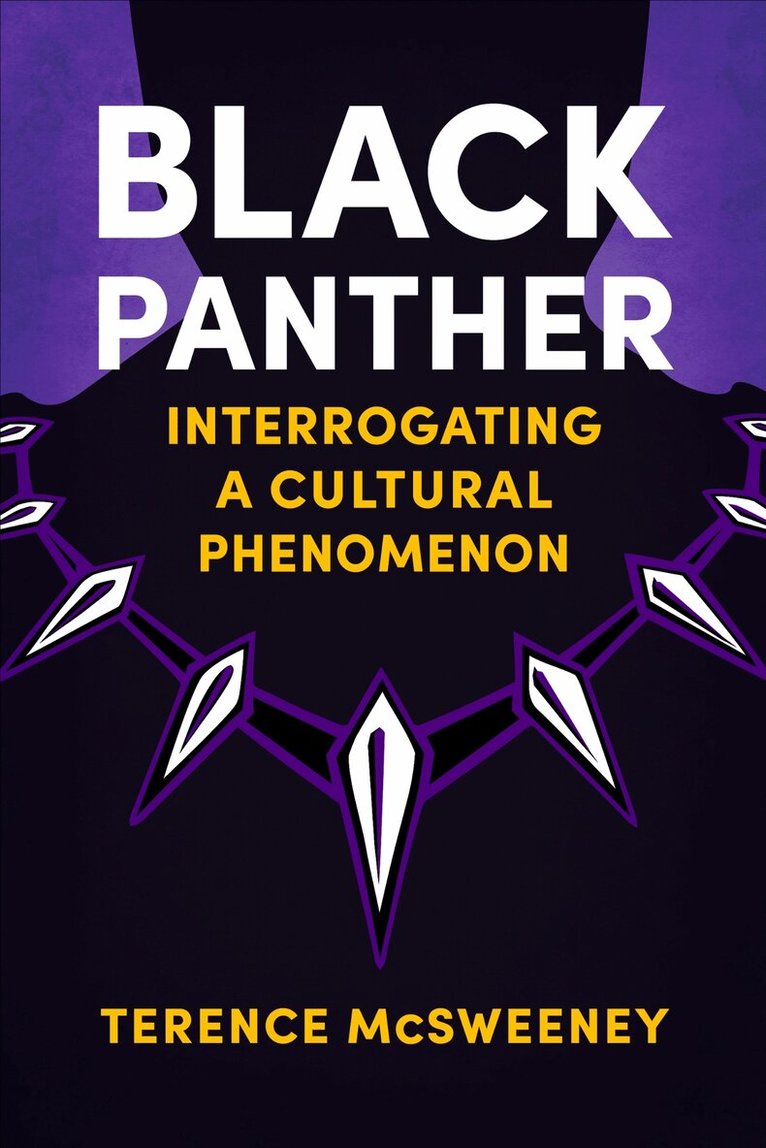
Black Panther is one of the most financially successful and culturally impactful films to emerge from the American film industry in recent years. When it was released in 2018 it broke numerous records and resonated with audiences all around the world in ways that transcended the dimensions of the superhero film. In Black Panther: Interrogating a Cultural Phenomenon author Terence McSweeney explores the film from a diverse range of perspectives, seeing it not only as a comic book adaptation and a superhero film, but also a dynamic contribution to the discourse of both African and African American studies.McSweeney argues that Black Panther is one of the defining American films of the last decade and the most remarkable title in the Marvel Cinematic Universe (2008–). The MCU has become the largest film franchise in the history of the medium and has even shaped the contours of the contemporary blockbuster, but the narratives within it have almost exclusively perpetuated largely unambiguous fantasies of American heroism and exceptionalism. In contrast, Black Panther complicates this by engaging in an entirely different mythos in its portrayal of an African nation—never colonized by Europe—as the most powerful and technologically advanced in the world. McSweeney charts how and why Black Panther became a cultural phenomenon and also a battleground on which a war of meaning was waged at a very particular time in American history.
1 162 kr
Skickas inom 7-10 vardagar
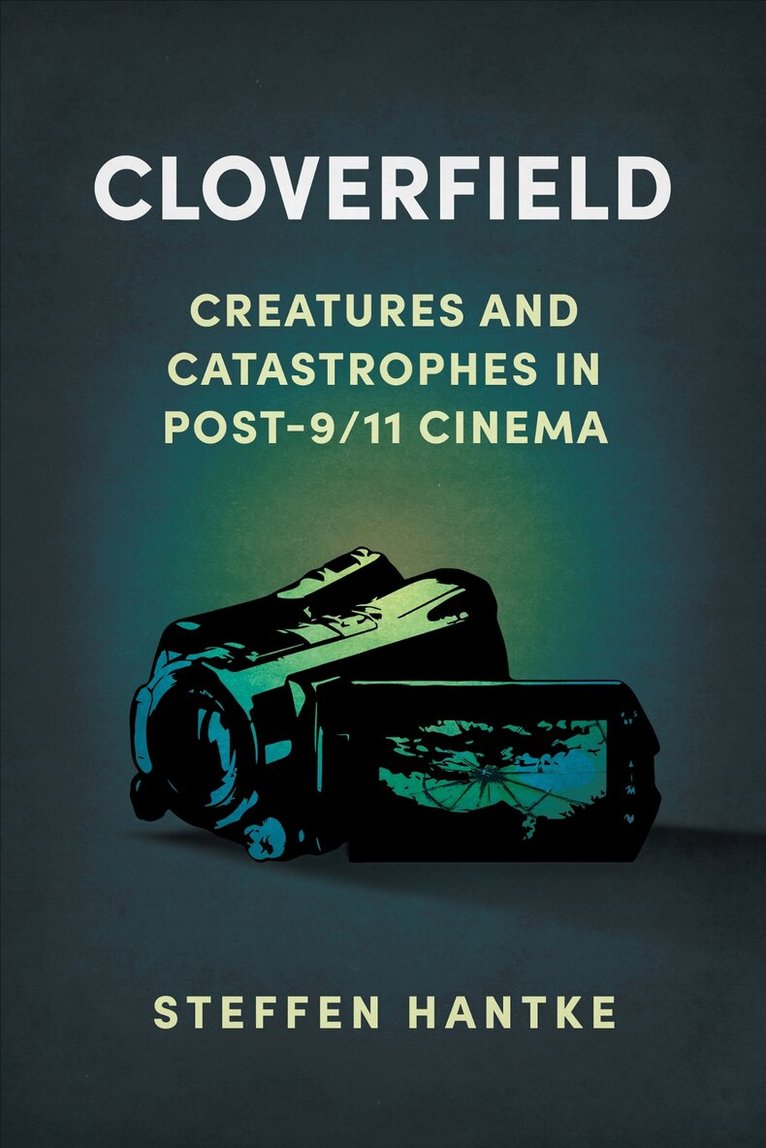
Upon its release in 2008, Matt Reeves’s Cloverfield revitalized the giant creature, a cinematic trope that had languished for over a decade. The film addressed the attacks of September 11, 2001, trading the jingoistic rhetoric of retributive military aggression for serious engagement with personal and collective trauma. It applied the horror genre’s fascination with personal stories captured by found footage to the grand violence of history. Innovative and intense, Cloverfield represented blockbuster filmmaking at its best.Cloverfield’s franchising followed the path of high-profile Hollywood properties. This volume provides the first comprehensive overview of the franchise, measuring how it steers precariously between the commercial potential, creative risks, and political challenges in Hollywood. As 10 Cloverfield Lane (2016) and The Cloverfield Paradox (2018) struggled to sustain and update the franchise’s original concept, both films’ strengths and weaknesses come into focus by comparison with the original, just as the historical sequence of all three films allows for a reassessment of Cloverfield itself. Author Steffen Hantke examines how, in the broader context of postmillennial Hollywood, the Cloverfield franchise remains both a harbinger of the way Hollywood does business and a test case for the cinematic fantasies of apocalyptic disaster that continue to dominate global box office, long after the Cold War that gave rise to giant creatures has ended and 9/11 has lost its hold on the global imagination. As an inspiration for the next stage of blockbuster filmmaking, in which franchises have replaced the singular cinematic masterpiece and marketing plays to fans as critics and scholars, Cloverfield remains as relevant today as when it first unleashed its giant creature onto New York City over a decade ago.
256 kr
Skickas inom 7-10 vardagar
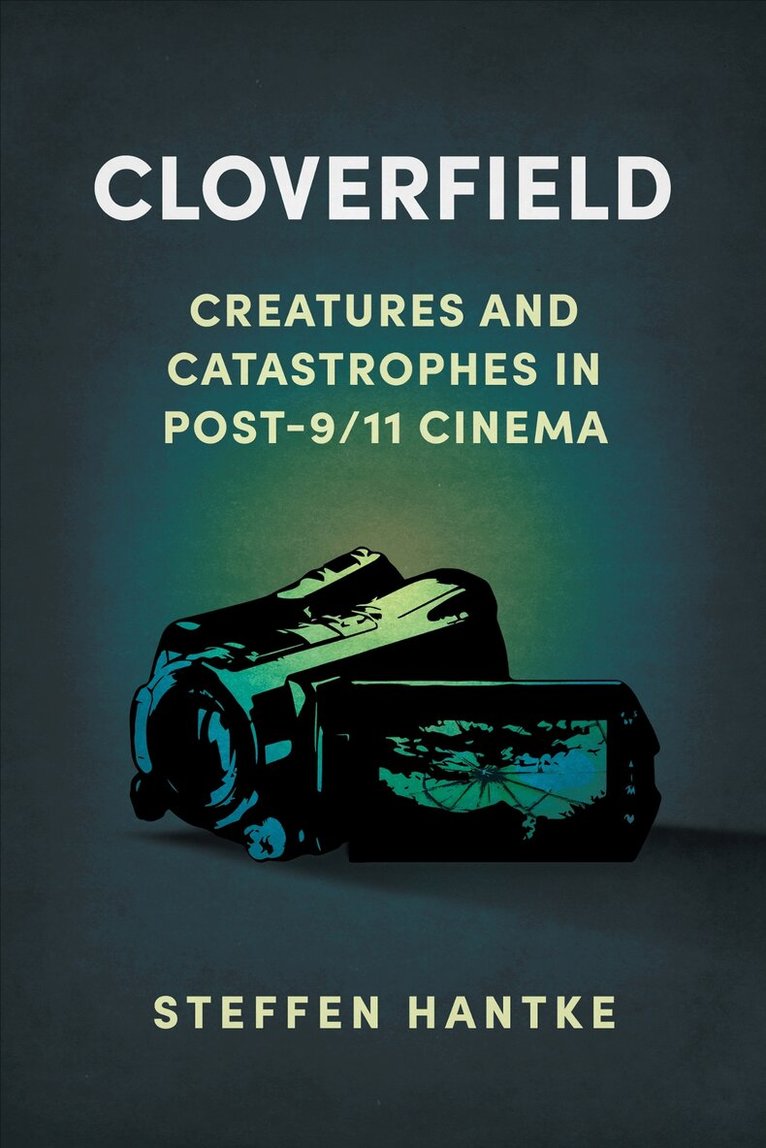
Upon its release in 2008, Matt Reeves’s Cloverfield revitalized the giant creature, a cinematic trope that had languished for over a decade. The film addressed the attacks of September 11, 2001, trading the jingoistic rhetoric of retributive military aggression for serious engagement with personal and collective trauma. It applied the horror genre’s fascination with personal stories captured by found footage to the grand violence of history. Innovative and intense, Cloverfield represented blockbuster filmmaking at its best.Cloverfield’s franchising followed the path of high-profile Hollywood properties. This volume provides the first comprehensive overview of the franchise, measuring how it steers precariously between the commercial potential, creative risks, and political challenges in Hollywood. As 10 Cloverfield Lane (2016) and The Cloverfield Paradox (2018) struggled to sustain and update the franchise’s original concept, both films’ strengths and weaknesses come into focus by comparison with the original, just as the historical sequence of all three films allows for a reassessment of Cloverfield itself. Author Steffen Hantke examines how, in the broader context of postmillennial Hollywood, the Cloverfield franchise remains both a harbinger of the way Hollywood does business and a test case for the cinematic fantasies of apocalyptic disaster that continue to dominate global box office, long after the Cold War that gave rise to giant creatures has ended and 9/11 has lost its hold on the global imagination. As an inspiration for the next stage of blockbuster filmmaking, in which franchises have replaced the singular cinematic masterpiece and marketing plays to fans as critics and scholars, Cloverfield remains as relevant today as when it first unleashed its giant creature onto New York City over a decade ago.