Religion and Gender – serie
Visar alla böcker i serien Religion and Gender. Handla med fri frakt och snabb leverans.
4 produkter
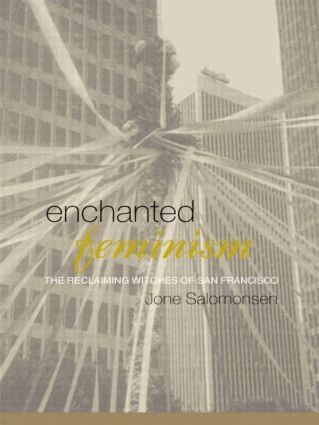
Enchanted Feminism
The Reclaiming Witches of San Francisco
Inbunden, 2001
2513 kr
Lägg i varukorg
This is the first major study of the most famous Reclaiming Witch community, founded in 1979 in San Francisco, written by an author who herself participated in a coven for ten years. Jone Salomonsen describes and examines the communal and ritual practices of Reclaiming, asking how these promote …
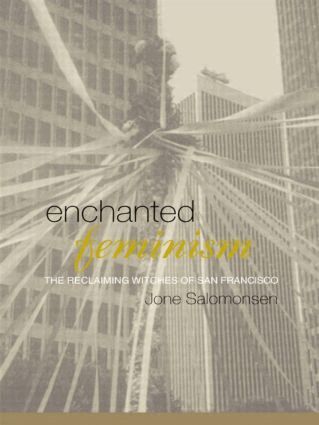
Enchanted Feminism
The Reclaiming Witches of San Francisco
Häftad, 2001
765 kr
Lägg i varukorg
This is the first major study of the most famous Reclaiming Witch community, founded in 1979 in San Francisco, written by an author who herself participated in a coven for ten years. Jone Salomonsen describes and examines the communal and ritual practices of Reclaiming, asking how these promote …
Female Face of God in Auschwitz
A Jewish Feminist Theology of the Holocaust
Inbunden, 2003
2134 kr
Lägg i varukorg
The dominant theme of post-Holocaust Jewish theology has been that of the temporary hiddenness of God, interpreted either as a divine mystery or, more commonly, as God's deferral to human freedom. But traditional Judaic obligations of female presence, together with the traditional image of the …
Female Face of God in Auschwitz
A Jewish Feminist Theology of the Holocaust
Häftad, 2003
735 kr
Lägg i varukorg
The dominant theme of post-Holocaust Jewish theology has been that of the temporary hiddenness of God, interpreted either as a divine mystery or, more commonly, as God's deferral to human freedom. But traditional Judaic obligations of female presence, together with the traditional image of the …