Representing American Events - Böcker
Visar alla böcker i serien Representing American Events. Handla med fri frakt och snabb leverans.
4 produkter
4 produkter
1 303 kr
Skickas inom 7-10 vardagar
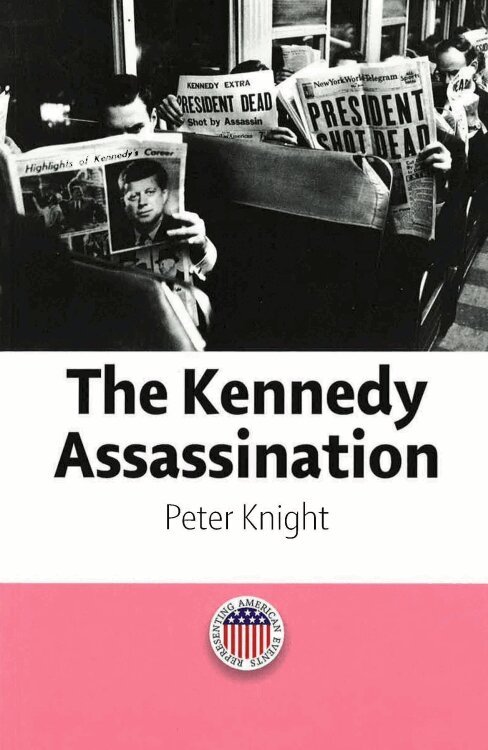
November 22nd 1963, Dealey PlazaAs a seminal event in late twentieth-century American history, the Kennedy assassination has permeated the American and world consciousness in a wide variety of ways. It has long fascinated American writers, filmmakers and artists, and this book offers an authoritative critical introduction to the way the event has been constructed in a range of discourses.It looks at a variety of historical, political and cultural attempts to understand Kennedy’s death. Representations include: journalism from the time; historical accounts and memoirs; official investigations, government reports and sociological inquiries; the huge number of conspiracy-minded interpretations; novels, plays and other works of literature; and the Zapruder footage, photography, avant-garde art, and Hollywood films.Considering the continuities and contradictions in how the event has been represented, the author focuses on how it has been seen through the lens of ideas about conspiracy, celebrity and violence. He also explores how the arguments about exactly what happened on 22 November 1963 have come to serve as a substitute way of debating the significance of Kennedy’s legacy and the meaning of the 1960s more generally.Key Features:* presents information about the event itself, the cultural context of the period, and the consequences of the event* considers the ways in which the event has been represented in subsequent years in a variety of discourses* includes an annotated bibliography and 10 B&W illustrations.
255 kr
Tillfälligt slut
November 22nd 1963, Dealey PlazaAs a seminal event in late twentieth-century American history, the Kennedy assassination has permeated the American and world consciousness in a wide variety of ways. It has long fascinated American writers, filmmakers and artists, and this book offers an authoritative critical introduction to the way the event has been constructed in a range of discourses.It looks at a variety of historical, political and cultural attempts to understand Kennedy’s death. Representations include: journalism from the time; historical accounts and memoirs; official investigations, government reports and sociological inquiries; the huge number of conspiracy-minded interpretations; novels, plays and other works of literature; and the Zapruder footage, photography, avant-garde art, and Hollywood films.Considering the continuities and contradictions in how the event has been represented, the author focuses on how it has been seen through the lens of ideas about conspiracy, celebrity and violence. He also explores how the arguments about exactly what happened on 22 November 1963 have come to serve as a substitute way of debating the significance of Kennedy’s legacy and the meaning of the 1960s more generally.Key Features:* presents information about the event itself, the cultural context of the period, and the consequences of the event* considers the ways in which the event has been represented in subsequent years in a variety of discourses* includes an annotated bibliography and 10 B&W illustrations.
1 303 kr
Skickas inom 7-10 vardagar
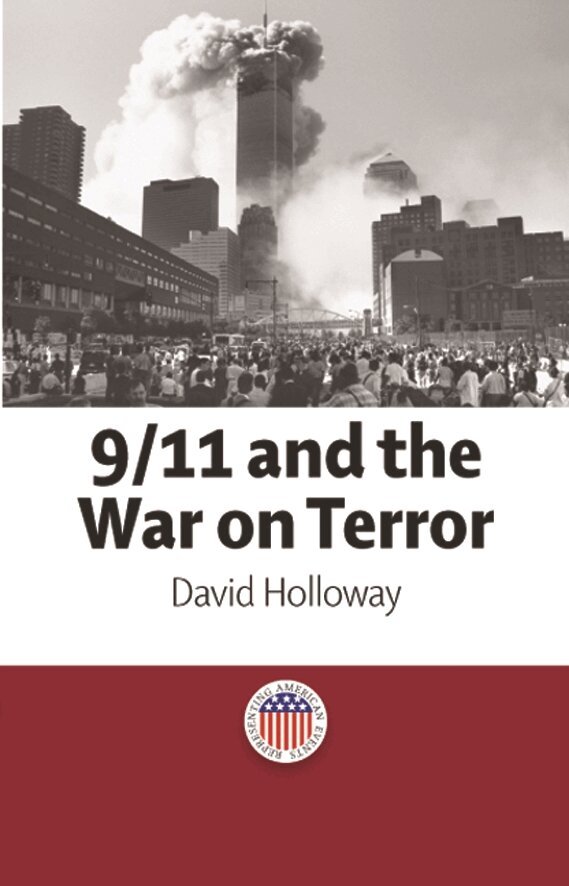
This interdisciplinary study of how 9/11 and the ‘war on terror’ were represented during the Bush era, shows how culture often functioned as a vital resource, for citizens attempting to make sense of momentous historical events that frequently seemed beyond their influence or control. Illustrated throughout, the book discusses representation of 9/11 and the war on terror in Hollywood film, the 9/11 novel, mass media, visual art and photography, political discourse, and revisionist historical accounts of American ‘empire,’ between the September 11 attacks and the Congressional midterm elections in 2006. As well as prompting an international security crisis, and a crisis in international governance and law, David Holloway suggests the culture of the time also points to a ‘crisis’ unfolding in the institutions and processes of republican democracy in the United States. His book offers a cultural and ideological history of the period, showing how culture was used by contemporaries to debate, legitimise, qualify, contest, or repress discussion, about the causes, consequences and broader meanings of 9/11 and the war on terror.
259 kr
Skickas inom 11-20 vardagar
This interdisciplinary study of how 9/11 and the ‘war on terror’ were represented during the Bush era, shows how culture often functioned as a vital resource, for citizens attempting to make sense of momentous historical events that frequently seemed beyond their influence or control. Illustrated throughout, the book discusses representation of 9/11 and the war on terror in Hollywood film, the 9/11 novel, mass media, visual art and photography, political discourse, and revisionist historical accounts of American ‘empire,’ between the September 11 attacks and the Congressional midterm elections in 2006. As well as prompting an international security crisis, and a crisis in international governance and law, David Holloway suggests the culture of the time also points to a ‘crisis’ unfolding in the institutions and processes of republican democracy in the United States. His book offers a cultural and ideological history of the period, showing how culture was used by contemporaries to debate, legitimise, qualify, contest, or repress discussion, about the causes, consequences and broader meanings of 9/11 and the war on terror.