Routledge Philosophy of Religion Series – serie
Visar alla böcker i serien Routledge Philosophy of Religion Series. Handla med fri frakt och snabb leverans.
10 produkter
10 produkter
618 kr
Skickas inom 10-15 vardagar
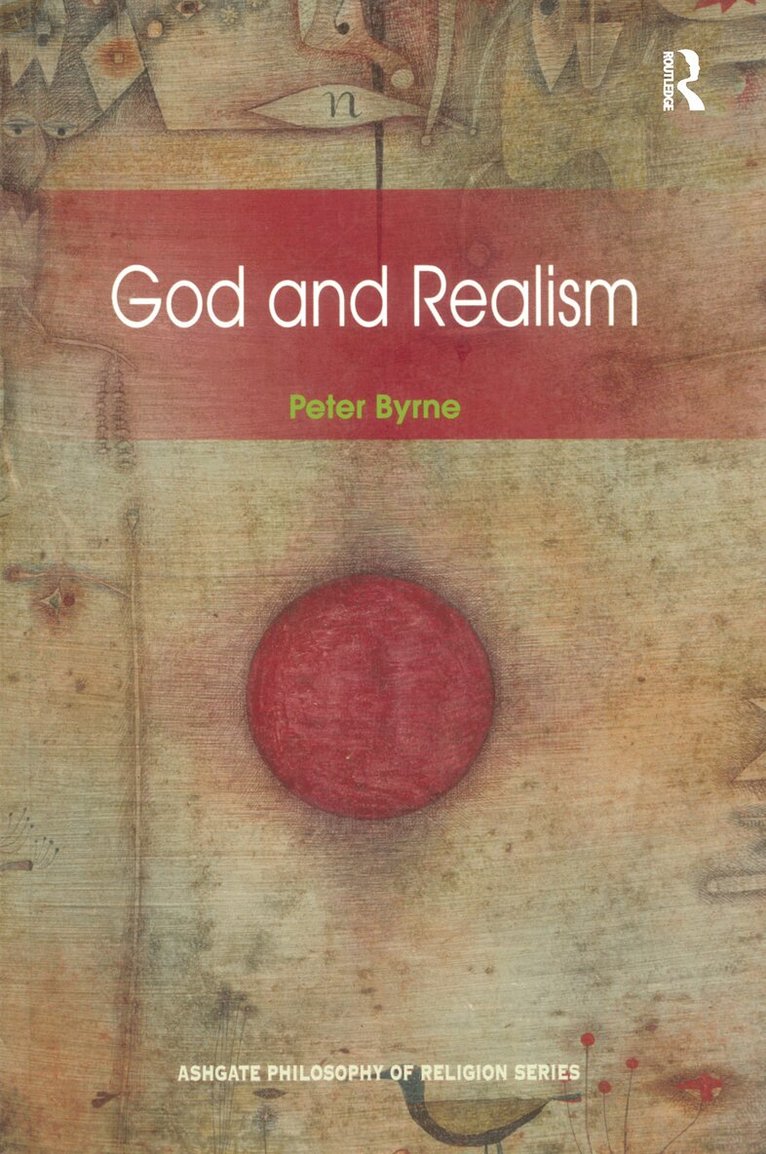
Peter Byrne’s study of God and realism offers a critical survey of issues surrounding the realist interpretation of theism and theology. Byrne presents a general argument for interpreting the intent of talk about God in a realist fashion and argues that judging the intent of theistic discourse should be the primary object of concern in the philosophy of religion. He considers a number of important ideas and thinkers supporting global anti-realism, and finds them all wanting. After the refutation of global anti-realism, Byrne considers a number of important arguments in favour of the notion that there is something specific to talk about God which invites an anti-realist interpretation of it. Here he looks at verificationism, the writings of Don Cupitt, forms of radical feminist theory and the ideas of D.Z. Phillips. The book concludes with a discussion of whether theology as a discursive, academic discipline can be interpreted realistically. Offering a comprehensive survey of the topic and of the leading literature in the field, this book presents key arguments for exploring issues brought to bear upon the realism debate. Students and scholars of philosophy of religion, philosophy of language, metaphysics, theory of knowledge and theology, will find this an invaluable new contribution to the field.
618 kr
Skickas inom 10-15 vardagar
Religious diversity exists whenever seemingly sincere, knowledgeable individuals hold incompatible beliefs on the same religious issue. Diversity of this sort is pervasive, existing not only across basic theistic systems but also within these theistic systems themselves. Religious Diversity explores the breadth and significance of such conflict. Examining the beliefs of various theistic systems, particularly within Christianity, Judaism, Hinduism and Buddhism, Basinger discusses seemingly incompatible claims about many religious issues, including the nature of God and the salvation of humankind. He considers particularly the work of Hick, Gellman, Plantinga, Schellenberg, Alston, Wainwright, and Quinn, applying their perspectives on 'exclusivism' and 'pluralism' as they become relevant to the issues in question. Basinger's survey of the relevant literature, proposed solutions, and fresh insights offer an invaluable contribution not only for philosophers of religion and philosophical theologians but for anyone interested in the increasingly significant question of what a religious believer can or cannot justifiably say about their religious perspective.
632 kr
Skickas inom 10-15 vardagar
Religion and Morality addresses central issues arising from religion's relation to morality. Part I offers a sympathetic but critical appraisal of the claim that features of morality provide evidence for the truth of religious belief. Part II examines divine command theories, objections to them, and positive arguments in their support. Part III explores tensions between human morality, as ordinarily understood, and religious requirements by discussing such issues as the conflict between Buddhist and Christian pacifism and requirements of justice, whether 'virtue' without a love of God is really a vice, whether the God of the Abrahamic religions could require us to do something that seems clearly immoral, and the ambiguous relations between religious mysticism and moral behavior. Covering a broad range of topics, this book draws on both historical and contemporary literature, and explores afresh central issues of morality and religion offering new insights for students, academics and the general reader interested in philosophy and religion.
2 113 kr
Skickas inom 10-15 vardagar
Is God temporal, 'in time', or atemporal, 'outside of time'? Garrett DeWeese begins with contemporary metaphysics and physics, developing a causal account of dynamic time. Drawing on biblical material as well as discussions of divine temporality in medieval and contemporary philosophical theology, DeWeese concludes that God is temporal but not in physical time as we measure it. Interacting with issues in the history of philosophy, contemporary philosophy of science, and philosophy of religion, this book offers students a thorough introduction to the key issues and key figures in historical and contemporary work on the philosophy of time and time in theology.
1 591 kr
Tillfälligt slut
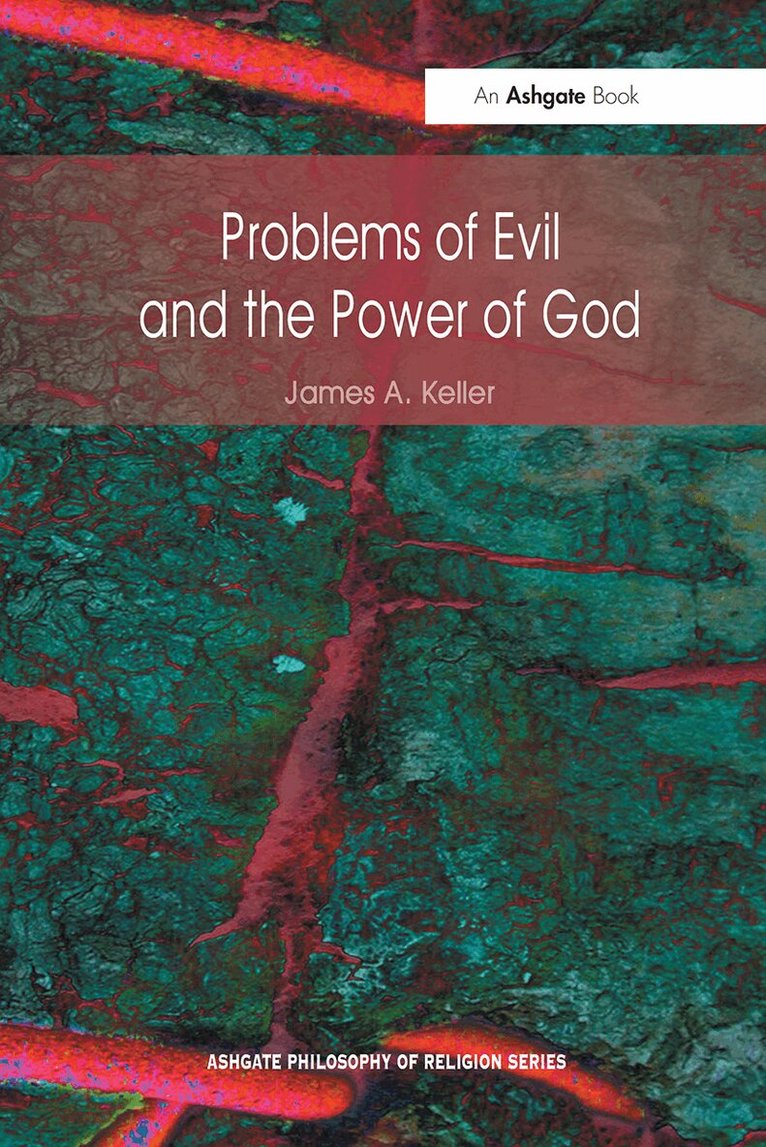
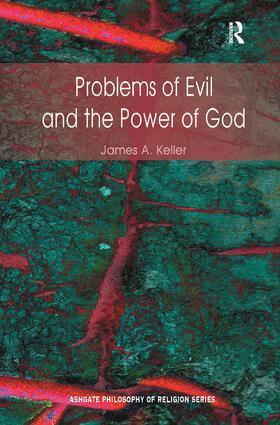
Why do bad things happen, even to good people? If there is a God, why aren't God's existence and God's will for humans more apparent? And if God really does miracles for some people, why not for others? This book examines these three problems of evil - suffering, divine hiddenness, and unfairness if miracles happen as believers claim - to explore how different ideas of God's power relate to the problem of evil. Keller argues that as long as God is believed to be all-powerful, there are no adequate answers to these problems, nor is it enough for theists simply to claim that human ignorance makes these problems insoluble. Arguing that there are no good grounds for the belief that God is all-powerful, Keller instead defends the understanding of God and God's power found in process theism and shows how it makes possible an adequate solution to the problems of evil while providing a concept of God that is religiously adequate.
2 181 kr
Skickas inom 10-15 vardagar
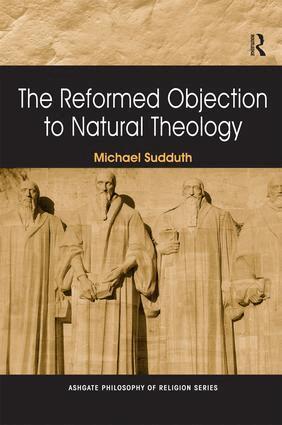
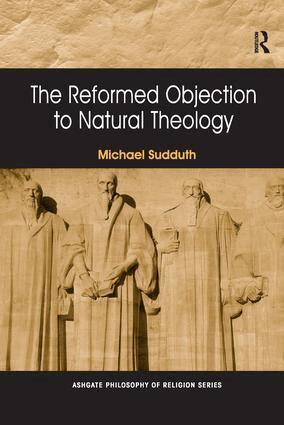
Michael Sudduth examines three prominent objections to natural theology that have emerged in the Reformed streams of the Protestant theological tradition: objections from the immediacy of our knowledge of God, the noetic effects of sin, and the logic of theistic arguments. Distinguishing between the project of natural theology and particular models of natural theology, Sudduth argues that none of the main Reformed objections is successful as an objection to the project of natural theology itself. One particular model of natural theology - the dogmatic model - is best suited to handle Reformed concerns over natural theology. According to this model, rational theistic arguments represent the reflective reconstruction of the natural knowledge of God by the Christian in the context of dogmatic theology. Informed by both contemporary religious epistemology and the history of Protestant philosophical theology, Sudduth’'s examination illuminates the complex nature of the project of natural theology and its place in the Reformed tradition.
2 317 kr
Skickas inom 10-15 vardagar
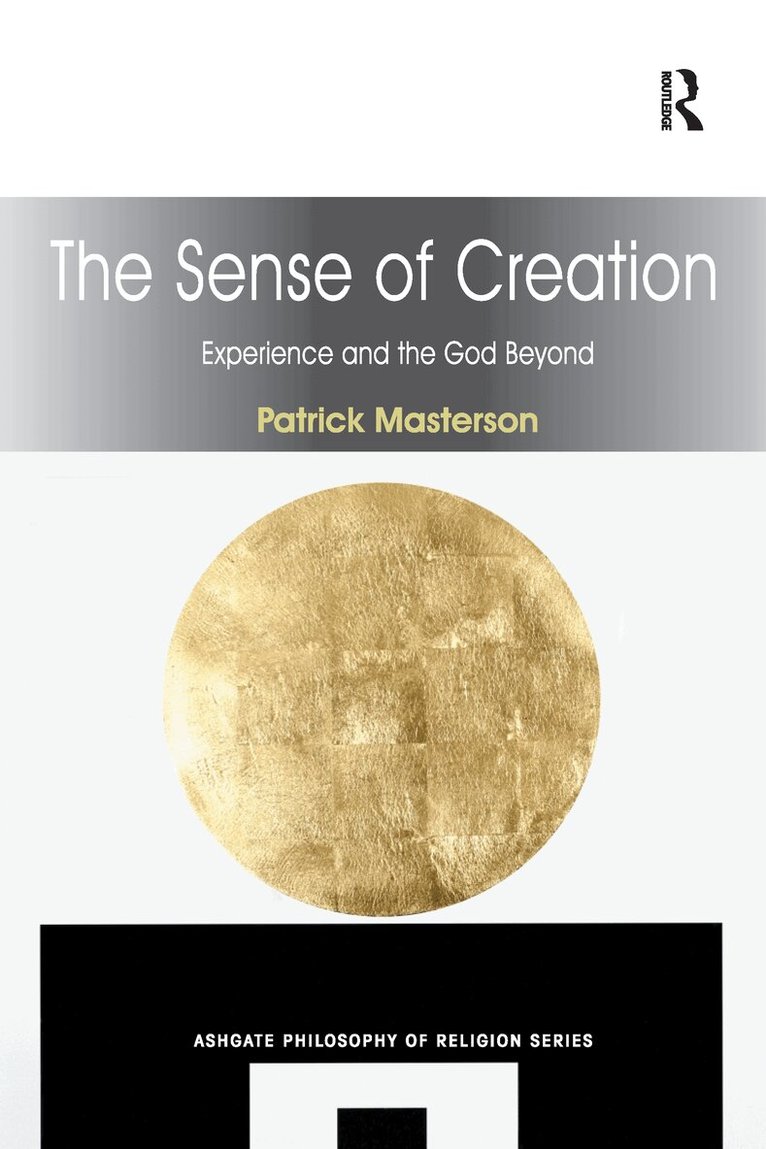
What kind of experience might help to confirm and make sense of the puzzling belief in divine creation, so central to the main monotheistic religions? Anselm and Aquinas developed a philosophical understanding of 'Creation' as an asymmetrical relationship between the world and God, that is, that the world is really related to God in a relationship of total dependence but God is in no way really related to or modified by this created world. This idea of an asymmetrical relationship is the key concept unifying all aspects of this book which discusses the three main inter-related questions in a philosophical discussion about God -- the question of meaning, the question of existence, and the question of co-existence. The book explores various 'ciphers' of this asymmetrical relationship in our pre-philosophical lived experience. These are experiences such as that of the relationship between our knowledge and what we know, or our sense of obligation to our vulnerable neighbour. It argues that deciphering such experiences helps to make sense of the 'asymmetrical' relation of creation and that it in turn makes sense of them. Masterson argues further that this idea of asymmetrical relationship provides insight into the main questions of philosophy of religion and is an illuminating source of critical dialogue with contemporary Anglo/American and Phenomenological approaches in philosophy of religion.
632 kr
Skickas inom 10-15 vardagar
What kind of experience might help to confirm and make sense of the puzzling belief in divine creation, so central to the main monotheistic religions? Anselm and Aquinas developed a philosophical understanding of 'Creation' as an asymmetrical relationship between the world and God, that is, that the world is really related to God in a relationship of total dependence but God is in no way really related to or modified by this created world. This idea of an asymmetrical relationship is the key concept unifying all aspects of this book which discusses the three main inter-related questions in a philosophical discussion about God -- the question of meaning, the question of existence, and the question of co-existence. The book explores various 'ciphers' of this asymmetrical relationship in our pre-philosophical lived experience. These are experiences such as that of the relationship between our knowledge and what we know, or our sense of obligation to our vulnerable neighbour. It argues that deciphering such experiences helps to make sense of the 'asymmetrical' relation of creation and that it in turn makes sense of them. Masterson argues further that this idea of asymmetrical relationship provides insight into the main questions of philosophy of religion and is an illuminating source of critical dialogue with contemporary Anglo/American and Phenomenological approaches in philosophy of religion.
632 kr
Skickas inom 10-15 vardagar
Why do bad things happen, even to good people? If there is a God, why aren't God's existence and God's will for humans more apparent? And if God really does miracles for some people, why not for others? This book examines these three problems of evil - suffering, divine hiddenness, and unfairness if miracles happen as believers claim - to explore how different ideas of God's power relate to the problem of evil. Keller argues that as long as God is believed to be all-powerful, there are no adequate answers to these problems, nor is it enough for theists simply to claim that human ignorance makes these problems insoluble. Arguing that there are no good grounds for the belief that God is all-powerful, Keller instead defends the understanding of God and God's power found in process theism and shows how it makes possible an adequate solution to the problems of evil while providing a concept of God that is religiously adequate.
822 kr
Skickas inom 10-15 vardagar
Michael Sudduth examines three prominent objections to natural theology that have emerged in the Reformed streams of the Protestant theological tradition: objections from the immediacy of our knowledge of God, the noetic effects of sin, and the logic of theistic arguments. Distinguishing between the project of natural theology and particular models of natural theology, Sudduth argues that none of the main Reformed objections is successful as an objection to the project of natural theology itself. One particular model of natural theology - the dogmatic model - is best suited to handle Reformed concerns over natural theology. According to this model, rational theistic arguments represent the reflective reconstruction of the natural knowledge of God by the Christian in the context of dogmatic theology. Informed by both contemporary religious epistemology and the history of Protestant philosophical theology, Sudduth’'s examination illuminates the complex nature of the project of natural theology and its place in the Reformed tradition.