Russian Literature Series - Böcker
Visar alla böcker i serien Russian Literature Series. Handla med fri frakt och snabb leverans.
8 produkter
8 produkter
207 kr
Skickas inom 5-8 vardagar
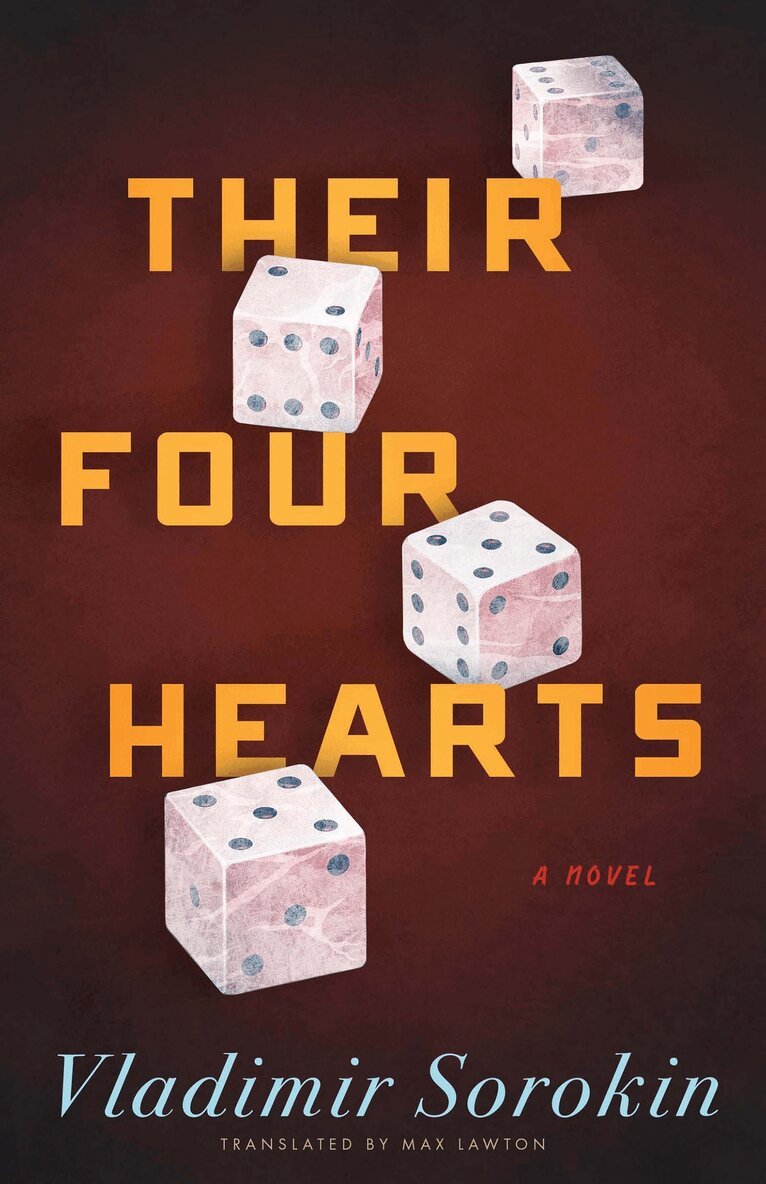
In many respects, Their Four Hearts is a book of endings and final things. Vladimir Sorokin wrote it in the year the Soviet Union collapsed and then didn’t write fiction for ten years after completing it––his next book being the infamous Blue Lard, which he wrote in 1998. Without exaggerating too much, one might call it the last book of the Russian twentieth century and Blue Lard the first book of the Russian twenty-first century. It is a novel about the failure of the Soviet Union, about its metaphysical designs, and about the violence it produced, but presented as God might see it or Bataille might write it.Their Four Hearts follows the violent and nonsensical missions carried out by a group of four characters who represent Socialist Realist archetypes: Seryozha, a naive and optimistic young boy; Olga, a dedicated female athlete; Shtaube, a wise old man; and Rebrov, a factory worker and a Stakhanovite embodying Soviet manhood. However, the degradation inflicted upon them is hardly a Socialist Realist trope. Are the acts of violence they carry out a more realistic vision of what the Soviet Union forced its “heroes” to live out? A corporealization and desacralization of self-sacrificing acts of Soviet heroism? How the Soviet Union truly looked if you were to strip away the ideological infrastructure? As we see in the long monologues Shtaube performs for his companions––some of which are scatological nonsense and some of which are accurate reproductions of Soviet language––Sorokin is interested in burrowing down to the libidinal impulses that fuel a totalitarian system and forcing the reader to take part in them in a way that isn’t entirely devoid of aesthetic pleasure.As presented alongside Greg Klassen’s brilliant charcoal illustrations, which have been compared to the work of Bruno Schulz by Alexander Genis and the work of Ralph Steadman as filtered through Francis Bacon by several gallerists, this angular work of fiction becomes a scatological storybook-world that the reader is dared to immerse themselves in.
195 kr
Skickas
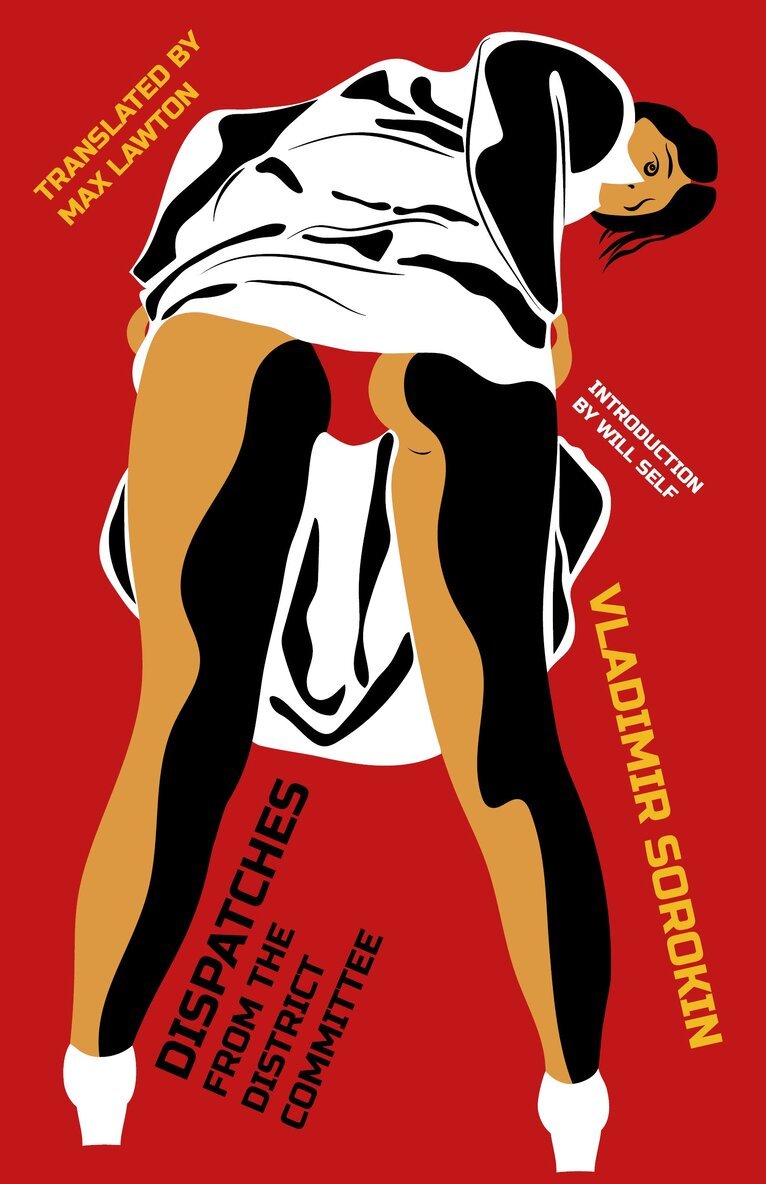
Grotesque, deconstructive, and absolutely genius, Vladimir Sorokin’s short story collection Dispatches from the District Committee is a revelatory, offbeat portrait of Soviet life beyond the propaganda and state-sponsored realism.Celebrated—and censored—for its political satire, literary irreverence, and provocative themes, Sorokin's work has been recognized across the world for its scathing, darkly humorous commentary on political and cultural oppression in the Soviet Union and contemporary Russia.Dispatches from the District Committee brings together stories from Sorokin’s incendiary 1992 collection The First Subotnik/My First Working Saturday and elsewhere. Skillfully translated by Max Lawton, these stories remain subversive classics, and increasingly relevant in a post-truth information age.
135 kr
Tillfälligt slut
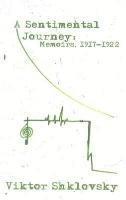
"One would be hard pressed to decide whether the book is more notable for what it says or for how it says it . . . Viktor Shklovsky's A Sentimental Journey is highly recommended." Library Journal
164 kr
Tillfälligt slut
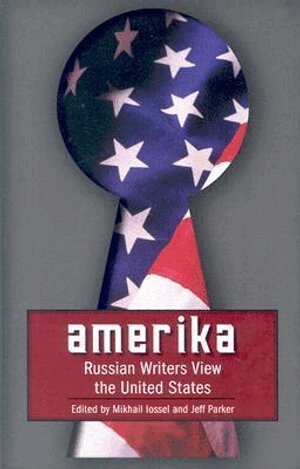
For half of the twentieth century, there were two superpowers in the world and a gulf of silence between them. Knowledge of Russian culture was based on propaganda and rumour, and their knowledge of the West was no better. When the Soviet Union fell, Russians began to travel to America more regularly, and what they discovered was a very different place to the one they had imagined, but, at the same time, not exactly the one that Americans think they know. This collection of beautifully written and entertaining literary essays by a wide range of Russian writers - young and old, funny and sombre, angry and celebratory, many being translated for the first time - offers readers a unique chance to see Americans in a whole new light, to question how the American dream stands up to the American reality, and to experience the wit and generosity of today's Russian writers.
188 kr
Tillfälligt slut
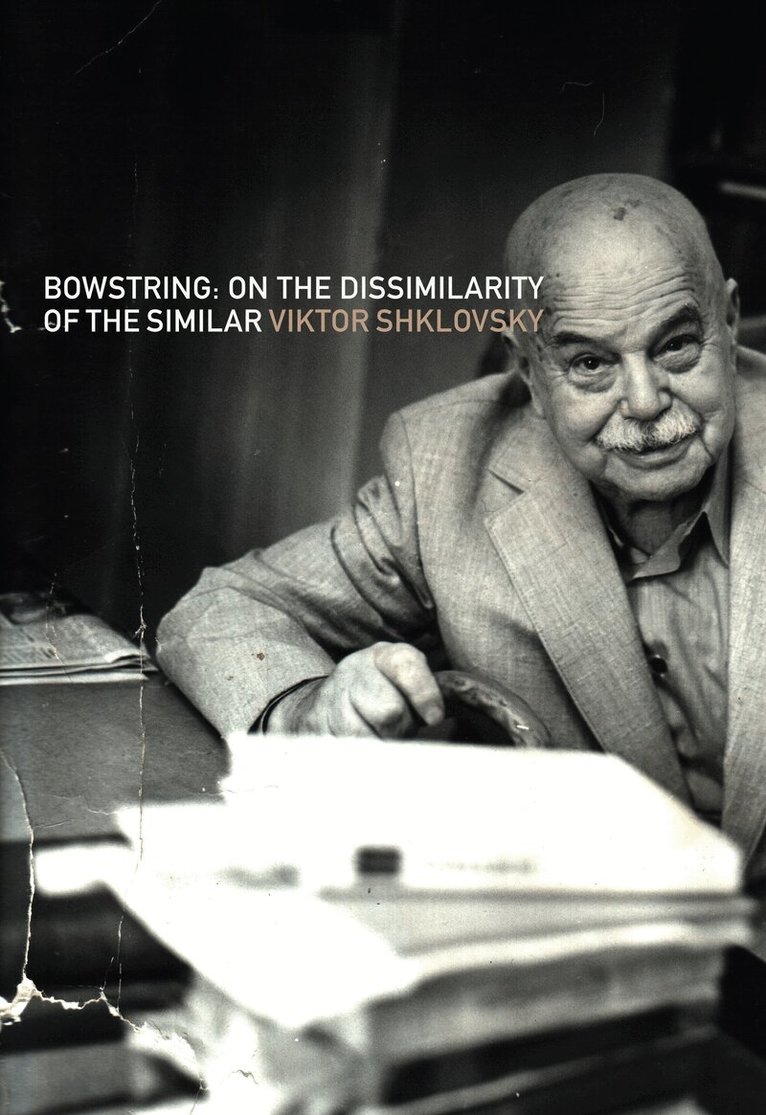
Dalkey Archive Press s favorite writer of them all.
176 kr
Tillfälligt slut
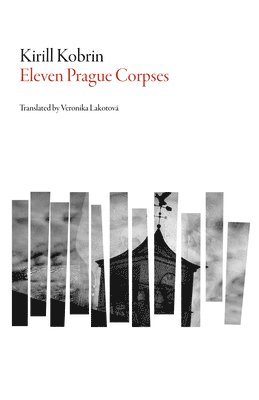
Prague is a place where murders happen, and it takes an English-speaking Russian expat with a strong antipathy for the city and its inhabitants to solve the mystery . . . or maybe not. As the plots thicken, the two narrators of Kirill Kobrin’s ten short stories gradually merge into a single hazy, undefined personality, characterized by a passion for logical reasoning, which leads to the identification of the culprit; except that the laboriously constructed murder narrative may stand or fall on a typo, and the mentally satisfying conclusion may or may not have much to do with reality . . .
171 kr
Skickas inom 5-8 vardagar
The Hamburg Score (Gamburgsky schyot) is “a very important concept,” wrote Viktor Shklovsky, the famous Russian literary critic and founder of Russian formalism, in 1928. All wrestlers cheat in performance and allow themselves to lose a fight at the behest of the organizers. But once a year wrestlers gather in Hamburg and fight in private among themselves. It is a long, hard, ugly competition. But this is the only way that they can reveal their real class. It is in this way that Shklovsky has the leading literary come to a reckoning of their real worth. This collection of essays and memoirs published in 1928 represents one of the last of the great critic’s works to be translated into English and will be a treasure for both Shklovsky scholars and lovers of literature alike.
188 kr
Skickas inom 5-8 vardagar
Life of a Bishop’s Assistant is a “rewritten” biography of the 18th century historical figure, Gavriil Dobrinin. The son of a priest, he became an assistant to a bishop before being fortunate to rise all the way to gubernia procurator. Despite the obscurity of Dobrinin, it is Shklovsky’s narration of his story that takes center stage. Like Zoo, or Letters Not About Love, Life of a Bishop’s Assistant is a notable example of experimentation with narrative form in the early twentieth century by one of its leading theorists.