SAIC - Chicago Social Practice History S – serie
Visar alla böcker i serien SAIC - Chicago Social Practice History S. Handla med fri frakt och snabb leverans.
4 produkter
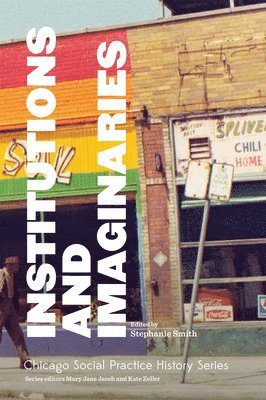
Institutions and Imaginaries
Häftad, 2015
183 kr
Lägg i varukorg
Socially engaged art, by means of its transformative practice, is shaping today's institutions and the very culture of now. And in a city famous for both its physical and political structures, few creative communities are as deeply intertwined with a city's framework as those in Chicago. This …
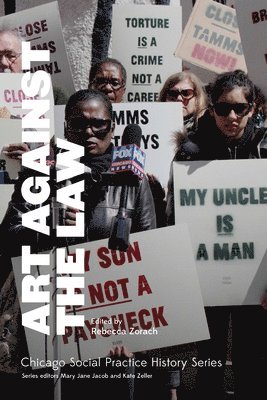
Art Against the Law
Häftad, 2014
183 kr
Tillfälligt slut
Art Against the Law launches the new Chicago Social Practice History series, edited by Mary Jane Jacob and Kate Zeller in the Department of Exhibitions and Exhibition Studies at the School of the Art Institute of Chicago (SAIC). In 1968, Chicago made headlines for the ferocity of its police …
Immersive Life Practices
Häftad, 2014
183 kr
Tillfälligt slut
Much ink has been spilled on how art intersects with the experiences of everyday life. But what about art grappling with how to live differently? Artists occupy an exceptional space where their livelihood permeates all aspects of life, eroding boundaries between the personal, the professional, and …
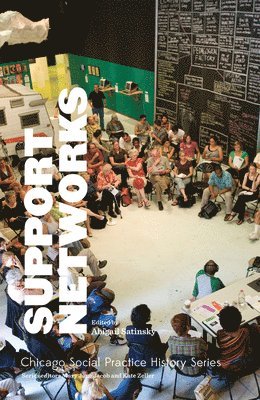
Support Networks
Häftad, 2014
183 kr
Tillfälligt slut
When artists break boundaries of traditional forms and work outside of institutionalized systems, they often must create new infrastructures to sustain their practices. Support Networks looks to Chicago's deeply layered history of artists, scholars, and creative practitioners coming together to …