Sheed & Ward Classic - Böcker
Visar alla böcker i serien Sheed & Ward Classic. Handla med fri frakt och snabb leverans.
8 produkter
8 produkter
1 873 kr
Skickas inom 5-8 vardagar
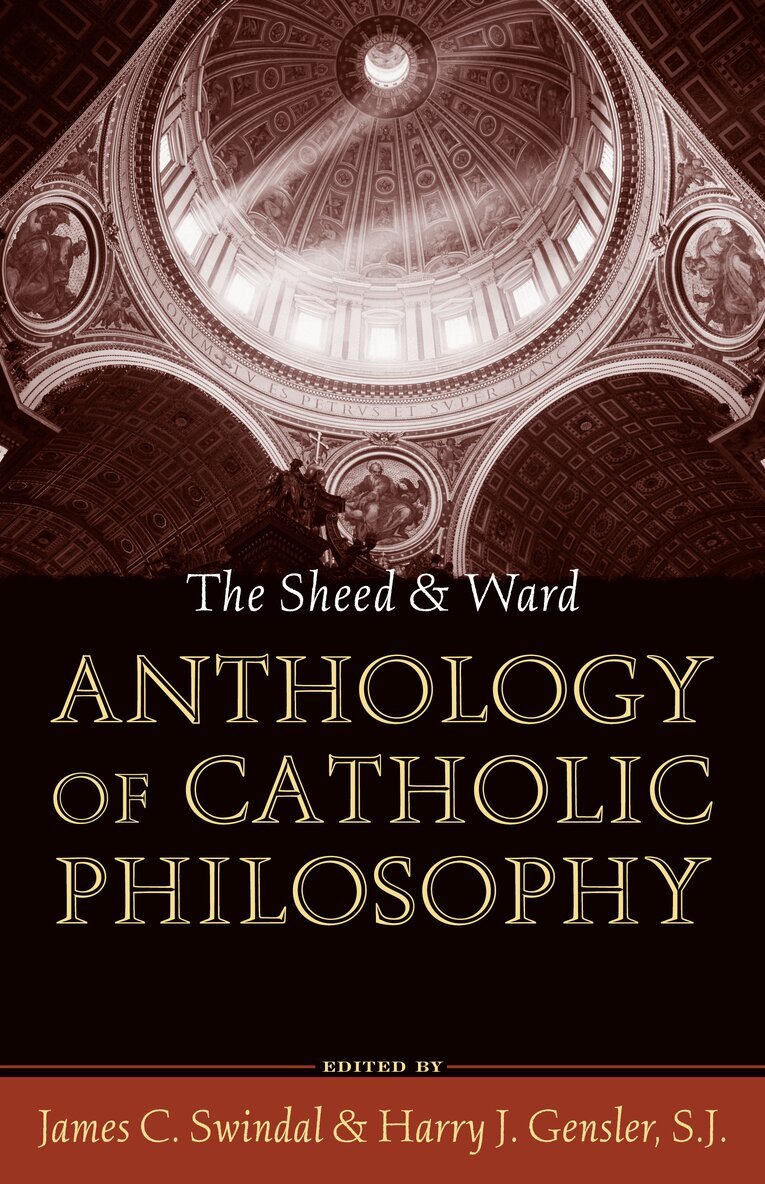
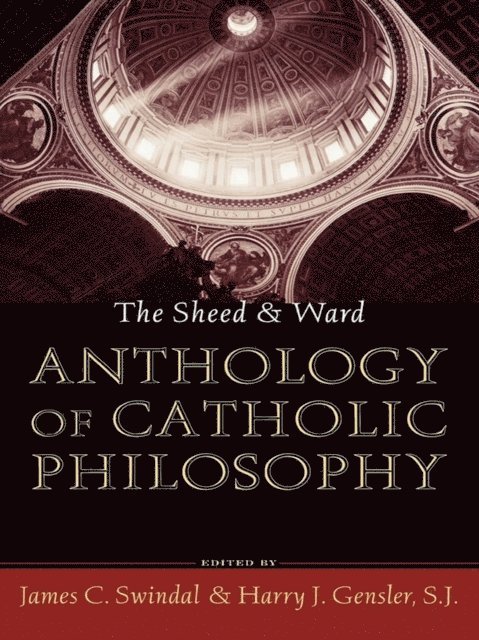
The Sheed & Ward Anthology of Catholic Philosophy is a thorough introduction to the evolution of Catholic philosophy from Biblical times to the present day. The first comprehensive collection of readings from Catholic philosophers, this volume aims to sharpen the understanding of Catholic philosophy by grouping together the best examples of this tradition, both well-known classics and lesser-known selections. The readings emphasize themes integral to the Catholic tradition such as the harmony of faith and reason, the existence and nature of God, the nature of the human person and the nature of being, and the objectivity of the moral law. Each reading includes a brief introduction and is historically placed within five major groups—1) Preliminaries, including readings from the Bible, Plato and Aristotle, 2) The Patristic Era, selections from Aristides to Boethius, and a heavy focus on Augustine, 3) The Middle Ages, readings from the early Moslem and Jewish thinkers to William of Ockham, with an emphasis on Aquinas, 4) The Renaissance through the Nineteenth Century, including Suarez, Descartes, Pascal, Newman, and Pope Leo XIII, and 5) The Twentieth Century and Beyond, including Maritain and Lonergan, Blondel and Marcel, Geach and Rescher, and others like Chesterton and Teilhard. —
944 kr
Skickas inom 5-8 vardagar
The Sheed & Ward Anthology of Catholic Philosophy is a thorough introduction to the evolution of Catholic philosophy from Biblical times to the present day. The first comprehensive collection of readings from Catholic philosophers, this volume aims to sharpen the understanding of Catholic philosophy by grouping together the best examples of this tradition, both well-known classics and lesser-known selections. The readings emphasize themes integral to the Catholic tradition such as the harmony of faith and reason, the existence and nature of God, the nature of the human person and the nature of being, and the objectivity of the moral law. Each reading includes a brief introduction and is historically placed within five major groups—1) Preliminaries, including readings from the Bible, Plato and Aristotle, 2) The Patristic Era, selections from Aristides to Boethius, and a heavy focus on Augustine, 3) The Middle Ages, readings from the early Moslem and Jewish thinkers to William of Ockham, with an emphasis on Aquinas, 4) The Renaissance through the Nineteenth Century, including Suarez, Descartes, Pascal, Newman, and Pope Leo XIII, and 5) The Twentieth Century and Beyond, including Maritain and Lonergan, Blondel and Marcel, Geach and Rescher, and others like Chesterton and Teilhard. —
1 486 kr
Skickas inom 5-8 vardagar
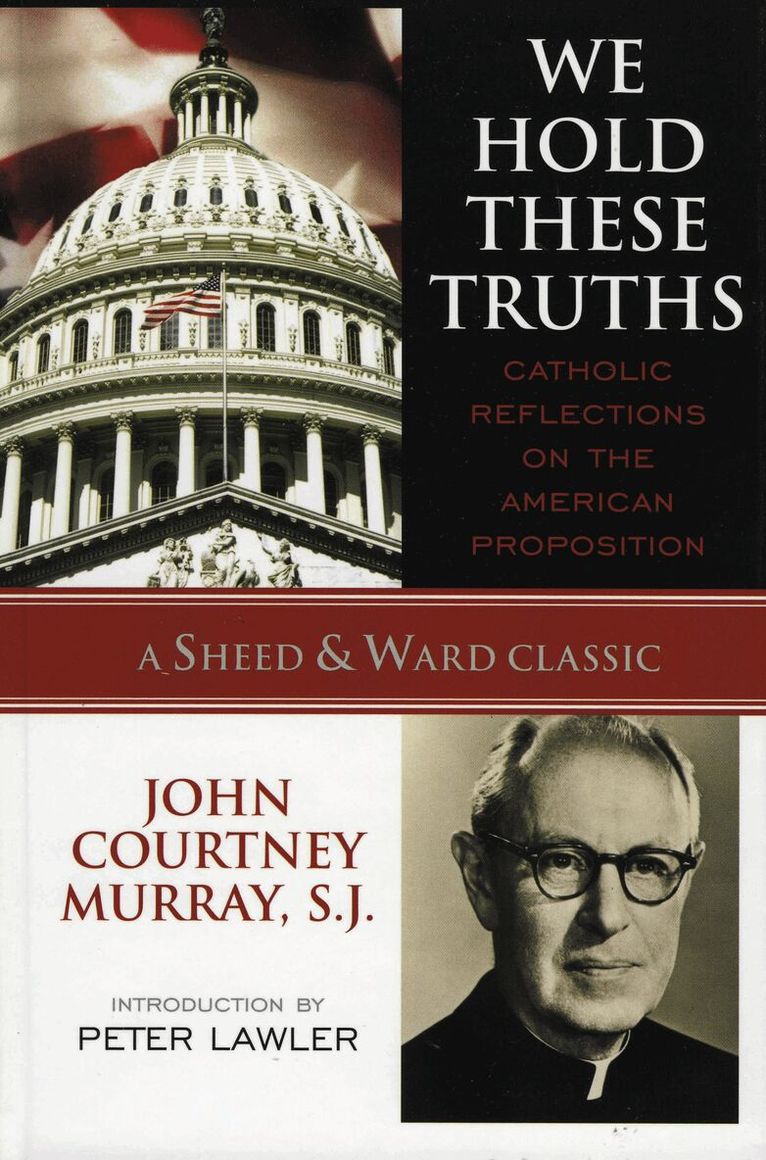
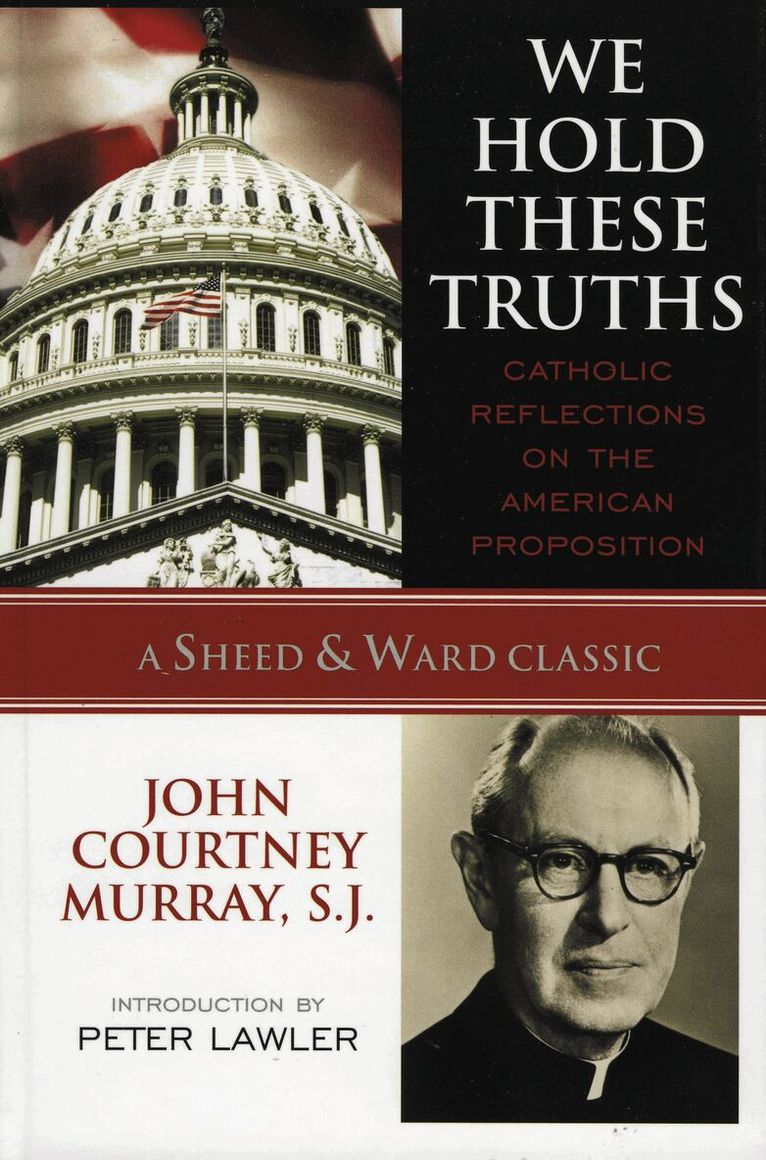
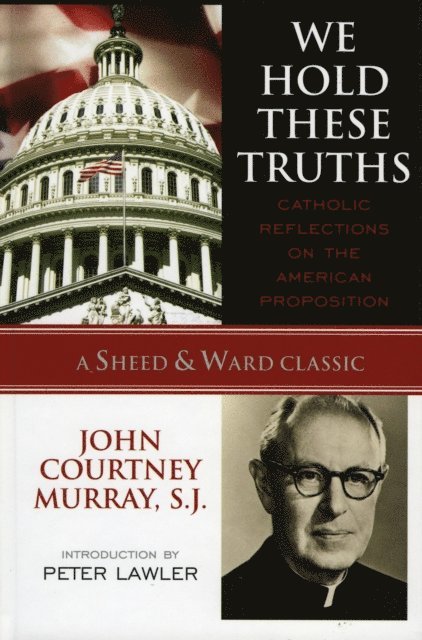
The 1960 publication of We Hold These Truths marked a significant event in the history of modern American thought. Since that time, Sheed & Ward has kept the book in print and has published several studies of John Courtney Murray's life and work. We are proud to present a new edition of this classic text, which features a comprehensive introduction by Peter Lawler that places Murray in the context of Catholic and American history and thought while revealing his relevance today. From the new Introduction by Peter Lawler: The Jesuit John Courtney Murray (1904-67) was, in his time, probably the best known and most widely respected American Catholic writer on the relationship between Catholic philosophy and theology and his country's political life. The highpoint of his influence was the publication of We Hold These Truths in the same year as an election of our country's first Catholic president. Those two events were celebrated by a Time cover story (December 12, 1960) on Murray's work and influence. The story's author, Protestant Douglas Auchincloss, reported that it was 'The most relentlessly intellectual cover story I've done.' His amazingly wide ranging and dense—if not altogether accurate—account of Murray's thought was crowned with a smart and pointed conclusion: 'If anyone can help U.S. Catholics and their non-Catholic countrymen toward the disagreement that precedes understanding—John Courtney Murray can.' . . . Murray's work, of course, is treated with great respect and has had considerable influence, but now it's time to begin to think of him as one of America's very few genuine political philosophers. His disarmingly lucid and accessible prose has caused his book to be widely cited and celebrated, but it still is not well understood. It is both praised and blamed for reconciling Catholic faith with the fundamental premises of American political life. It is praised by liberals for paving the way for Vatican II's embrace of the American idea of religious liberty, and it is blamed by conservatives and traditionalists for obscuring the real conflicts between Catholicism and 'Americanism.' Both the liberal praise and the conservative blame are somewhat misguided. The last thing Murray wanted to do is bring the church up-to-date with the latest currents in American thought. He wanted to show how distinctively Catholic thought could illuminate the authentic American idea of liberty. . . . We Hold These Truths at least offers the hope that Catholic natural-law thinking can bring together the religious devotion and moral concerns of the evangelicals with the devotion to reason and concern for scientific truth of the secular humanists. It offers the hope of getting Americans really arguing again, of holding again the truth that they are capable of engaging in the dialogue about the human good that is the foundation of any civil and civilized moral and political life. Peter Augustine Lawler is professor of political science at Berry College in Georgia.
572 kr
Skickas inom 5-8 vardagar
The 1960 publication of We Hold These Truths marked a significant event in the history of modern American thought. Since that time, Sheed & Ward has kept the book in print and has published several studies of John Courtney Murray's life and work. We are proud to present a new edition of this classic text, which features a comprehensive introduction by Peter Lawler that places Murray in the context of Catholic and American history and thought while revealing his relevance today. From the new Introduction by Peter Lawler: The Jesuit John Courtney Murray (1904-67) was, in his time, probably the best known and most widely respected American Catholic writer on the relationship between Catholic philosophy and theology and his country's political life. The highpoint of his influence was the publication of We Hold These Truths in the same year as an election of our country's first Catholic president. Those two events were celebrated by a Time cover story (December 12, 1960) on Murray's work and influence. The story's author, Protestant Douglas Auchincloss, reported that it was 'The most relentlessly intellectual cover story I've done.' His amazingly wide ranging and dense—if not altogether accurate—account of Murray's thought was crowned with a smart and pointed conclusion: 'If anyone can help U.S. Catholics and their non-Catholic countrymen toward the disagreement that precedes understanding—John Courtney Murray can.' . . . Murray's work, of course, is treated with great respect and has had considerable influence, but now it's time to begin to think of him as one of America's very few genuine political philosophers. His disarmingly lucid and accessible prose has caused his book to be widely cited and celebrated, but it still is not well understood. It is both praised and blamed for reconciling Catholic faith with the fundamental premises of American political life. It is praised by liberals for paving the way for Vatican II's embrace of the American idea of religious liberty, and it is blamed by conservatives and traditionalists for obscuring the real conflicts between Catholicism and 'Americanism.' Both the liberal praise and the conservative blame are somewhat misguided. The last thing Murray wanted to do is bring the church up-to-date with the latest currents in American thought. He wanted to show how distinctively Catholic thought could illuminate the authentic American idea of liberty. . . . We Hold These Truths at least offers the hope that Catholic natural-law thinking can bring together the religious devotion and moral concerns of the evangelicals with the devotion to reason and concern for scientific truth of the secular humanists. It offers the hope of getting Americans really arguing again, of holding again the truth that they are capable of engaging in the dialogue about the human good that is the foundation of any civil and civilized moral and political life. Peter Augustine Lawler is professor of political science at Berry College in Georgia.
2 333 kr
Skickas inom 5-8 vardagar
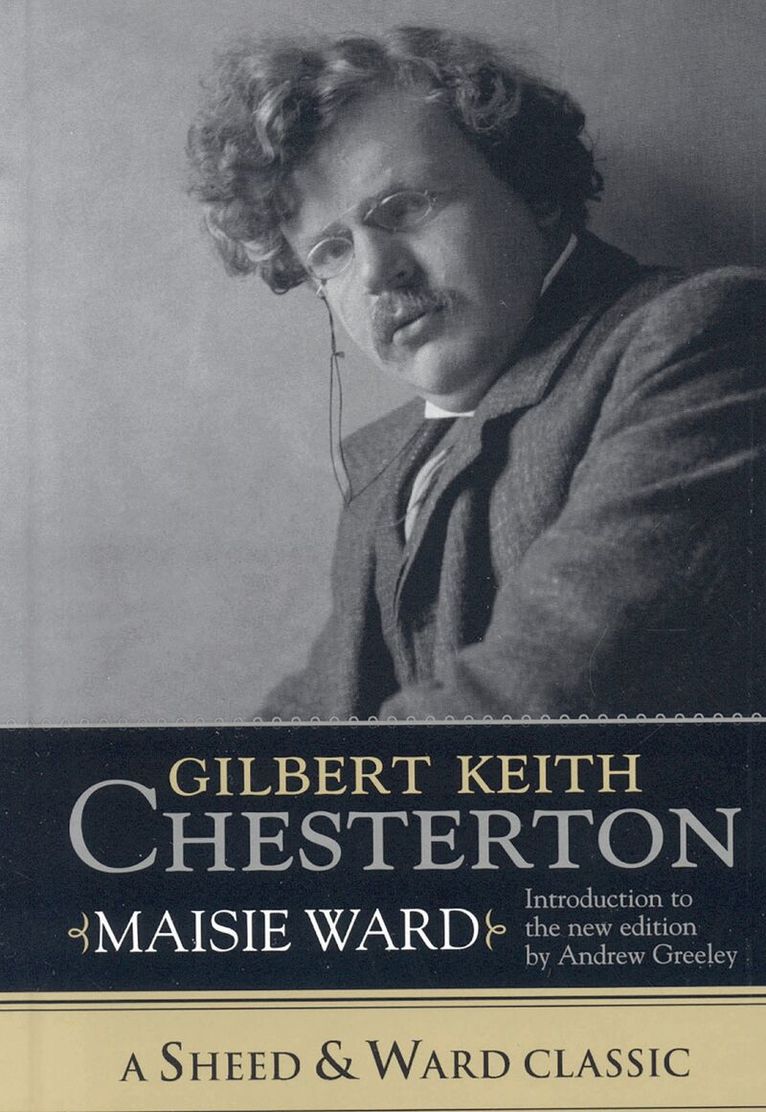
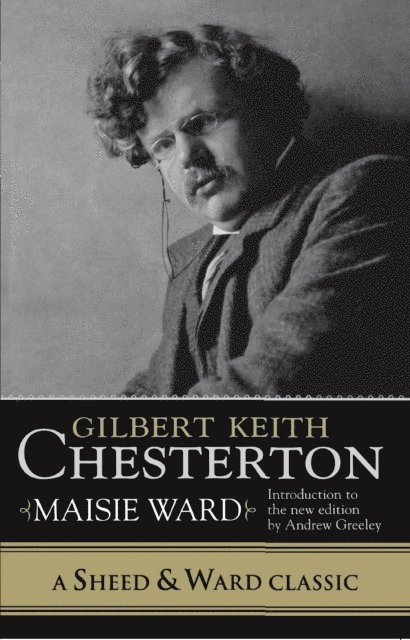
Maisie Ward's biography of Gilbert Keith Chesterton has long been a cornerstone in Chesterton studies, as well as in the publishing house she and her husband, Frank Sheed, founded in 1926. Originally published in 1942, just six years after Chesterton's untimely death, this book combines Ward's unique perspective as the author's friend and publisher with an examination of his personal correspondence and interviews with his closest friends and family. Here are Chesterton's childhood and school days, the friendship and foolery of youth, his early theological development, high spirited love letters, the variety and richness of his travel and life abroad, his lectures, his writings, and his indominable spirit. A Sheed & Ward Classic, this re-release of Ward's definitive biography is sure to delight existing 'Chestertonians' and introduce a new generation to one of Catholicism's brightest lights. From the new introduction by Andrew Greeley: 'This book had a decisive impact on me and on my life when I read it at the age of sixteen—and not merely because my fictional detective Blackie Ryan is an American cousin of GKC's Father Brown. Ms. Ward's biography introduced me not only to a world of literature of which I had been unaware, but to a perspective on literature and life which was enormously attractive because it confirmed many of the insights, instincts, inclinations, biases, and loves which were knocking around in my adolescent skull. I have been a Chestertonian all my life in part because I had been one without knowing it even before I read Ms. Ward's biography.'
996 kr
Skickas inom 5-8 vardagar
Maisie Ward's biography of Gilbert Keith Chesterton has long been a cornerstone in Chesterton studies, as well as in the publishing house she and her husband, Frank Sheed, founded in 1926. Originally published in 1942, just six years after Chesterton's untimely death, this book combines Ward's unique perspective as the author's friend and publisher with an examination of his personal correspondence and interviews with his closest friends and family. Here are Chesterton's childhood and school days, the friendship and foolery of youth, his early theological development, high spirited love letters, the variety and richness of his travel and life abroad, his lectures, his writings, and his indominable spirit. A Sheed & Ward Classic, this re-release of Ward's definitive biography is sure to delight existing 'Chestertonians' and introduce a new generation to one of Catholicism's brightest lights. From the new introduction by Andrew Greeley: 'This book had a decisive impact on me and on my life when I read it at the age of sixteen—and not merely because my fictional detective Blackie Ryan is an American cousin of GKC's Father Brown. Ms. Ward's biography introduced me not only to a world of literature of which I had been unaware, but to a perspective on literature and life which was enormously attractive because it confirmed many of the insights, instincts, inclinations, biases, and loves which were knocking around in my adolescent skull. I have been a Chestertonian all my life in part because I had been one without knowing it even before I read Ms. Ward's biography.'
1 409 kr
Skickas inom 5-8 vardagar
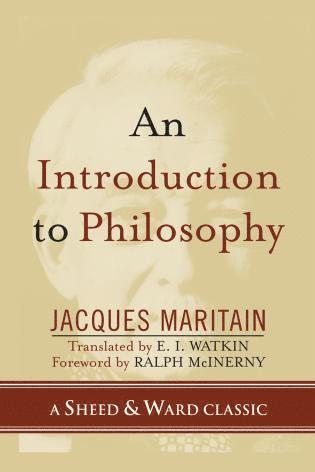
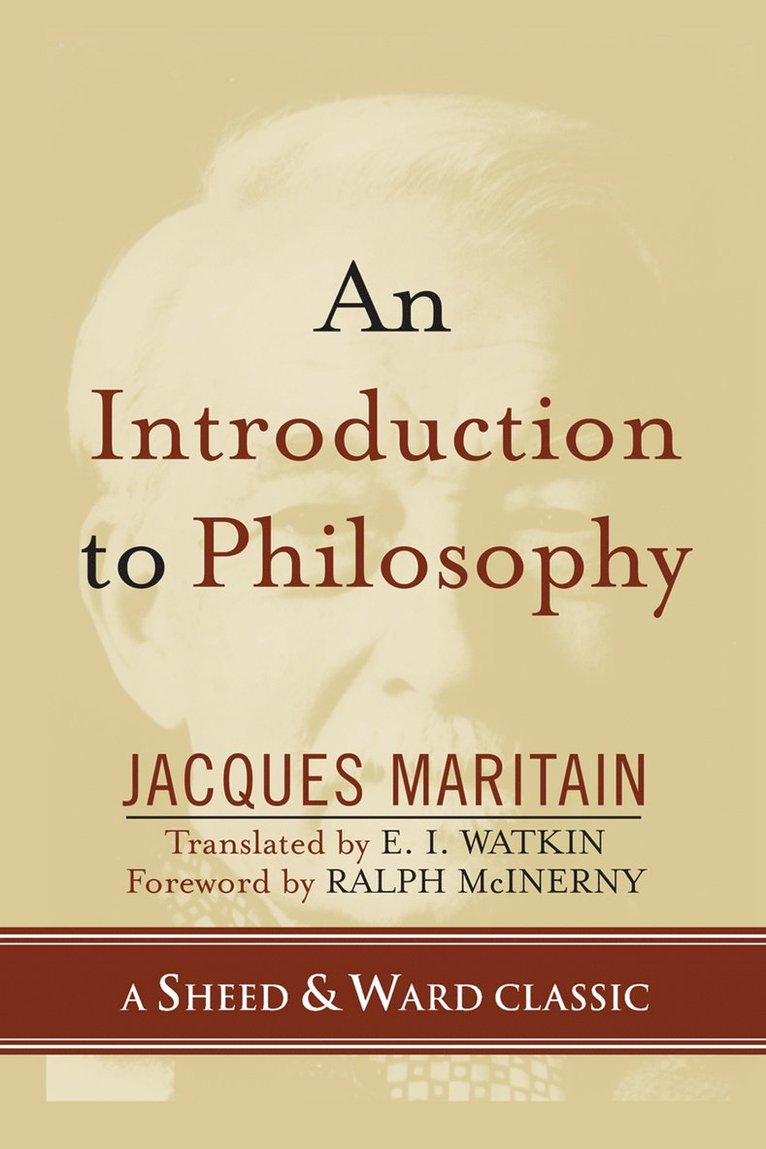
Jacques Maritain's An Introduction to Philosophy was first published in 1931. Since then, this book has stood the test of time as a clear guide to what philosophy is and how to philosophize. Inspired by the Thomistic Revival called for by Leo XIII, Maritain relies heavily on Aristotle and St. Thomas Aquinas to shape a philosophy that, far from sectarian theology in disguise, is driven by reason and engages the modern world. Re-released as part of the Sheed & Ward Classic series, An Introduction to Philosophy is sure to enliven the minds of students and general readers for years to come. From the new introduction by Ralph McInerny: You are about to read a magnificent introduction not only to a kind of philosophy but to philosophizing itself. Jacques Maritain was a relatively young man when he wrote this book, but his effort is one that attracts any philosopher more and more as he grows older. However odd and unusual what he says becomes, the philosopher yearns to show how even the most abstruse claims can be put into relation with what the reader already knows. That, in its essence, is what teaching is. In this book, the reader will find a wise and certain guide into philosophizing as such. And, in the end, he will find that what he reads is really only a refinement and development of what he and everybody else already knew.
488 kr
Skickas inom 10-15 vardagar
Jacques Maritain's An Introduction to Philosophy was first published in 1931. Since then, this book has stood the test of time as a clear guide to what philosophy is and how to philosophize. Inspired by the Thomistic Revival called for by Leo XIII, Maritain relies heavily on Aristotle and St. Thomas Aquinas to shape a philosophy that, far from sectarian theology in disguise, is driven by reason and engages the modern world. Re-released as part of the Sheed & Ward Classic series, An Introduction to Philosophy is sure to enliven the minds of students and general readers for years to come. From the new introduction by Ralph McInerny: You are about to read a magnificent introduction not only to a kind of philosophy but to philosophizing itself. Jacques Maritain was a relatively young man when he wrote this book, but his effort is one that attracts any philosopher more and more as he grows older. However odd and unusual what he says becomes, the philosopher yearns to show how even the most abstruse claims can be put into relation with what the reader already knows. That, in its essence, is what teaching is. In this book, the reader will find a wise and certain guide into philosophizing as such. And, in the end, he will find that what he reads is really only a refinement and development of what he and everybody else already knew.