Social and Cultural History Today – serie
Visar alla böcker i serien Social and Cultural History Today. Handla med fri frakt och snabb leverans.
8 produkter
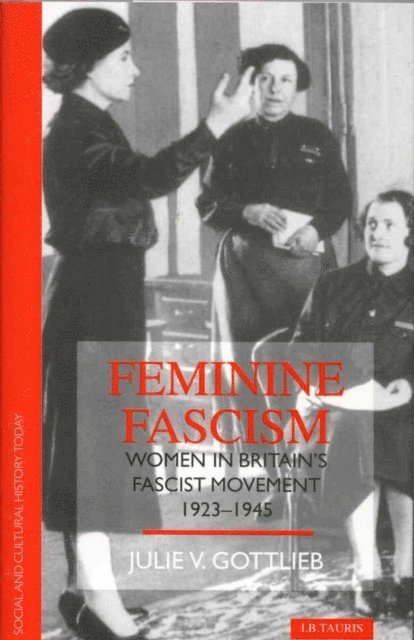
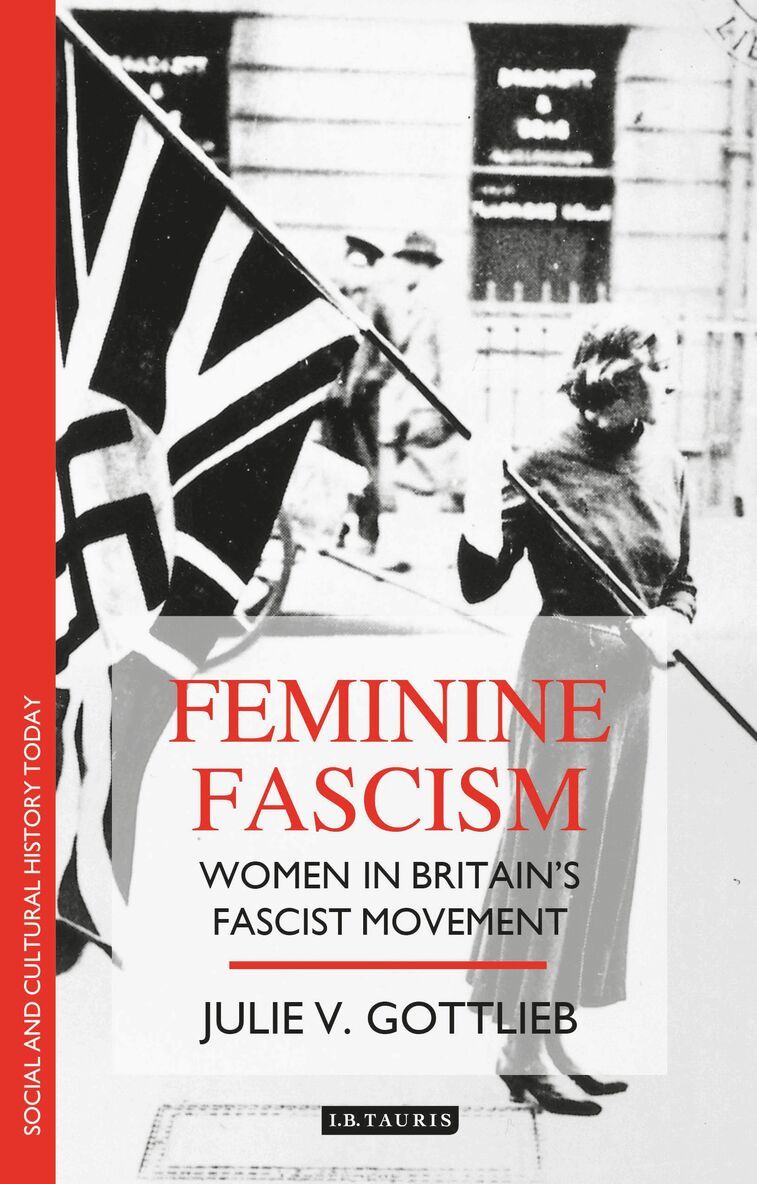
Feminine Fascism
Women in Britain's Fascist Movement
E-bok, 2000
435 kr
Lägg i varukorg
How far did women support Oswald Mosley's Black Shirts? This important reference work fills a significant gap in the historiography of British fascism, which has generally overlooked the contribution of the women's movement to Britain's fascist experience. Looking at female fascist activism and the …
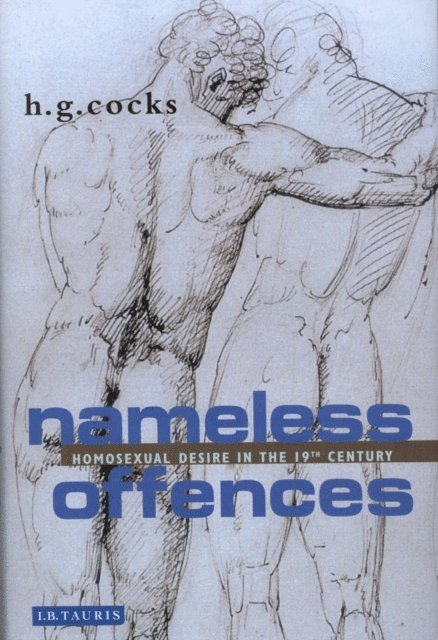
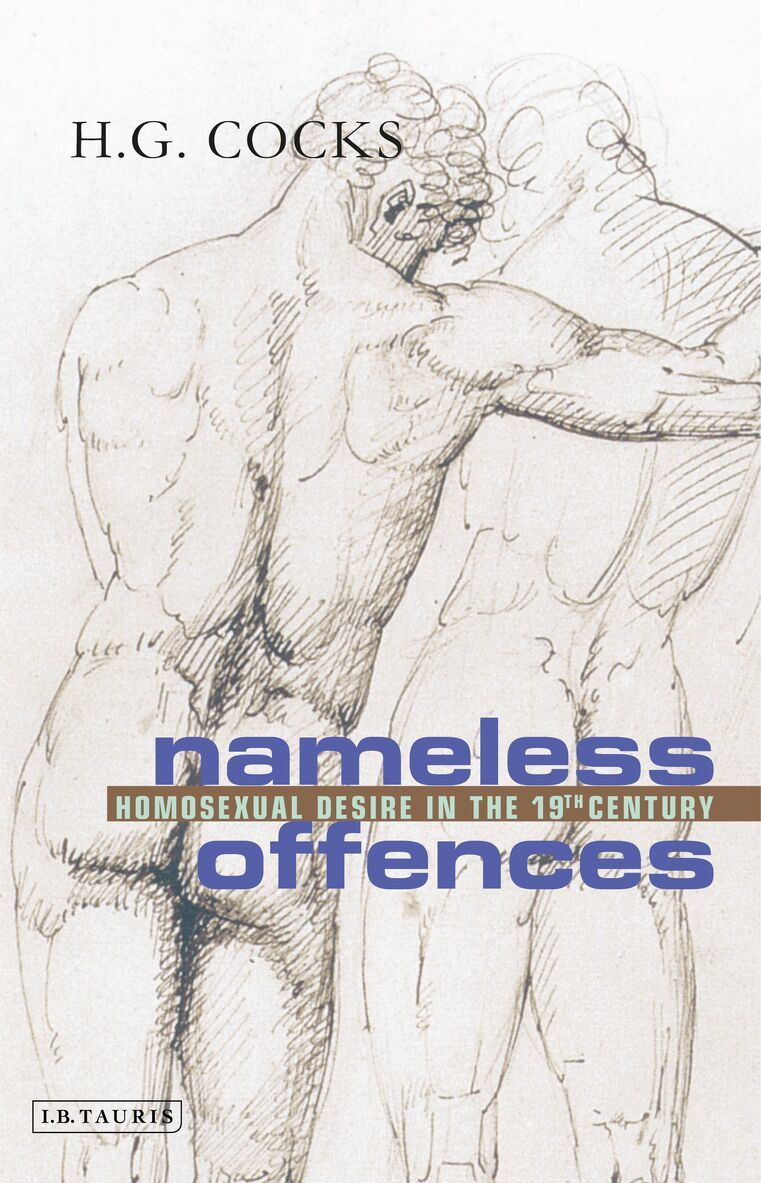
Nameless Offences
Homosexual Desire in the 19th Century
Av H. G. Cocks
E-bok, 2003
424 kr
Lägg i varukorg
What did the Victorians know about desire between men? Was it really 'the love that dare not speak its name'? Nameless Offences argues that even before Oscar Wilde and the rise of sexual science there was an open, public and concerted discussion of same-sex desire that went to the heart of …
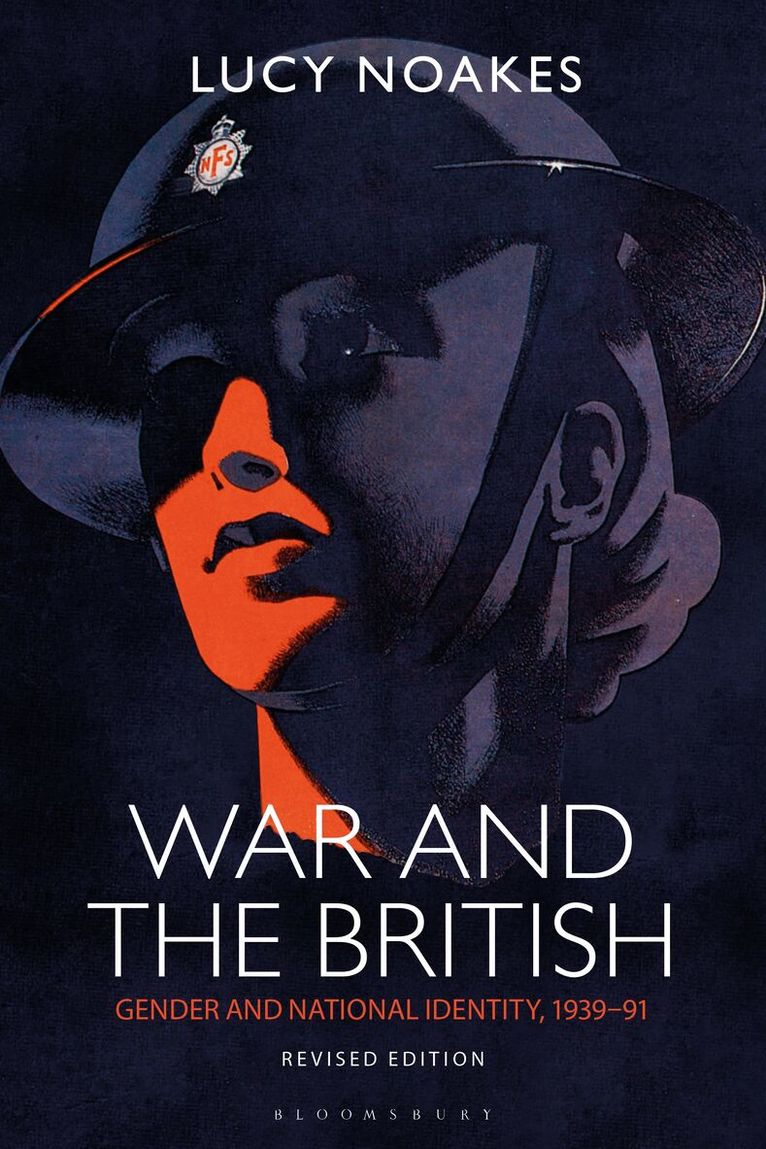
War and the British
Gender and National Identity, 1939-91 Revised Edition
Av Lucy Noakes
Häftad, 2023
384 kr
Lägg i varukorg
We know that conflict, and people's memory of it, profoundly shapes both individual selfhoods and social identities. War and the British explores key ideas of British collective nationhood and personal identity, and in particular shines an important spotlight on the impact of gender on Britain's …
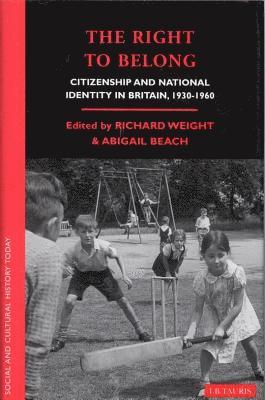
Right to Belong
Citizenship and National Identity in Britain 1930-1960
Av Richard Weight, Abigail Beach
Häftad, 2017
558 kr
Lägg i varukorg
The period 1940-1960 was a time of considerable change in British society. It saw the emergence of mass democracy, a world war and then unprecedented affluence. Change brought uncertainty among Britain s elites, which in turn encouraged them to reflect more acutely on the direction the nation was …
Nameless Offences
Homosexual Desire in the 19th Century
Av H. G. Cocks
Häftad, 2009
399 kr
Lägg i varukorg
What did the Victorians know about desire between men? Was it really 'the love that dare not speak its name'? "Nameless Offences" argues that even before Oscar Wilde and the rise of sexual science there was an open, public and concerted discussion of same-sex desire that went to the heart of …
Right to Belong
Citizenship and National Identity in Britain, 1930-60
Av Richard Weight, Abigail Beach
Inbunden, 1983
2365 kr
Lägg i varukorg
The period 1940-1960 was a time of considerable change in British society. It saw the emergence of mass democracy, a world war and then unprecedented affluence. Change brought uncertainty among Britain's elites, which in turn encouraged them to reflect more acutely on the direction the nation was …
War and the British
Gender and National Identity, 1939-91
Av Lucy Noakes
Inbunden, 1997
1893 kr
Lägg i varukorg
Popular memory of World War II was the dominant factor contributing to a sense of national identity in the Falklands War of 1982 and the Gulf War of 1991. This text looks at public and private ideas of national identity, how they were arrived at and the extent to which they were shaped by gender. …
Feminine Fascism
Women in Britain's Fascist Movement
Häftad, 2003
413 kr
Lägg i varukorg
How far did women support Oswald Mosley's Black Shirts? This reference aims to fill a significant gap in the historiography of British fascism, which has generally overlooked the contribution of the women's movement to Britain's fascist experience. Looking at female fascist activism and the …