South on Screen - Böcker
Visar alla böcker i serien South on Screen. Handla med fri frakt och snabb leverans.
7 produkter
7 produkter
1 356 kr
Skickas inom 5-8 vardagar
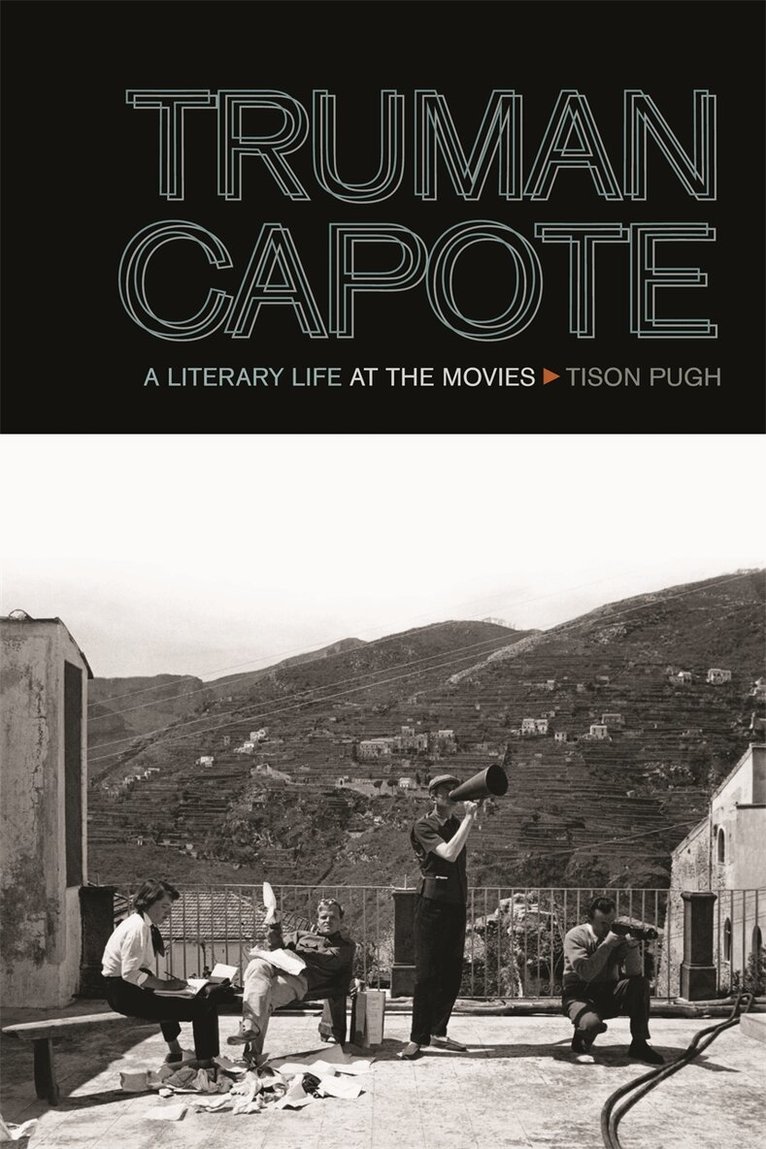
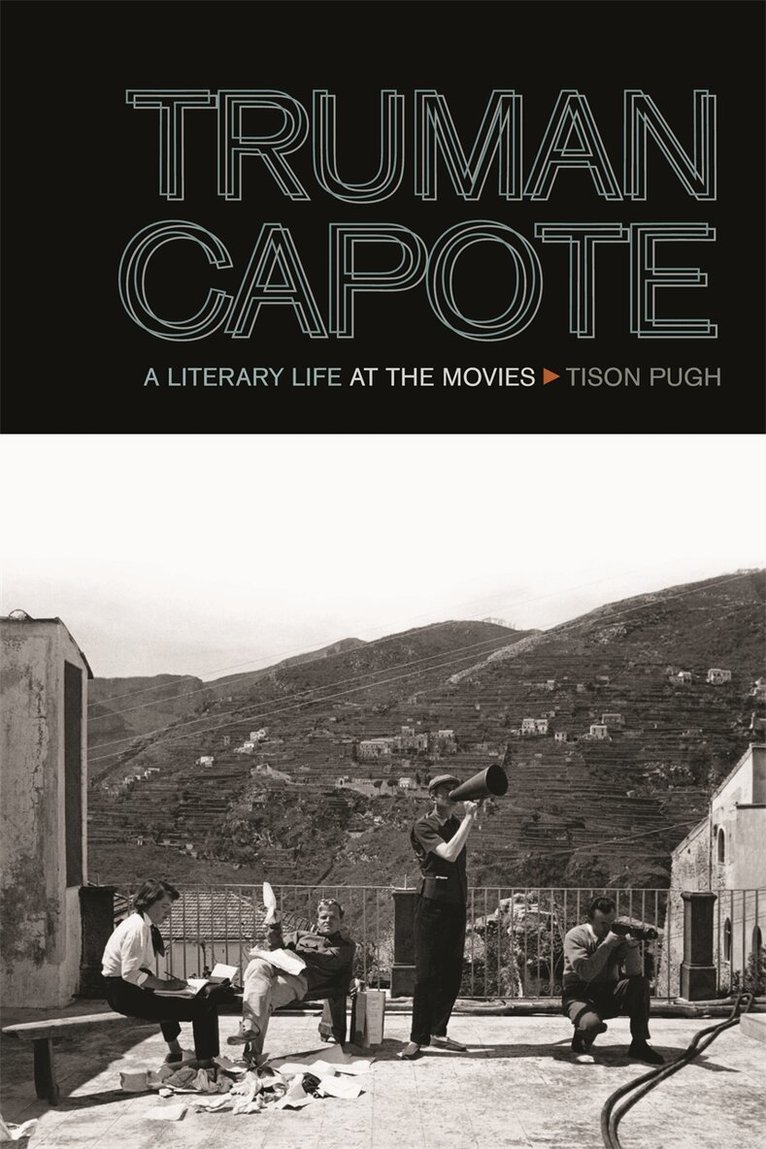
Truman Capote once remarked, “My primary thing is that I’m a prose writer. I don’t think film is the greatest living thing”; nonetheless, his legacy is in many ways defined by his complex relationship with cinema, Hollywood, and celebrity itself. In Truman Capote: A Literary Life at the Movies, Tison Pugh explores the author and his literature through a cinematic lens, skillfully weaving the most relevant elements of Capote’s biography— including his highly flamboyant public persona and his friendships and feuds with notable stars—with insightful critical analysis of the films, screenplays, and adaptations of his works that composed his fraught relationship with the Hollywood machine.Capote’s masterful short stories and novels ensure his status as an iconic author of the twentieth century, and his screenplays, including Beat the Devil, Indiscretion of an American Wife, and The Innocents, allowed him to collaborate with such Hollywood heavyweights as Humphrey Bogart, John Huston, and David O. Selznick. Throughout his professional life he circulated freely in a celebrity milieu populated by such notables as Marlon Brando, Elizabeth Taylor, and Marilyn Monroe. Cinematic adaptations of his literature, most notably Breakfast at Tiffany’s and In Cold Blood, play with or otherwise alter Capote’s queer literary themes, often bleaching his daring treatment of homosexuality in favor of heterosexual romance.Truman Capote: A Literary Life at the Movies reveals Capote’s literary works to be not merely coincident to film but integral to their mutual creation, paying keen attention to the ways in which Capote’s identity as a gay southerner influenced his and others’ perceptions of his literature and its adaptations. Pugh’s research illuminates Capote’s personal and professional successes and disappointments in the film industry, helping to create a more nuanced portrait of the author and bringing fresh details to light.
909 kr
Skickas inom 3-6 vardagar
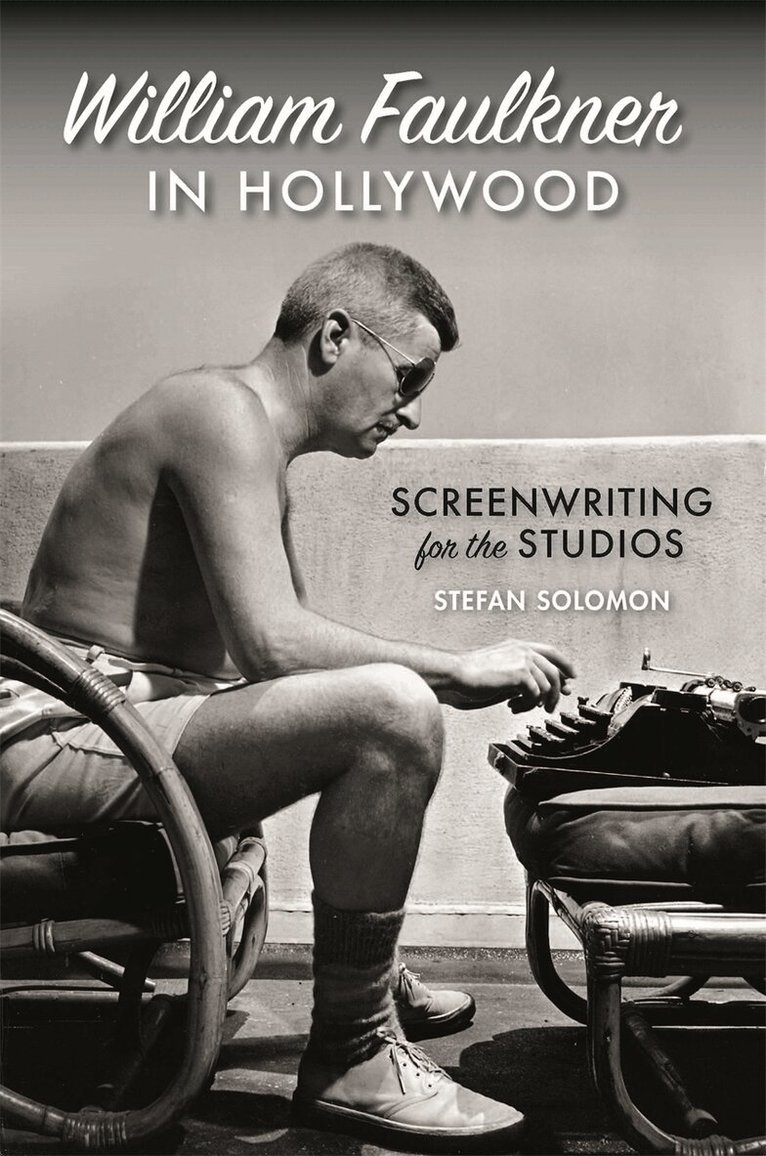
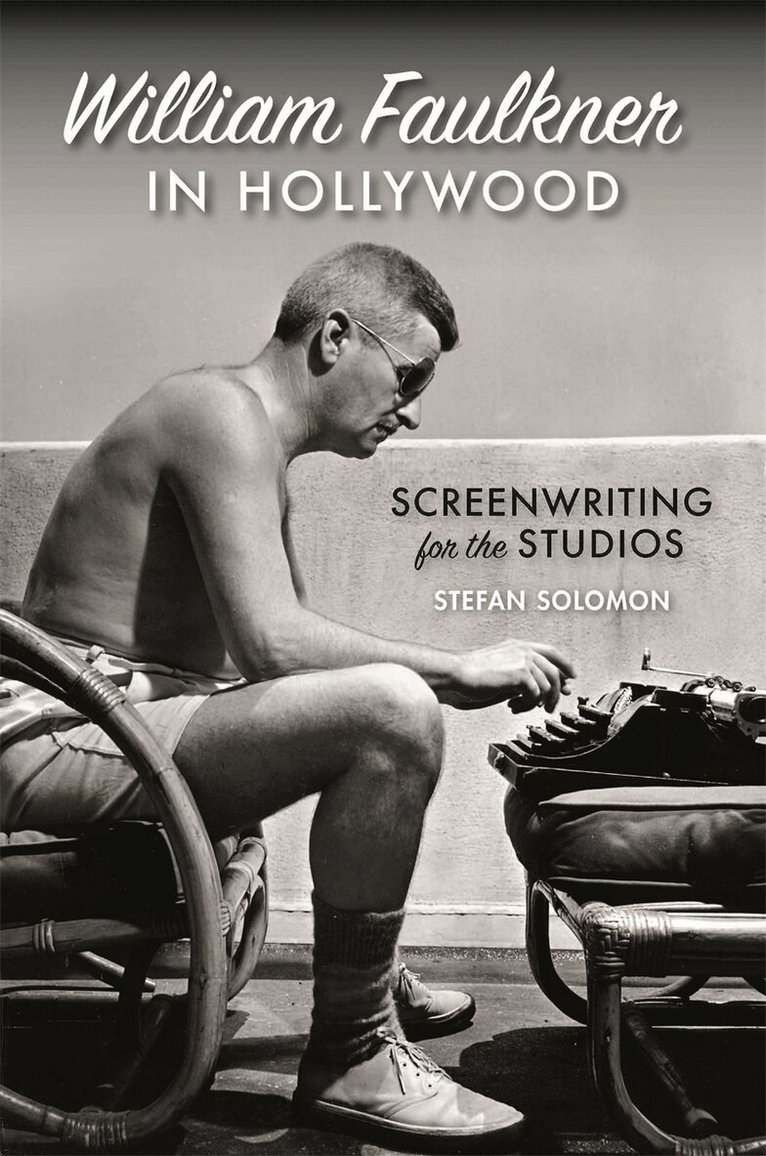
During more than two decades (1932–1954), William Faulkner worked on approximately fifty screenplays for studios, including MGM, 20th Century–Fox, and Warner Bros., and was credited on such classic films as The Big Sleep and To Have and Have Not. The scripts that Faulkner wrote for film—and, later on, television—constitute an extensive and, until now, thoroughly underexplored archival source. Stefan Solomon not only analyzes the majority of these scripts but compares them to the novels and short stories Faulkner was writing at the same time. Solomon’s aim is to reconcile two aspects of a career that were not as distinct as they first might seem: Faulkner as a screenwriter and Faulkner as a high modernist, Nobel Prize–winning author.Faulkner’s Hollywood sojourns took place during a period roughly bounded by the publication of Light in August (1932) and A Fable (1954) and that also saw the publication of Absalom, Absalom!; Go Down, Moses; and Intruder in the Dust. As Solomon shows Faulkner attuning himself to the idiosyncrasies of the screenwriting process (a craft he never favored or admired), he offers insights into Faulkner’s compositional practice, thematic preoccupations, and understanding of both classic cinema and the emerging medium of television. In the midst of this complex exchange of media and genres, much of Faulkner’s fiction of the 1930s and 1940s was directly influenced by his protracted engagement with the film industry.Solomon helps us to see a corpus integrating two vastly different modes of writing and a restless author, sensitive to the different demands of each. Faulkner was never simply the southern novelist or the West Coast “hack writer” but always both at once. Solomon’s study shows that Faulkner’s screenplays are crucial in any consideration of his far more esteemed fiction—and that the two forms of writing are more porous and intertwined than the author himself would have us believe. Here is a major American writer seen in a remarkably new way.
1 579 kr
Skickas inom 5-8 vardagar
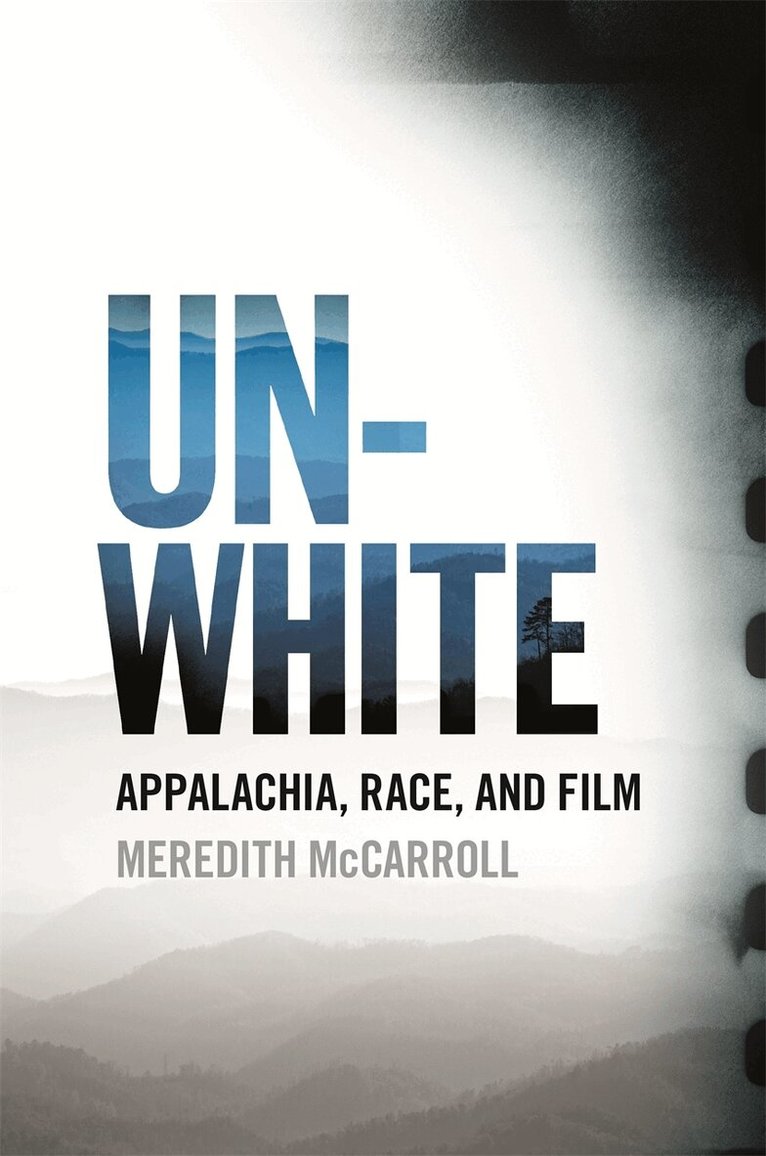
Appalachia resides in the American imagination at the intersections of race and class in a very particular way, in the tension between deep historic investments in seeing the region as “pure white stock” and as deeply impoverished and backward. Meredith McCarroll’s Unwhite analyzes the fraught location of Appalachians within the southern and American imaginaries, building on studies of race in literary and cinematic characterizations of the American South. Not only do we know what “rednecks” and “white trash” are, McCarroll argues, we rely on the continued use of such categories in fashioning our broader sense of self and other. Further, we continue to depend upon the existence of the region of Appalachia as a cultural construct. As a consequence, Appalachia has long been represented in the collective cultural history as the lowest, the poorest, the most ignorant, and the most laughable community. McCarroll complicates this understanding by asserting that white privilege remains intact while Appalachia is othered through reliance on recognizable nonwhite cinematic stereotypes.Unwhite demonstrates how typical characterizations of Appalachian people serve as foils to set off and define the “whiteness” of the non-Appalachian southerners. In this dynamic, Appalachian characters become the racial other. Analyzing the representation of the people of Appalachia in films such as Deliverance, Cold Mountain, Medium Cool, Norma Rae, Cape Fear, The Killing Season, and Winter’s Bone through the critical lens of race and specifically whiteness, McCarroll offers a reshaping of the understanding of the relationship between racial and regional identities.
487 kr
Skickas inom 5-8 vardagar
Appalachia resides in the American imagination at the intersections of race and class in a very particular way, in the tension between deep historic investments in seeing the region as “pure white stock” and as deeply impoverished and backward. Meredith McCarroll’s Unwhite analyzes the fraught location of Appalachians within the southern and American imaginaries, building on studies of race in literary and cinematic characterizations of the American South. Not only do we know what “rednecks” and “white trash” are, McCarroll argues, we rely on the continued use of such categories in fashioning our broader sense of self and other. Further, we continue to depend upon the existence of the region of Appalachia as a cultural construct. As a consequence, Appalachia has long been represented in the collective cultural history as the lowest, the poorest, the most ignorant, and the most laughable community. McCarroll complicates this understanding by asserting that white privilege remains intact while Appalachia is othered through reliance on recognizable nonwhite cinematic stereotypes.Unwhite demonstrates how typical characterizations of Appalachian people serve as foils to set off and define the “whiteness” of the non-Appalachian southerners. In this dynamic, Appalachian characters become the racial other. Analyzing the representation of the people of Appalachia in films such as Deliverance, Cold Mountain, Medium Cool, Norma Rae, Cape Fear, The Killing Season, and Winter’s Bone through the critical lens of race and specifically whiteness, McCarroll offers a reshaping of the understanding of the relationship between racial and regional identities.
1 941 kr
Skickas inom 3-6 vardagar
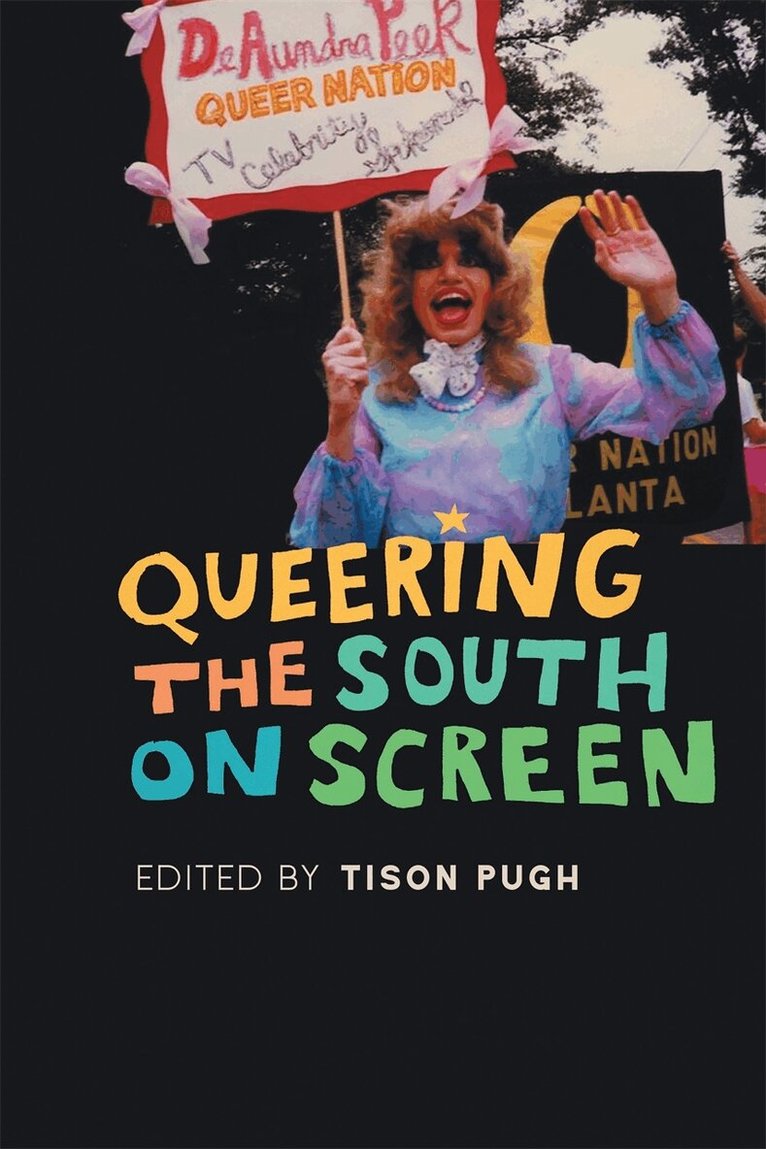
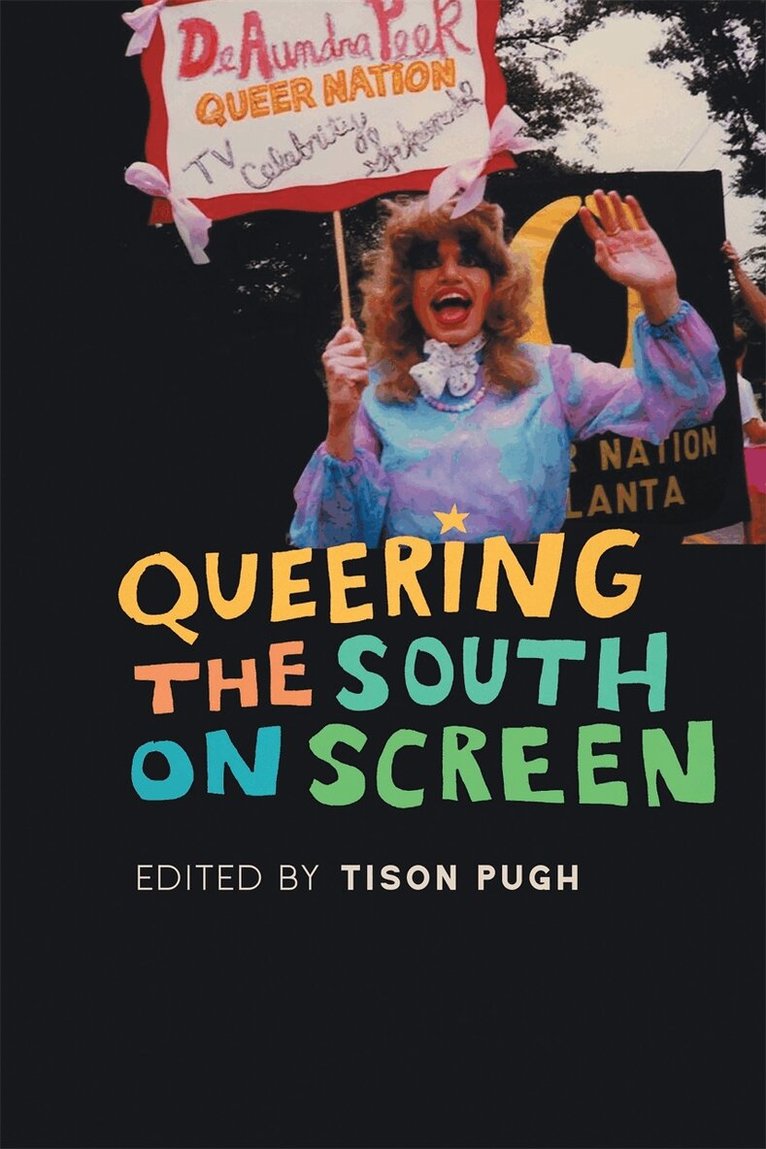
Within the realm of American culture and its construction of its citizenry, geography, and ideology, who are southerners and who are queers, and what is the South and what is queerness? Queering the South on Screen addresses these questions by examining the intersections of queerness, regionalism, and identity depicted in film, television, and other visual media about the South during the twentieth and twenty-first centuries.Southern queers on screen often reflect the fantasy of cultural stereotypes. Editor Tison Pugh contends that when southern queers appear in films and on television, and when southern queers watch these portrayals, the inherent contradictions of these cultural depictions reveal the fault lines of gender, geography, and desire. These underlying schisms point to the infinite, if infrequently portrayed, possibilities of actual queer southern life.Examining a range of materials, including gothic horror films and drag queens on public-access television, the contributors show that queer southerners have always expressed desires for distinctiveness in the making and consumption of visual media. Read together, the introduction and twelve chapters deconstruct premeditated labels of identity such as queer and southern. In doing so, they expose the reflexive nature of these labels to construct ideological fantasies of southerners regardless of the complexity of their lives.
675 kr
Skickas inom 7-10 vardagar
Within the realm of American culture and its construction of its citizenry, geography, and ideology, who are southerners and who are queers, and what is the South and what is queerness? Queering the South on Screen addresses these questions by examining the intersections of queerness, regionalism, and identity depicted in film, television, and other visual media about the South during the twentieth and twenty-first centuries.Southern queers on screen often reflect the fantasy of cultural stereotypes. Editor Tison Pugh contends that when southern queers appear in films and on television, and when southern queers watch these portrayals, the inherent contradictions of these cultural depictions reveal the fault lines of gender, geography, and desire. These underlying schisms point to the infinite, if infrequently portrayed, possibilities of actual queer southern life.Examining a range of materials, including gothic horror films and drag queens on public-access television, the contributors show that queer southerners have always expressed desires for distinctiveness in the making and consumption of visual media. Read together, the introduction and twelve chapters deconstruct premeditated labels of identity such as queer and southern. In doing so, they expose the reflexive nature of these labels to construct ideological fantasies of southerners regardless of the complexity of their lives.
652 kr
Skickas inom 3-6 vardagar
During more than two decades (1932–1954), William Faulkner worked on approximately fifty screenplays for studios, including MGM, 20th Century–Fox, and Warner Bros., and was credited on such classic films as The Big Sleep and To Have and Have Not. The scripts that Faulkner wrote for film—and, later on, television—constitute an extensive and, until now, thoroughly underexplored archival source. Stefan Solomon not only analyzes the majority of these scripts but compares them to the novels and short stories Faulkner was writing at the same time. Solomon’s aim is to reconcile two aspects of a career that were not as distinct as they first might seem: Faulkner as a screenwriter and Faulkner as a high modernist, Nobel Prize–winning author.Faulkner’s Hollywood sojourns took place during a period roughly bounded by the publication of Light in August (1932) and A Fable (1954) and that also saw the publication of Absalom, Absalom!; Go Down, Moses; and Intruder in the Dust. As Solomon shows Faulkner attuning himself to the idiosyncrasies of the screenwriting process (a craft he never favored or admired), he offers insights into Faulkner’s compositional practice, thematic preoccupations, and understanding of both classic cinema and the emerging medium of television. In the midst of this complex exchange of media and genres, much of Faulkner’s fiction of the 1930s and 1940s was directly influenced by his protracted engagement with the film industry.Solomon helps us to see a corpus integrating two vastly different modes of writing and a restless author, sensitive to the different demands of each. Faulkner was never simply the southern novelist or the West Coast “hack writer” but always both at once. Solomon’s study shows that Faulkner’s screenplays are crucial in any consideration of his far more esteemed fiction—and that the two forms of writing are more porous and intertwined than the author himself would have us believe. Here is a major American writer seen in a remarkably new way.