
Studies in the History and Culture of the Persianate World of The British Institute of Persian Studies – serie
Visar alla böcker i serien Studies in the History and Culture of the Persianate World of The British Institute of Persian Studies. Handla med fri frakt och snabb leverans.
3 produkter
3 produkter
Inbunden, Engelska, 2018
541 kr
Skickas inom 7-10 vardagar
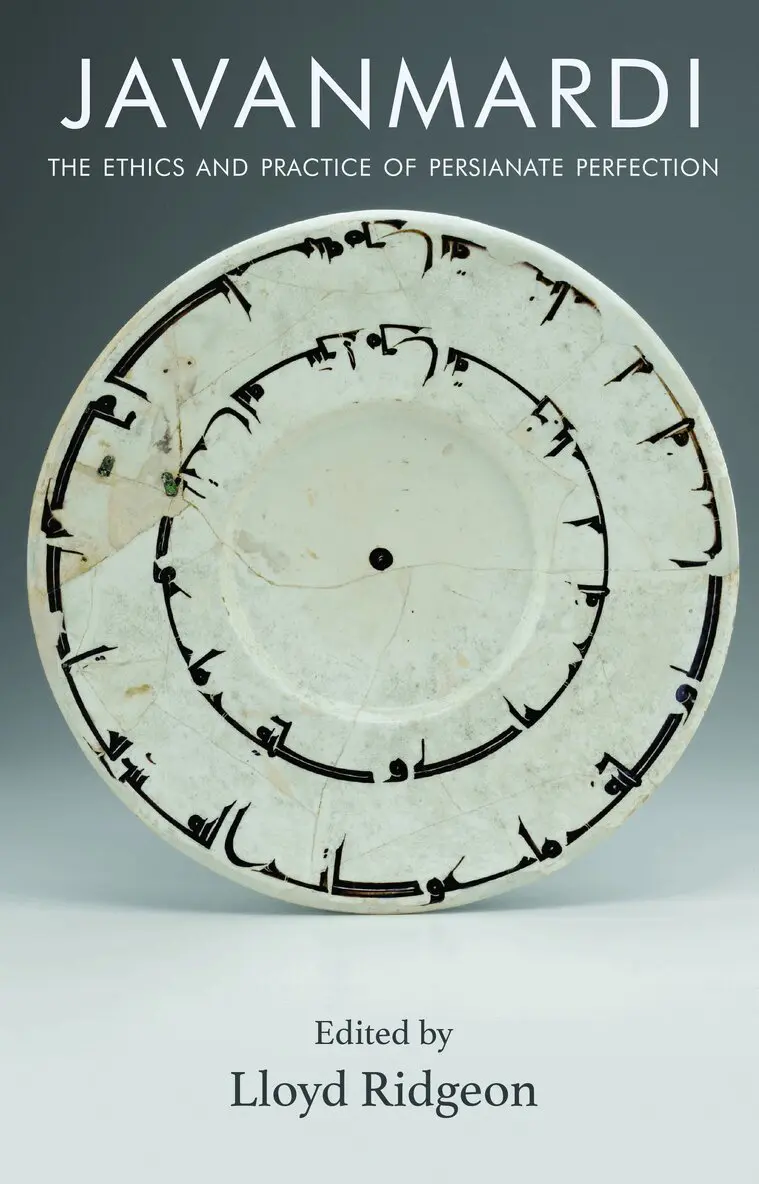
Javanmardi is one of those Persian terms that is heard frequently in discussions associated with Persian identity, and yet its precise meaning, conveying all the nuances inherent within it, is so difficult to comprehend. A number of equivalents have been offered, including chivalry and manliness, and while these terms are not incorrect, javanmardi transcends them. The concept encompasses character traits of generosity, selflessness, hospitality, bravery, courage, honesty, truthfulness and justice - and yet there are occasions when the exact opposite of these is required for one to be a javanmard. At times it would seem that being a javanmard is about knowing and doing the right thing, although this is not an adequate definition at all.The present collection is the product of a three-year project, financed by the British Institute of Persian Studies on the theme of `Javanmardi in the Persianate world'. The articles in this volume represent the sheer range, influence and importance that the concept has had in contributing and creating Persianate identities over the past one hundred and fifty years. A conscious decision was taken to make the contributions as wide-ranging as possible. Rather than focus, for example, on medieval Sufi manifestations of javanmardi, both medieval and modern studies were encouraged, as were literary, artistic, archaeological and sociological studies among others. The opening essays examine the concept's origin in medieval history and legends throughout a geographical background that spans from modern Iran to Turkey, Armenia and Bosnia, among both Muslim and Christian communities. Subsequent articles explore modern implications of javanmardi within such contexts as sportsmanship, political heroism, gender fluidity, cinematic representations and the advent of digitalisation.
Inbunden, Engelska, 2018
681 kr
Skickas inom 7-10 vardagar
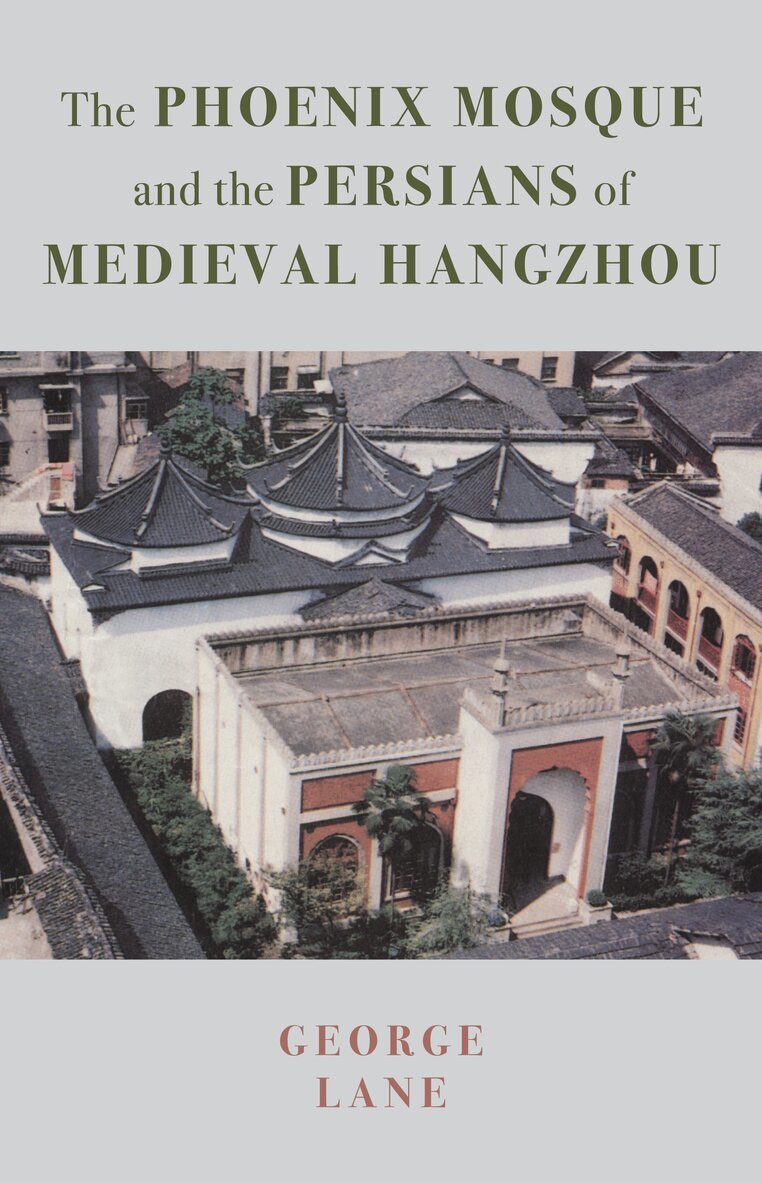
In the early 1250s Mongke Khan, grandson and successor of the mighty Mongol emperor, Genghis Khan, sent out his youngerbrothers Qubilai and Hulegu to consolidate his grip on power. Hulegu was welcomed into Iran while his older brother, Qubilai, continued to erode the power of the Song emperors of southern China. In 1276 he finally forced their submission and peacefully occupied their capital, Hangzhou. The city enjoyed a revival as the cultural capital of a united China and was soon filled with traders, adventurers, artists, entrepreneurs, and artisans from throughout the great Mongol Empire includinga prosperous, influential and seemingly welcome community of Persians. In 1281, one of their number, Al al-Din, built thePhoenix Mosque in the heart of the city where it still stands today. This study of the mosque and the Ju-jing Yuan cemetery,today as a lake-side public park, casts light on an important and transformative period in Chinese history, and perhaps themost important period in Chinese Islamic history. The book is published in the Persian Studies Series of the British Instituteof Persian Studies.
Inbunden, Engelska, 2022
685 kr
Tillfälligt slut
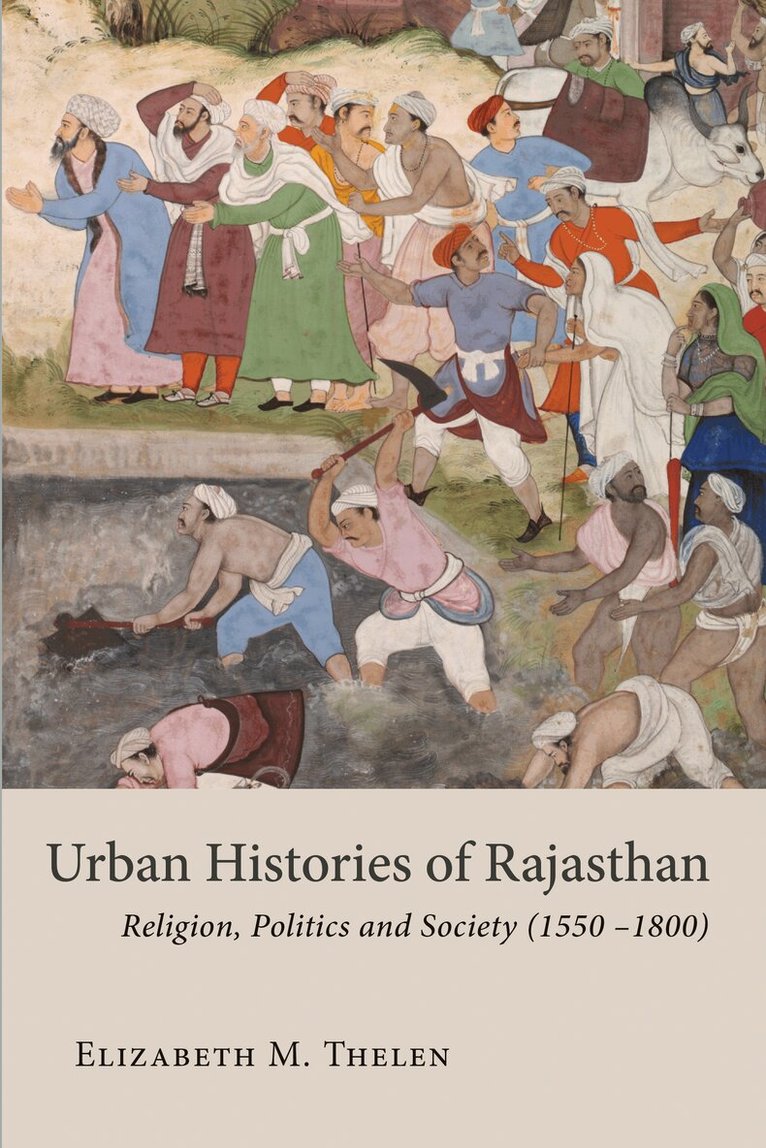
Descriptions in literature of premodern Indian cities have included a diversity of peoples found in the streets and markets, evoking a sense of wealth and abundance, and connection to regional and global networks of trade and production. But they also raise questions on how the residents lived together and negotiated their differences: which differences mattered, when and to whom? How did state actions and policies affect urban society and the lives of various communities? How and why did conflict occur in urban spaces? In considering these questions, this book explores the histories of urban communities in the three cities of Ajmer, Nagaur and Pushkar in Rajasthan, between the sixteenth and eighteenth centuries. The focus of this study is on everyday life and contextualising religious practices and conflicts by considering patterns of patronage and looking at conflict more broadly within society. Various archival documents are examined, from family and institutional records to state registers, and the findings demonstrate the complex and sometimes contradictory ways religion intersected with the political, economic and social realms. Negotiations and shared norms meant that many patronage patterns and processes persisted, albeit in altered forms, and it was the robustness of these structures that contributed to the resilience of urban spaces and society in precolonial Rajasthan.