Studies of the Harriman Institute – serie
Visar alla böcker i serien Studies of the Harriman Institute. Handla med fri frakt och snabb leverans.
8 produkter
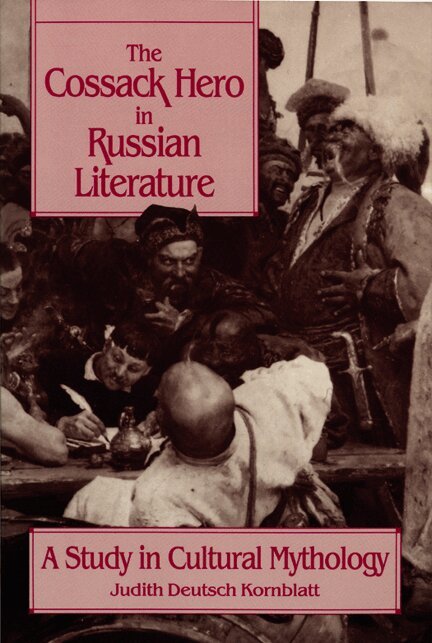
Cossack Hero in Russian Literature
A Study in Cultural Mythology
Häftad, 1992
249 kr
Lägg i varukorg
The Cossack Hero in Russian Literature studies the development of the Cossack hero and identifies him as part of Russian cultural mythology. Judith Kornblatt explores the power of the myth as a literary image, providing new and challenging readings of 19th- and 20th-century works by Pushkin, Gogol, …
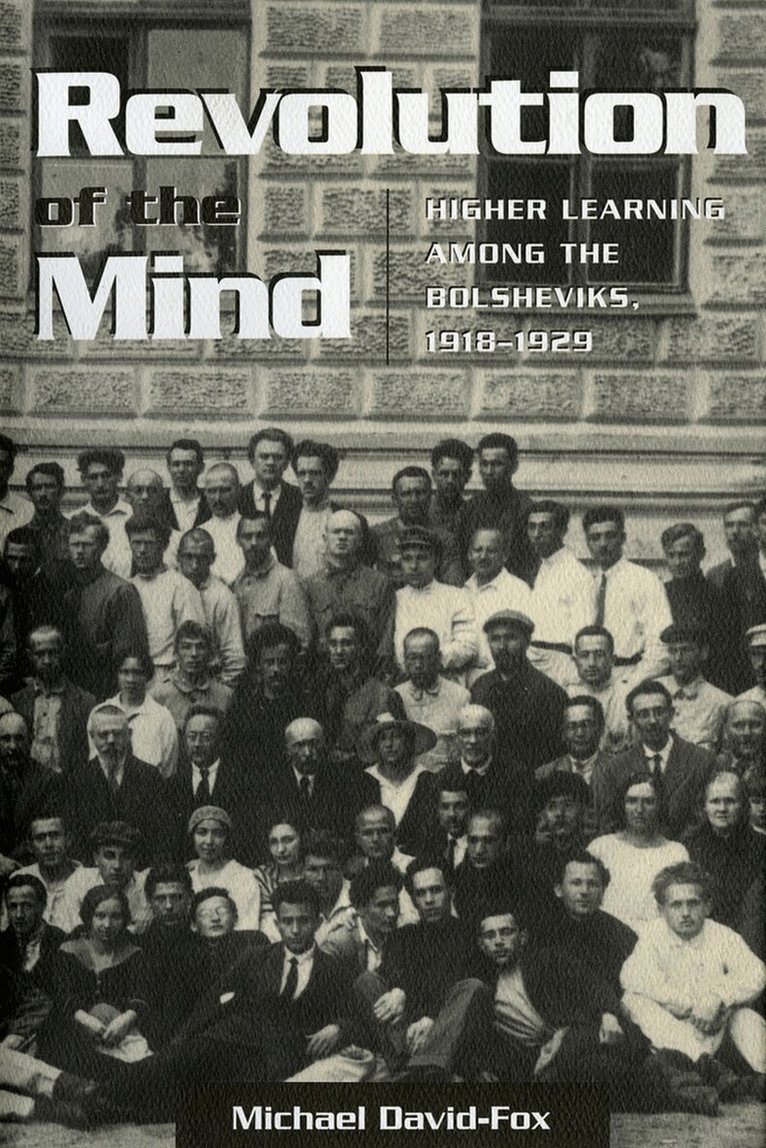
Revolution of the Mind
Higher Learning Among the Bolsheviks, 1918–1929
Inbunden, 1997
737 kr
Lägg i varukorg
Using archival materials never previously accessible to Western scholars, Michael David-Fox analyzes Bolshevik Party educational and research initiatives in higher learning after 1917. His fresh consideration of the era of the New Economic Policy and cultural politics after the Revolution explains …
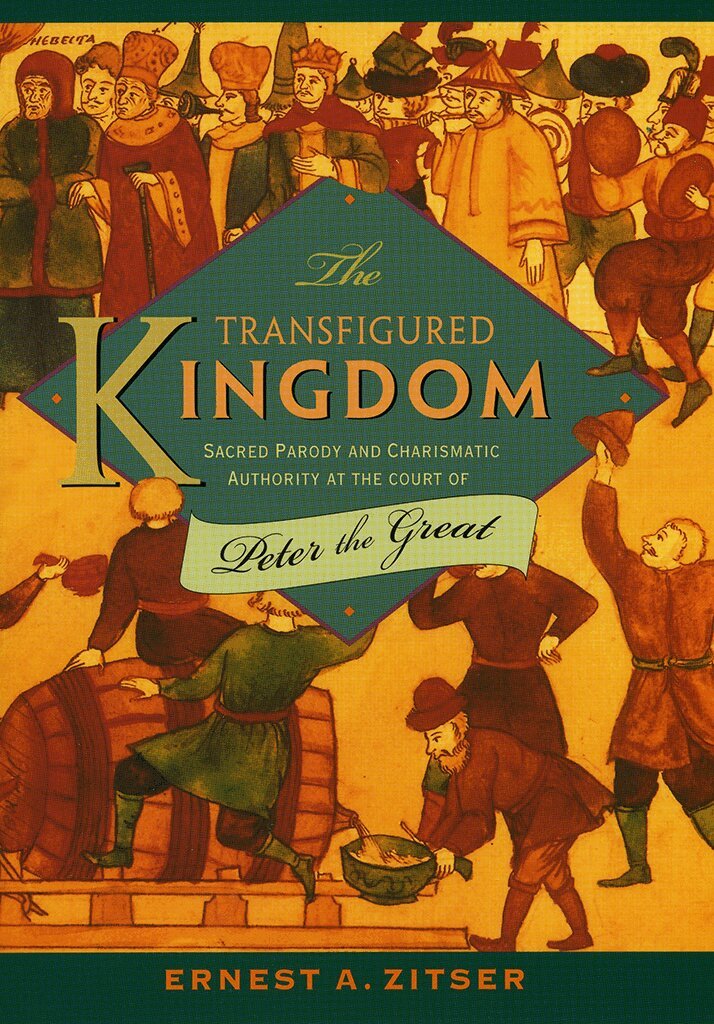
Transfigured Kingdom
Sacred Parody and Charismatic Authority at the Court of Peter the Great
Inbunden, 2004
868 kr
Lägg i varukorg
In this richly comparative analysis of late Muscovite and early Imperial court culture, Ernest A. Zitser provides a corrective to the secular bias of the scholarly literature about the reforms of Peter the Great. Zitser demonstrates that the tsar's supposedly "secularizing" reforms rested on a …
Exploring Gogol
Inbunden, 1995
1308 kr
Lägg i varukorg
For the past 150 years, critics have referred to 'the Gogol problem', by which they mean their inability to account for a life and work that are puzzling, often opaque, yet have proved consistently fascinating to generations of readers. This book proceeds on the assumption that Gogol's life and …
Exploring Gogol
E-bok, 1996
478 kr
Lägg i varukorg
For the past 150 years, critics have referred to 'the Gogol problem', by which they mean their inability to account for a life and work that are puzzling, often opaque, yet have proved consistently fascinating to generations of readers. This book proceeds on the assumption that Gogol's life and …
Revolution of the Mind
Higher Learning Among the Bolsheviks, 1918–1929
Häftad, 2016
284 kr
Lägg i varukorg
Using archival materials never previously accessible to Western scholars, Michael David-Fox analyzes Bolshevik Party educational and research initiatives in higher learning after 1917. His fresh consideration of the era of the New Economic Policy and cultural politics after the Revolution explains …
Cossack Hero in Russian Literature
A Study in Cultural Mythology
Inbunden, 1992
523 kr
Tillfälligt slut
The Cossack Hero in Russian Literature studies the development of the Cossack hero and identifies him as part of Russian cultural mythology. Judith Kornblatt explores the power of the myth as a literary image, providing new and challenging readings of 19th- and 20th-century works by Pushkin, Gogol, …
Genesis of the Brothers Karamazov
The Aesthetics, Ideology, and Psychology of Text Making
Inbunden, 1990
1557 kr
Tillfälligt slut