Studies on Personalities of the New Testament - Böcker
Visar alla böcker i serien . Handla med fri frakt och snabb leverans.
4 produkter
4 produkter
417 kr
Skickas inom 5-8 vardagar
685 kr
Skickas inom 11-20 vardagar
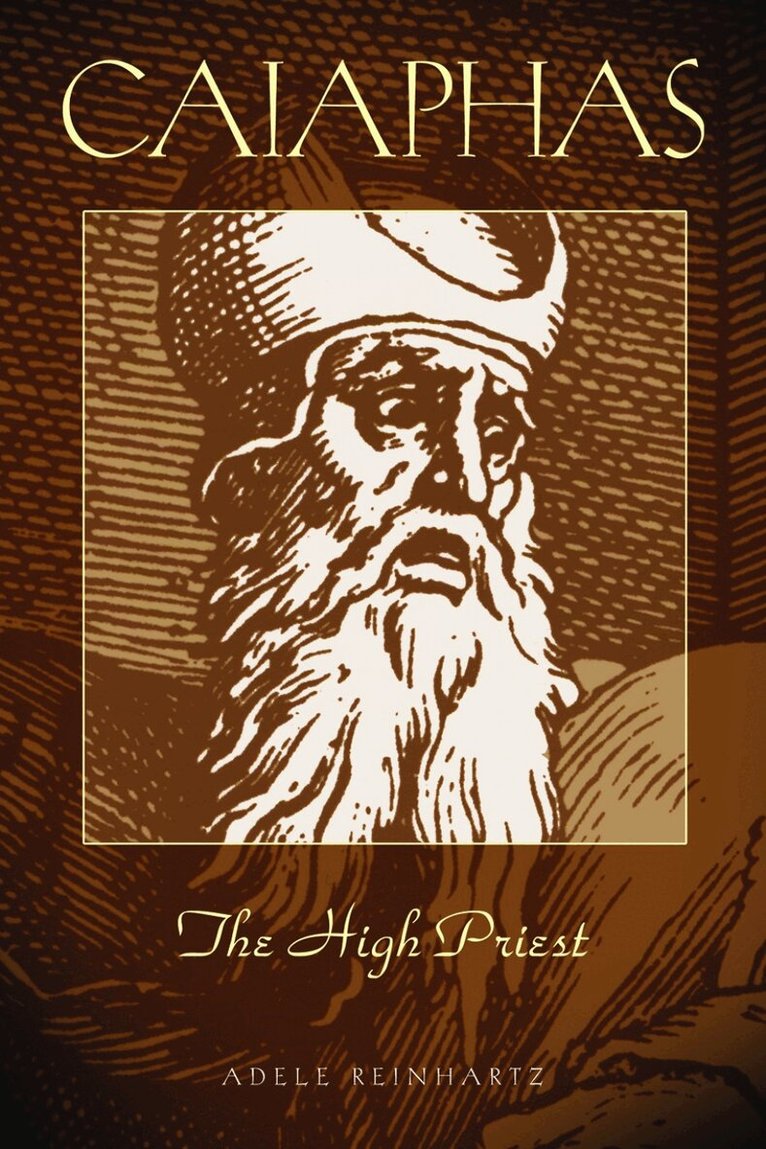
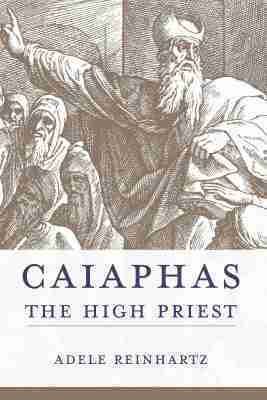
As the Roman-appointed high priest who had a hand in orchestrating Jesus's Crucifixion, Caiaphas secured his place in infamy alongside Pontius Pilate. Viewing Caiaphas as more than just a one-dimensional villain, Adele Reinhartz offers a thorough reconsideration of representations of Caiaphas in the Gospels and other ancient texts as well as in subsequent visual arts, literature, film, and drama.
576 kr
Skickas inom 11-20 vardagar
Rarely does a biblical book evoke admiration from a Nobel laureate in literature, a newspaper columnist, a prize-winning poet, and a popular songwriter. Ecclesiastes has done that, and for good reason. Its author, who called himself Qoheleth, stared death in the face and judged all human endeavours to be futile. For Qoheleth observation is the only avenue to understanding; an arbitrarily wrathful and benevolent deity created and rules over the world; and death is unpredictable, absolute, and final. His message is simple: seize the moment, for death awaits. James L. Crenshaw begins by examining the essential mysteries of the book of Ecclesiastes: the speaker's identity, his emphasis on hidden or contradictory truths, and his argument of the insubstantiality of most things and the ultimate futility of all efforts. Moving from the ancient to the contemporary, Crenshaw again analyses Qoheleth's observations about the human condition, this time testing if they can stand up against rational inquiry today. In exploring Qoheleth's identity, the foundations of his outlook, and his recommendations, Crenshaw engages modern readers in a conversation about one of the most disagreed upon biblical books. In Qoheleth, Crenshaw draws on related literature from the ancient Near East and traces the impact of Qoheleth in both Christian and Jewish traditions, summarising a lifetime of scholarship on the book of Ecclesiastes. While exploring Ecclesiastes and its enigmatic author, Crenshaw engages scholars and modern interpreters in genuine debate over the lasting relevance of Qoheleth's teachings and the place of Ecclesiastes in the biblical canon.
679 kr
Skickas inom 7-10 vardagar
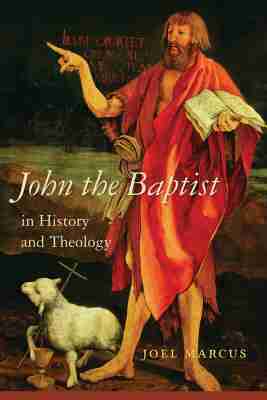
An analysis that challenges the conventional Christian hierarchy of John the Baptist and Jesus of Nazareth.While the Christian tradition has subordinated John the Baptist to Jesus of Nazareth, John himself would likely have disagreed with that ranking. In John the Baptist in History and Theology, Joel Marcus makes a powerful case that John saw himself, not Jesus, as the proclaimer and initiator of the kingdom of God and his own ministry as the center of God’s saving action in history.Marcus contends that biblical and extrabiblical evidence reveals a continuing competition between the two men that early Christians sought to muffle. Like Jesus, John was an apocalyptic prophet who looked forward to the imminent end of the world and the establishment of God’s rule on earth. Originally a member of the Dead Sea Sect, an apocalyptic community within Judaism, John broke with the group over his growing conviction that he himself was Elijah, the end-time prophet who would inaugurate God’s kingdom on earth. Jesus began his career as a follower of the Baptist, but, like other successor figures in religious history, he parted ways from his predecessor as he became convinced of his own centrality in God’s purposes. Meanwhile John’s mass following and apocalyptic message became political threats to Herod Antipas, who had John executed to abort any revolutionary movement.Based on close critical-historical readings of early texts—including the accounts of John in the Gospels and in Josephus’s Antiquities—the book concludes with thoughtful reflections on how its revisionist interpretations might be incorporated into the Christian faith.