Syntheses in Ecology and Evolution - Böcker
Visar alla böcker i serien Syntheses in Ecology and Evolution. Handla med fri frakt och snabb leverans.
2 produkter
2 produkter
1 161 kr
Skickas inom 5-8 vardagar
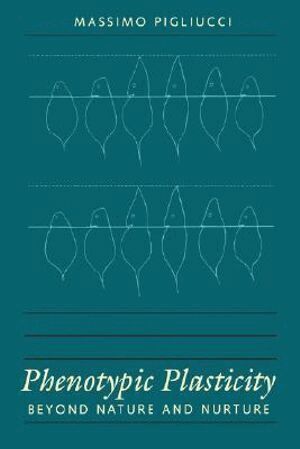
For more than two decades the concept of phenotypic plasticity has allowed researchers to go beyond the nature-nurture dichotomy to gain deeper insights into how organisms are shaped by the interaction of genetic and ecological factors. Phenotypic Plasticity: Beyond Nature and Nurture is the first work to synthesize the burgeoning area of plasticity studies, providing a conceptual overview as well as a technical treatment of its major components. Phenotypic plasticity integrates the insights of ecological genetics, developmental biology, and evolutionary theory. Plasticity research asks foundational questions about how living organisms are capable of variation in their genetic makeup and in their responses to environmental factors. For instance, how do novel adaptive phenotypes originate? How do organisms detect and respond to stressful environments? What is the balance between genetic or natural constraints (such as gravity) and natural selection? The author begins by defining phenotypic plasticity and detailing its history, including important experiments and methods of statistical and graphical analysis.He then provides extended examples of the molecular basis of plasticity, the plasticity of development, the ecology of plastic responses, and the role of costs and constraints in the evolution of plasticity. A brief epilogue looks at how plasticity studies shed light on the nature/nurture debate in the popular media. Phenotypic Plasticity: Beyond Nature and Nurture thoroughly reviews more than two decades of research, and thus will be of interest to both students and professionals in evolutionary biology, ecology, and genetics.
400 kr
Skickas
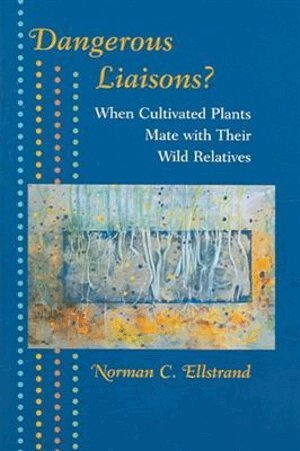
With the advent of genetic engineering, "designer" crops might interbreed with natural populations. Could such romances lead to the evolution of "superweeds", as some have suggested? But haven't crops had sex with wild plants in the past? Has such gene swapping occurred without consequences? And if consequences have indeed occurred, what lessons can be gleaned for engineered crops? In Dangerous Liaisons? Norman Ellstrand examines these and other questions. He begins with basic information about the natural hybridization process. He then describes what we now know about hybridization between the world's most important crops-such as wheat, rice, maize, and soybeans-and their wild relatives. Such hybridization, Ellstrand explains, is not rare, and has occasionally had a substantial impact. In some cases, the result was problematic weeds. In others, crop genes have diluted natural diversity to the point that wild populations of certain rare species were absorbed into the gene pool of the more common crop, essentially bringing the wild species to the brink of extinction. Ellstrand concludes with a look to the future. Will engineered crops pose a greater threat than traditional crops?If so, can gene flow and hybridization be managed to control the escape of engineered genes? This book will appeal to academics, policy makers, students, and all with an interest in environmental issues.