Taiwan and the World - Böcker
Visar alla böcker i serien Taiwan and the World. Handla med fri frakt och snabb leverans.
8 produkter
8 produkter
1 739 kr
Skickas inom 3-6 vardagar
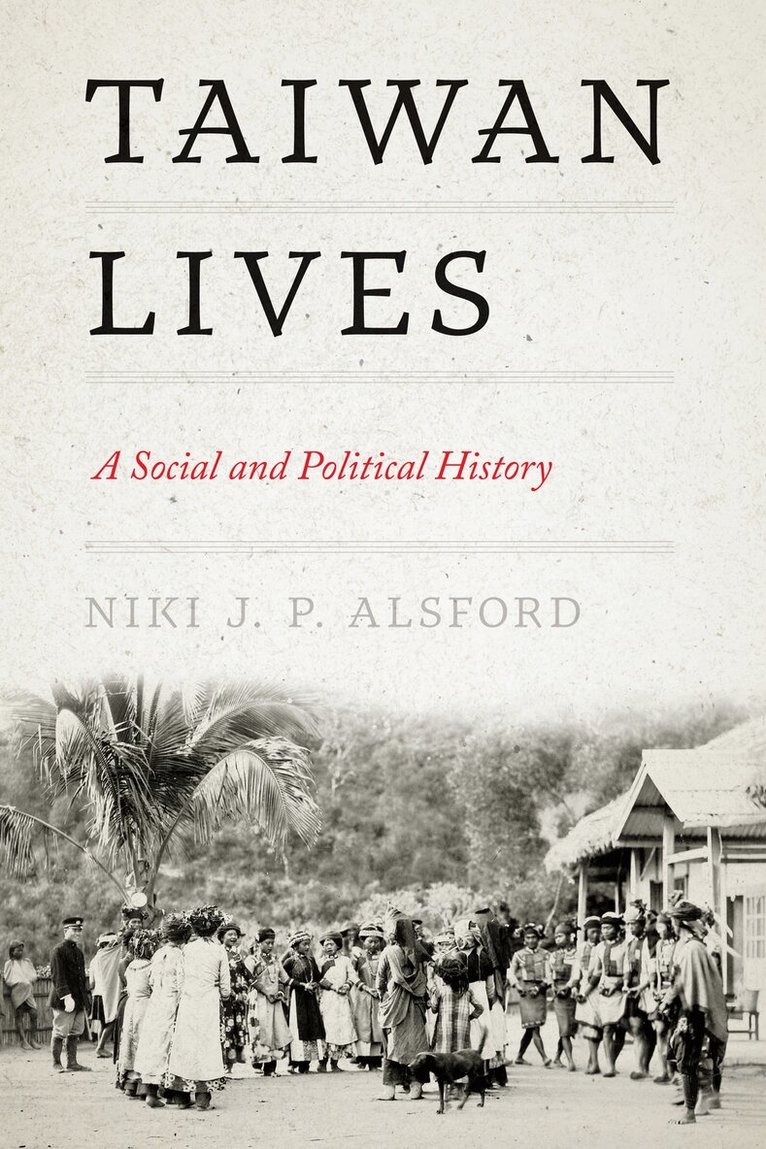
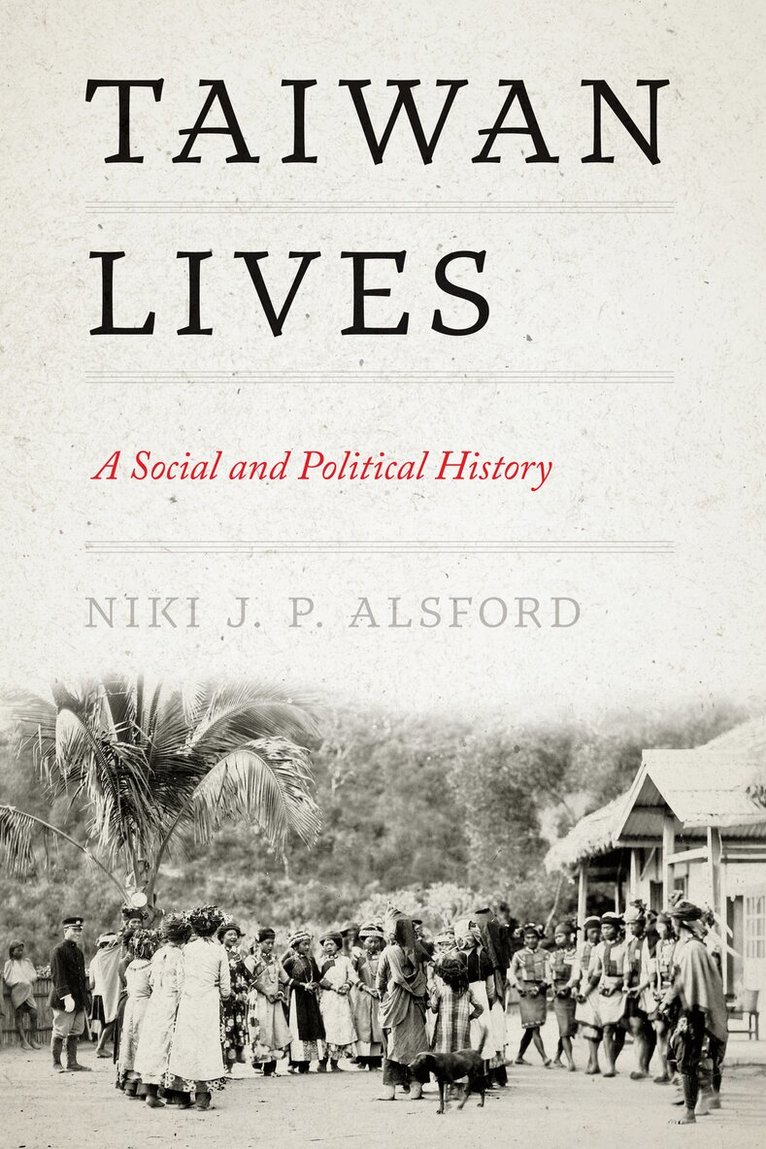
Stories of migration, displacement, democratization, and transformation From a cradle of Austronesian expansion to the dynamic economic powerhouse and successful democracy it is today, Taiwan is layered in colonial histories. In Taiwan Lives, Niki J. P. Alsford presents a comprehensive examination of the island nation’s rich and complex past, told through the life stories of those who have lived it. A merchant, an exile, an activist, a pop star, a doctor, and a president are just some of the twenty-four individuals whose lives populate this people's history of Taiwan. Ranging across time, social strata, ethnicity, and political alliance, these tales offer snapshots of historical eras and illustrate the interwoven fabric of colonialism. Chapters can be read in sequence or individually. With clear and accessible prose, Taiwan Lives is ideal for undergraduate course use.
516 kr
Skickas inom 7-10 vardagar
Stories of migration, displacement, democratization, and transformation From a cradle of Austronesian expansion to the dynamic economic powerhouse and successful democracy it is today, Taiwan is layered in colonial histories. In Taiwan Lives, Niki J. P. Alsford presents a comprehensive examination of the island nation’s rich and complex past, told through the life stories of those who have lived it. A merchant, an exile, an activist, a pop star, a doctor, and a president are just some of the twenty-four individuals whose lives populate this people's history of Taiwan. Ranging across time, social strata, ethnicity, and political alliance, these tales offer snapshots of historical eras and illustrate the interwoven fabric of colonialism. Chapters can be read in sequence or individually. With clear and accessible prose, Taiwan Lives is ideal for undergraduate course use.
1 739 kr
Skickas inom 3-6 vardagar
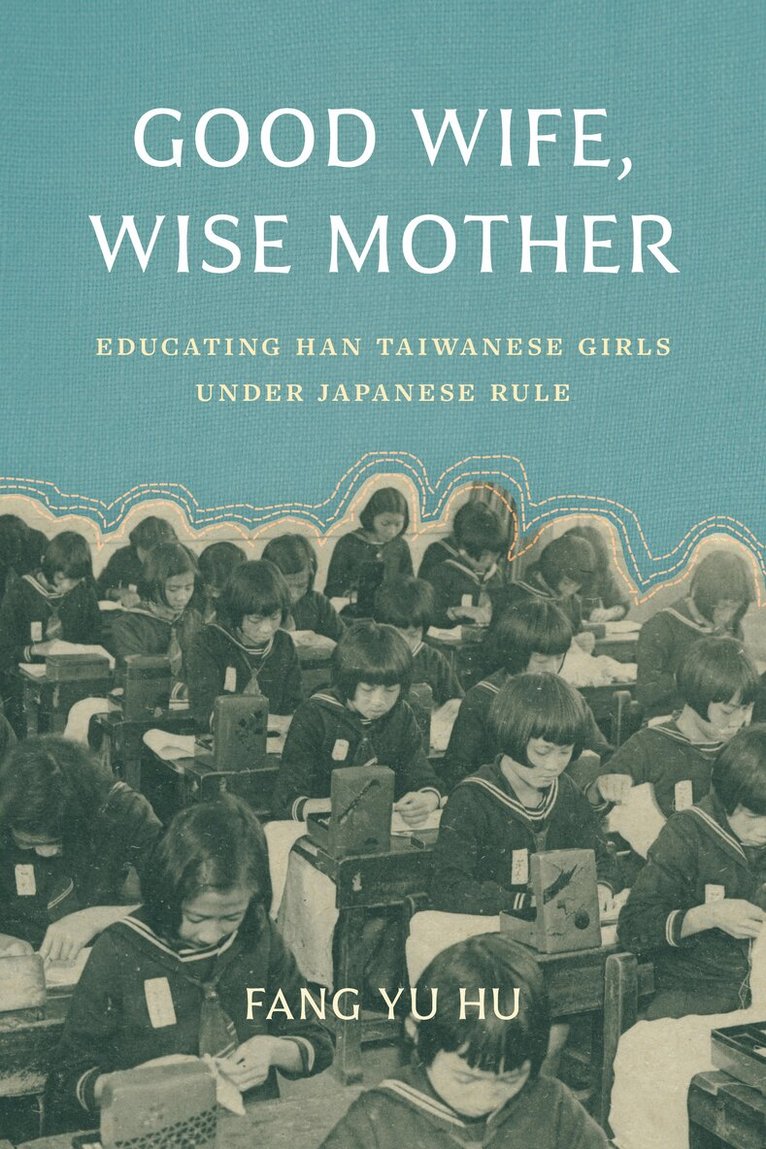
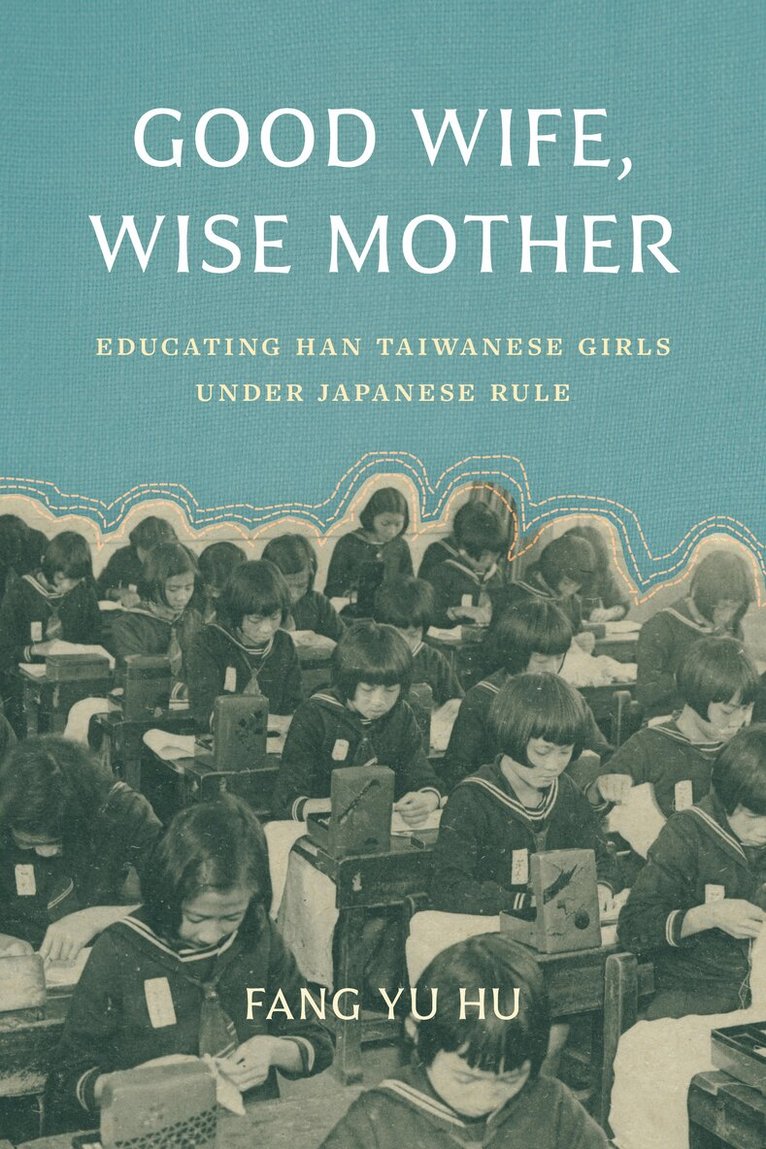
Traces Japan's efforts to modernize Taiwan through gendered educational practicesIn Good Wife, Wise Mother, female education and citizenship serve as a lens through which to examine Taiwan’s uniqueness as a colonial crossroads between Chinese and Japanese ideas and practices. A latecomer to the age of imperialism, Japan used modernization efforts in Taiwan to cast itself as a benevolent force among its colonial subjects and imperial competitors. In contrast to most European colonies, where only elites received an education, in Taiwan Japan built elementary schools intended for the entire population, including girls. In 1897 it developed a program known as “Good Wife, Wise Mother” that sought to transform Han Taiwanese girls into modern Japanese female citizens. Drawing on Japanese and Chinese newspapers, textbooks, oral interviews, and fiction, Fang Yu Hu illustrates how this seemingly progressive project advanced a particular Japanese vision of modernity, womanhood, and citizenship, to which the colonized Han Taiwanese people responded with varying degrees of collaboration, resistance, adaptation, and adoption. Hu also assesses the program’s impact on Taiwan’s class structure, male-female interactions, and political identity both during and after the end of Japanese occupation in 1945. Good Wife, Wise Mother expands the study of Taiwanese history by contributing important gendered and nonelite perspectives. It will be of interest to any historian concerned with questions of modernity, hybridity, and colonial nostalgia.
454 kr
Skickas
Traces Japan's efforts to modernize Taiwan through gendered educational practicesIn Good Wife, Wise Mother, female education and citizenship serve as a lens through which to examine Taiwan’s uniqueness as a colonial crossroads between Chinese and Japanese ideas and practices. A latecomer to the age of imperialism, Japan used modernization efforts in Taiwan to cast itself as a benevolent force among its colonial subjects and imperial competitors. In contrast to most European colonies, where only elites received an education, in Taiwan Japan built elementary schools intended for the entire population, including girls. In 1897 it developed a program known as “Good Wife, Wise Mother” that sought to transform Han Taiwanese girls into modern Japanese female citizens. Drawing on Japanese and Chinese newspapers, textbooks, oral interviews, and fiction, Fang Yu Hu illustrates how this seemingly progressive project advanced a particular Japanese vision of modernity, womanhood, and citizenship, to which the colonized Han Taiwanese people responded with varying degrees of collaboration, resistance, adaptation, and adoption. Hu also assesses the program’s impact on Taiwan’s class structure, male-female interactions, and political identity both during and after the end of Japanese occupation in 1945. Good Wife, Wise Mother expands the study of Taiwanese history by contributing important gendered and nonelite perspectives. It will be of interest to any historian concerned with questions of modernity, hybridity, and colonial nostalgia.
1 802 kr
Skickas inom 7-10 vardagar
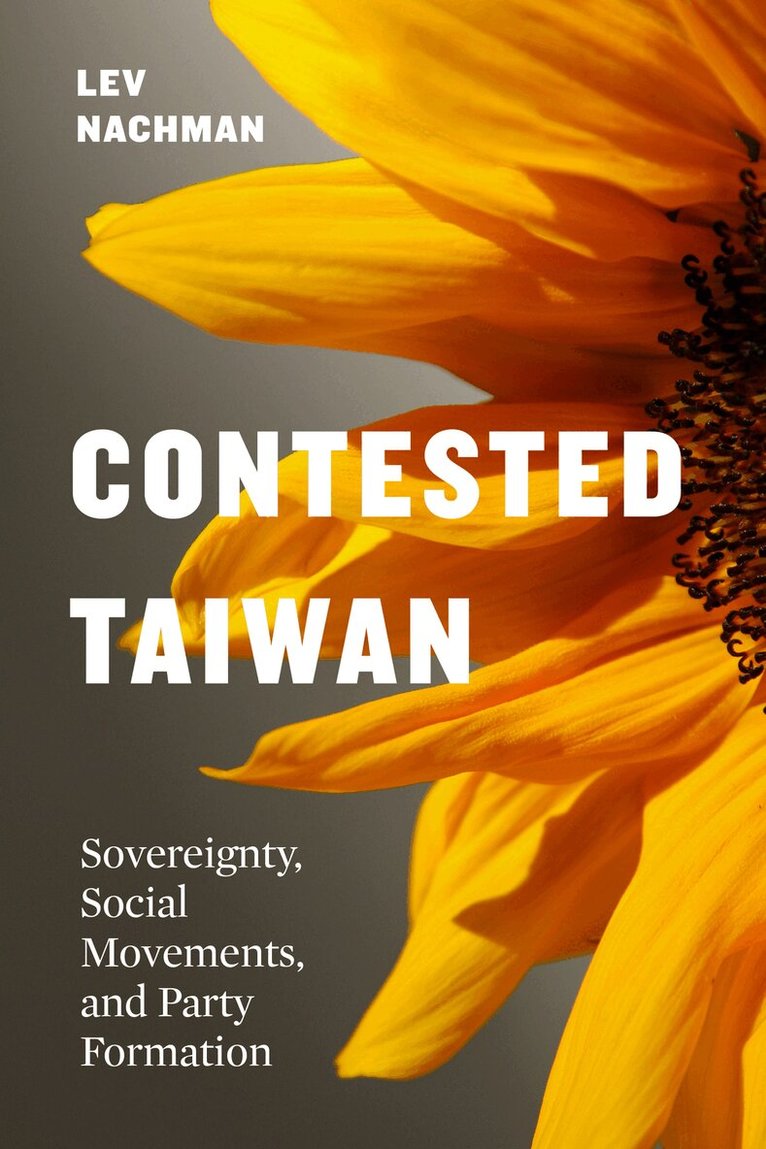
Where statehood is contested, questions of identity and territory define the political landscape Despite maintaining de facto sovereignty, states like Taiwan find themselves unrecognized in today’s international system because another power claims the state as part of their territory. This fraught status, in turn, significantly affects the domestic politics of these places. Lev Nachman’s exploration of Taiwan’s political landscape after the 2014 Sunflower Movement brings a fresh perspective to understanding social movement mobilization and political party formation in what he terms “contested states.” In these states, political cleavages are defined not by traditional left-right issues but by questions of identity, territory, and what to do about the country that claims them. Drawing from 150 interviews with Taiwanese activists and politicians, as well as a comparative analysis of Ukraine, Nachman reveals that traditional political science theories fall short when explaining the formation of movement parties in such contexts. Instead, he argues, looming existential threats and strained relationships between activists and established proindependence parties drive social movements into formal political arenas. Contested Taiwan offers a new approach to understanding contested statehood, movement party formation, and what motivates individuals to take political action across the world.
516 kr
Skickas inom 7-10 vardagar
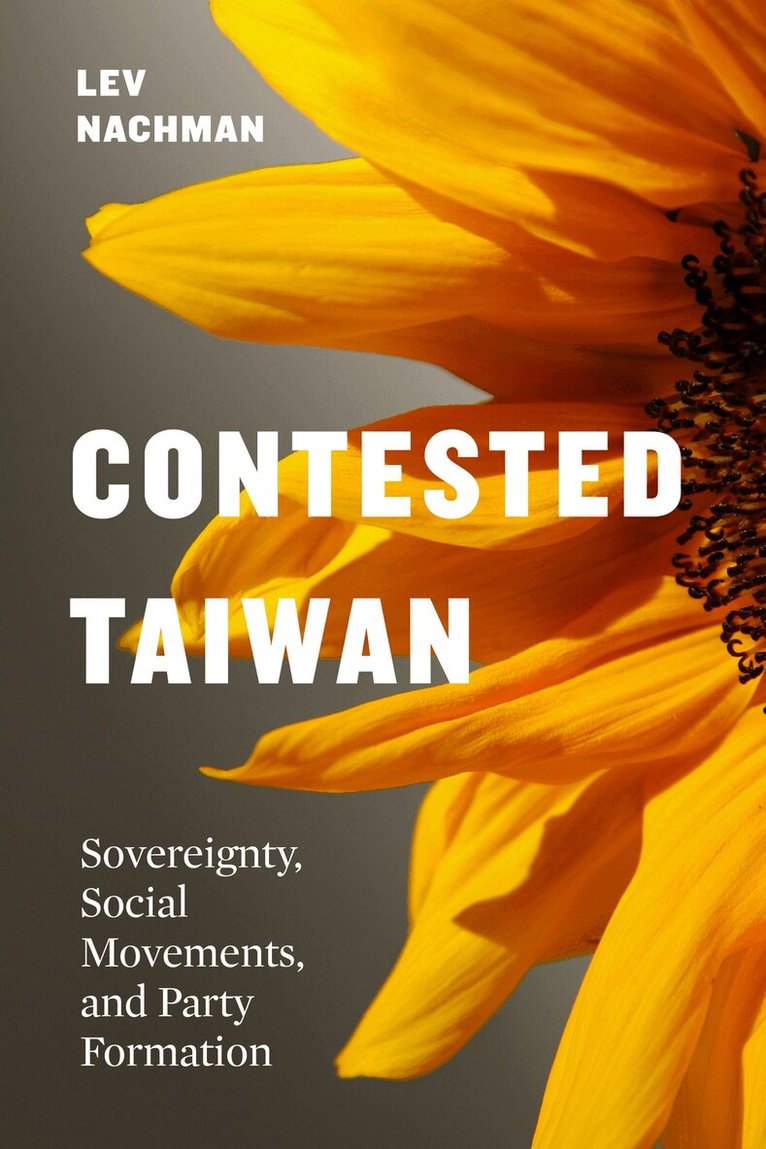
Where statehood is contested, questions of identity and territory define the political landscape Despite maintaining de facto sovereignty, states like Taiwan find themselves unrecognized in today’s international system because another power claims the state as part of their territory. This fraught status, in turn, significantly affects the domestic politics of these places. Lev Nachman’s exploration of Taiwan’s political landscape after the 2014 Sunflower Movement brings a fresh perspective to understanding social movement mobilization and political party formation in what he terms “contested states.” In these states, political cleavages are defined not by traditional left-right issues but by questions of identity, territory, and what to do about the country that claims them. Drawing from 150 interviews with Taiwanese activists and politicians, as well as a comparative analysis of Ukraine, Nachman reveals that traditional political science theories fall short when explaining the formation of movement parties in such contexts. Instead, he argues, looming existential threats and strained relationships between activists and established proindependence parties drive social movements into formal political arenas. Contested Taiwan offers a new approach to understanding contested statehood, movement party formation, and what motivates individuals to take political action across the world.
1 689 kr
Kommande
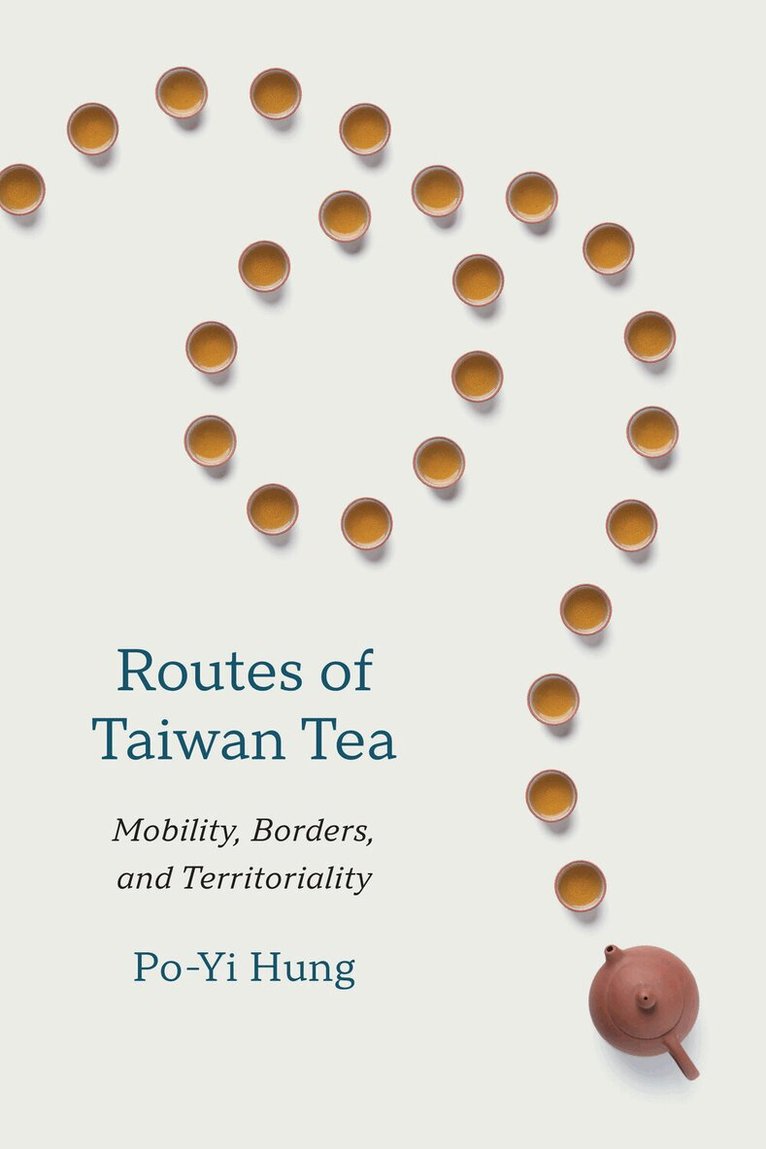
Demonstrates how a popular commodity has reshaped borders, traditions, and geopolitics From misty mountain oolongs to the global boba boom, Taiwan’s teas carry far more than flavor. They embody contested borders, evolving identities, and the complexities of nationhood. Routes of Taiwan Tea traces tea varieties, processing expertise, and merchants across Taiwan and Southeast Asia to reveal how a simple leaf has become a force in global politics. Drawing on decades of fieldwork and extensive archival research, Po-Yi Hung delves deep into the history Taiwan’s tea industry, from its roots in the Qing empire to its role in modern food nationalism. Hung shows how advocacy for Taiwanization—the movement to recover and celebrate the island’s unique history and culture—occurs not only within Taiwan’s food scenes but also through cross-border exchanges. Oolong cultivation in Thailand’s highlands and bubble tea’s rise in Vietnam demonstrate how tea acts as a nonhuman agent, fostering connections and unsettling conventional notions of sovereignty. Through these routes, tea becomes more than agriculture; it becomes an instrument of diplomacy, a marker of authenticity, and a symbol of cultural pride. Offering a fresh perspective on Taiwan’s geopolitical positioning, Routes of Taiwan Tea redefines how borders are imagined and lived. It is an essential contribution to food studies, political geography, and East and Southeast Asian studies, illuminating how everyday practices like drinking tea shape global relations.
441 kr
Kommande
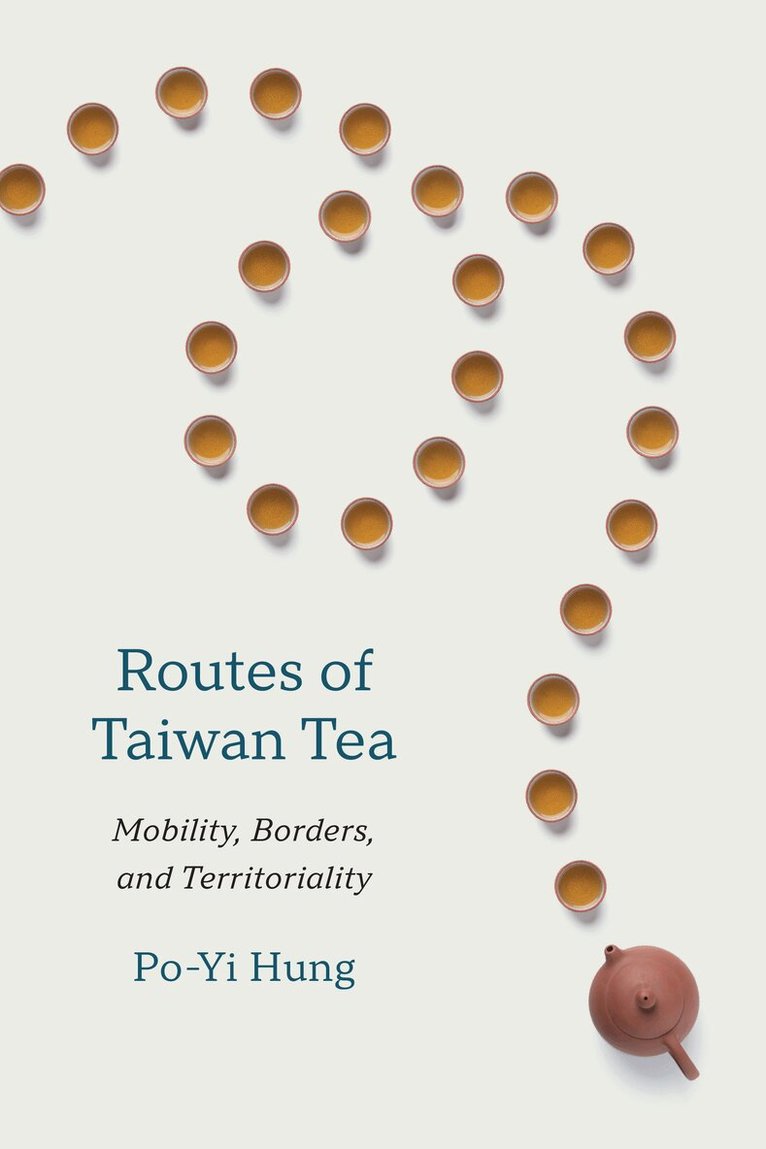
Demonstrates how a popular commodity has reshaped borders, traditions, and geopolitics From misty mountain oolongs to the global boba boom, Taiwan’s teas carry far more than flavor. They embody contested borders, evolving identities, and the complexities of nationhood. Routes of Taiwan Tea traces tea varieties, processing expertise, and merchants across Taiwan and Southeast Asia to reveal how a simple leaf has become a force in global politics. Drawing on decades of fieldwork and extensive archival research, Po-Yi Hung delves deep into the history Taiwan’s tea industry, from its roots in the Qing empire to its role in modern food nationalism. Hung shows how advocacy for Taiwanization—the movement to recover and celebrate the island’s unique history and culture—occurs not only within Taiwan’s food scenes but also through cross-border exchanges. Oolong cultivation in Thailand’s highlands and bubble tea’s rise in Vietnam demonstrate how tea acts as a nonhuman agent, fostering connections and unsettling conventional notions of sovereignty. Through these routes, tea becomes more than agriculture; it becomes an instrument of diplomacy, a marker of authenticity, and a symbol of cultural pride. Offering a fresh perspective on Taiwan’s geopolitical positioning, Routes of Taiwan Tea redefines how borders are imagined and lived. It is an essential contribution to food studies, political geography, and East and Southeast Asian studies, illuminating how everyday practices like drinking tea shape global relations.