Talking Points - Böcker
Visar alla böcker i serien Talking Points. Handla med fri frakt och snabb leverans.
6 produkter
6 produkter
180 kr
Skickas inom 5-8 vardagar
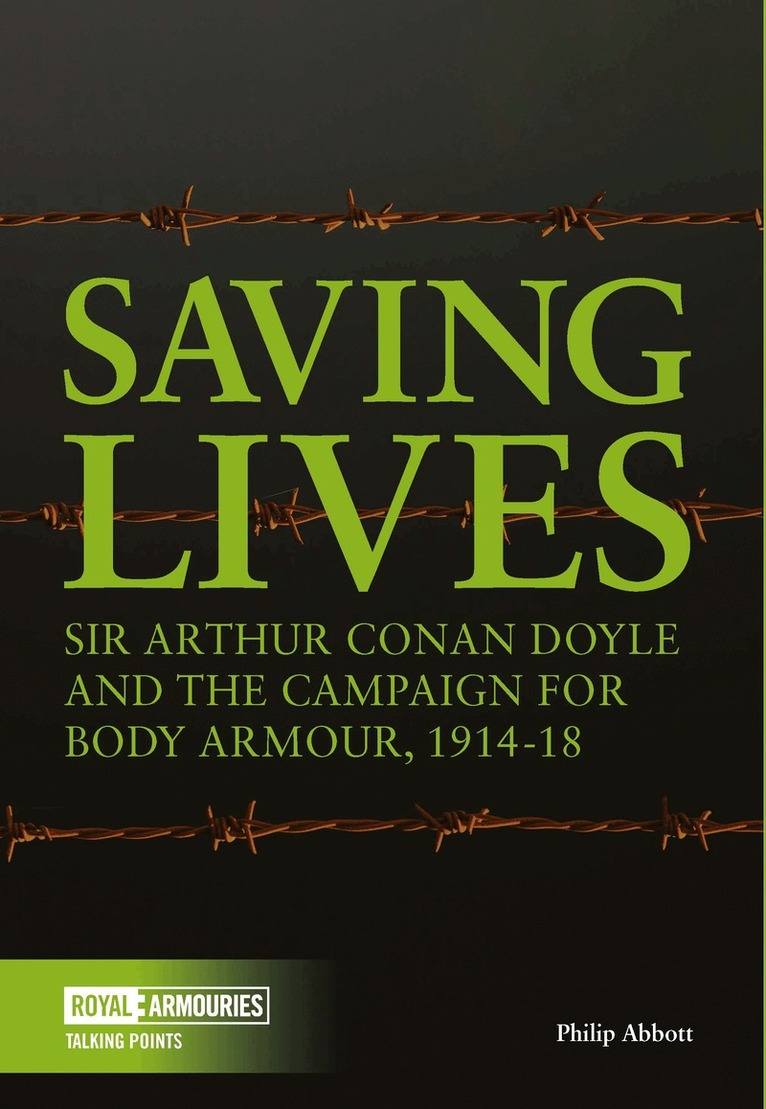
Inspired by a collection of letters received by Sir Arthur Conan Doyle during the First World War, Philip Abbott sets out to explore the inspirational campaign to provide body armour to British soldiers serving in the trenches. Setting the letters in the context of the terrible losses suffered during the Battle of the Somme, Abbott reveals the actions of the War Office and Ministry of Munitions in providing better protection for the troops. He examines Conan Doyle's personal motives for involvement, and investigates the part played by another Edinburgh graduate, Caleb Saleeby, in promoting the development of helmets, body armour and shields. Saving Lives is an absorbing account of how the creator of Sherlock Holmes used his fame to campaign against the horrific casualties on the Western Front.
180 kr
Skickas inom 5-8 vardagar
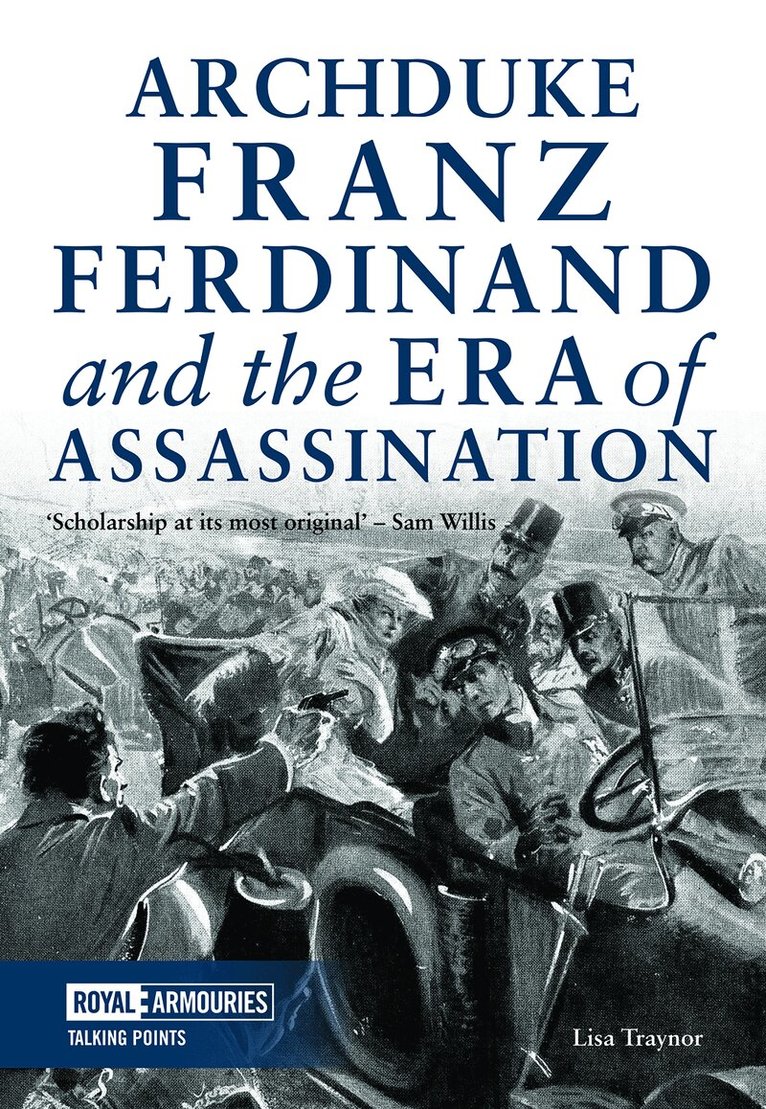
Could the event that triggered the ‘war to end all wars’ have been prevented? The shot that killed Archduke Franz Ferdinand and directly led to the outbreak of the First World War is known as the ‘shot heard around the world’. Far less widely known is the fact that the Archduke owned, but on that fateful day did not wear, a bulletproof vest manufactured by Polish priest-turned-inventor Casimir Zeglen. Using a reconstructed bulletproof vest and a Royal Armouries Browning Model 1910 pistol identical to that used by the Archduke’s assassin, Lisa Traynor highlights the risks associated with power and status in the early 20th century. Assessing the design and composition of Zeglen’s armours, she charts the technological development of pistols used during this period’s assassination plots. Testing her findings on a replica of the Archduke’s bulletproof vest, Traynor poses the haunting question: had Franz Ferdinand been wearing body armour on the day of his assassination, would it have saved his life? Featured in the BBC TV series Sword, Musket and Machine Gun: Britain’s Armed History, this fascinating book breaks new ground in our understanding of the outbreak of the First World War.
Del 1 - Talking Points
Transgender
Christian compassion, convictions and wisdom for today's big issues
Häftad, Engelska, 2016
140 kr
Skickas inom 3-6 vardagar
Del 2 - Talking Points
The Porn Problem
Christian compassion, convictions and wisdom for today's big issues
Häftad, Engelska, 2017
61 kr
Skickas
185 kr
Skickas inom 5-8 vardagar
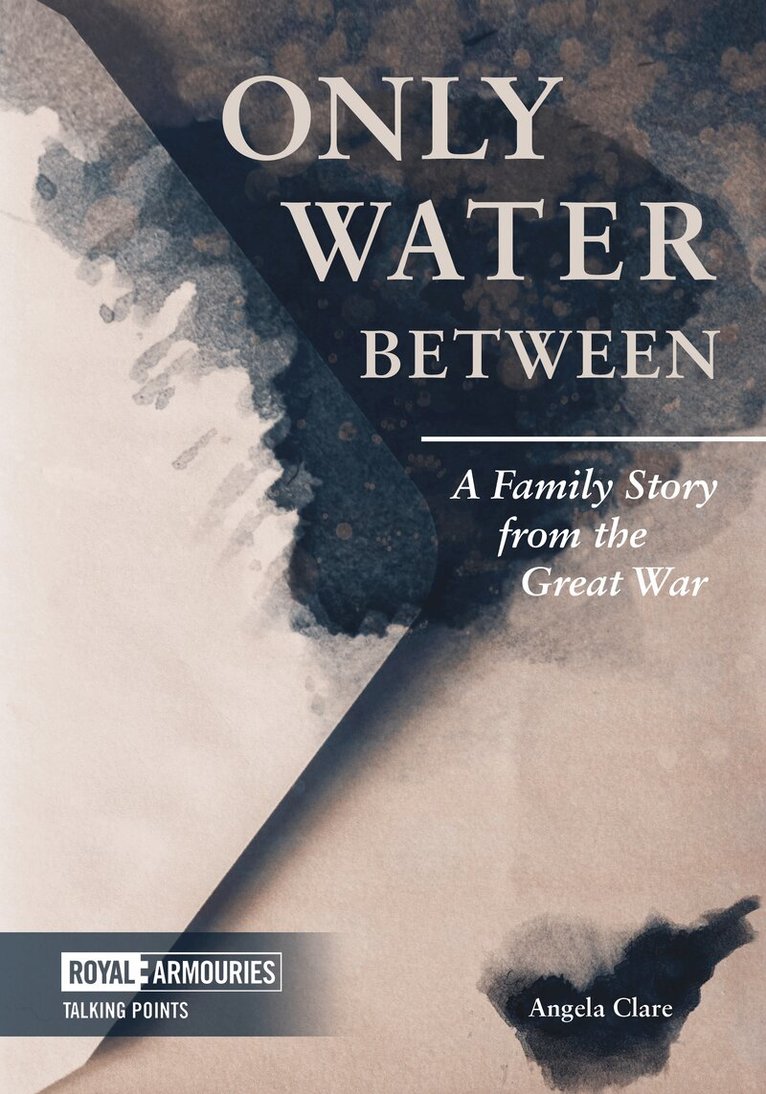
Taken from a familyarchive held at the Royal Armouries, Only Water Between tells the storyof Captain Jack Adam and his family. Deployed to France in 1918, Jack leavesbehind his beloved wife Gert and their three children. Separated by war, lettersfrom home are a lifeline. Containing unpublishedextracts and images of personal letters and photos, Only Water Between depictsa unique – yet all-too-common – story of family separation during the FirstWorld War. It describes the impact of soldiers missing in action, and theremarkable resilience of families left behind. Lost for many years, even theletters themselves offer a unique story of discovery and reunion. Angela Clare portrays a relationship of intimacy,trust and strength under pressure. As Jack writes to Gert, it was a time whenthere was ‘only water between’.
Del 4 - Talking Points
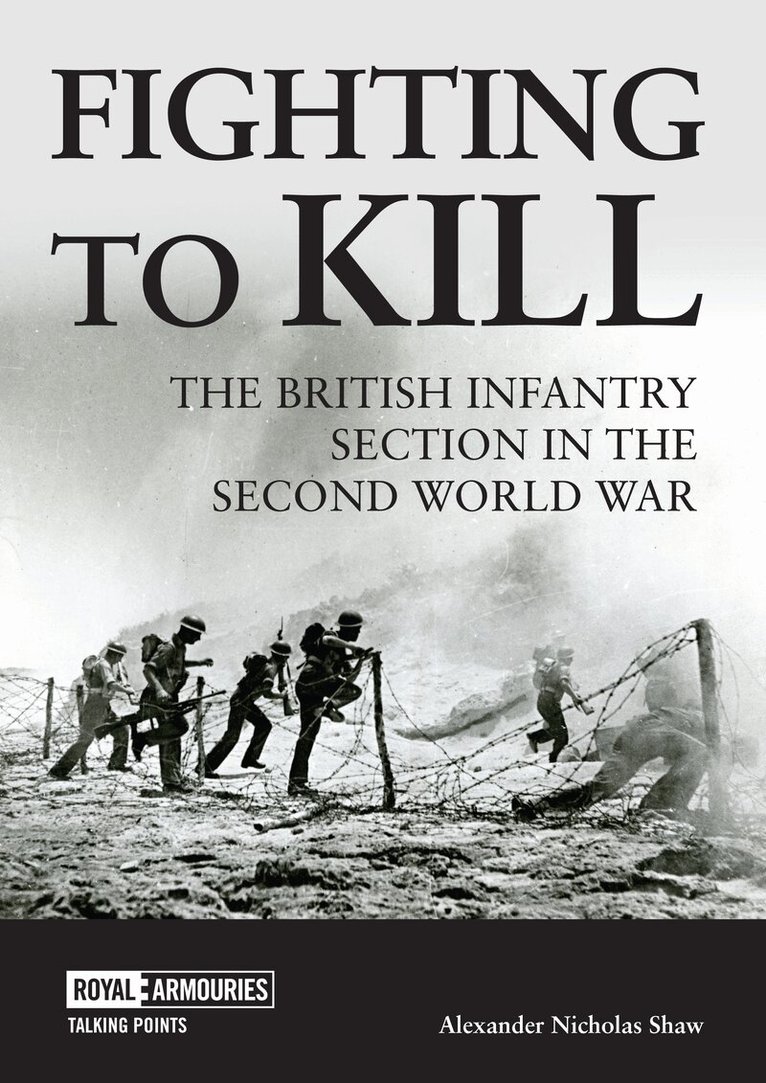
Fighting to Kill
The British Infantry Section in the Second World War
Häftad, Engelska, 2023
214 kr
Skickas
Often typified by the large tank battles of the Eastern Front, the hunt for U-boats in the Atlantic and the dogfights over European skies, the Second World War saw mechanised warfare on an unprecedented scale. Yet there was another side to the fighting. This was also the infantryman’s conflict where an individual fighting man and the comrades to whom he was attached were asked to play a more diverse – and decisive – role than ever before. The Second World War was as much a war of small units as of big battalions. Here, Alexander Shaw explores the significance of this emphasis on small units for the men who fought between 1939 and 1945. He describes the evolution of the infantry rifle section of the British Army and brings together the history of their weaponry, their small-unit tactics and the soldiers’ personal experiences. Covering every major theatre of operations where British infantrymen saw action, Shaw offers a compelling narrative of Britain’s fighting philosophy and the part played by the individual.Drawing upon unpublished research into War Office publications, government documents, soldiers’ memoirs and several archives, this is a new and methodologically original interpretation of Britain’s war.