Kathie and Ed Cox Jr. Books on Conservation Leadership, Sponsored by the Meadows Center for Water and the Environment, Texas State University – serie
Visar alla böcker i serien Kathie and Ed Cox Jr. Books on Conservation Leadership, Sponsored by the Meadows Center for Water and the Environment, Texas State University. Handla med fri frakt och snabb leverans.
6 produkter
6 produkter
399 kr
Skickas inom 7-10 vardagar
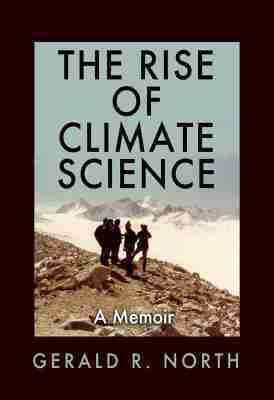
In a career spanning four decades, Gerald R. North contributed groundbreaking research that continues to shape the modern field of climate science. However, the route he has taken was full of surprising twists and turns that included hate mail, eavesdropping by the KGB, and sometimes acrimonious debate with climate-change deniers.North's significant contributions to the field include his innovative 'toy model' analysis of climate change based on ingeniously simplified models and his lead proposal for and successful approval of the Tropical Rainfall Measuring Mission (TRMM) satellite. Launched in 1997, the TRMM's purpose was to collect data on the global climate system. The TRMM operated successfully for 17 years before it was deactivated in 2015.In The Rise of Climate Science, North recounts in detail his life in the vanguard of modern climate science. He offers an insider look at the academic research and government initiatives around global warming and what that means for the planet. He includes stories of conversations with top Soviet climate scientists at the height of the Cold War in the late 1970s - complete with clandestine electronic surveillance. He also describes the experience of testifying before Congress and engaging in public exchanges with those who doubted the reality of the phenomenon his research field described.Climatology today has advanced into a mature phase. This book is an important contribution to understanding its development in the twentieth century and adds a distinctly human face and sensibility to the ongoing societal conversation around climate change and its implications for our future.
387 kr
Skickas inom 7-10 vardagar
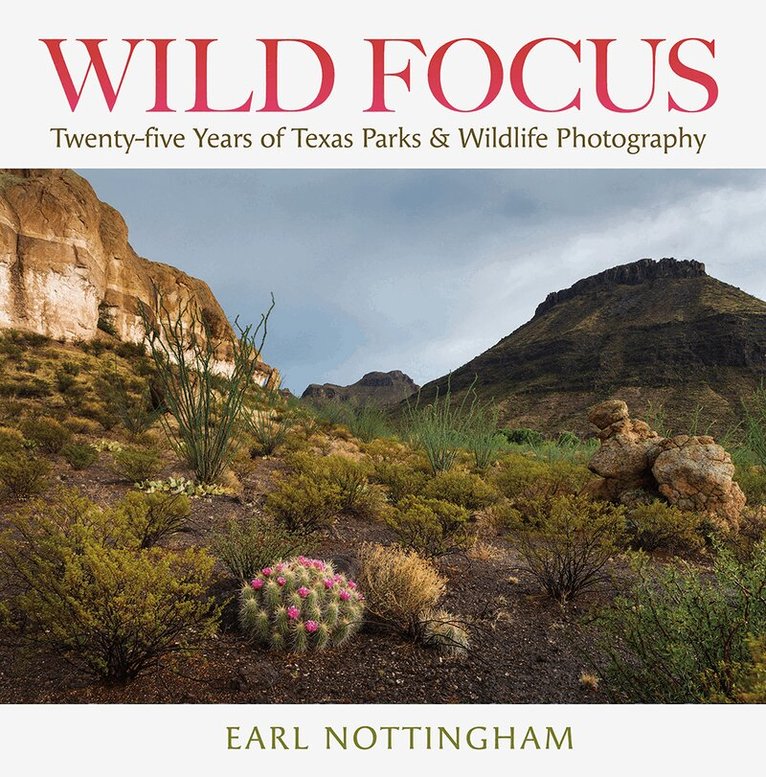
In Wild Focus, Earl Nottingham, chief photographer for the Texas Parks & Wildlife Department and its magazine, provides a unique perspective on Texas featuring images of the woods, waters, and wildlife of the Lone Star landscape. Nottingham’s engaging photography—landscape, nature, and wildlife; environmental portraiture of people; photojournalistic coverage of events, including natural disasters—provides a cohesive overview of biodiversity and the state of conservation in Texas.The nearly 200 stunning photographs collected here encompass the expansive mission of TPWD, presenting traditional landscape images from state and national parks as well as from vast private lands. Cultural and historic sites are included along with environmental portraits of the people associated with those sites. From the state’s wildlife, both great and small, to nature shown in not only its beauty but also its fury—wildfires, hurricanes, and floods—Earl Nottingham offers a visual compendium of events, people, places, and things that have shaped the face of natural Texas.The author logged untold miles and wore through many sets of tires to offer timely stories that would “inform, educate, entertain, and empower” readers about the outdoors. These images that capture the richness and diversity of wild Texas inspire a greater appreciation for the state’s beauty and promote a sense of stewardship for its natural treasures.
350 kr
Skickas inom 7-10 vardagar
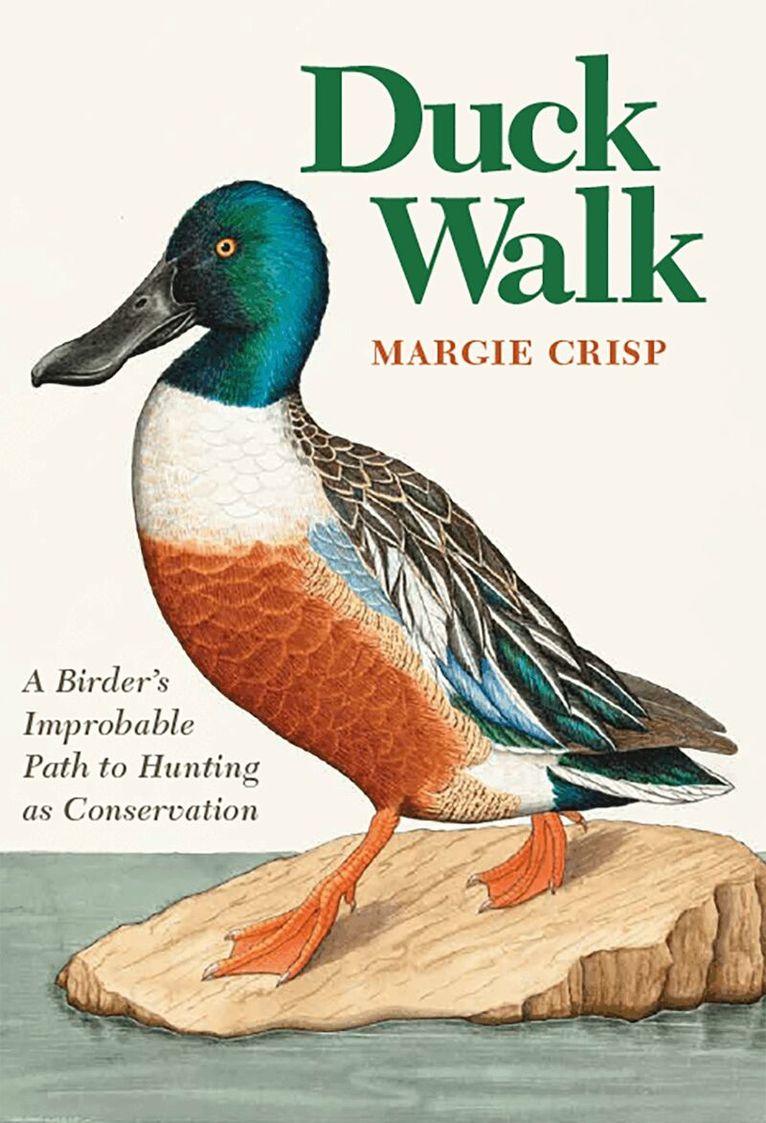
In fall 2016, lifelong birdwatcher, naturalist, and esteemed Texas artist Margie Crisp decided to take up a shotgun and start hunting ducks. Few nature enthusiasts understand the role that the hunting industry plays in the conservation of wildlands and wildlife—protecting far more critical habitat than birdwatchers do. With many bird species in a precipitous decline, duck and geese populations continue to rise steadily year after year. Why? Because of the money waterfowl hunters spend on licenses, firearms, and ammunition, or donate to nonprofit conservation organizations. Here, Crisp goes beyond birdwatching to challenge her notions about hunting. Could duck hunters be considered conservationists? Could she overcome a life-long aversion to guns and learn to shoot birds? And could doing so help conservation of habitats for ducks and other migratory bird species? In writing her experiences, Crisp explores these questions and illustrates to both communities—hunters and naturalists—that one woman can be a birdwatcher, a bird hunter, and above all, a conservationist devoted to preserving habitat for birds and other wildlife. Readers journey with the author as she learns to hunt—to experience the emotional impacts of killing, cleaning, cooking and eating birds. First-hand accounts are seamlessly integrated with information about conservation history as well as interviews with hunters, biologists, and birdwatchers. Along the Central Flyway from the Texas coast to Canada, this revealing personal narrative traces hunting and birdwatching trips, and even a solo road trip following the birds’ migration, all through the eye of an artist whose words and drawings bring her journey to life.
567 kr
Skickas inom 7-10 vardagar
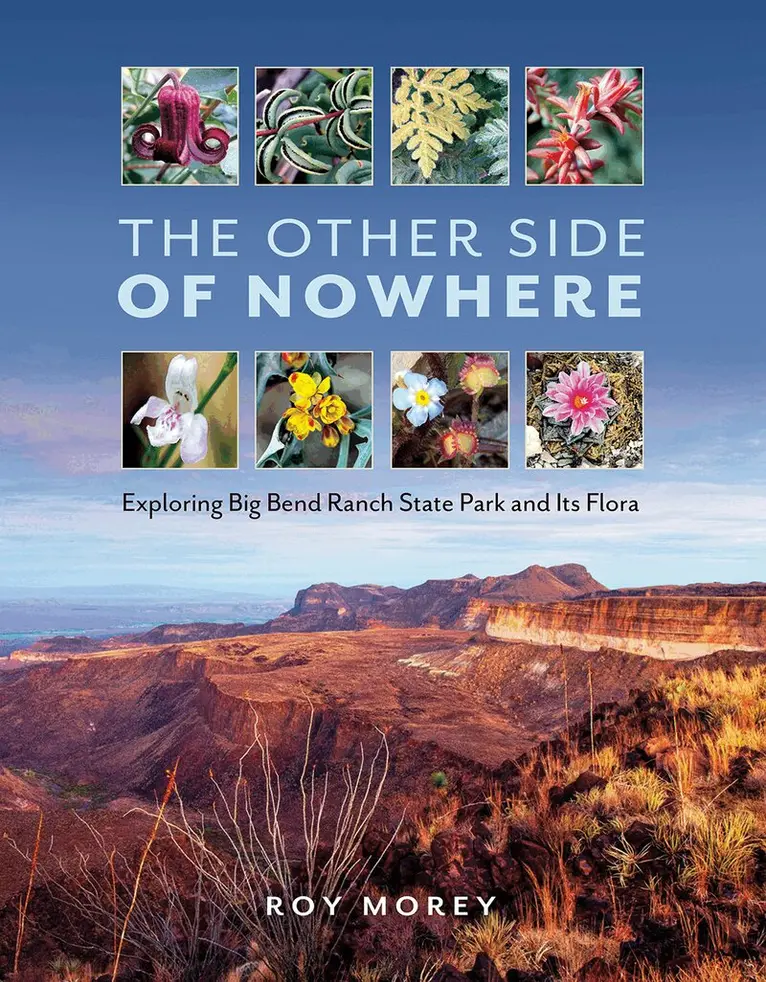
Acquired by the State of Texas in 1988 and first opened to the public as Big Bend State Natural Area in 1991, Big Bend Ranch State Park (BBR) lies within the southern Big Bend of the Trans-Pecos, encompassing some 492 square miles of the Chihuahuan Desert and representing nearly half the total acreage of the Texas state park system.Unlike nearby Big Bend National Park—BBR is relatively undiscovered, wild, challenging, and slightly intimidating. BBR is the “Other” Big Bend, christened the “Other Side of Nowhere,” a rugged wilderness outback for the adventuresome with 238 miles of trails for hiking, biking, and horseback riding and 70 miles of challenging four-wheel drive roads where visitors can explore stunning geological features, remnants of the area’s 11,000-year human history, and a diversity of flora and fauna that rivals any area in the state.In this guidebook, photographer and naturalist Roy Morey walks visitors through the wild landscape, sharing what he has learned during eleven years of studying and photographing Big Bend Ranch State Park. Organized around the six physiographic regions of the park as outlined by the Texas Parks and Wildlife Department, The Other Side of Nowhere guides readers through the features and locations of the park and includes a field guide section with informative profiles and vivid imagery of 281 plant species. This definitive guide to Big Bend Ranch State Park is a must-have for visitors and an important botanical resource for the greater Big Bend and Trans-Pecos areas.
399 kr
Skickas inom 7-10 vardagar
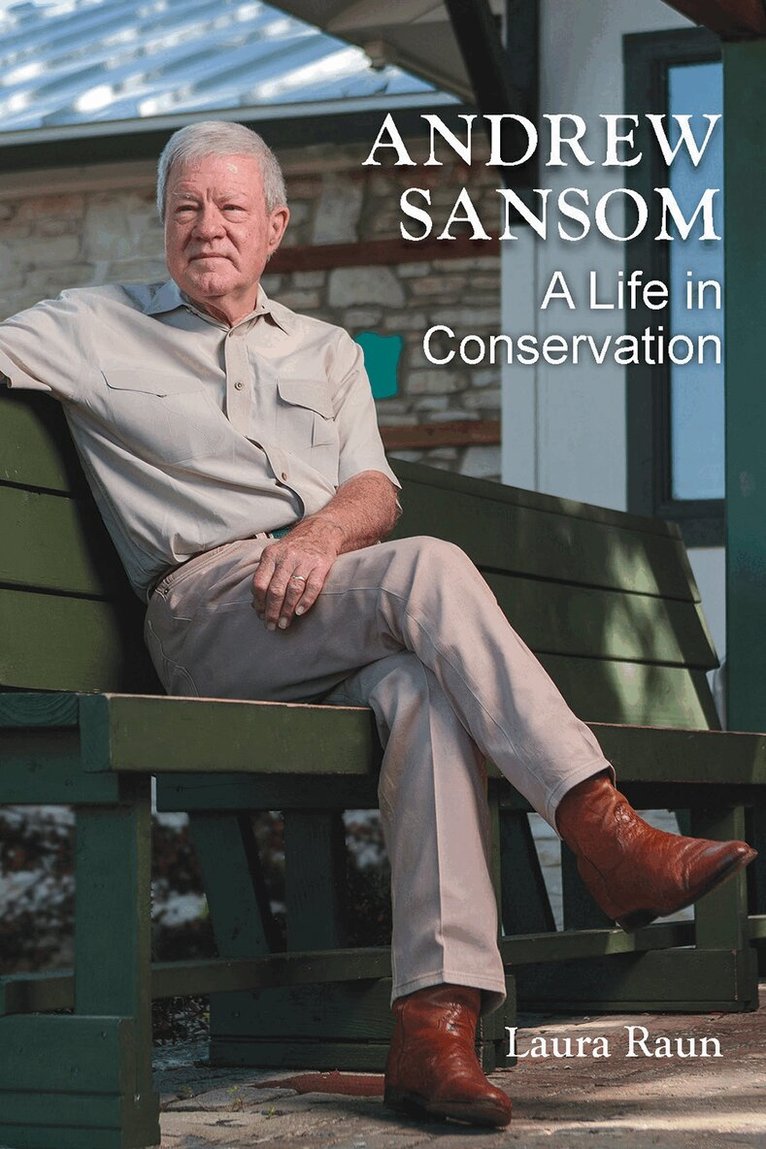
In the world of Texas conservation, the figure of Andrew Sansom looms large. Few can match Sansom’s contributions to the natural landscape of Texas, such as the over 500,000 acres of state parks and wildlife management areas he helped protect during his leadership at the Texas Parks and Wildlife Department. He has spent a lifetime finding common ground between those who want to conserve natural resources and those who want to monetize them. Sansom’s gift has been finding the formula for persuading landowners in Texas, where private property rights dominate public policy, that conserving their natural assets provides a measurable financial return as well as an emotional one. Over the course of his career, Sansom has become well acquainted with the rough and tumble of Texas politics, especially where it concerns the environment. After his trailblazing work at TPWD, he went on to establish The Meadows Center for Water and the Environment at Texas State University, which has become one of the state’s premier research and education centers for the study of water and watersheds. Andrew Sansom: A Life in Conservation chronicles Sansom’s journey as an environmentalist, a fundraiser, a professor, an author, and most importantly, a central figure in the history of conservation in Texas. At a time when our public lands are being opened up for commerce as never before, we are at risk of losing not only habitat and wildlife diversity, but also a visceral connection to nature. Sansom’s life story offers inspiration and useful lessons in finding ways to protect our environment while allowing sustainable development for future generations.
455 kr
Skickas inom 3-6 vardagar
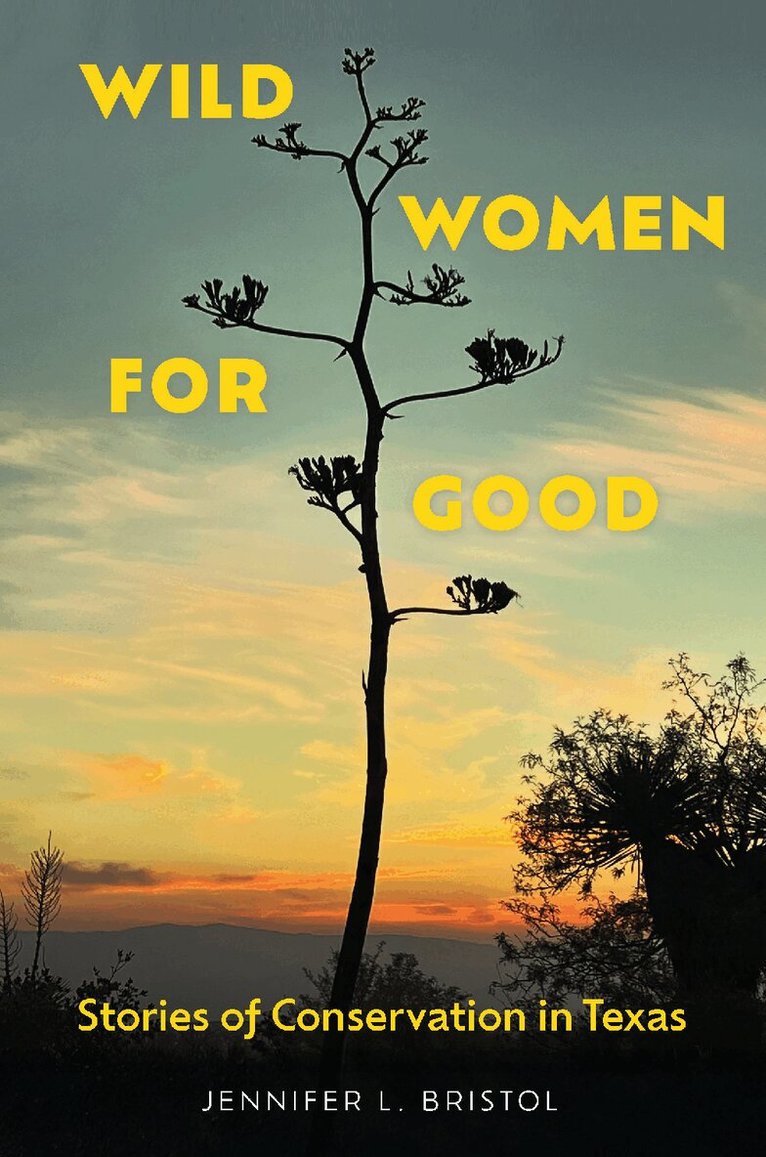
Women have been shaping the conservation movement in Texas since the nineteenth century, though their stories are rarely told. Women played an invaluable role in the establishment of parks, protection of wildlife, developing policies that value nature, and defending communities against pollution and destruction of habitat. Their efforts enriched and reinforced the natural heritage of Texas. Wild Women for Good: Stories of Conservation in Texas celebrates those who dared to step forward to make a difference and to tell the complex story of conservation in the Lone Star state.Wild Women for Good spans a century and a half of conservationists—rural and urban—contributing to policy that protected natural resources and bolsters our relationship with the resources. Opening with the first Texas Audubon Clubs and early birdwatchers, author Jennifer L. Bristol details their banding together to prevent the extinction of many native bird species killed for their plumage. This joining of forces culminated in the passage of the 1918 Migratory Bird Treaty Act, criminalizing the selling or hunting of migratory birds, their eggs, or their feathers. From there, Bristol explores the key roles women played in creating additional policies and parks to ensure the beauty and biodiversity of Texas for generations to come. Wild Women for Good concludes with an eye toward the future and an environmental movement that is more diverse and politicized than the original activists—then primarily wealthy white women—who started it over a century ago.Bristol covers over forty individuals and groups: environmental policy makers, famous first ladies, and those who were early champions of land trusts and conservation easements. These are women whose stories are as integral to the state’s history as the natural landscapes they worked to preserve.