
Texts and Studies in High Medieval Scholastic Thought - Böcker
Visar alla böcker i serien Texts and Studies in High Medieval Scholastic Thought. Handla med fri frakt och snabb leverans.
3 produkter
3 produkter
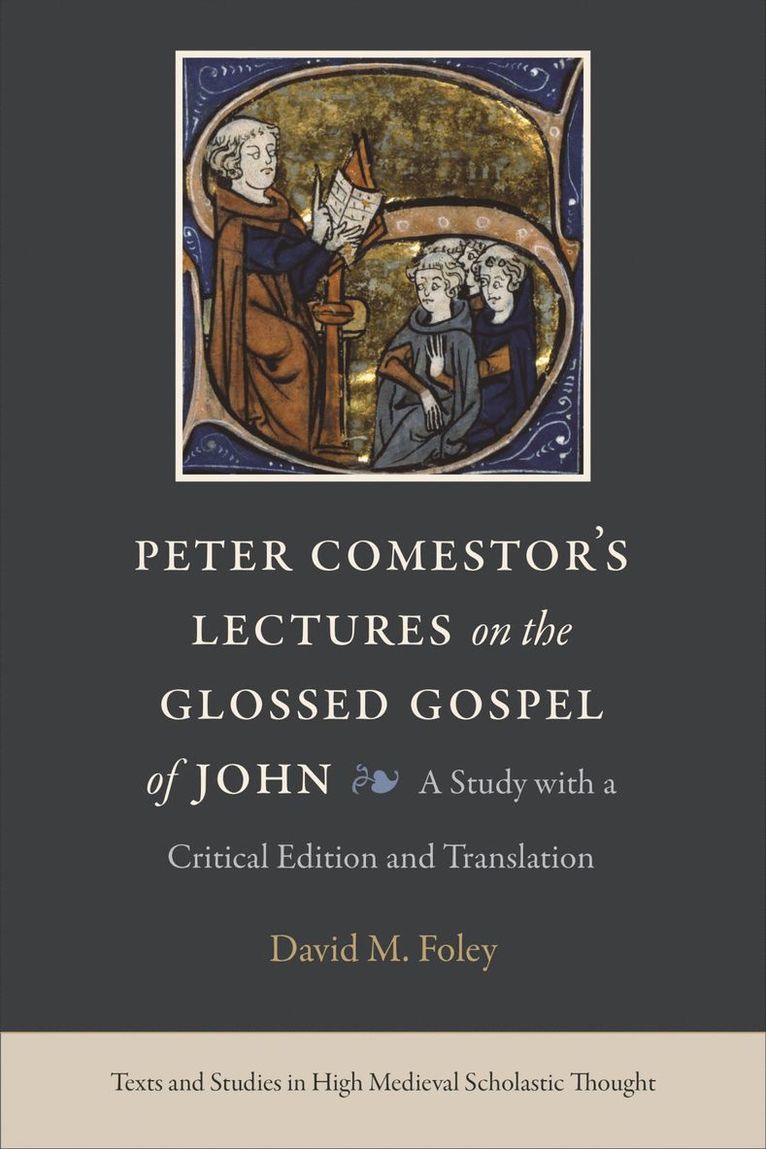
Peter Comestor's Lectures on the Glossed Gospel of John
A Study with a Critical Edition and Translation
Inbunden, Engelska, 2024
903 kr
Skickas inom 7-10 vardagar
This monograph encompasses the first critical edition, translation, and historical study of a series of lectures from the cathedral school of Notre-Dame, Peter Comestor's Glosses on the Glossed Gospel of John. Delivered in Paris in the mid-1150s, Comestor's expansive lecture course on the Glossa ordinaria on the Gospel of John has survived in no fewer than seventeen manuscript witnesses, being preserved in the form of continuous transcripts taken in shorthand by a student-reporter ( reportationes). The editor has selected the fifteen best witnesses to produce a critical edition and translation of the first chapter of Comestor's lectures on the Gospel of John. In addition to the text of the original lectures, the edition includes appendices containing accretions to the lecture materials added by Comestor and his students, as well as the corresponding text of the Glossa ordinaria from which Comestor lectured.The Latin text and translation of Peter Comestor's lectures are preceded by a wide-ranging critical study of the historical and intellectual context of Peter Comestor's biblical teaching. This study begins with an outline of Comestor's scholastic career and known works, with a detailed introduction to his Gospel lectures and the relevant historiography. Subsequently, a survey is made of the intellectual landscape of Comestor's lectures: namely, the tradition of biblical teaching originating at the School of Laon, preserved in the Glossa ordinaria, and developed in the classroom by Peter Lombard and a succession of Parisian masters, notably Comestor himself. The following section examines the portion of the lectures presented in this book, encompassing an overview of its contents and structure, a description of Comestor's teaching method and scholastic setting, a study of the text's sources, and a consideration of Comestor's participation and reception in the scholastic tradition. The final chapters contain a careful description of the manuscripts and editorial principles adopted in the Latin edition and translation.
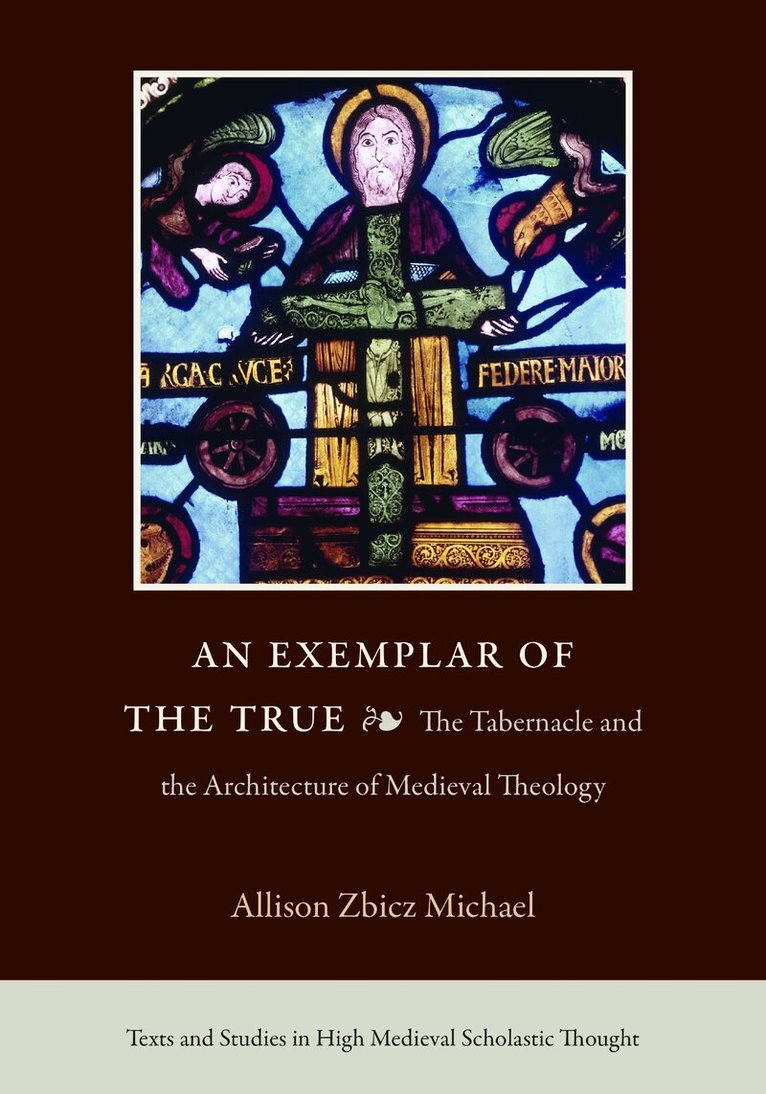
Exemplar of the True
The Tabernacle and the Architecture of Medieval Theology
Inbunden, Engelska, 2026
929 kr
Skickas inom 11-20 vardagar
Scholarly academics, cloistered monks, and high-ranking prelates once found abundantly fertile material for theological reflection in the Exodus descriptions of Tabernacle and the Ark of the Covenant. Where traditional scholarly accounts of the rise of scholasticism tend to focus almost entirely on the incorporation of Aristotelian thought and the legacy of Peter Lombard’s sententiae, attention to these works illuminates some of the deeply biblical roots of scholastic patterns of thought. The Tabernacle often appealed to these early interpreters because it provided a valuable source for exploring the structural patterns embedded in creation.The first part of this book examines the works of four major twelfth-century figures on this popular interpretive theme. Richard of St. Victor, Stephen Langton, Peter of Poitiers, and Adam of Dryburgh each share the conviction that the details of the Tabernacle’s material structure reflect the structures of immaterial truths. The second part of the book shows the rich inheritance of this tradition, as received by Saint Bonaventure and Saint Thomas Aquinas.In the twelfth-century, the image of the Tabernacle, composed of diverse parts arranged in a coherent whole, provides a divinely-given source for theological method and a model for attempts to systematize and integrate various forms of knowledge. At times, the Tabernacle structure suggests for these interpreters certain correspondences with Aristotelian insights, while elsewhere, the edifice undergirds attempts to offer a rigorous counterbalance to perceived philosophical excesses. In both cases, the Tabernacle is taken as a biblical locus for working through methodological questions prompted by the increasing availability of Aristotle’s corpus. These biblical interpreters bequeathed to the thirteenth-century magistri a structural framework and a confidence that disparate forms of human knowing all fit together.
Peter Lombard and the Biblical Gloss
Textual Fluidity in Mid-Twelfth-Century Paris
Inbunden, Engelska, 2026
929 kr
Skickas inom 11-20 vardagar
This monograph presents altogether new and substantial evidence showing that the view of the development of Scholasticism and Scholastic thought going back three centuries at least is mistaken. Peter Lombard's Sentences and his career did not mark and mirror a transition from the traditional biblical theology to the newer systematic theology, as so long supposed. Rather, the traditional genres of medieval theology served as the indispensable foundation for the development of new forms for teaching Christian doctrine to clerics, forms organized systematically. The Bible was not displaced or abandoned in favor of various summas but was rather integrated into a medieval theology that looks surprisingly like the ideal of the Second Vatican Council. Dei Verbum, the dogmatic constitution that deals with the place of Sacred Scripture, doesn't mention the Schoolmen, because longstanding historiography on Scholastic thought in the High Middle Ages misled popes and prelates into supposing the medieval theology had abandoned the Bible in favor of cold, logical, systematic treatises. In fact, however, Peter Lombard, Bonaventure, Thomas Aquinas and many others could themselves have authored Dei Verbum, which reads like the prologues and primers that the masters teaching theology to clerics in the High Middle Ages wrote themselves.