Theoretical Perspectives in Architectural History and Criticism Series – Serie
Visar alla böcker i serien Theoretical Perspectives in Architectural History and Criticism Series. Handla med fri frakt och snabb leverans.
2 produkter
2 produkter
478 kr
Skickas inom 5-8 vardagar
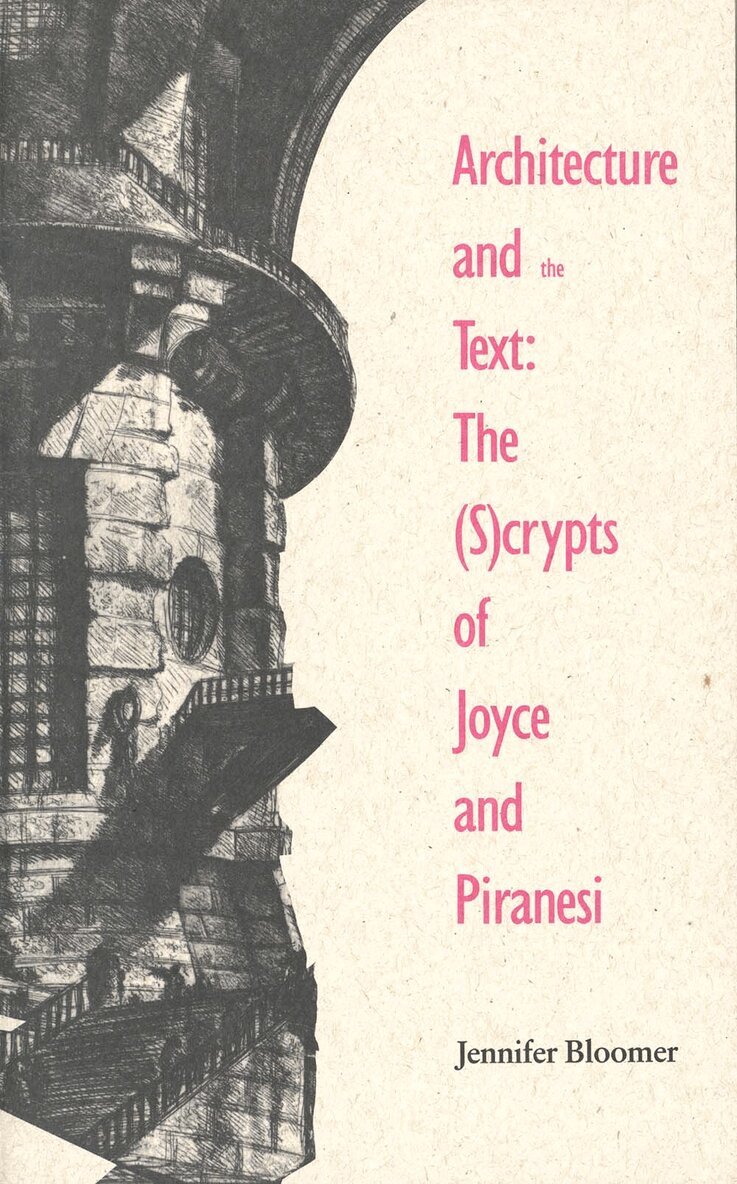
In this profoundly original book, Jennifer Bloomer addresses important philosophical questions concerning the relation between writing and architecture. Drawing together two cultural fantasies from different periods—one literary and one architectural—Bloomer uses the allegorical strategies she finds in James Joyce's Finnegans Wake to analyze three works of Giambattista Piranesi (Campo Marzio, Collegio, and the Carceri). Bloomer argues that architecture is a system of representation, with signifying possibilities that go beyond the merely symbolic.Bloomer reads the texts and ideas of Joyce and Piranesi against one another, further illuminating them with insights from myth, religion, linguistics, film theory, nursery rhymes, and personal anecdotes, as well as from poststructuralist, Marxist, and feminist criticism. Combining the strategies of Finnegans Wake, which Joyce himself called architectural, with conventional strategies of architectural thinking, Bloomer creates a new way of thinking architecturally that is not dominated by linear models and that appropriates ideas, parts, and theoretical frameworks from many other disciplines. Demonstrating her argument by dramatic example, Bloomer's treatise—like Joyce's word-play and Piranesi's play with visual representation—offers the pleasure of ongoing discovery.
729 kr
Skickas inom 5-8 vardagar
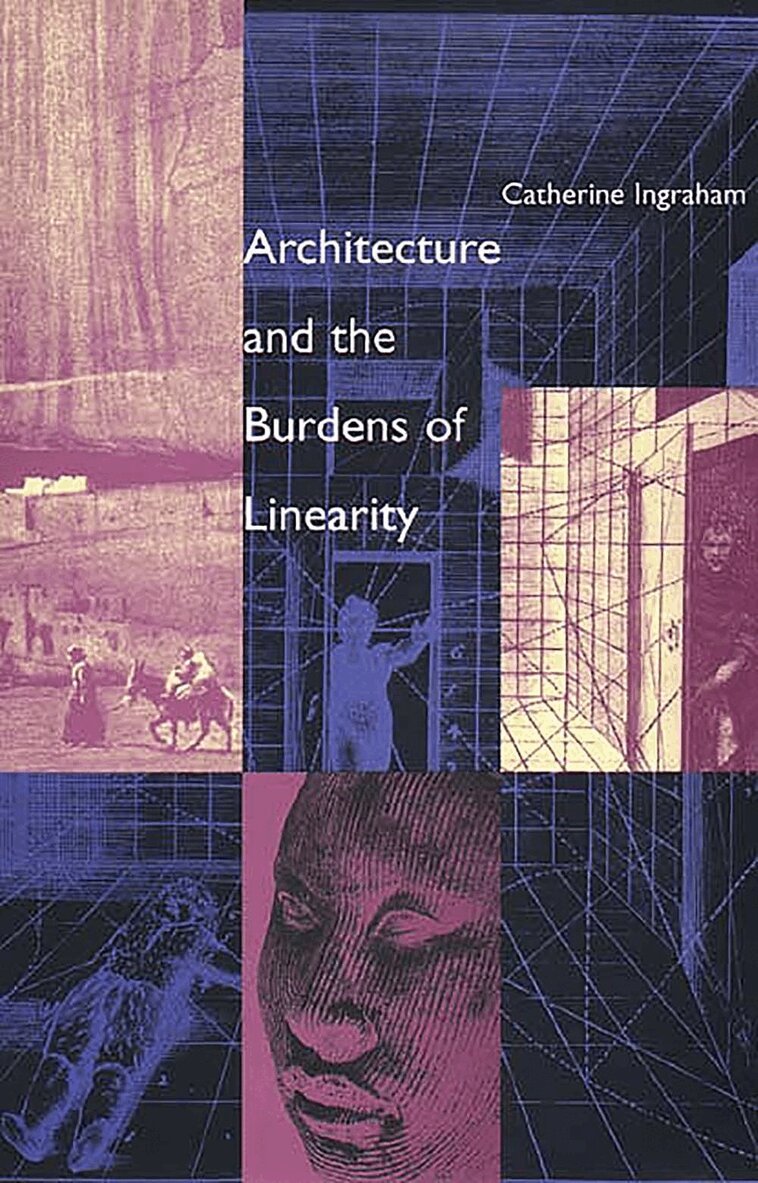
In this suggestive inquiry into the operations of linearity in architectural theory and practice, Catherine Ingraham investigates the line as both a conceptual and literal force in architecture. She approaches her subject from philosophical, theoretical, practical, and historical points of view, finding the following points of convergence: architecture’s relation to property, politics, and economy; architecture’s relation to propriety and the need to keep things "in line"; and architecture’s relation to the proper name, human identity, object identity, and spatial location and demarcation.In this engaging discussion, Ingraham considers maps, architectural plans, the laws of geometry, systems of architectural knowledge, and mythologies of architectural origin in work by Le Corbusier, Vitruvius, Alberti, Tafuri, Derrida, Lévi-Strauss, Shakespeare, Lacan, Deleuze, Rilke, and Stendhal. Entering the current complex debates about the relation between theory and practice in architecture, the author also addresses themes in psychoanalytic criticism, poststructural theory, and feminist criticism. Her examination thus moves beyond architecture and its literal structures to the notion of epistemological structure that architecture as a discipline and practice upholds and promotes.Theoretical Perspectives in Architectural History and Criticism SeriesMark Rakatansky, Editor