
Theorizing African American Music - Böcker
Visar alla böcker i serien Theorizing African American Music. Handla med fri frakt och snabb leverans.
6 produkter
6 produkter
1 871 kr
Skickas inom 3-6 vardagar
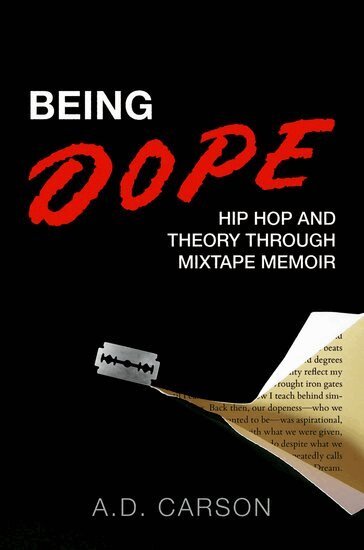
Being Dope is a book that will challenge what you think you know about rap and rappers. It is not a typical memoir and is as much about genre as it is about anything else: history, hip hop scholarship, storytelling, and theorizing through rap. Each section features A.D. Carson's mixtap/e/ssay lyrics alongside poetry, reflective prose, and critical analysis that provide social, historical, academic, and personal context. Being Dope is about permission and sanctioning. As Carson demonstrates, dope is distinct from drugs like illegal is distinct from legal and illicit is distinct from licit. Being Dope is about the rapper as genre, a contested category of human relegated to subhuman status in the public imagination. The book is, therefore, a refusal of this refusal: the rapper being, on his own terms. Dope is rooted in the experiences of Black people in the U.S., including histories of people treated as property, chattel, technology, and the "War on Drugs" - a war on people - its casualties and aftermaths. Dope is also a measure of quality, of cool. Being Dope is about the presence of pasts and futures - methods of intoxication - more than it is about the absence of humility. Being Dope is the beautiful, ugly, abundant, and otherwise art made from the ruins of war and the carnage it leaves.
- Nyhet
286 kr
Skickas inom 5-8 vardagar
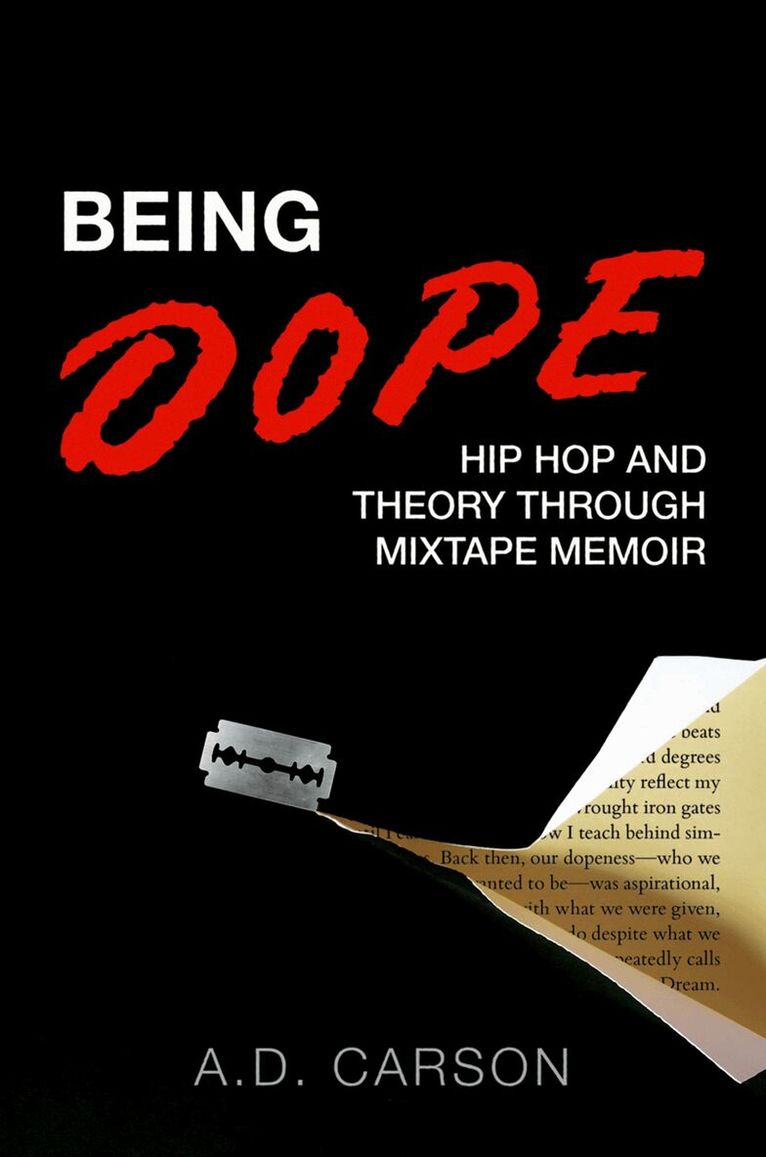
Being Dope is a book that will challenge what you think you know about rap and rappers. It is not a typical memoir and is as much about genre as it is about anything else: history, hip hop scholarship, storytelling, and theorizing through rap. Each section features A.D. Carson's mixtap/e/ssay lyrics alongside poetry, reflective prose, and critical analysis that provide social, historical, academic, and personal context. Being Dope is about permission and sanctioning. As Carson demonstrates, dope is distinct from drugs like illegal is distinct from legal and illicit is distinct from licit. Being Dope is about the rapper as genre, a contested category of human relegated to subhuman status in the public imagination. The book is, therefore, a refusal of this refusal: the rapper being, on his own terms. Dope is rooted in the experiences of Black people in the U.S., including histories of people treated as property, chattel, technology, and the "War on Drugs" - a war on people - its casualties and aftermaths. Dope is also a measure of quality, of cool. Being Dope is about the presence of pasts and futures - methods of intoxication - more than it is about the absence of humility. Being Dope is the beautiful, ugly, abundant, and otherwise art made from the ruins of war and the carnage it leaves.
1 138 kr
Skickas inom 7-10 vardagar
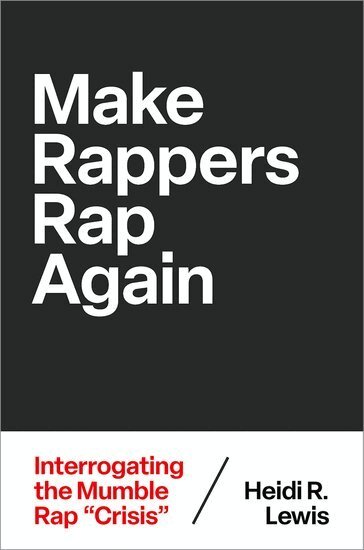
In Make Rappers Rap Again: Interrogating the Mumble Rap “Crisis,” author Heidi R. Lewis interrogates the ways Mumble Rap has been subjugated within real Hip Hop. Many critics claim mumble rappers are ignorant about Hip Hop history, disrespectful toward their Hip Hop elders, too similar, unskilled, prone to rapping about nonsense, and too feminine. In contrast, Lewis argues Mumble Rap is real Hip Hop. To do so, she examines Mumble Rap's congruence with oft forgotten or subjugated Hip Hop cornerstones like illegibility, melody, the DJ, and the subgenre, as well as the ways most mumble rappers practice citational and collaborative politics congruent with real Hip Hop. Following an analysis of the Mumble Rap sound, Lewis explains the subgenre's subjugation by situating it as southern and examining the ways it challenges real Hip Hop masculinity norms.
286 kr
Skickas inom 5-8 vardagar
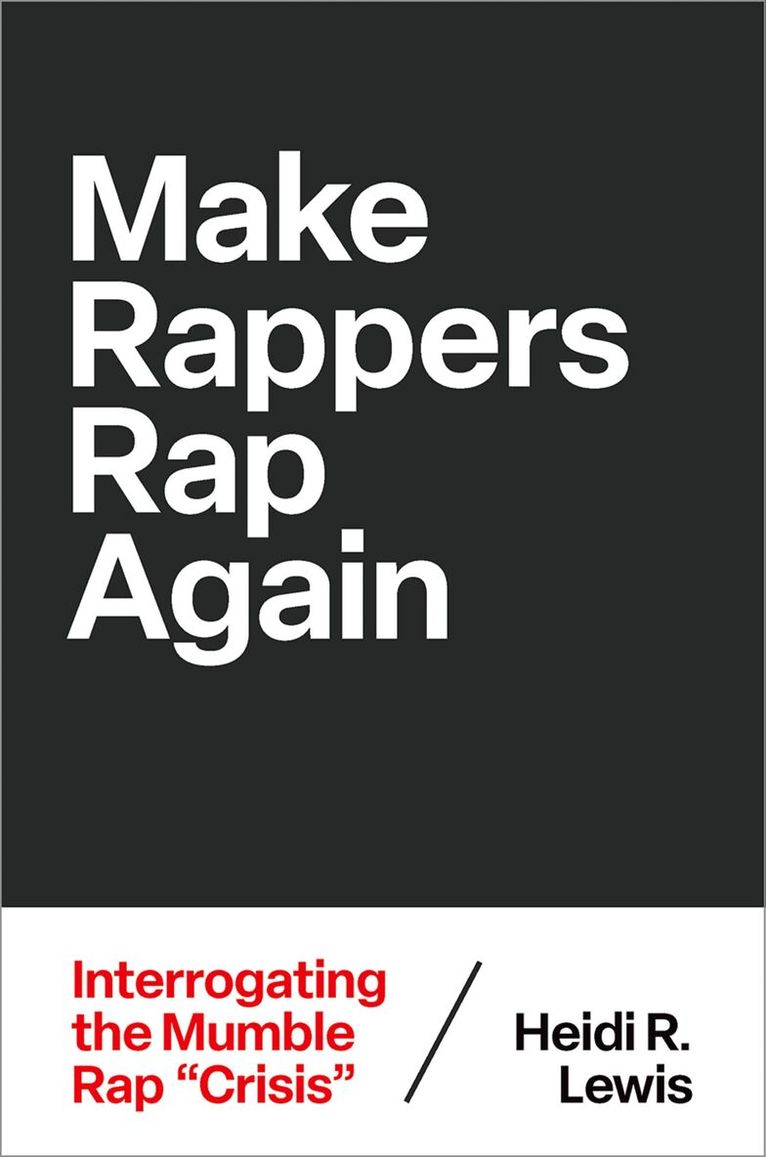
In Make Rappers Rap Again: Interrogating the Mumble Rap “Crisis,” author Heidi R. Lewis interrogates the ways Mumble Rap has been subjugated within real Hip Hop. Many critics claim mumble rappers are ignorant about Hip Hop history, disrespectful toward their Hip Hop elders, too similar, unskilled, prone to rapping about nonsense, and too feminine. In contrast, Lewis argues Mumble Rap is real Hip Hop. To do so, she examines Mumble Rap's congruence with oft forgotten or subjugated Hip Hop cornerstones like illegibility, melody, the DJ, and the subgenre, as well as the ways most mumble rappers practice citational and collaborative politics congruent with real Hip Hop. Following an analysis of the Mumble Rap sound, Lewis explains the subgenre's subjugation by situating it as southern and examining the ways it challenges real Hip Hop masculinity norms.
2 229 kr
Skickas inom 3-6 vardagar
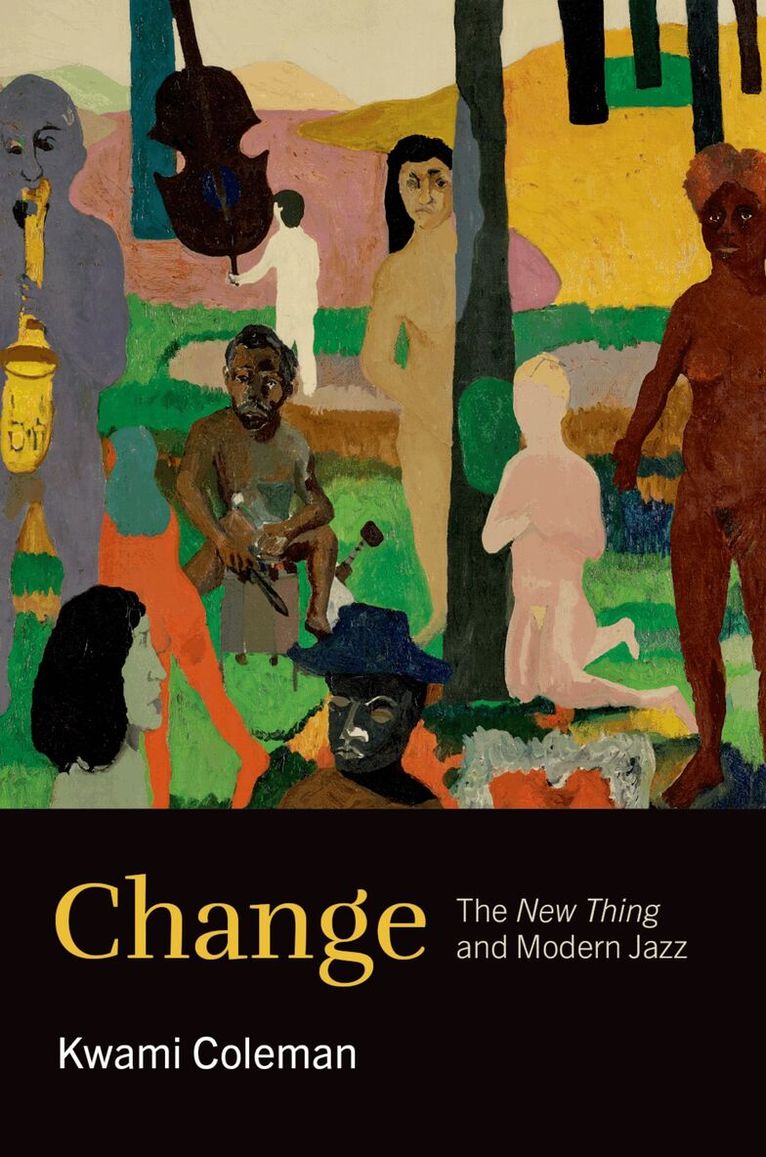
By 1960, musicians, critics, record buyers, and club patrons in New York City agreed that a "new thing" in jazz had arrived. That new thing was what we in the twenty-first century call free jazz, and it represented a significant change within and, for some, a dramatic departure from what was commonly understood as modern jazz. The arresting, abstract sound of the new music pioneered by ensembles led by Ornette Coleman, Cecil Taylor, and other experimentalist improvising musicians became the focal point of an ongoing controversy in the 1960s that called into question their musicianship, legitimacy, and sanity. Flourishing in an age of anti-establishment protest and radical politics--what writer Amiri Baraka characterized as the inevitable expression of Black American culture--and explained by musicians as the product of newfound consciousness, the new thing was, by 1966, almost unanimously dismissed by the music press as the discordant sound of black anger.Author Kwami Coleman integrates musical analyses of key recordings, musician interviews, periodicals, and rare archival sources to tell the story of jazz's emergent avant-garde, providing readers with ways to listen to and understand this innovative and disruptive music. By shining a comprehensive light on an important and still-misunderstood revolutionary moment in experimental music history, he illustrates the fundamental elements of this new music and what made it so experimental within the context of modern jazz. Coleman proposes heterophony--a multi-voice texture where cohesion is achieved by means other than tonal center and meter--as a theoretical lens by which to interpret the affectual force of the new thing's abstract harmonic textures and rhythms. In doing so, he draws connections to the social and political world that enveloped and motivated the musicians, writers, and listeners at the heart of the new thing's practice, recordings, and publicity. In his chronological account of the music's development in the early 1960s, Coleman offers readers a new framework to better understand the aesthetics and converging cultural currents of experimental free improvisation in the 1960s.
286 kr
Skickas inom 5-8 vardagar
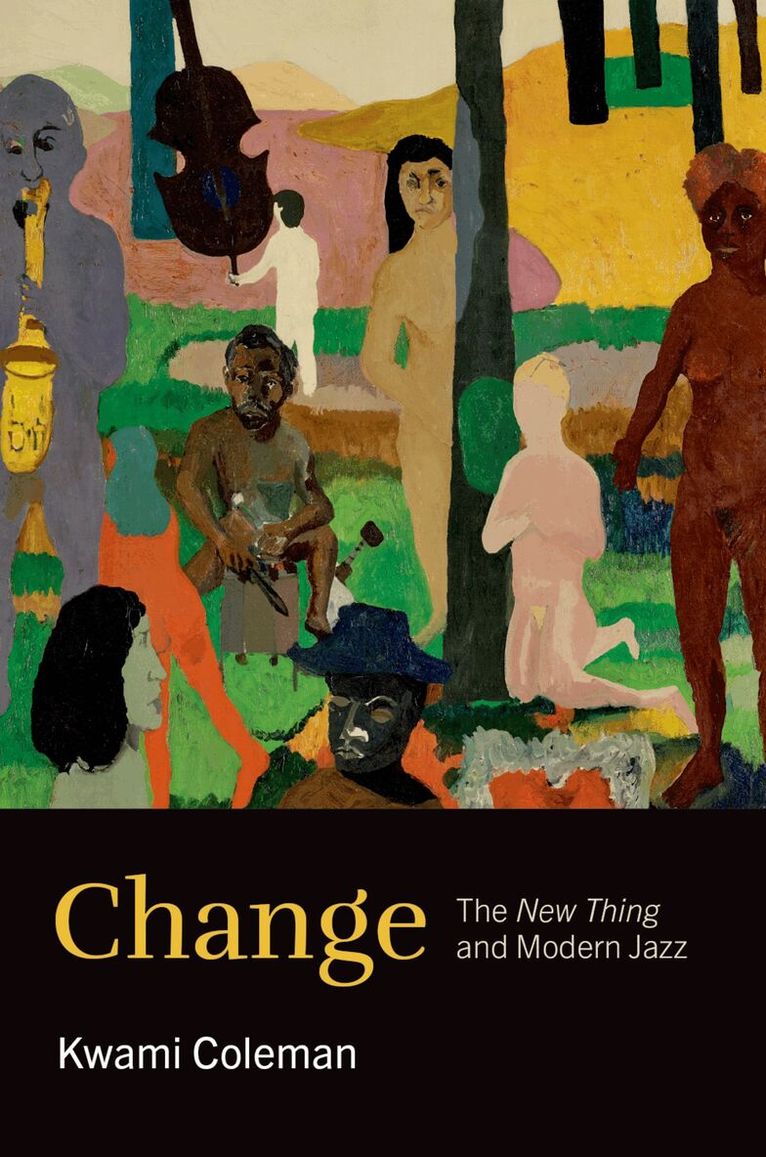
By 1960, musicians, critics, record buyers, and club patrons in New York City agreed that a "new thing" in jazz had arrived. That new thing was what we in the twenty-first century call free jazz, and it represented a significant change within and, for some, a dramatic departure from what was commonly understood as modern jazz. The arresting, abstract sound of the new music pioneered by ensembles led by Ornette Coleman, Cecil Taylor, and other experimentalist improvising musicians became the focal point of an ongoing controversy in the 1960s that called into question their musicianship, legitimacy, and sanity. Flourishing in an age of anti-establishment protest and radical politics--what writer Amiri Baraka characterized as the inevitable expression of Black American culture--and explained by musicians as the product of newfound consciousness, the new thing was, by 1966, almost unanimously dismissed by the music press as the discordant sound of black anger.Author Kwami Coleman integrates musical analyses of key recordings, musician interviews, periodicals, and rare archival sources to tell the story of jazz's emergent avant-garde, providing readers with ways to listen to and understand this innovative and disruptive music. By shining a comprehensive light on an important and still-misunderstood revolutionary moment in experimental music history, he illustrates the fundamental elements of this new music and what made it so experimental within the context of modern jazz. Coleman proposes heterophony--a multi-voice texture where cohesion is achieved by means other than tonal center and meter--as a theoretical lens by which to interpret the affectual force of the new thing's abstract harmonic textures and rhythms. In doing so, he draws connections to the social and political world that enveloped and motivated the musicians, writers, and listeners at the heart of the new thing's practice, recordings, and publicity. In his chronological account of the music's development in the early 1960s, Coleman offers readers a new framework to better understand the aesthetics and converging cultural currents of experimental free improvisation in the 1960s.