Traditions and Transformations in Tibetan Buddhism - Böcker
Visar alla böcker i serien Traditions and Transformations in Tibetan Buddhism. Handla med fri frakt och snabb leverans.
13 produkter
13 produkter
969 kr
Skickas inom 7-10 vardagar
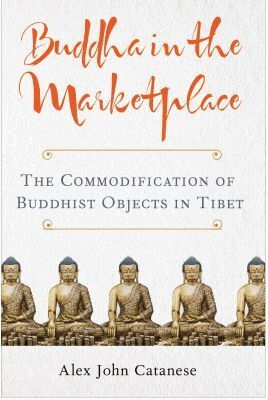
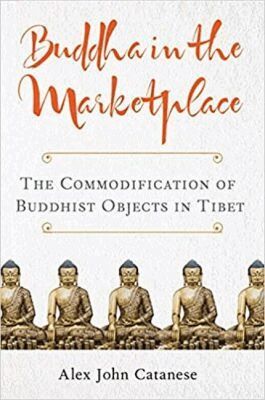
Classical Tibetan Buddhist scriptures forbid the selling of Buddhist objects, and yet there is today a thriving market for Buddhist statues, paintings, and texts. In Buddha in the Marketplace, Alex John Catanese investigates this practice, which continues to be viewed as a form of "wrong livelihood" by modern Tibetan Buddhist scholars and early Buddhist texts such as the Vinaya. Drawing on textual and historical sources, as well as ethnographic research conducted in the region of Amdo, Tibet, Catanese follows the trajectory of Buddhist objects from their status as noncommodities prior to the Cultural Revolution to their emergence as commodities on the open market in the modern period. The book examines why Tibetans have more recently begun to sell such objects for their personal livelihoods when their religious tradition condemns such business activities in the strongest possible terms. Addressing the various societal and religious ramifications of these commercial practices, Catanese illustrates how such activity is leading to significant cultural and economic changes, transforming the "moral economy" associated with Buddhist objects, and contributing to a reinterpretation of Tibetan Buddhist identity.
468 kr
Skickas inom 7-10 vardagar
Classical Tibetan Buddhist scriptures forbid the selling of Buddhist objects, and yet there is today a thriving market for Buddhist statues, paintings, and texts. In Buddha in the Marketplace, Alex John Catanese investigates this practice, which continues to be viewed as a form of "wrong livelihood" by modern Tibetan Buddhist scholars and early Buddhist texts such as the Vinaya. Drawing on textual and historical sources, as well as ethnographic research conducted in the region of Amdo, Tibet, Catanese follows the trajectory of Buddhist objects from their status as noncommodities prior to the Cultural Revolution to their emergence as commodities on the open market in the modern period. The book examines why Tibetans have more recently begun to sell such objects for their personal livelihoods when their religious tradition condemns such business activities in the strongest possible terms. Addressing the various societal and religious ramifications of these commercial practices, Catanese illustrates how such activity is leading to significant cultural and economic changes, transforming the "moral economy" associated with Buddhist objects, and contributing to a reinterpretation of Tibetan Buddhist identity.
1 313 kr
Skickas inom 10-15 vardagar
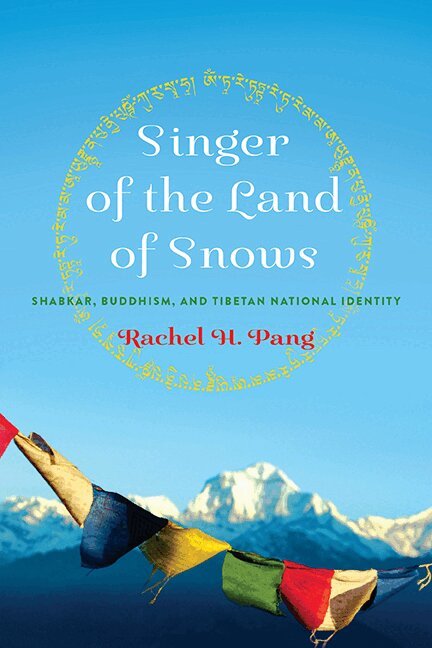
The singular role of Shabkar in the development of the idea of TibetShabkar (1781-1851), the “Singer of the Land of Snows,” was a renowned yogi and poet who, through his autobiography and songs, developed a vision of Tibet as a Buddhist “imagined community.” By incorporating vernacular literature, providing a narrative mapping of the Tibetan plateau, reviving and adapting the legend of Tibetans as Avalokiteśvara’s chosen people, and promoting shared Buddhist values and practices, Shabkar’s concept of Tibet opened up the discursive space for the articulation of modern forms of Tibetan nationalism.Employing analytical lenses of cultural nationalism and literary studies, Rachel Pang explores the indigenous epistemologies of identity, community, and territory that predate contemporary state-centric definitions of nation and nationalism in Tibet, and provides the definitive treatment of this foundational figure.
376 kr
Skickas inom 10-15 vardagar
The singular role of Shabkar in the development of the idea of TibetShabkar (1781–1851), the “Singer of the Land of Snows,” was a renowned yogi and poet who, through his autobiography and songs, developed a vision of Tibet as a Buddhist “imagined community.” By incorporating vernacular literature, providing a narrative mapping of the Tibetan plateau, reviving and adapting the legend of Tibetans as Avalokiteśvara’s chosen people, and promoting shared Buddhist values and practices, Shabkar’s concept of Tibet opened up the discursive space for the articulation of modern forms of Tibetan nationalism. Employing analytical lenses of cultural nationalism and literary studies, Rachel Pang explores the indigenous epistemologies of identity, community, and territory that predate contemporary state-centric definitions of nation and nationalism in Tibet and provides the definitive treatment of this foundational figure.
1 484 kr
Skickas inom 10-15 vardagar
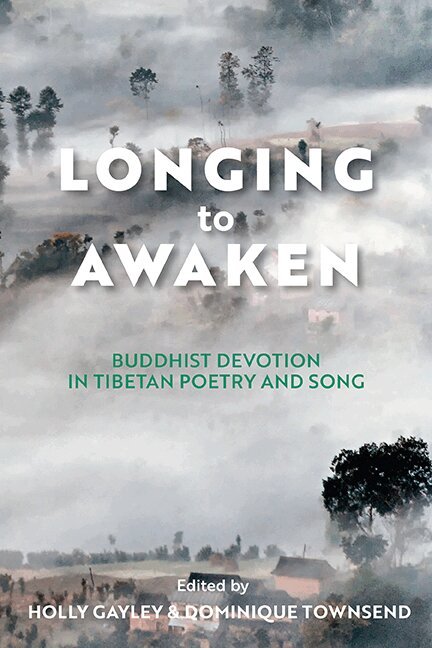
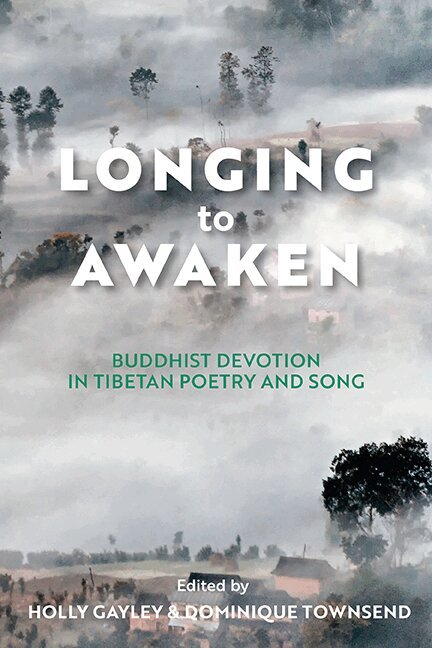
An indispensable collection of Buddhist devotional poems and songsLonging to Awaken features twenty-two translations of Buddhist devotional poems and songs composed by revered Tibetan masters from diverse traditions and time periods. The anthology invites readers to experience a variety of poetic forms that embody a range of emotions, from grief and longing to skepticism and humor, demonstrating the ways that poetry can inspire faith as well as reflect the profundity and at times fraught nature of the teacher-student relationship. This collection gives weight to literary—not simply literal—translation as a crucial endeavor in the transmission of Buddhism today, one with the potential to raise the profile of Tibetan poetry onto the stage of global literature.
346 kr
Skickas inom 10-15 vardagar
An indispensable collection of Buddhist devotional poems and songsLonging to Awaken features twenty-two translations of Buddhist devotional poems and songs composed by revered Tibetan masters from diverse traditions and time periods. The anthology invites readers to experience a variety of poetic forms that embody a range of emotions, from grief and longing to skepticism and humor, demonstrating the ways that poetry can inspire faith as well as reflect the profundity and at times fraught nature of the teacher-student relationship. This collection gives weight to literary—not simply literal—translation as a crucial endeavor in the transmission of Buddhism today, one with the potential to raise the profile of Tibetan poetry onto the stage of global literature.
1 291 kr
Skickas inom 10-15 vardagar
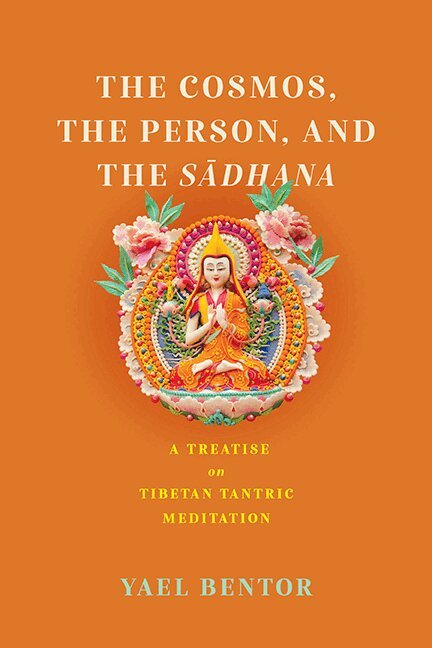
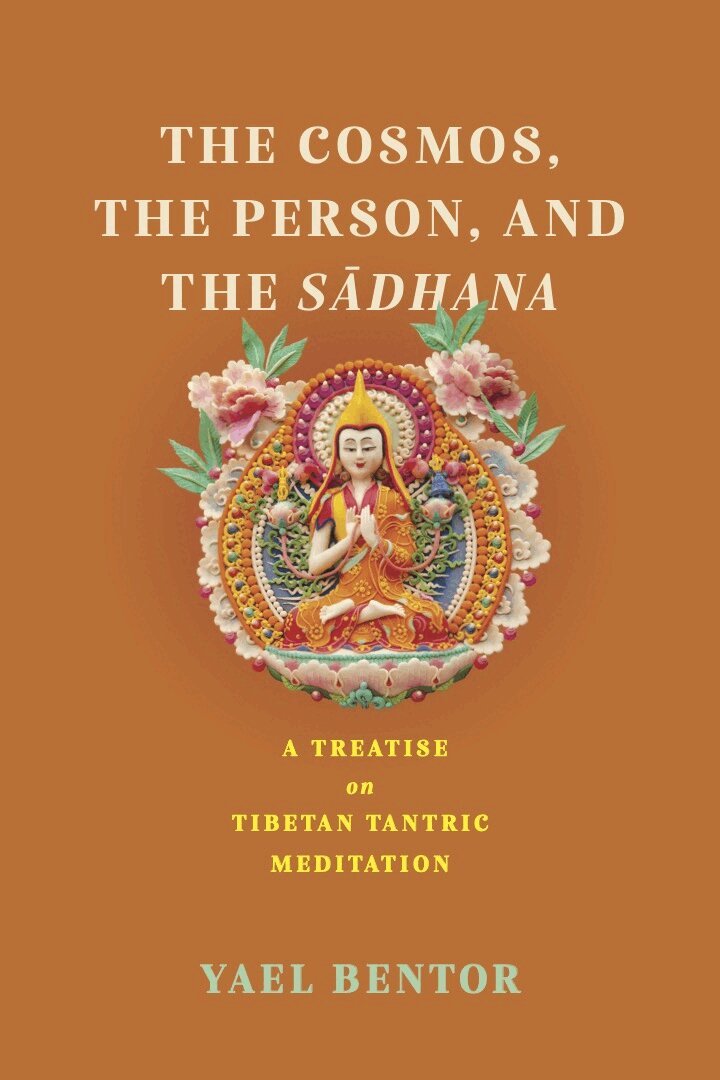
A new translation and interpretation of a seminal fourteenth-century treatise on Tibetan Buddhist meditationSādhana, which translates as “realization,” is the primary form of meditation in the Tantric Buddhism of Tibet. In this spiritual exercise, practitioners dissolve their ordinary reality—their identity and environment—and in its place visualize an awakened being. Eventually they actually transform into this divine being. In this vital new volume, Yael Bentor offers an invaluable translation of Tsongkhapa Lobzang Drakpa’s famous treatise on this form of meditation.Tsongkhapa was an influential monk, philosopher, and tantric yogi whose activities led to the formation of one of the four main schools of Tibetan Buddhism. His treatise draws fascinating links between tantric practice, cosmogony, and the life cycle of a yogi engaged in the practice. Bentor’s vivid translation, accompanied by her expert introduction and commentary, provides the grounding necessary to properly understand the text, tracing the reception and trajectory of Tsongkhapa’s work through history and evaluating its great relevance up to the present day.
355 kr
Skickas inom 10-15 vardagar
A new translation and interpretation of a seminal fourteenth-century treatise on Tibetan Buddhist meditationSādhana, which translates as “realization,” is the primary form of meditation in the Tantric Buddhism of Tibet. In this spiritual exercise, practitioners dissolve their ordinary reality—their identity and environment—and in its place visualize an awakened being. Eventually they actually transform into this divine being. In this vital new volume, Yael Bentor offers an invaluable translation of Tsongkhapa Lobzang Drakpa’s famous treatise on this form of meditation.Tsongkhapa was an influential monk, philosopher, and tantric yogi whose activities led to the formation of one of the four main schools of Tibetan Buddhism. His treatise draws fascinating links between tantric practice, cosmogony, and the life cycle of a yogi engaged in the practice. Bentor’s vivid translation, accompanied by her expert introduction and commentary, provides the grounding necessary to properly understand the text, tracing the reception and trajectory of Tsongkhapa’s work through history and evaluating its great relevance up to the present day.
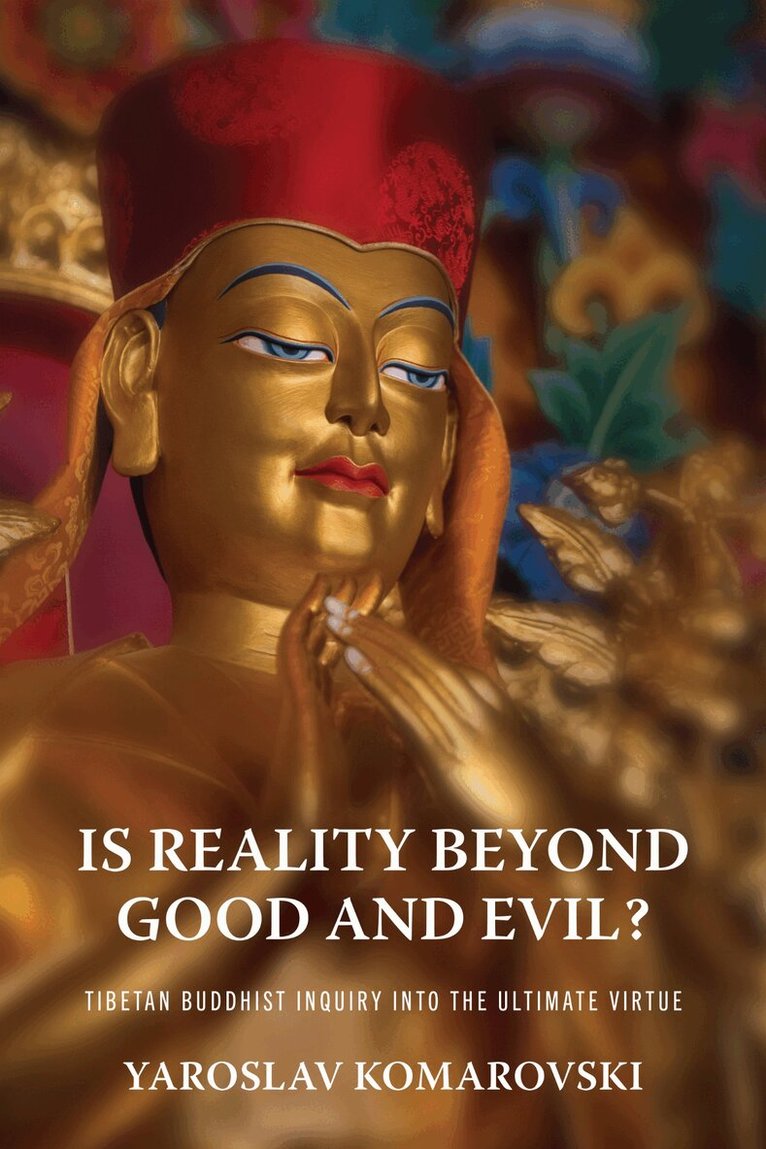
Is Reality Beyond Good and Evil?
Tibetan Buddhist Inquiry Into the Ultimate Virtue
Inbunden, Engelska, 2024
1 237 kr
Skickas inom 10-15 vardagar
Illuminates the debate on the nature of virtue and ultimate realityTibetan Buddhist thinkers agree that, on the most fundamental level, our nature is pure. What exactly that ultimate nature is, however, remains the subject of debate. Yaroslav Komarovski’s new book appraises how divergent understandings of the ultimate nature by Tibetan thinkers, including ideas informed by two conflicting yet complementary systems of Buddhist thought—Yogācāra and Madhyamaka—affect their diverse approaches to understanding virtue, and how their understandings of virtue in turn relate to their approaches to the Buddhist thought and practice. Tracing the origins of the polemics on ultimate virtue back to the Indian texts and writings of early Tibetan thinkers, Komarovski focuses chiefly on the works of the two seminal thinkers of the Sakya tradition of Tibetan Buddhism, Serdok Penchen Shakya Chokden (1428–1507) and Gowo Rapjampa SÖnam SenggÉ (1429–1489), and offers both a learned summary of a historical controversy and a modern commentary on this vital debate.
Is Reality Beyond Good and Evil?
Tibetan Buddhist Inquiry Into the Ultimate Virtue
Häftad, Engelska, 2024
261 kr
Skickas inom 10-15 vardagar
Illuminates the debate on the nature of virtue and ultimate realityTibetan Buddhist thinkers agree that, on the most fundamental level, our nature is pure. What exactly that ultimate nature is, however, remains the subject of debate. Yaroslav Komarovski’s new book appraises how divergent understandings of the ultimate nature by Tibetan thinkers, including ideas informed by two conflicting yet complementary systems of Buddhist thought—Yogācāra and Madhyamaka—affect their diverse approaches to understanding virtue, and how their understandings of virtue in turn relate to their approaches to the Buddhist thought and practice. Tracing the origins of the polemics on ultimate virtue back to the Indian texts and writings of early Tibetan thinkers, Komarovski focuses chiefly on the works of the two seminal thinkers of the Sakya tradition of Tibetan Buddhism, Serdok Penchen Shakya Chokden (1428–1507) and Gowo Rapjampa SÖnam SenggÉ (1429–1489), and offers both a learned summary of a historical controversy and a modern commentary on this vital debate.
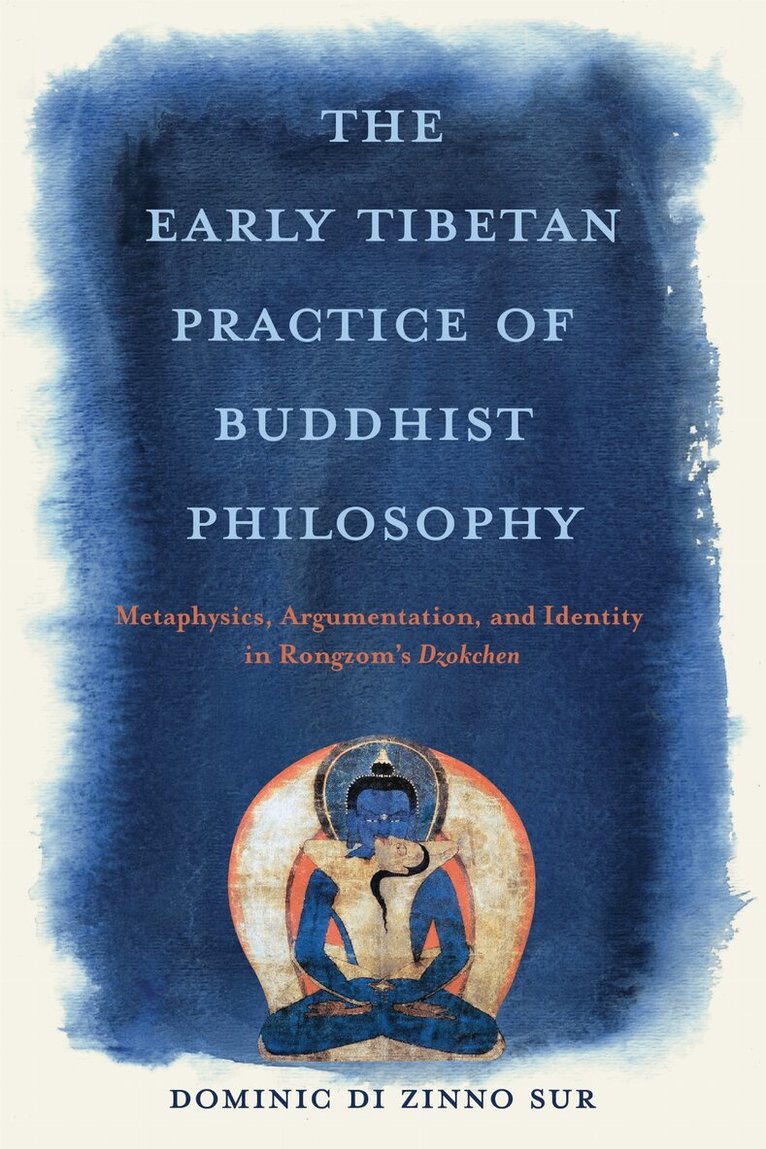
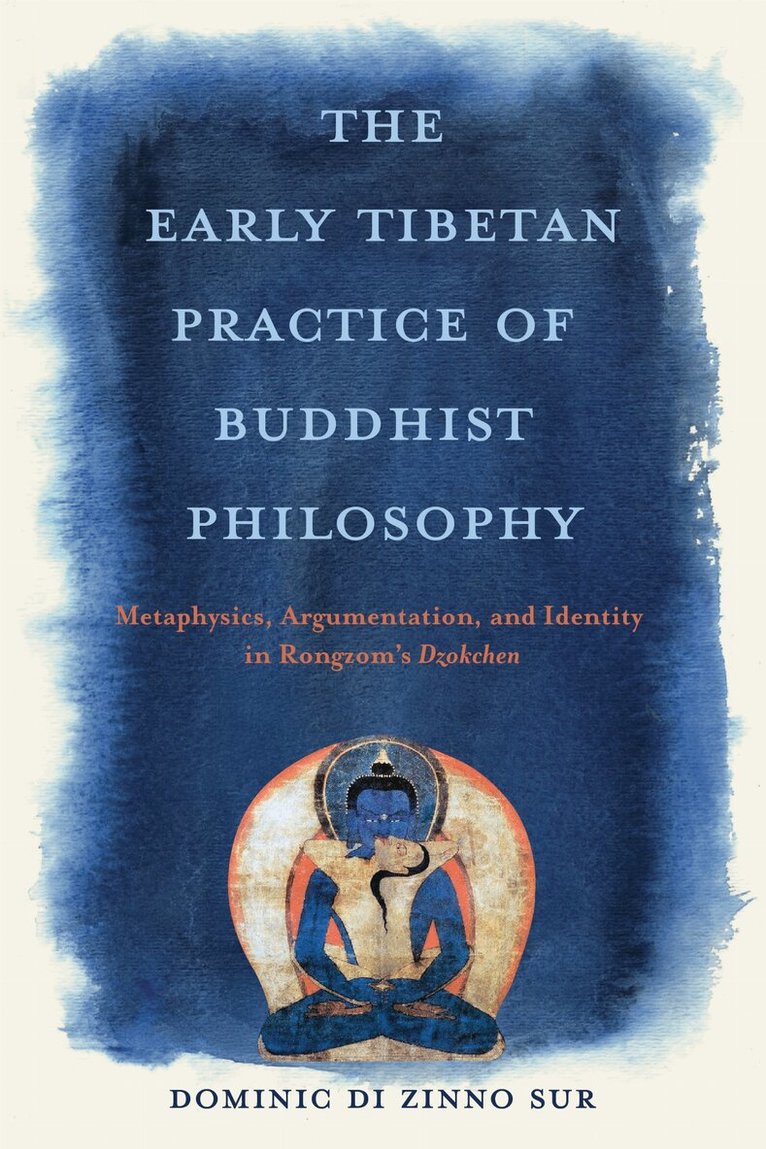
Early Tibetan Practice of Buddhist Philosophy
Metaphysics, Argumentation, and Identity in Rongzom's Dzokchen
Häftad, Engelska, 2026
658 kr
Skickas inom 3-6 vardagar
Identifying the roots of the Tibetan Practice of Buddhist Philosophy in one seminal text When, and why, did Tibetans first begin to practice Buddhist philosophy? What was the impetus behind this pivotal cultural development, now so inextricable from Tibetan identity? Dominic Sur illuminates this defining historical moment with his examination of the emergence of early dzokchen philosophy, a distinctive style of Buddhist thought and practice characteristic of Tibet. Sur offers a groundbreaking analysis of the form and content of Entering the Way of the Great Vehicle—Tibetan Buddhism’s first polemical apology, in which the great eleventh-century translator and polymath Rongzom ChÖkyi Zangpo presented a creative and masterful philosophical defense of authenticity and authority in Tibetan dzokchen—and documents the historical context and ideas that informed Rongzom’s foundational work. This is the authoritative intellectual history of the early Tibetan practice of Buddhist philosophy and the development of dzokchen, one that establishes Sur’s status as a leading voice in the field.
Bodhisattva's Body in a Pill
The Material and Spiritual History of a Buddhist Relic Tradition
Inbunden, Engelska, 2026
1 362 kr
Kommande
The first historical study of the medicinal mani pill and its profound spiritual significance in Tibetan religion and cultureThe maṇi pill is one of the most popular relic traditions in Tibetan Buddhism. Treasured around the globe, maṇi pills are small edible pellets formed from mixing the powdered bodily remains of buddhas and bodhisattvas with ingredients used in Tibetan medicine and sanctified through a tantric liturgy. Maṇi pills are today predominantly produced by the Fourteenth Dalai Lama Tenzin Gyatso, who consecrates and distributes hundreds of thousands annually, but the tradition of producing and consuming maṇi pills stretches back more than a millennium.Examining the broad cultural history of Buddhist tantra in Tibet through the lens of the maṇi pill, James Duncan Gentry illustrates how these pills have influenced Tibetan conceptions of the body, medicine, healing, collective identity, and shared past; how they have functioned as a point of interaction, contestation, and negotiation between different Buddhist sects and institutions; and how they have created and shaped social bonds and religious identity across Tibet and beyond to the present day.
Bodhisattva's Body in a Pill
The Material and Spiritual History of a Buddhist Relic Tradition
Häftad, Engelska, 2026
485 kr
Kommande
The first historical study of the medicinal mani pill and its profound spiritual significance in Tibetan religion and cultureThe maṇi pill is one of the most popular relic traditions in Tibetan Buddhism. Treasured around the globe, maṇi pills are small edible pellets formed from mixing the powdered bodily remains of buddhas and bodhisattvas with ingredients used in Tibetan medicine and sanctified through a tantric liturgy. Maṇi pills are today predominantly produced by the Fourteenth Dalai Lama Tenzin Gyatso, who consecrates and distributes hundreds of thousands annually, but the tradition of producing and consuming maṇi pills stretches back more than a millennium.Examining the broad cultural history of Buddhist tantra in Tibet through the lens of the maṇi pill, James Duncan Gentry illustrates how these pills have influenced Tibetan conceptions of the body, medicine, healing, collective identity, and shared past; how they have functioned as a point of interaction, contestation, and negotiation between different Buddhist sects and institutions; and how they have created and shaped social bonds and religious identity across Tibet and beyond to the present day.