Trailblazing Women - Böcker
Visar alla böcker i serien Trailblazing Women. Handla med fri frakt och snabb leverans.
13 produkter
13 produkter
158 kr
Skickas
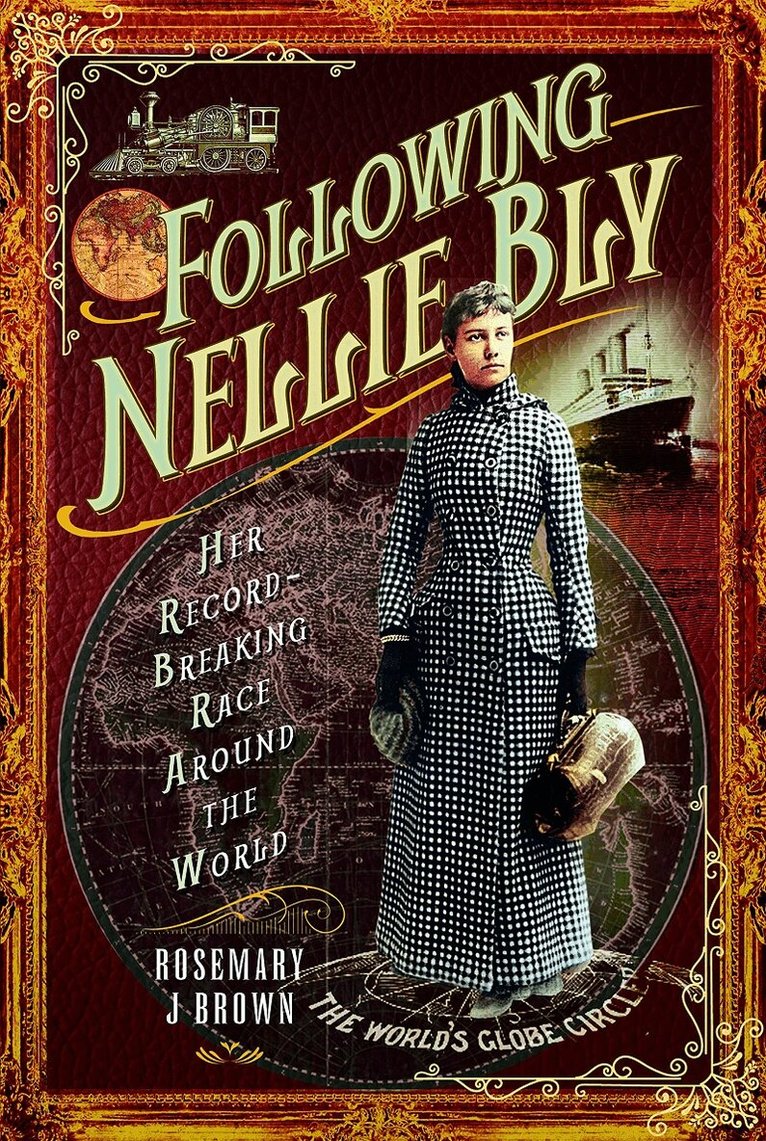
Intrepid journalist Nellie Bly raced through a man's world' alone and literally with just the clothes on her back to beat the fictional record set by Jules Verne's Phileas Fogg in Around the World in 80 Days. She won the race on 25 January 1890, covering 21,740 miles by ocean liner and train in 72 days, and became a global celebrity. Although best known for her record-breaking journey, even more importantly Nellie Bly pioneered investigative journalism and paved the way for women in the newsroom. Throughout her career, Bly's reportage gave voices to vulnerable people and challenged oppression wherever she found it. Her steadfast conviction that nothing is impossible' makes the world she circled a better place.Adventurer, journalist and author, Rosemary J Brown, set off 125 years later to retrace Nellie Bly's footsteps in an expedition registered with the Royal Geographical Society. Through her recreation of that epic global journey, she brings to life Nellie Bly's remarkable achievements and shines a light on one of the world's greatest female adventurers and a forgotten heroine of history.
181 kr
Skickas
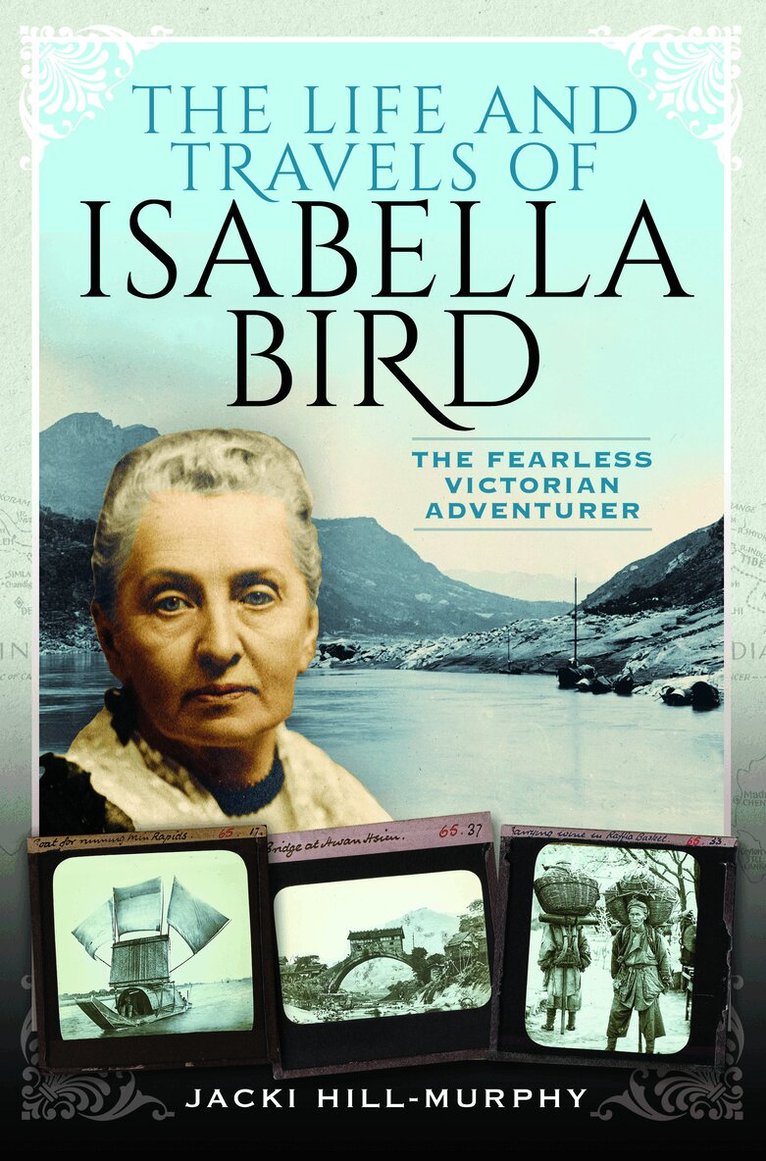
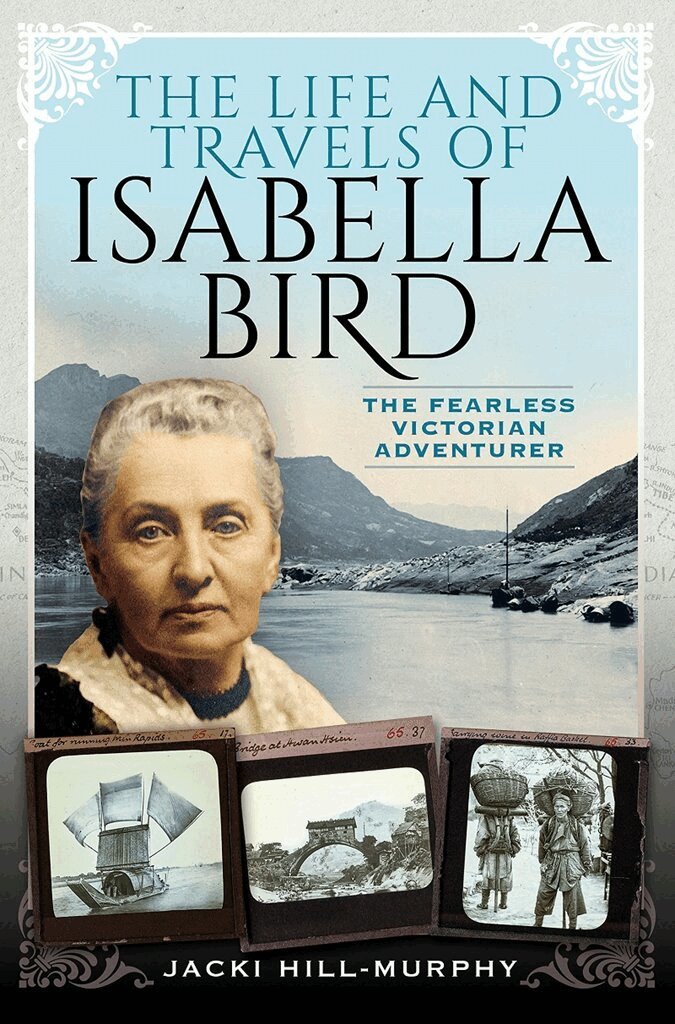
Isabella Bird travelled to the wildest places on earth, but at home in Britain she lay in bed, hardly able to write: 'an invalid at home and a Samson abroad'.In Japan she rode on a 'yezo savage' through foaming floods along unbeaten tracks, and was followed in the city by a crowd of a thousand, whose clogs clattered 'like a hailstorm' as they vied for a glimpse of the foreigner. She documented America before and after the Civil War and was deported from Korea with only the tweed suit she stood up in during a Japanese invasion. In China she was attacked with rocks and sticks and called a foreign dog, but she never gave up and went home. 'The prospect of the unknown has its charms.'Transformed by distant lands, she crossed raging floods, rode elephants, cows and yak, clung to her horse's neck as it clambered down cliff paths, slept on simple mats on the bare ground, unable to change out of wet clothes or get out of the searing heat.Her travels and the books she wrote about them show courage and tenacity, fuelled by a restless spirit and a love of nature. She is as unique now as she was then.
274 kr
Skickas
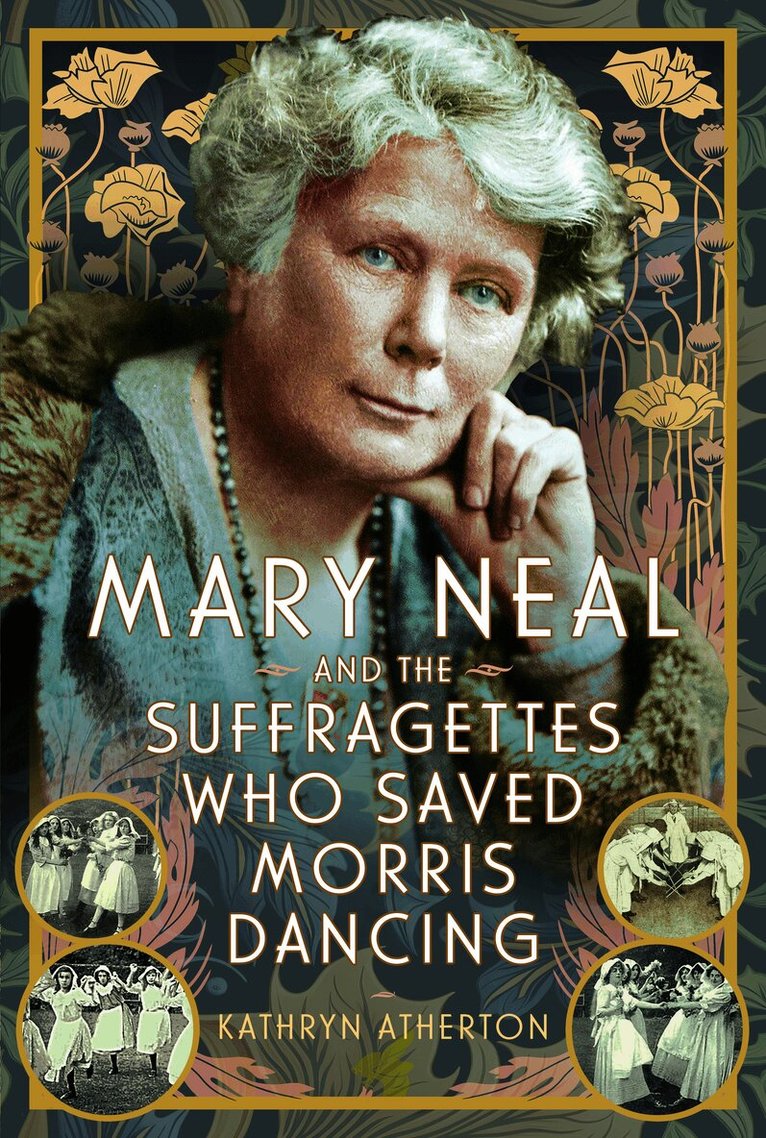
At the beginning of the 20th century Morris dancing had all but died out in much of England. It was militant suffragettes and slum girls who kick-started the revival that returned the forgotten dances of the countryside to towns and villages across the nation. As a result of their commitment to preserve and pass on the dances, the Morris survived as a living tradition that is still performed to this day. And the impetus to do so came from the women’s aspiration to change society for the better, the same impetus that drove them to militant action and to prison.The Morris revival and the militant suffrage movement were inextricably linked. The leader of the dance revival, Mary Neal, was a life-long radical campaigner for the rights of women and children. With her friend Emmeline Pethick she ran the Esperance Girls’ Club in one of London’s most deprived areas. She and Emmeline both sat on the national committee of Mrs Pankhurst’s militant Women’s Social and Political Union, the most notorious of the groups campaigning for the vote for women.The women’s embrace of traditional dance was rooted in Mary’s aspirations for equality and her commitment to social and political reform. The beginning of the dance revival and the launch of the militant suffragette campaign in London coincided almost exactly. Launched by a rather forlorn band of rebels, the WSPU grew into a movement capable of inspiring loyalty and loathing in equal measure. The Morris revival developed from an entertainment in a club for impoverished girls into a nationwide initiative. Mary and Emmeline’s associates in the dance revival ranged from young girls who worked in the militant campaign’s offices to hunger-striking daughters of the aristocracy.Mary and Emmeline provided the leadership and commitment that enabled two radical movements to flourish in the early years of the 20th century, but both found themselves marginalised after policy disagreements – with the folklorist Cecil Sharp and Mrs Pankhurst respectively - led to devastating splits in their respective organisations. Both then found themselves misrepresented and written out of the histories of movements which might never have got off the ground without them. Only in recent decades have women begun to reclaim their place in the Morris dance movement, the very existence of which is a legacy of the militant campaign for the vote.
228 kr
Skickas
Speed Queens is a history of women in motorsport, from the very beginning in 1897 to the modern era. Tracing the different ways that women have found into motor racing and rallying, it covers over a century of stories across the world. Each chapter takes a particular event as an introduction to a racer and her contemporaries, taking a different theme each time and moving forward through history. Circuit racing and rallying are both covered.Much more than a collection of profiles and lists of achievements, it explores ideas including sportswomen as performers in the early 20th century, women, death and risk and how the expansion of small car production in the 1960s benefitted female drivers.Some of the best-known female competitors such as Michele Mouton (rallying) and Lella Lombardi (Formula 1) make appearances, but Speed Queens is not just concerned with big names and historic firsts . For every woman to be the first to do something on wheels, there were usually several others vying for that honour. In this book, they are given back their place in the story and their relationships to one another examined.
221 kr
Skickas
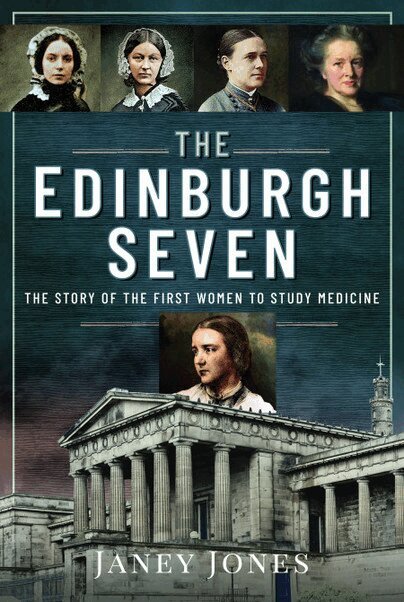
Women have healed since the beginning of time, but accessing a formal degree in medicine was impossible for them in Britain until the late 19th century. In 1869, a group of women began arriving in Edinburgh to study at the medical faculty, led by the indomitable Sophia Jex Blake. They would eventually be known around the world as The Edinburgh Seven. They were delighted to become students of medicine and as Sophia said, they simply wanted 'a fair field and no favour'. But some of the traditional professors at the university did not approve of women becoming practising doctors. The medical women would soon discover that they were welcome as hobbyists but not as competitors with male students. There were legal wrangles, court cases, personal attacks and even a full blown riot - all because some male medics wanted rid of the women. And the women did leave Edinburgh - without degrees. But they finished their studies in mainland Europe and came back as fully fledged doctors. In 2019, the University of Edinburgh awarded the Seven their degrees posthumously via current day medical students. At last, the right thing was done, but the struggles of the original Seven should never be forgotten. This is their story.
208 kr
Skickas
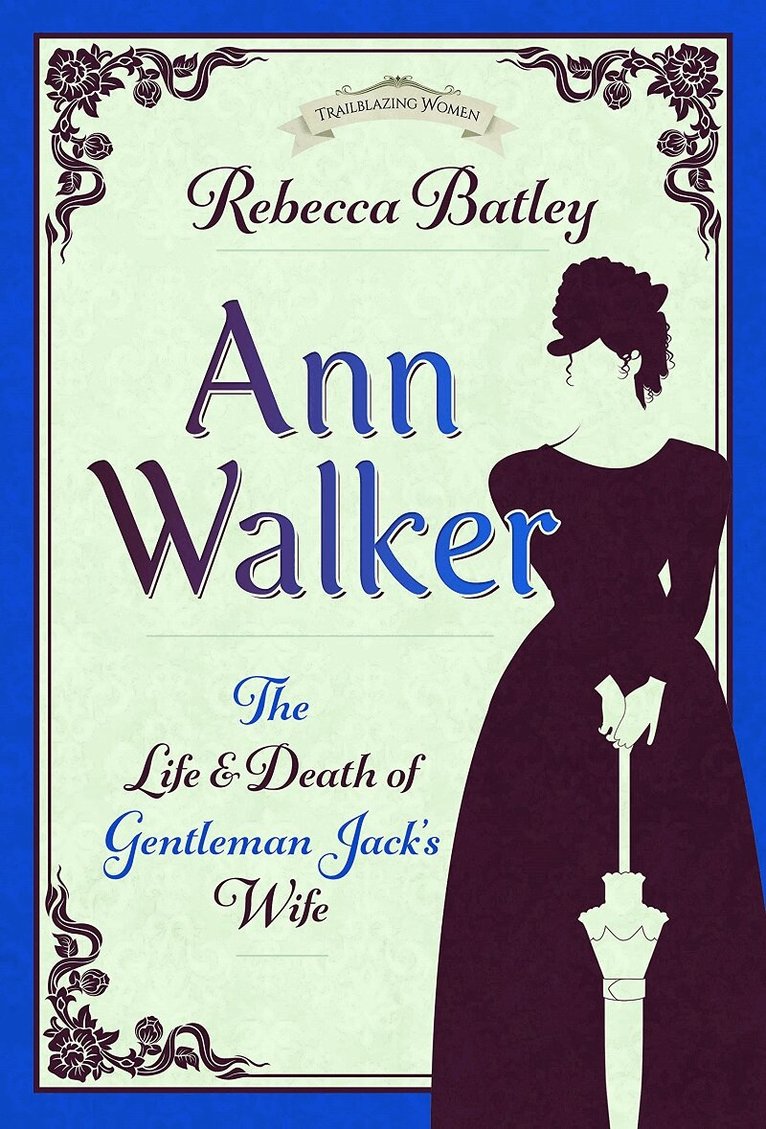
Lesbian. Lover. Lunatic.These are just some of the words usually used to describe Ann Walker, the oft overlooked wife of Anne Lister, better known by some as Gentleman Jack. Ann was one half of England's first same-sex marriage and yet the rainbow plaque that marks their historic union on the wall of the Holy Trinity Church, York, features Ann's name in a font only half the size of her wife's. Her story has been long forgotten.Born into wealth and privilege Ann was one of the most eligible heiresses in 19th century Yorkshire and the question on everyone's lips in 1830's Halifax was why a respectable young heiress, with property, fortune and connection risked everything, even her freedom, to become entangled with the notorious Gentleman Jack?The answer to this question reveals a woman of immense courage, faith, and determination, but her voice has remained silent .until now. Within the depths of Ann's diary - discovered by Diane Halford in 2020 - the answers to some of the above questions can be found, as can insight into Ann as an independent woman.The life of Ann is worthy of its own narrative and it is time for Ann to step out of the shadow of Gentleman Jack and tell her own story.
208 kr
Skickas
Intrepid journalist Nellie Bly raced through a 'man's world' - alone and literally with just the clothes on her back - to beat the fictional record set by Jules Verne's Phileas Fogg in Around the World in 80 Days. She won the race on 25 January 1890, covering 21,740 miles by ocean liner and train in 72 days, and became a global celebrity. Although best known for her record-breaking journey, even more importantly Nellie Bly pioneered investigative journalism and paved the way for women in the newsroom. Her undercover reporting, advocacy for women's rights, crusades for vulnerable children, campaigns against oppression and steadfast conviction that 'nothing is impossible' makes the world that she circled a better place.Adventurer, journalist and author, Rosemary J Brown, set off 125 years later to retrace Nellie Bly's footsteps in an expedition registered with the Royal Geographical Society. Through her recreation of that epic global journey, she brings to life Nellie Bly's remarkable achievements and shines a light on one of the world's greatest female adventurers and a forgotten heroine of history.
239 kr
Skickas
Isabella Bird travelled to the wildest places on earth, but at home in Britain she lay in bed, hardly able to write: 'an invalid at home and a Samson abroad'.In Japan she rode on a 'yezo savage' through foaming floods along unbeaten tracks, and was followed in the city by a crowd of a thousand, whose clogs clattered 'like a hailstorm' as they vied for a glimpse of the foreigner. She documented America before and after the Civil War and was deported from Korea with only the tweed suit she stood up in during a Japanese invasion. In China she was attacked with rocks and sticks and called a foreign dog, but she never gave up and went home. 'The prospect of the unknown has its charms.'Transformed by distant lands, she crossed raging floods, rode elephants, cows and yak, clung to her horse's neck as it clambered down cliff paths, slept on simple mats on the bare ground, unable to change out of wet clothes or get out of the searing heat.Her travels and the books she wrote about them show courage and tenacity, fuelled by a restless spirit and a love of nature. She is as unique now as she was then.
168 kr
Skickas
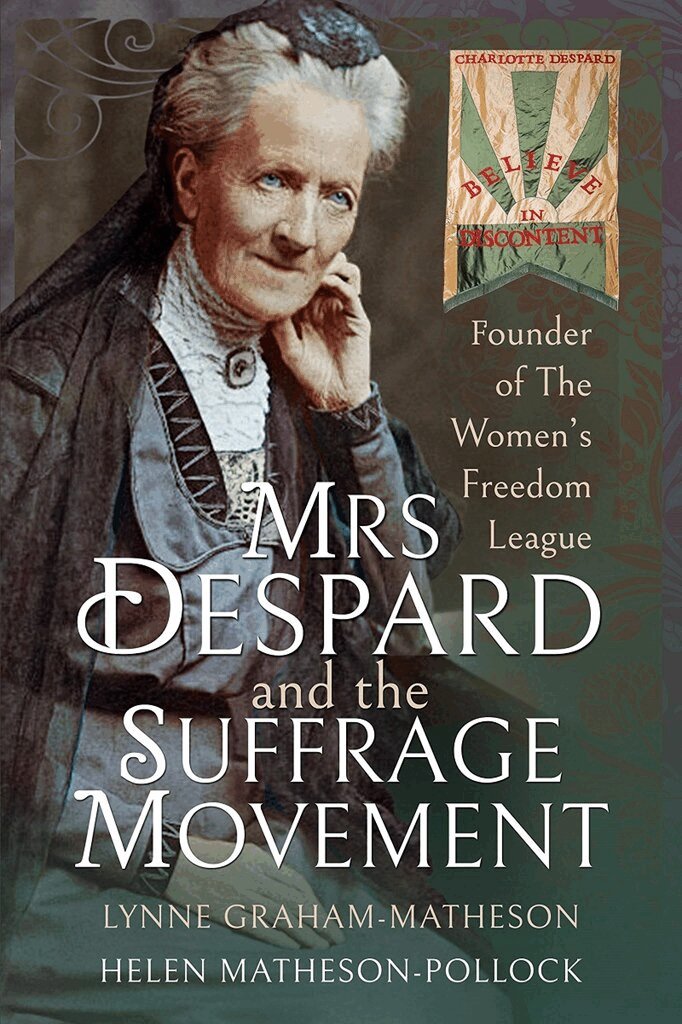
Charlotte Despard, social reformer and suffragette, was always known as Mrs Despard, never Charlotte. Her name should be synonymous with those of Emmeline Pankhurst and Millicent Fawcett; instead, she remains overlooked.Born in 1844, Charlotte's childhood was difficult: she found solace in great literature, identifying with Milton and the romantic words of Shelley. She married Maximillian Despard and had the opportunity to explore the world and try her hand at a career as a novelist.Widowed in her early 40s, her money and status allowed her to live a life of surprising freedom for a woman of her time. Charlotte devoted her life to improving the lot of the poor and moved to live among them in the London slums. She fought for better and fairer living/working conditions for all, supporting adult suffrage before becoming heavily involved in the fight for votes for women. She joined Emmeline Pankhurst's Women's Social and Political Union and when that organisation split in 1907 co-founded the Women's Freedom League, becoming its first, much loved, president. She also served as editor and major contributor to its newspaper, The Vote. When suffrage activities were largely suspended after the outbreak of WW1 in 1914, she returned to her Irish roots and moved to Dublin to support the fight for Irish home rule. After some women were enfranchised in 1918 she tried to capitalise on the upturn for women's political freedom (unsuccessfully) running for Parliament.Charlotte's political and public career ended tragically when she died in Belfast aged 95, penniless and alone, having given all her money to helping the less fortunate. Charlotte's quiet legacy continues to this day in her work particularly for the rights of women and children.
258 kr
Skickas
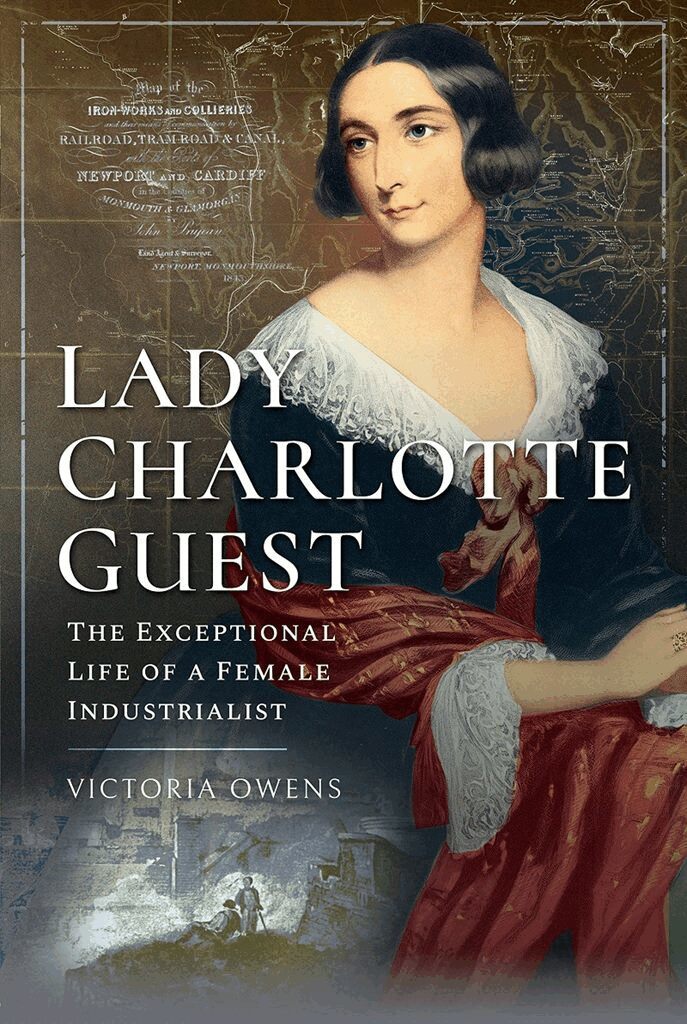
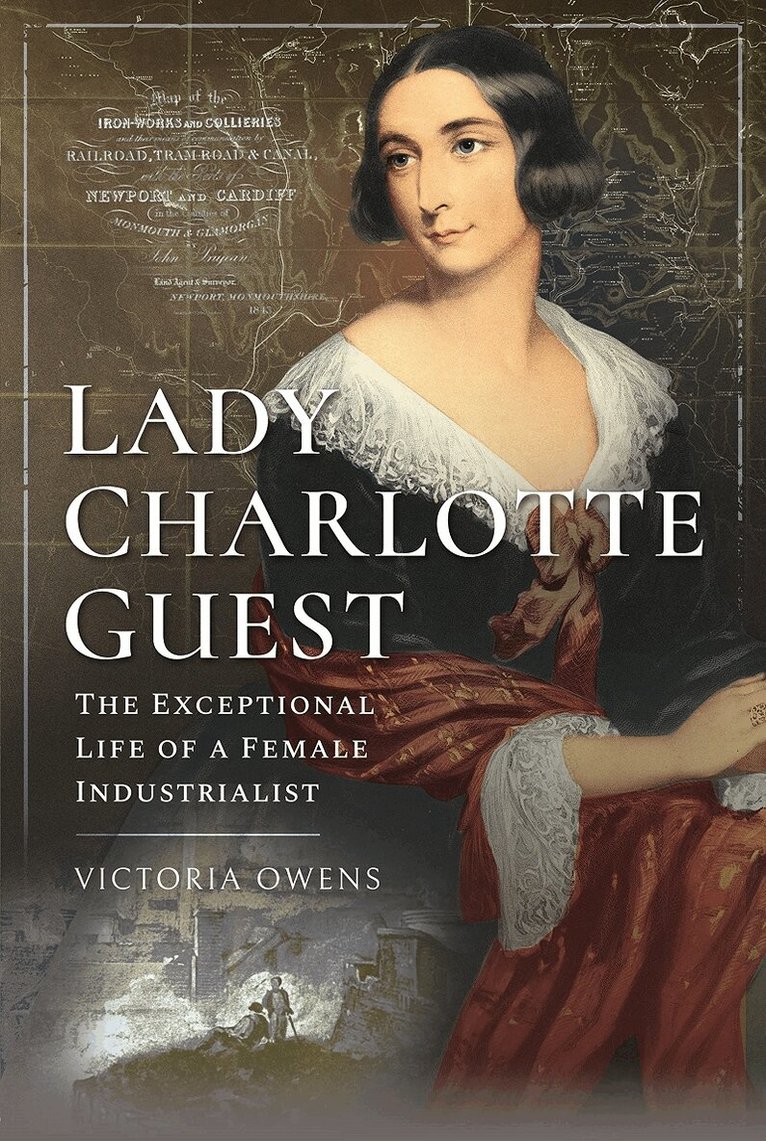
When impoverished aristocrat Lady Charlotte Bertie married wealthy Welsh ironmaster John Guest of Dowlais in 1833, her relatives looked on with dismay. Yet despite their vast difference of background and age, over their nineteen-year long marriage, husband and wife enjoyed great happiness and much adventure. There would be ten children and while John built up an immense commercial empire, Charlotte championed Welsh culture.Crucially, she taught herself John's business from the inside. Over the years, she made the keenest observation of iron production, the fluctuations of the trade and the engineering innovations that touched upon its developments. When John died in 1852, she was therefore uniquely well-placed to succeed him as head of the works - a remarkable position for a Victorian woman. Not only did she endeavour to introduce reforms, but also - rather to her dismay - had to weather a potentially destructive strike.But success came at a price. With her star to all sight in the ascendant, Lady Charlotte suddenly chose to abandon all, leave Wales and marry her sons' tutor. This book traces the ardent, creative years of her first marriage, explores her determination - widowed - to preserve John's legacy, and observes her growing devotion to the scholarly Charles Schreiber.
168 kr
Skickas
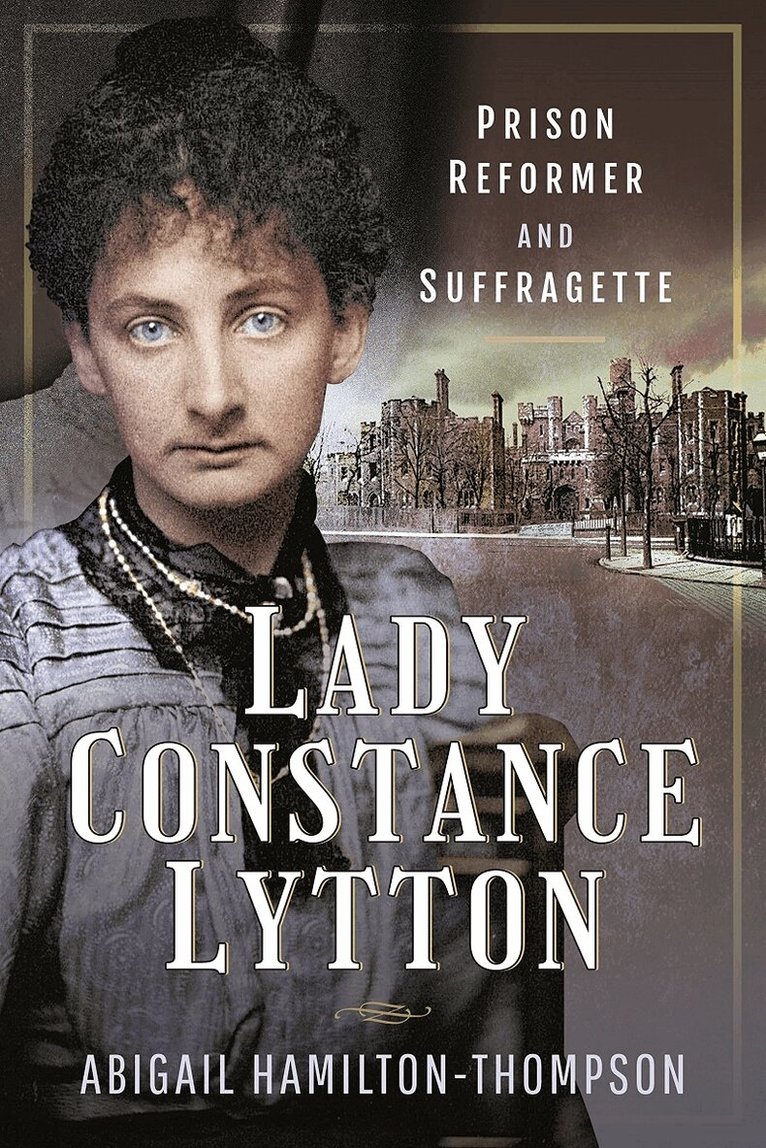
Prisons, as you know, have been my hobby wrote the prominent suffragette Lady Constance Bulwer-Lytton. An influential British activist as well as a writer, speaker and campaigner for votes for women - and not forgetting prison reform - Constance Lytton was born in Vienna and spent the first eleven years of her life in India (her father was the Viceroy). After meeting a number of suffragettes, particularly at the Esperance Club and including Emmeline Pethick-Lawrence, Constance took on the 'hobby' of prison reform. She later demonstrated at the House of Commons, along with fellow suffragettes and was arrested, imprisoned, but subsequently released due to her social position and health. Whilst in Holloway Prison in March 1909, she carved the outline of a V on her chest. Outraged by the treatment of fellow suffragettes of a lower class, in January 1910 she took on the pseudonym of Jane Warton to avoid release and suffered much mistreatment, including forcible feeding, at the hands of the prison warders. She was to include these experiences in her book, Prisons and Prisoners. Constance Lytton died in 1923 after many health complications, but with the knowledge that (some) women over the age of 30 had finally been given the right to vote.
208 kr
Skickas
We are not all born with equal opportunities. Yet there have been countless women who have overcome a range of barriers such as prejudice, illness, and personal tragedy to advance our understanding of science, technology, engineering, and mathematics (STEM). They used their knowledge to change the world, and their stories are fascinating. This book offers a concise introduction to the lives of 45 women, taking you into the cultural and social context of the world they lived in. Through their intelligence, courage, and resilience, they used STEM to defy expectations and inspire generations to follow in their footsteps. Some of them invented items we use day-to-day and discovered causes and treatments for epidemics that ostracised whole sections of society, whilst others campaigned for the reproductive rights of women and harnessed mathematics to send people into space and break ciphers. These women are proof that females can and did have a hugely significant role in shaping the world we live in today.
436 kr
Kommande
When impoverished aristocrat Lady Charlotte Bertie married wealthy Welsh ironmaster John Guest of Dowlais in 1833, her relatives looked on with dismay. Yet despite their vast difference of background and age, over their nineteen-year long marriage, husband and wife enjoyed great happiness and much adventure. There would be ten children and while John built up an immense commercial empire, Charlotte championed Welsh culture.Crucially, she taught herself John's business from the inside. Over the years, she made the keenest observation of iron production, the fluctuations of the trade and the engineering innovations that touched upon its developments. When John died in 1852, she was therefore uniquely well-placed to succeed him as head of the works - a remarkable position for a Victorian woman. Not only did she endeavour to introduce reforms, but also - rather to her dismay - had to weather a potentially destructive strike.But success came at a price. With her star to all sight in the ascendant, Lady Charlotte suddenly chose to abandon all, leave Wales and marry her sons' tutor. This book traces the ardent, creative years of her first marriage, explores her determination - widowed - to preserve John's legacy, and observes her growing devotion to the scholarly Charles Schreiber.