Translation Studies in Translation - Böcker
Visar alla böcker i serien . Handla med fri frakt och snabb leverans.
6 produkter
6 produkter
2 430 kr
Skickas inom 10-15 vardagar
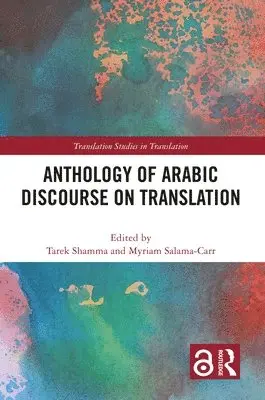
This anthology brings the key writings on translation in Arabic in the pre-modern era, extending from the earliest times (sixth century CE) until the end of World War I, to a global English-speaking audience. The texts are arranged chronologically and organized by two historical periods: the Classical Period, and the Nahda Period. Each text is preceded by an introduction about the selected text and author, placing the work in context, and discussing its significance.The texts are complemented with a theoretical commentary, discussing the significance for the contemporary period and modern theory. A general introduction covers the historical context, main trends, research interests, and main findings and conclusions. The two appendices provide statistical data of the corpus on which the anthology is based, more than 500 texts of varying lengths extending throughout the entire period of study. This collection contributes to the development of a more inclusive and global history of translation and interpreting.Translated, edited, and analyzed by leading scholars, this anthology is an invaluable resource for researchers, students, and translators interested in translation studies, Arab/Islamic history, and Arabic language and literature, as well as Islamic theology, linguistics, and the history of science.The Open Access version of this book, available at http://www.taylorfrancis.com, has been made available under a Creative Commons (CC-BY-NC-ND) 4.0 license.
2 430 kr
Skickas inom 10-15 vardagar
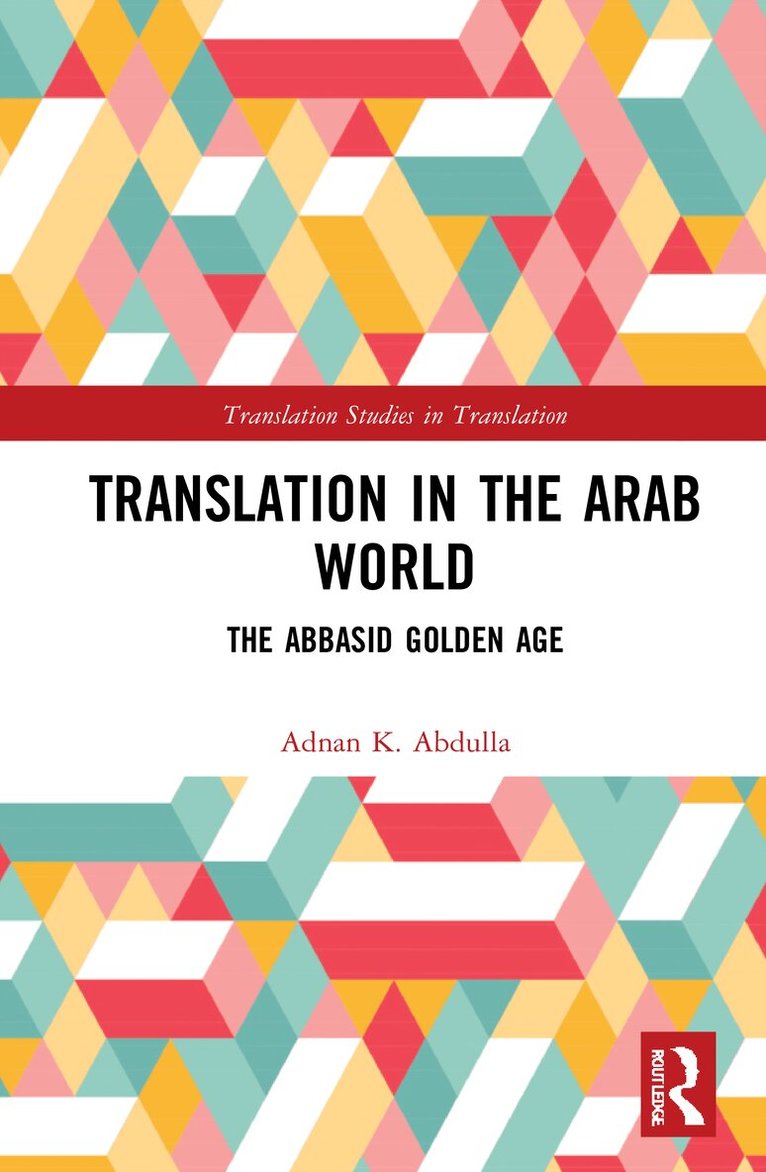
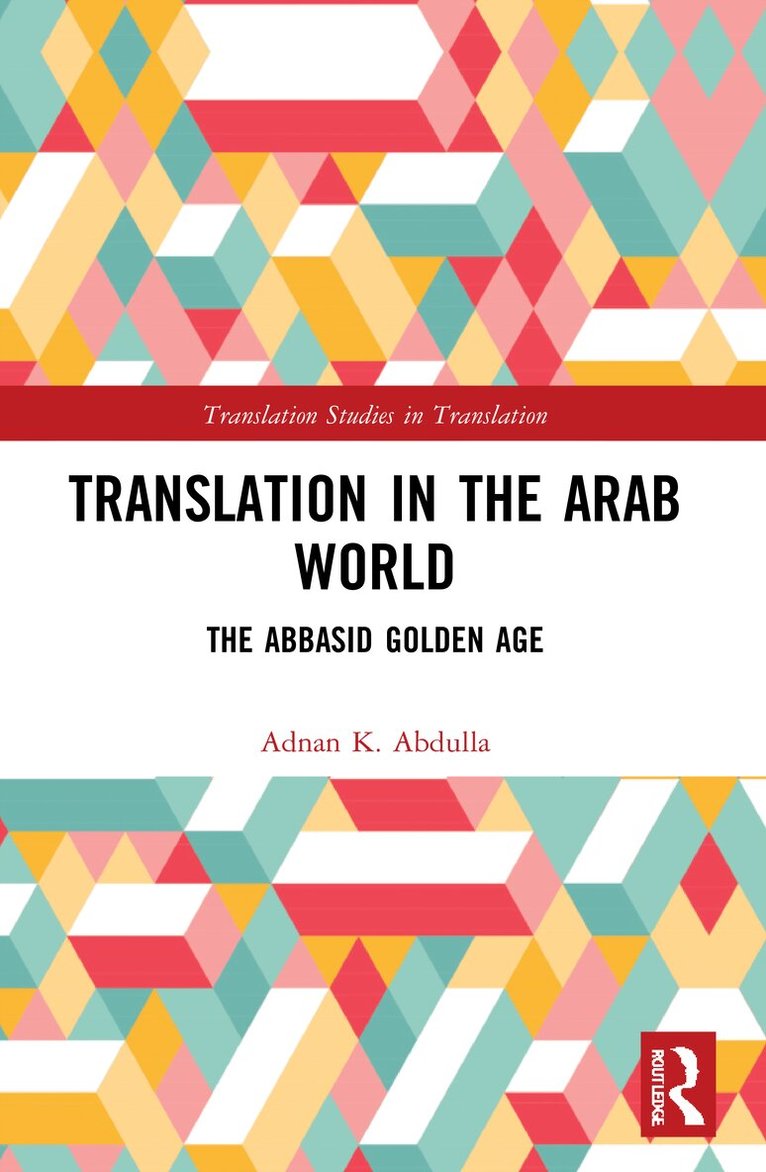
The Translation Movement of the Abbasid Period, which lasted for almost three hundred years, was a unique event in world history. During this period, much of the intellectual tradition of the Greeks, Persians, and Indians was translated into Arabic—a language with no prior history of translation or of science, medicine, or philosophy. This book investigates the cultural and political conflicts that translation brought into the new Abbasid state from a sociological perspective, treating translation as a process and a product.The opening chapters outline the factors involved in the initiation and cessation of translational activity in the Abbasid period before dealing in individual chapters with important events in the Translation Movement, such as the translation of Aristotle’s Poetics into Arabic, Abdullah ibn al-Muqaffa’s seminal translation of the Indian/Persian Kalilah wa Dimna into Arabic and the translation of scientific texts. Other chapters address the question of whether the Abbasids had a theory of translation and why, despite three hundred years of translation, not a single poem was translated into Arabic. The final chapter deals with the influence of translation during this period on the Arabic language.Offering new readings of many issues that are associated with that period, informed by modern theories of translation, this is key reading for scholars and researchers in Translation Studies, Oriental and Arab Studies, Book History and Cultural History.
727 kr
Skickas inom 10-15 vardagar
The Translation Movement of the Abbasid Period, which lasted for almost three hundred years, was a unique event in world history. During this period, much of the intellectual tradition of the Greeks, Persians, and Indians was translated into Arabic—a language with no prior history of translation or of science, medicine, or philosophy. This book investigates the cultural and political conflicts that translation brought into the new Abbasid state from a sociological perspective, treating translation as a process and a product.The opening chapters outline the factors involved in the initiation and cessation of translational activity in the Abbasid period before dealing in individual chapters with important events in the Translation Movement, such as the translation of Aristotle’s Poetics into Arabic, Abdullah ibn al-Muqaffa’s seminal translation of the Indian/Persian Kalilah wa Dimna into Arabic and the translation of scientific texts. Other chapters address the question of whether the Abbasids had a theory of translation and why, despite three hundred years of translation, not a single poem was translated into Arabic. The final chapter deals with the influence of translation during this period on the Arabic language.Offering new readings of many issues that are associated with that period, informed by modern theories of translation, this is key reading for scholars and researchers in Translation Studies, Oriental and Arab Studies, Book History and Cultural History.
595 kr
Skickas inom 10-15 vardagar
This anthology brings the key writings on translation in Arabic in the pre-modern era, extending from the earliest times (sixth century CE) until the end of World War I, to a global English-speaking audience. The texts are arranged chronologically and organized by two historical periods: the Classical Period, and the Nahda Period. Each text is preceded by an introduction about the selected text and author, placing the work in context, and discussing its significance.The texts are complemented with a theoretical commentary, discussing the significance for the contemporary period and modern theory. A general introduction covers the historical context, main trends, research interests, and main findings and conclusions. The two appendices provide statistical data of the corpus on which the anthology is based, more than 500 texts of varying lengths extending throughout the entire period of study. This collection contributes to the development of a more inclusive and global history of translation and interpreting.Translated, edited, and analyzed by leading scholars, this anthology is an invaluable resource for researchers, students, and translators interested in translation studies, Arab/Islamic history, and Arabic language and literature, as well as Islamic theology, linguistics, and the history of science.The Open Access version of this book, available at http://www.taylorfrancis.com, has been made available under a Creative Commons (CC-BY-NC-ND) 4.0 license.
2 430 kr
Skickas inom 10-15 vardagar
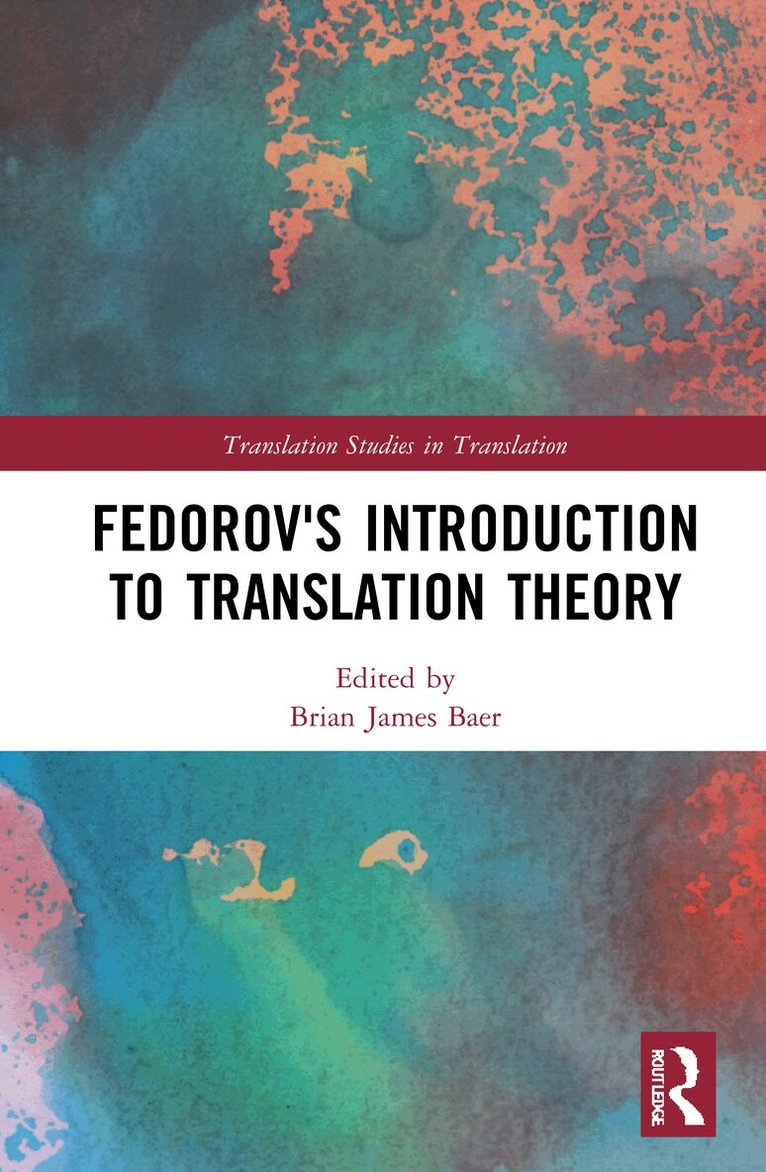
This is the first English translation of Andrei V. Fedorov’s classic 1953 text Vvedenie v teoriiu perevoda / Introduction to Translation Theory. Fedorov was the first to argue that translation theorizing should be based on linguistics, due to the fact that language is the common denominator of all translation. In addition, this text offers a concise but thorough comparative overview of thinking on translation in Western Europe and Russia. The detailed annotations and substantial introduction by the leading scholar and award-winning translator Brian James Baer inscribe Fedorov’s work in the political and cultural context of the Soviet Union, highlighting the early influence of Russian Formalism on Fedorov’s thinking. This volume is a model of scholarly translation that fills a major gap in our understanding of Soviet translation theory, which will compel a rethinking of current histories of the field.Contributing to the important work of internationalizing and generating new histories of translation studies, this volume is key reading for scholars and researchers of the history, theory, and politics of translation studies; comparative literature; and Russian and Slavic studies.
727 kr
Skickas inom 10-15 vardagar
This is the first English translation of Andrei V. Fedorov’s classic 1953 text Vvedenie v teoriiu perevoda / Introduction to Translation Theory. Fedorov was the first to argue that translation theorizing should be based on linguistics, due to the fact that language is the common denominator of all translation. In addition, this text offers a concise but thorough comparative overview of thinking on translation in Western Europe and Russia. The detailed annotations and substantial introduction by the leading scholar and award-winning translator Brian James Baer inscribe Fedorov’s work in the political and cultural context of the Soviet Union, highlighting the early influence of Russian Formalism on Fedorov’s thinking. This volume is a model of scholarly translation that fills a major gap in our understanding of Soviet translation theory, which will compel a rethinking of current histories of the field.Contributing to the important work of internationalizing and generating new histories of translation studies, this volume is key reading for scholars and researchers of the history, theory, and politics of translation studies; comparative literature; and Russian and Slavic studies.