Transnational Mennonite Studies – serie
Visar alla böcker i serien Transnational Mennonite Studies. Handla med fri frakt och snabb leverans.
6 produkter
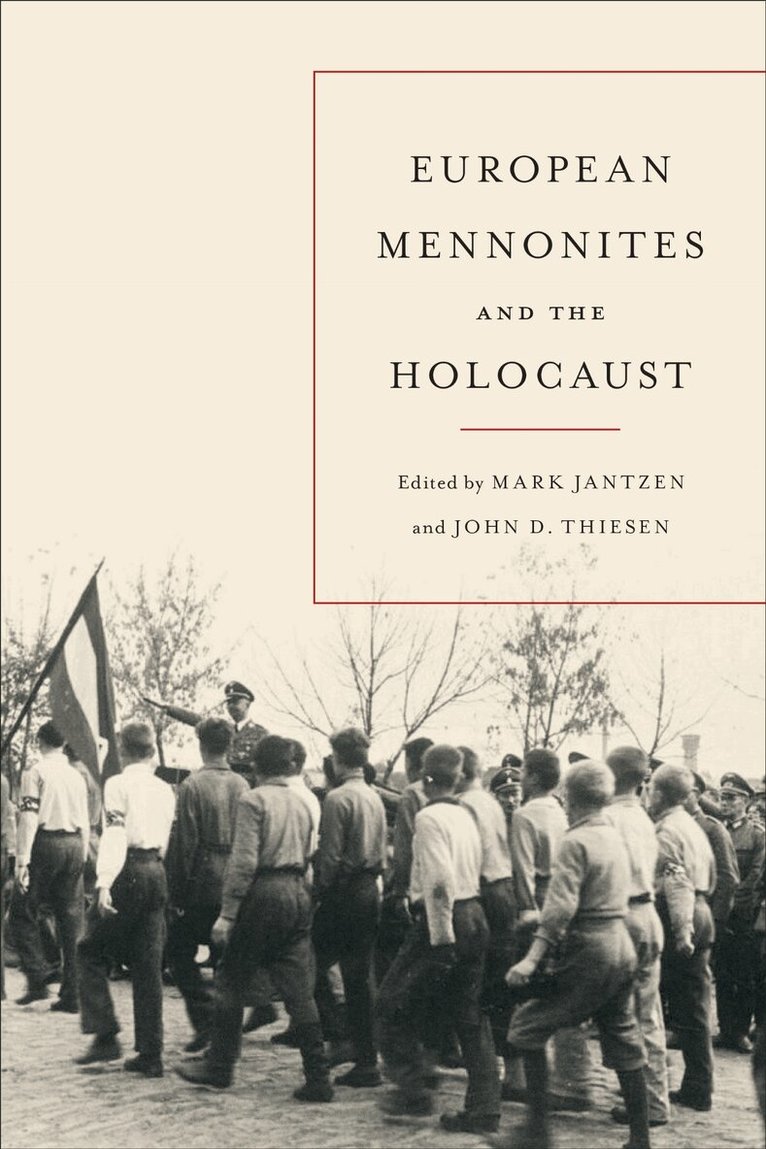
European Mennonites and the Holocaust
Av Mark Jantzen, John D. Thiesen
Häftad, 2021
384 kr
Lägg i varukorg
During the Second World War, Mennonites in the Netherlands, Germany, occupied Poland, and Ukraine lived in communities with Jews and close to various Nazi camps and killing sites. As a result of this proximity, Mennonites were neighbours to and witnessed the destruction of European Jews. In some …
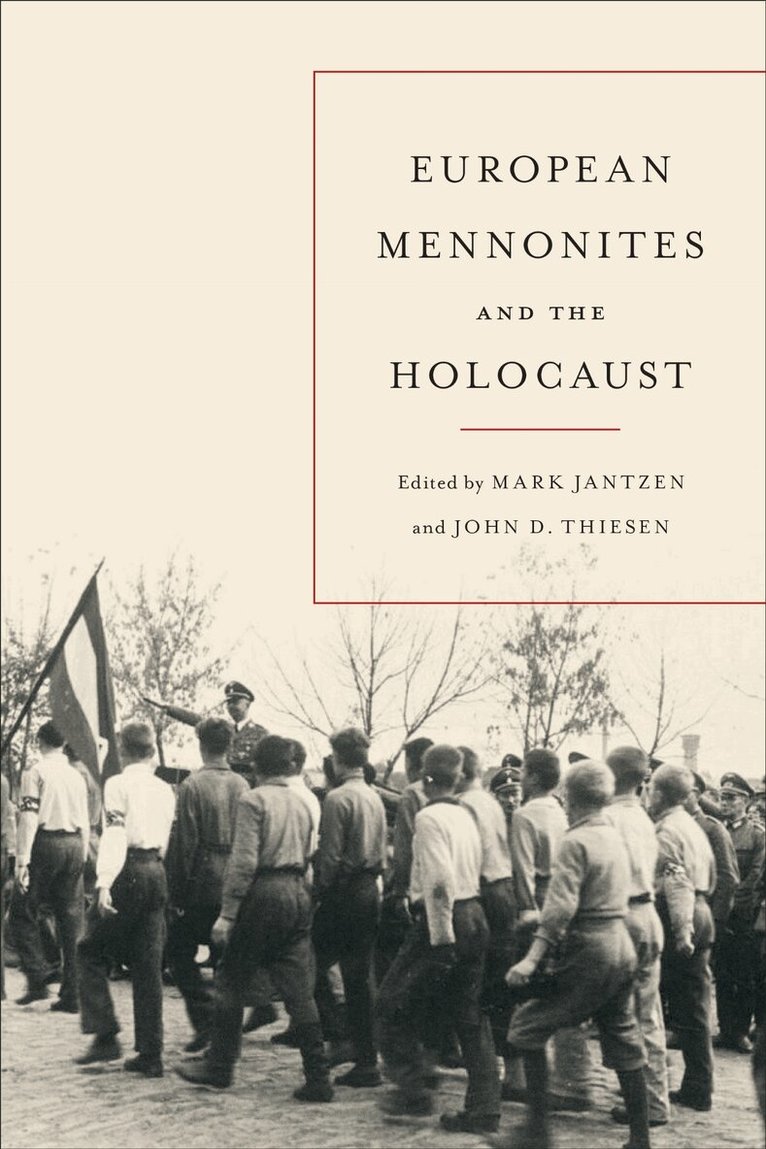
European Mennonites and the Holocaust
Av Mark Jantzen, John D. Thiesen
E-bok, 2020
473 kr
Lägg i varukorg
During the Second World War, Mennonites in the Netherlands, Germany, occupied Poland, and Ukraine lived in communities with Jews and close to various Nazi camps and killing sites. As a result of this proximity, Mennonites were neighbours to and witnessed the destruction of European Jews. In some …
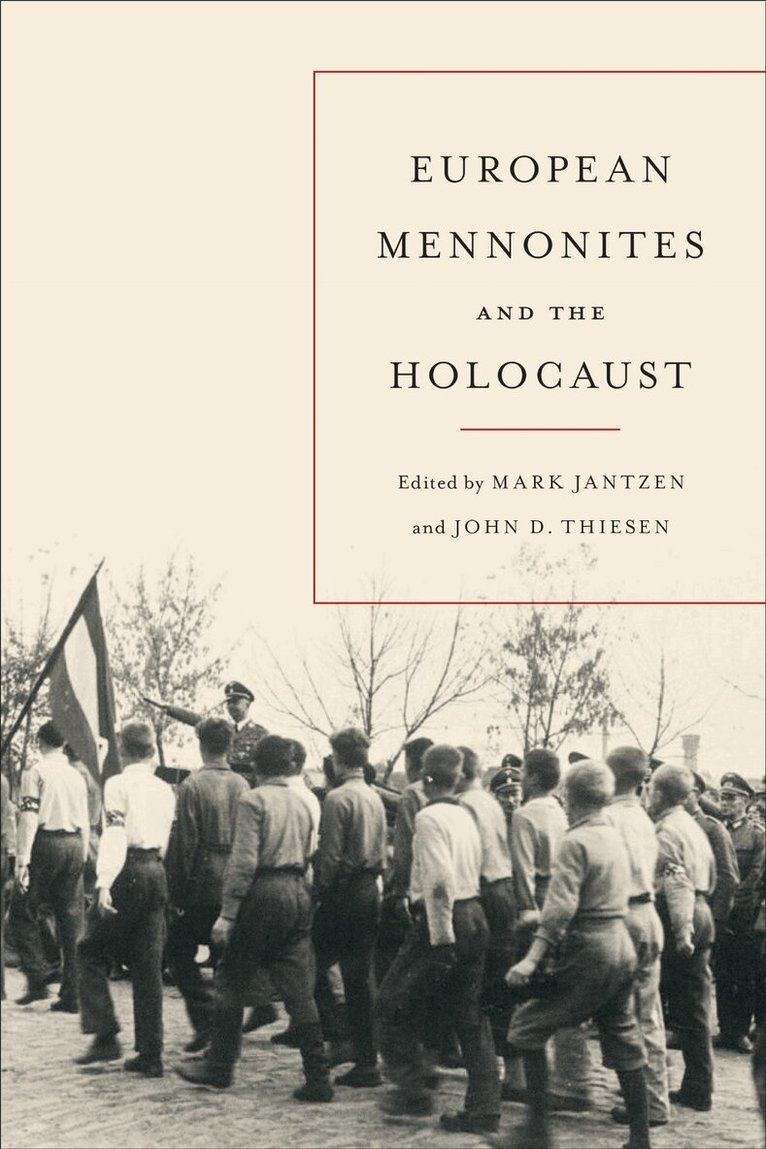
European Mennonites and the Holocaust
Av Mark Jantzen, John D. Thiesen
E-bok, 2020
473 kr
Lägg i varukorg
During the Second World War, Mennonites in the Netherlands, Germany, occupied Poland, and Ukraine lived in communities with Jews and close to various Nazi camps and killing sites. As a result of this proximity, Mennonites were neighbours to and witnessed the destruction of European Jews. In some …
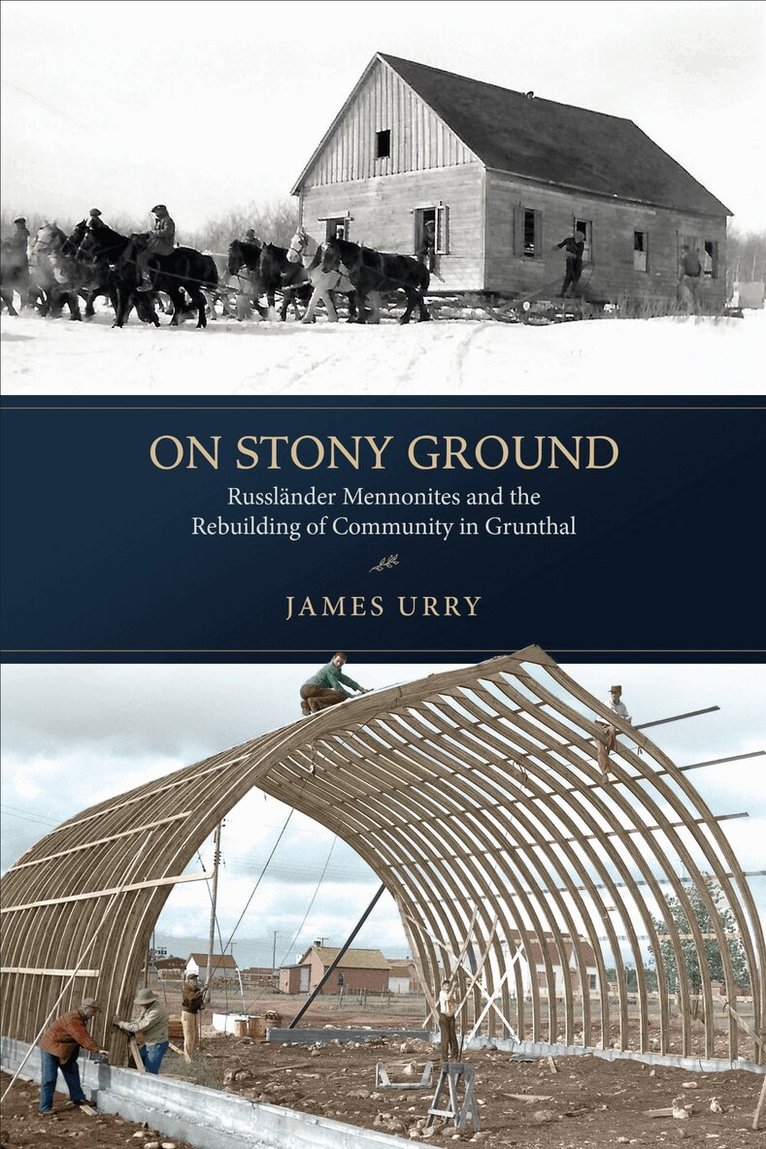
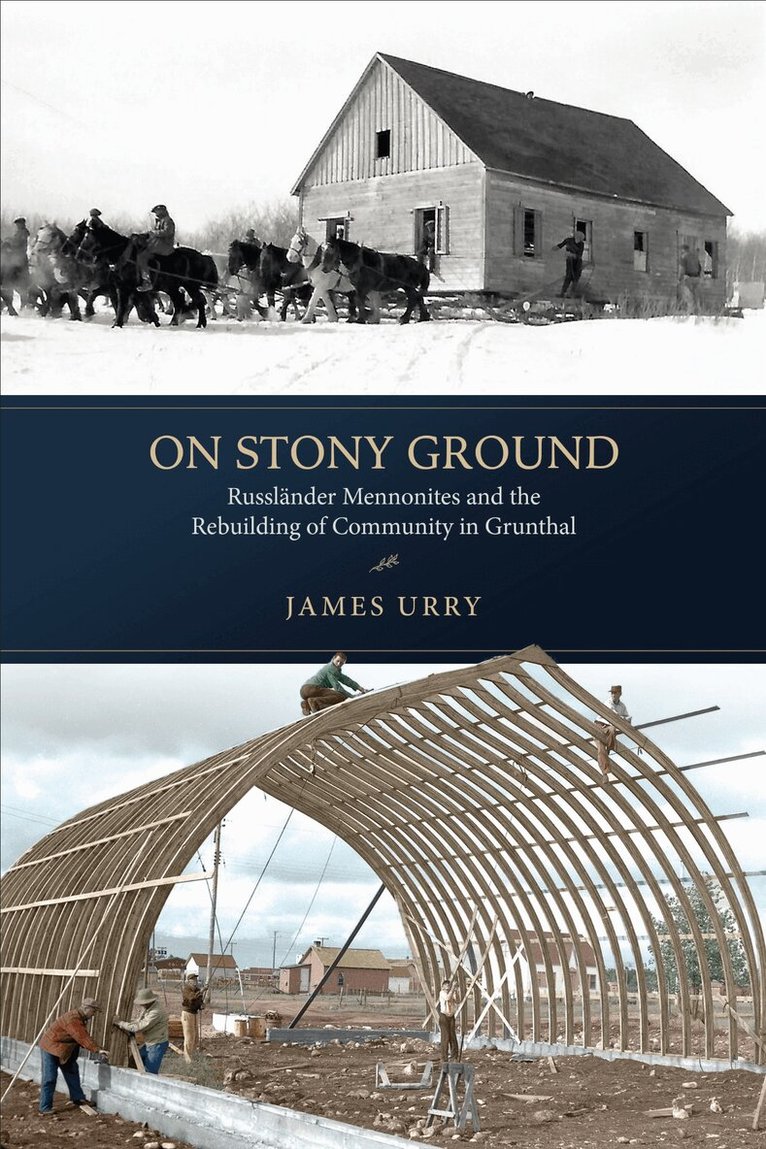
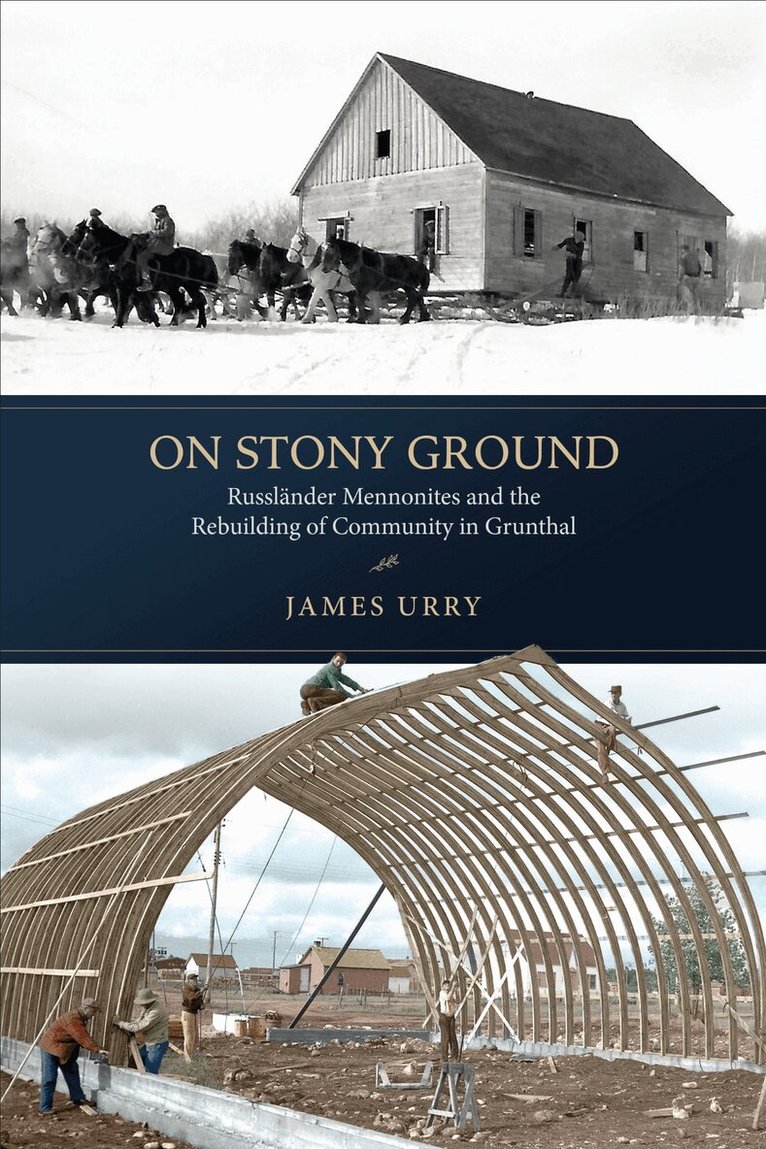
On Stony Ground
Russländer Mennonites and the Rebuilding of Community in Grunthal
Av James Urry
E-bok, 2024
440 kr
Lägg i varukorg
On Stony Ground presents a historical ethnographic account of a generation of Mennonites from the Soviet Union who, following Russia’s revolution and civil war, immigrated to Manitoba during the 1920s. James Urry examines how they came to terms with a new land and with their new neighbours, …
On Stony Ground
Russländer Mennonites and the Rebuilding of Community in Grunthal
Av James Urry
E-bok, 2024
440 kr
Lägg i varukorg
On Stony Ground presents a historical ethnographic account of a generation of Mennonites from the Soviet Union who, following Russia’s revolution and civil war, immigrated to Manitoba during the 1920s. James Urry examines how they came to terms with a new land and with their new neighbours, …
On Stony Ground
Russländer Mennonites and the Rebuilding of Community in Grunthal
Av James Urry
Häftad, 2024
384 kr
Lägg i varukorg
On Stony Ground presents a historical ethnographic account of a generation of Mennonites from the Soviet Union who, following Russia’s revolution and civil war, immigrated to Manitoba during the 1920s. James Urry examines how they came to terms with a new land and with their new neighbours, …