Transnational Queer Histories – serie
Visar alla böcker i serien Transnational Queer Histories. Handla med fri frakt och snabb leverans.
6 produkter
6 produkter
1 143 kr
Skickas inom 7-10 vardagar
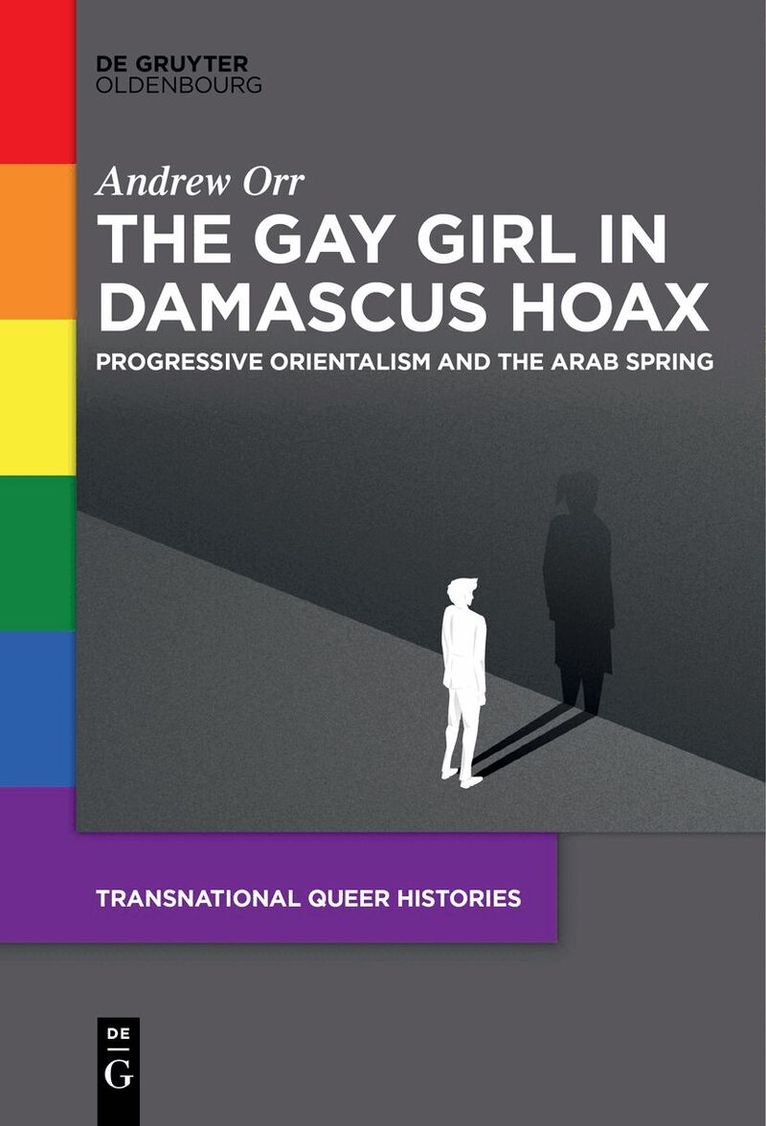
The Gay Girl in Damascus Hoax explores the vulnerability of educated and politically engaged Westerners to Progressive Orientalism, a form of Orientalism embedded within otherwise egalitarian and anti-imperialist Western thought. Early in the Arab Spring, the Gay Girl in Damascus blog appeared. Its author claimed to be Amina Arraf, a Syrian American lesbian Muslim woman living in Damascus. After the blog’s went viral in April 2011, Western journalists electronically interviewed Amina, magnifying the blog’s claim that the Syrian uprising was an ethnically and religiously pluralist movement anchored in an expansive sense of social solidarity. However, after a post announced that the secret police had kidnapped Amina, journalists and activists belatedly realized that Amina did not exist and Thomas “Tom” MacMaster, a forty-year-old straight white American man and peace activist living and studying medieval history in Scotland was the blog’s true author. MacMaster’s hoax succeeded by melding his and his audience’s shared political and cultural beliefs into a falsified version of the Syrian Revolution that validated their views of themselves as anti-racist and anti-imperialist progressives by erasing real Syrians. Watch our book talk with the author Andrew Orr here: https://youtu.be/MnaaxlO6Vuw
1 467 kr
Skickas inom 5-8 vardagar
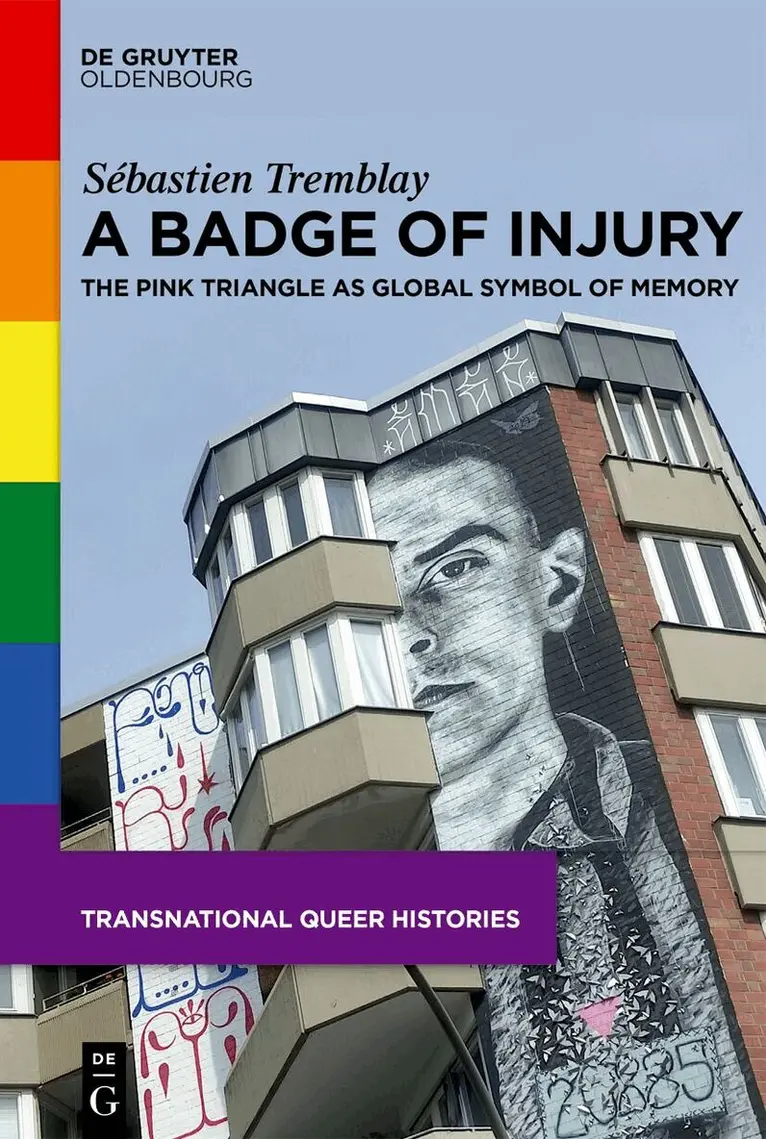
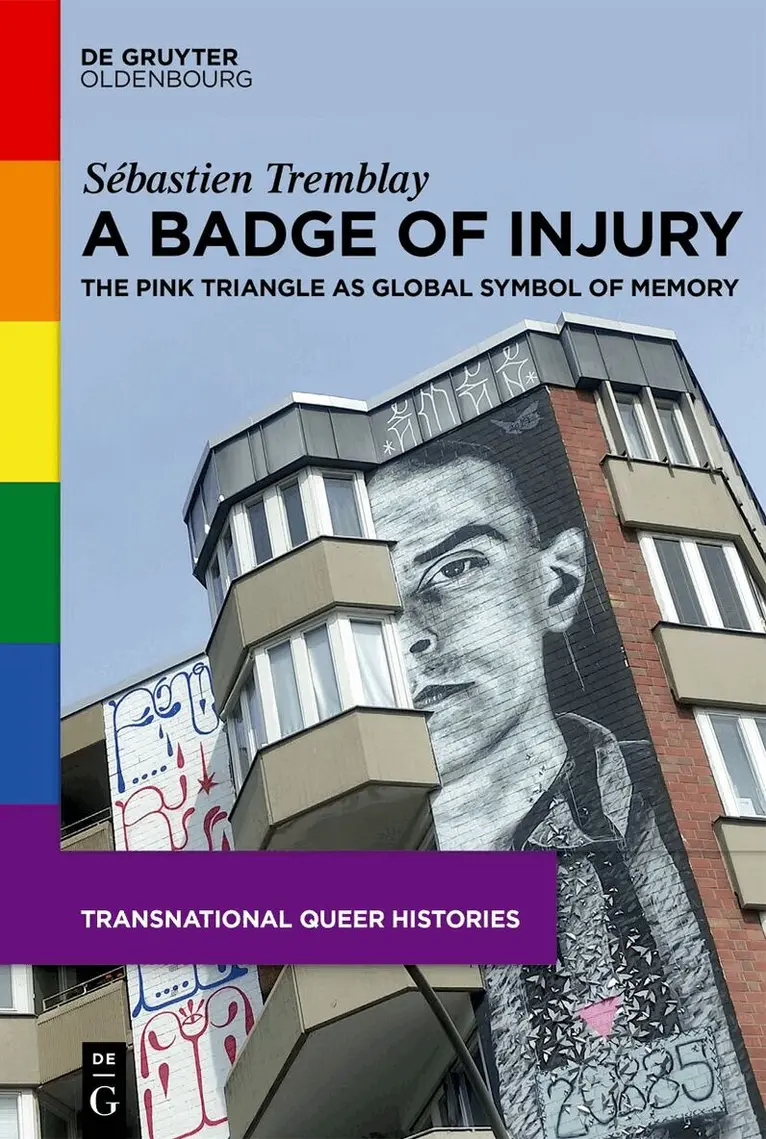
A Badge of Injury is a contribution to both the fields of queer and global history. It analyses gay and lesbian transregional cultural communication networks from the 1970s to the 2000s, focusing on the importance of National Socialism, visual culture, and memory in the queer Atlantic. Provincializing Euro-American queer history, it illustrates how a history of concepts which encompasses the visual offers a greater depth of analysis of the transfer of ideas across regions than texts alone would offer. It also underlines how gay and lesbian history needs to be reframed under a queer lens and understood in a global perspective. Following the journey of the Pink Triangle and its many iterations, A Badge of Injury pinpoints the roles of cultural memory and power in the creation of gay and lesbian transregional narratives of pride or the construction of the historical queer subject. Beyond a success story, the book dives into some of the shortcomings of Euro-American queer history and the power of the negative, writing an emancipatory yet critical story of the era.
Del 3 - Transnational Queer Histories
Beruf Sexarbeit
Quellen Und Dokumente Aus Dem Nachlass Von Marc-Of-Frankfurt (2000-2015)
Inbunden, Tyska, 2026
1 012 kr
Skickas inom 3-6 vardagar
Del 1 - Transnational Queer Histories
Gay Girl in Damascus Hoax
Progressive Orientalism and the Arab Spring
Häftad, Engelska, 2024
190 kr
Skickas inom 3-6 vardagar
The Gay Girl in Damascus Hoax explores the vulnerability of educated and politically engaged Westerners to Progressive Orientalism, a form of Orientalism embedded within otherwise egalitarian and anti-imperialist Western thought. Early in the Arab Spring, the Gay Girl in Damascus blog appeared. Its author claimed to be Amina Arraf, a Syrian American lesbian Muslim woman living in Damascus. After the blog’s went viral in April 2011, Western journalists electronically interviewed Amina, magnifying the blog’s claim that the Syrian uprising was an ethnically and religiously pluralist movement anchored in an expansive sense of social solidarity. However, after a post announced that the secret police had kidnapped Amina, journalists and activists belatedly realized that Amina did not exist and Thomas “Tom” MacMaster, a forty-year-old straight white American man and peace activist living and studying medieval history in Scotland was the blog’s true author. MacMaster’s hoax succeeded by melding his and his audience’s shared political and cultural beliefs into a falsified version of the Syrian Revolution that validated their views of themselves as anti-racist and anti-imperialist progressives by erasing real Syrians. Watch our book talk with the author Andrew Orr here: https://youtu.be/MnaaxlO6Vuw
Del 2 - Transnational Queer Histories
Badge of Injury
The Pink Triangle as Global Symbol of Memory
Häftad, Engelska, 2025
275 kr
Skickas inom 3-6 vardagar
A Badge of Injury is a contribution to both the fields of queer and global history. It analyses gay and lesbian transregional cultural communication networks from the 1970s to the 2000s, focusing on the importance of National Socialism, visual culture, and memory in the queer Atlantic. Provincializing Euro-American queer history, it illustrates how a history of concepts which encompasses the visual offers a greater depth of analysis of the transfer of ideas across regions than texts alone would offer. It also underlines how gay and lesbian history needs to be reframed under a queer lens and understood in a global perspective. Following the journey of the Pink Triangle and its many iterations, A Badge of Injury pinpoints the roles of cultural memory and power in the creation of gay and lesbian transregional narratives of pride or the construction of the historical queer subject. Beyond a success story, the book dives into some of the shortcomings of Euro-American queer history and the power of the negative, writing an emancipatory yet critical story of the era.
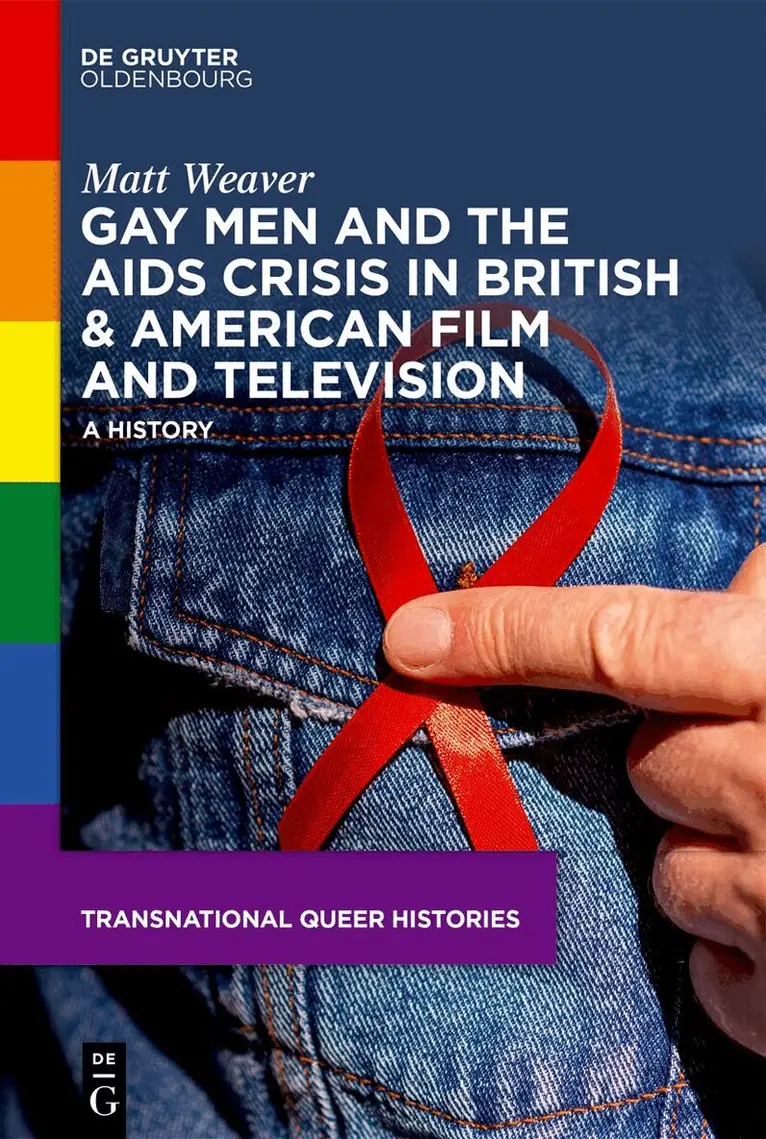
Gay Men and the AIDS Crisis in British & American Film and Television
A History
Inbunden, Engelska, 2026
1 342 kr
Kommande
There has been much academic research into HIV/AIDS and its representation on screen, but no studies have presented a chronological analysis that focuses on different eras of AIDS media, from the crisis itself to contemporary memorialisation of it.This book investigates the representational evolution of gay men and AIDS in the US and the UK. The aim of this work is to explain how representation within these contexts has had a consistent relationship with notions of mainstream, whether it be through their widespread audience reception or through their adoption of popular, familiar modes of cinema. Each chapter chronologically moves through different categories of AIDS cinema/television; ‘gay AIDS melodramas’ of the 1980s and 1990s; ‘gay/queer AIDS melodramas’ of the 1980s; anti-normative, New Queer Cinema AIDS texts of the 1990s; and contemporary ‘radical mainstream’ AIDS texts (2018-2021). I make the case for an expanded definition of mainstream, away from assumptions of heteronormativity.This book is particularly important within the contemporary field of queer cinema/televisual studies as it stresses the importance of drawing upon history to understand the present, an era of greater mainstream visibility.