UPA - Böcker
Visar alla böcker i serien UPA. Handla med fri frakt och snabb leverans.
4 produkter
4 produkter
716 kr
Skickas inom 10-15 vardagar
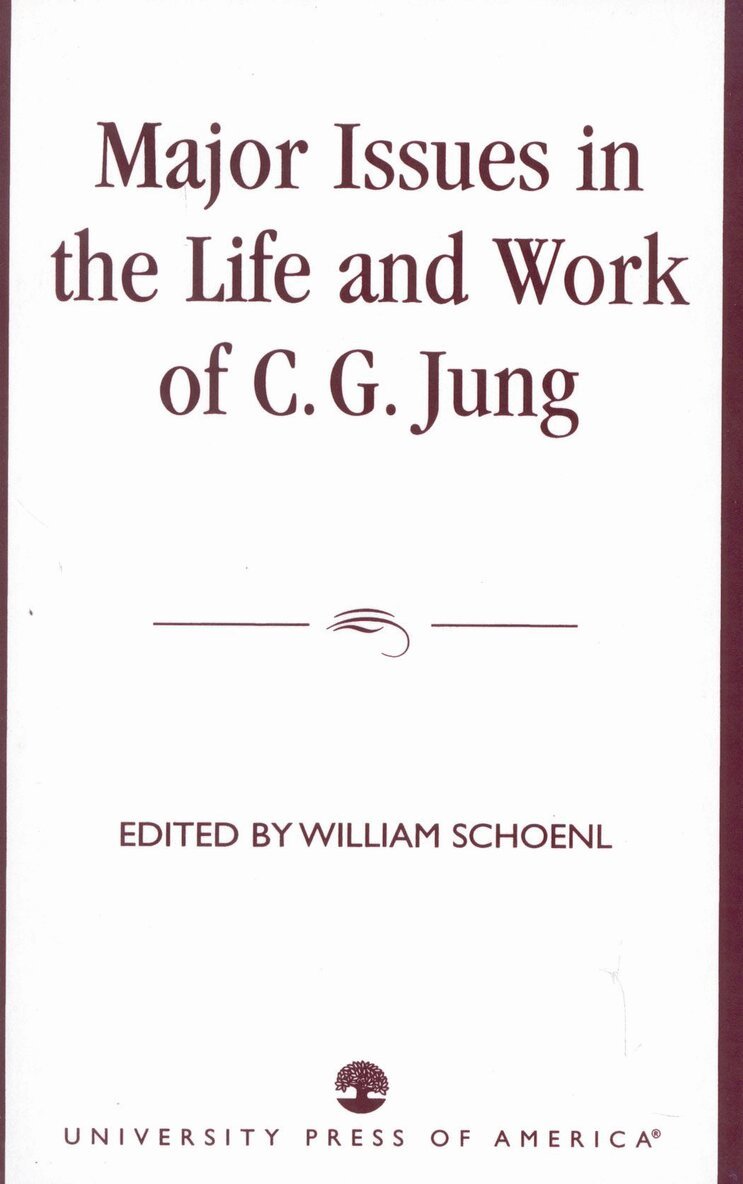
This book provides an objective, historical approach to the sometimes controversial issues in the life and work of C.G. Jung. As an alternative to Freud, Jung had his detractors and his admirers. If the former were too critical, the latter sometimes overlooked flaws. Why did he break with Freud? Was he empirical or mystical? Was he anti-Nazi or, for a time, "a Nazi sympathizer"? Why was his Answer to Job controversial? This book was written with the conviction that the time has come to frame the issues through writings by Jung and distinguished authors on Jung, considering perspectives from both sides.Contributors: Brian Feldman, Walter Kaufmann, J.J. Clarke, Barbara Stephens, Geoffrey Cocks, Aryeh Maidenbaum, Andrew Samuels, Victor White, H.L. Philip, Kathleen Newton.
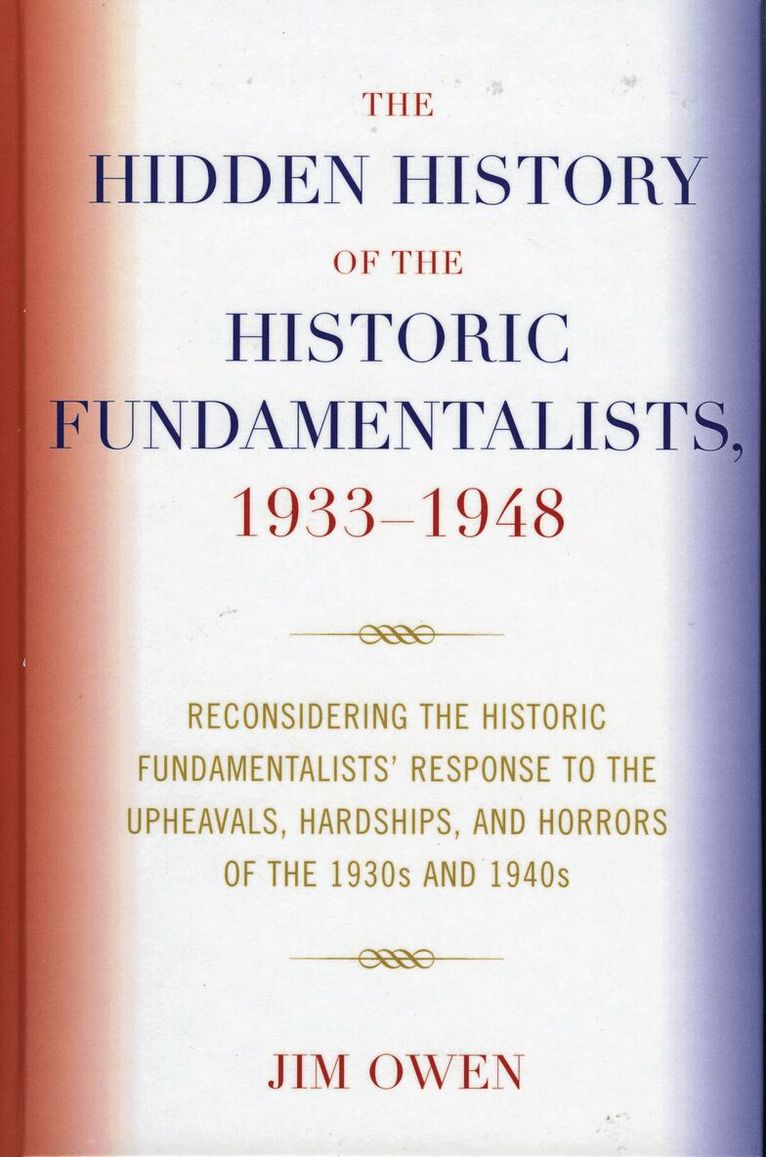
Hidden History of the Historic Fundamentalists, 1933-1948
Reconsidering the Historic Fundamentalists' Response to the Upheavals, Hardship, and Horrors of the 1930s and 1940s
Häftad, Engelska, 2004
942 kr
Skickas inom 10-15 vardagar
Over the last forty years, historians' interpretation of the historic fundamentalists—circa the 1930s and 1940s—has accused them of social and political indifference to the hardships people experienced during the Great Depression and the Holocaust. In this book, Jim Owen examines historic fundamentalist magazines and journals to determine why there is such a radical disparity between what historians have written and what historic fundamentalists actually did. Through Professor Owen's investigation, we see a compassionate movement very involved—socially and politically—during the Great Depression, and a group that was vocal in combating anti-Semitism and denouncing the horrors of Nazi persecution.
875 kr
Skickas inom 10-15 vardagar
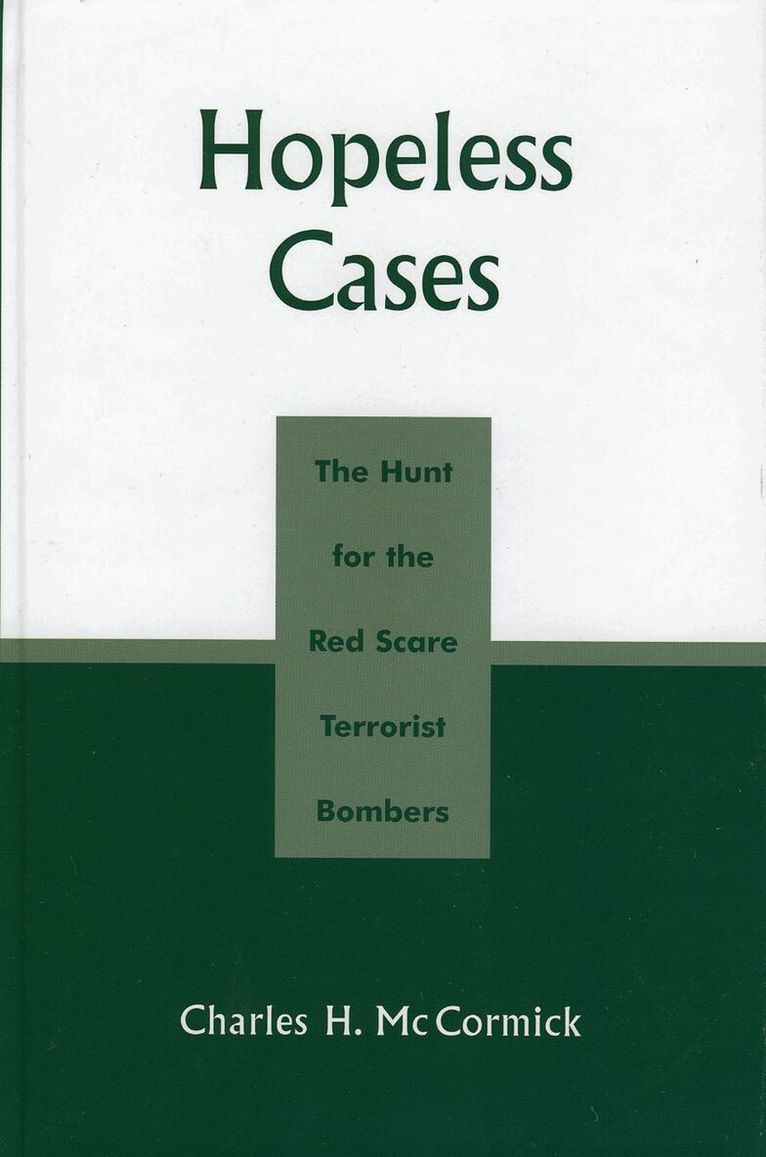
Hopeless Cases describes the futile search for those responsible for a series of apparently related terrorist attacks and plots in the World War I-Red Scare era during the final surge of early twentieth-century anarchist violence in the United States. The most brazen attacks occurred in 1919 when bombs mailed to thirty-six public figures nationwide in May were followed in June by coordinated nearly simultaneous bombings aimed at public figures and institutions in eight cities. The end of the campaign was the Wall Street explosion (September 16, 1920) that killed forty and injured hundreds. Scores were arrested (thirty for the Wall Street explosion alone), but lawmen never caught the culprits. Fears aroused by bomb blasts gave the Justice Department carte blanche to roundup and deport alien radicals, particularly Bolsheviks, in 1919-1920.The bombings raised issues, including the fear of an unknown enemy and the government's need for accurate intelligence, that mirror today's post 9/11 era. The book profiles the suspects but focuses on the investigators, especially the Bureau of Investigation and its spies and informants. Based largely upon FBI files, it explores the Bureau's relationship with British Intelligence in New York City, and to the Sacco-Vanzetti case, as well as a privately funded search for the bombers. Throughout, the manhunt was handicapped by disputes with other law enforcement agencies and by intra-Bureau jealousies and rivalries, agent job insecurity and high turnover, inadequate training and resources, and morale problems, particularly in the New York and Boston field offices.
764 kr
Skickas inom 10-15 vardagar
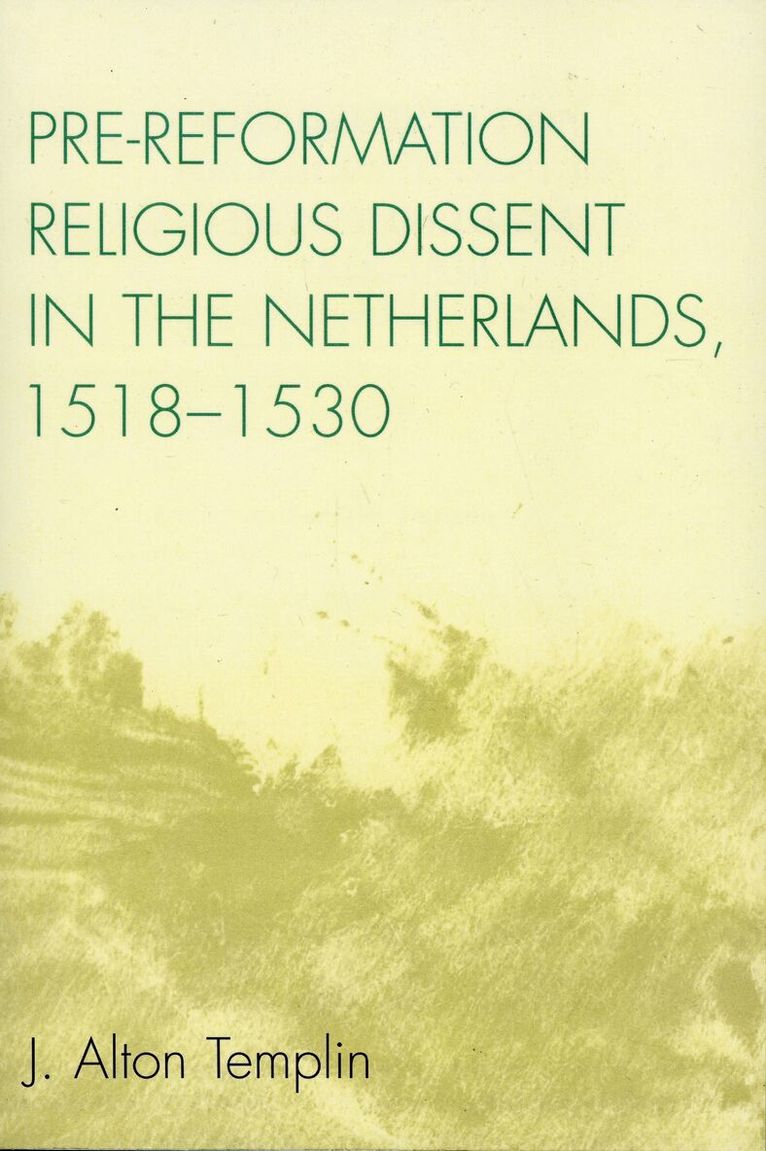
Although much of Protestant Reformation history focuses on movements in Germany, Switzerland, and France, during the 16th Century the Netherlands was the site of some of the earliest instances of pre-reformation religious dissent. During the 1520s, no "figurehead" led the movement in the Netherlands; instead six theological tracts by six individual scholars voiced religious dissent. These dissenting theological ideas were based on either Northern Renaissance or Biblical Humanist scholarship—most notably Erasmus—or the writing and monastic students of Martin Luther. These tracts emphasized the need for renewed biblical study; spiritual rather than literal interpretations of the Medieval Church's rituals; re-evaluation of the status quo; and a revised interpretation of the authority of the Bible. This period of inquiry and religious and social unrest was the foundation for impending changes in the Netherlands, and the rest of Europe. Using primary historical data from the trials of suspected heretics and the works of the aforementioned theologians, only one of which has appeared in English, Pre-Reformation Religious Dissent in the Netherlands, 1518-1530 is a comprehensive study of role of the Netherlands in the Protestant Reformation.