Utopianism and Communitarianism - Böcker
Visar alla böcker i serien Utopianism and Communitarianism. Handla med fri frakt och snabb leverans.
6 produkter
6 produkter
490 kr
Skickas inom 3-6 vardagar
345 kr
Skickas inom 10-15 vardagar
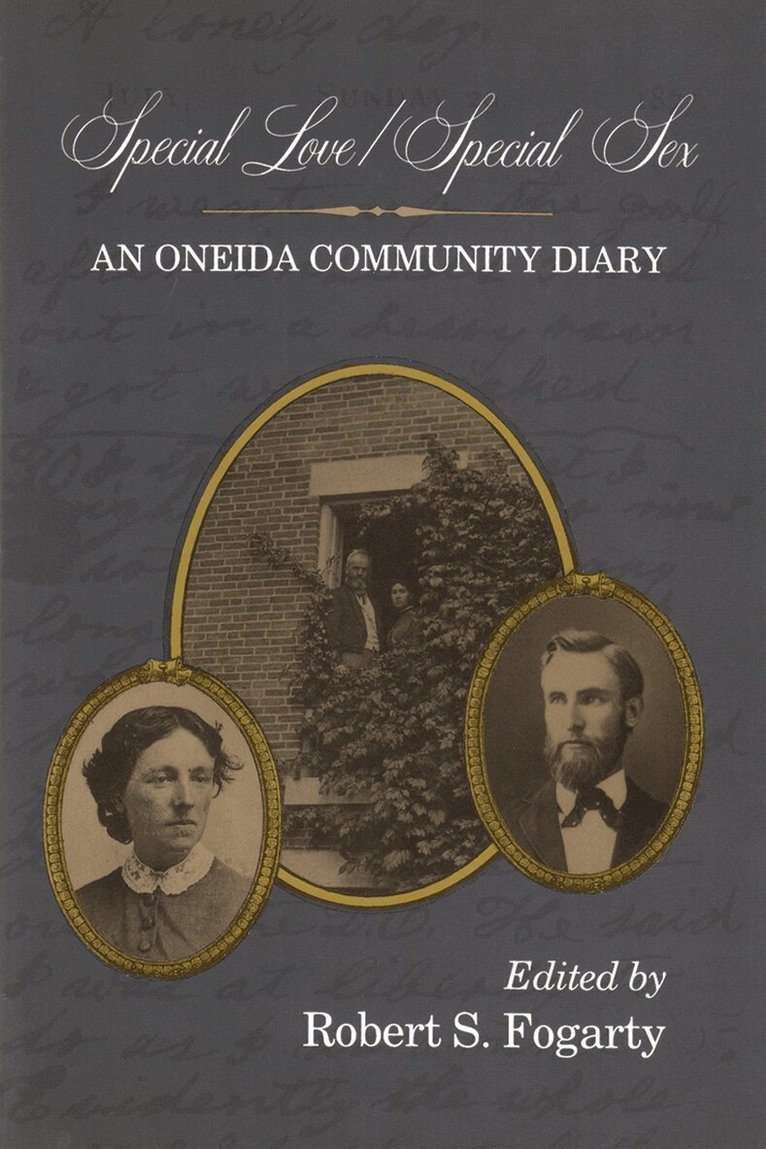
The Oneida Community was one of the more unusual utopian social experiments in 19th-century America. This volume reproduces the diary of a Community member written in 1876-7. It deals with love, aggression, jealousy and the conflict between private desire and public good.
203 kr
Skickas inom 7-10 vardagar
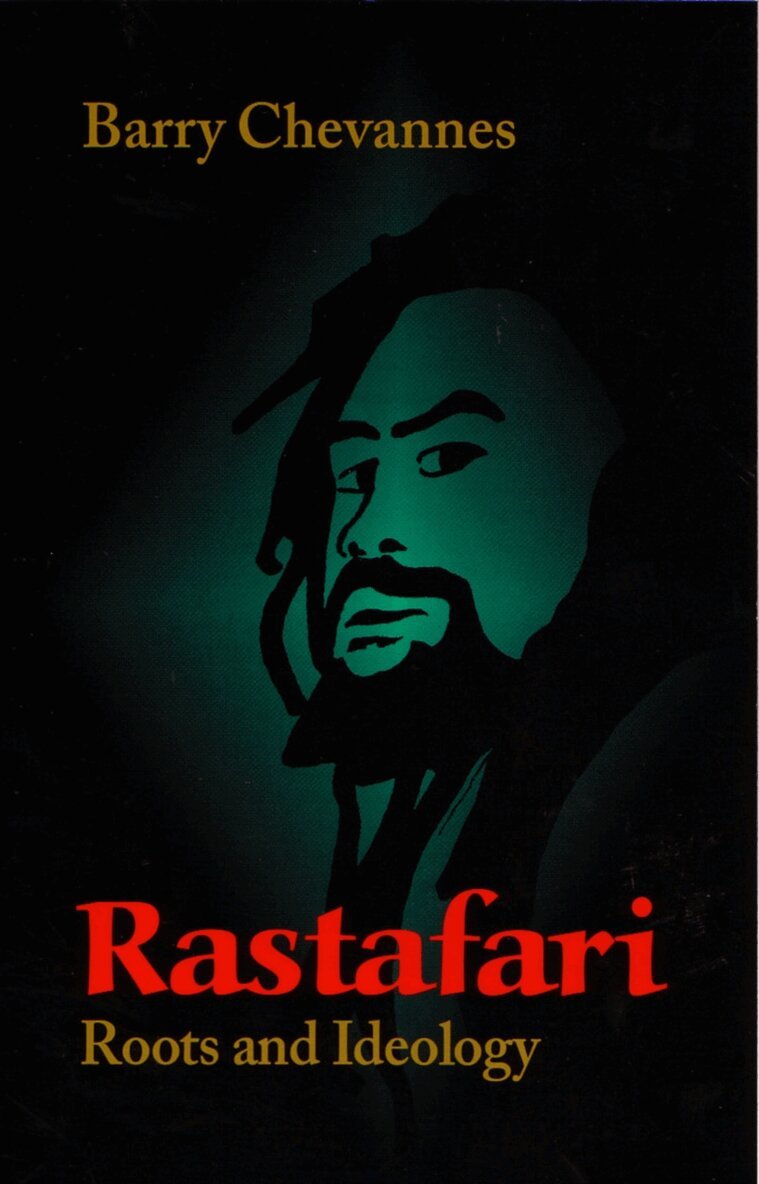
Interviews with 30 converts from the 1930s and 1940s are a component of Barry Chevanne's book, a look into the origins and practices of Rastafarianism. From the direct accounts of these early members, he is able to reconstruct pivotal episodes in Rastafarian history to offer a look into a subgroup of Jamaican society whose beliefs took root in the social unrest of the 1930s. The little that most people know about Rastafarianism has come through the Jamaican music, Reggae, which resonates with the contemporary social and political struggle of the poverty-stricken cities of Trenchtown and Kingston. Bob Marley and the Wailers, for instance, with their politically charged lyrics about the ghetto, became emissaries for the Jamaican poor. Here Chevannes traces Rastafarianism back to 1930's prophet Marcus Garvey and his mass coalition against racial oppression and support of a free Africa. Before Garvey, few Jamaicans, the overwhelming majority of whom had been brought to the island from Africa and enslaved by Europeans, held positive attitudes about Africa. The rise of black nationalism, however, provided the movement with its impetus to organise a system of beliefs. Likewise, Chevannes explores the movement's roots in the Jamaican peasantry, which underwent distinct phases of development between 1834 and 1961 as freed slaves became peasants. The peasants established themselves in the recesses of the island and many eventually moved to cities, where the economic and social hardship already inherent in Jamaican society, was even more desolate. Between 1943 and 1960, detrimental social changes transformed Jamaica's rapidly expanding cities. Kingston's population grew by 86 percent, and crime and disease were rampant. It was under this severe social decay that Rastafari became a hospice for the uprooted and derelict masses. As a spiritual philosophy, Rastafarianism is linked to societies of runaway slaves or maroons and derives from both the African Myal religion and the Revivalist Zion churches. Like the revival movement, Rastafarianism embraces the 400-year-old doctrine of repatriation. Rastas believe that they and all Africans who have migrated are but exiles in ""Babylon"" and are destined to be delivered out of captivity by a return to Zion or Africa - the land of their ancestors and the seat of Jah Rastafari himself, Haile Selassie I, the former emperor of Ethiopia. ""Rastafari"" is a work with an historical and ethnographic approach that seeks to correct several misconceptions in existing literature - the true origin of dreadlocks, for instance. It should be of interest to religion scholars, historians, scholars of Black studies, and a general audience interested in the movement and how Rastafarians settled in other countries.
237 kr
Skickas inom 10-15 vardagar
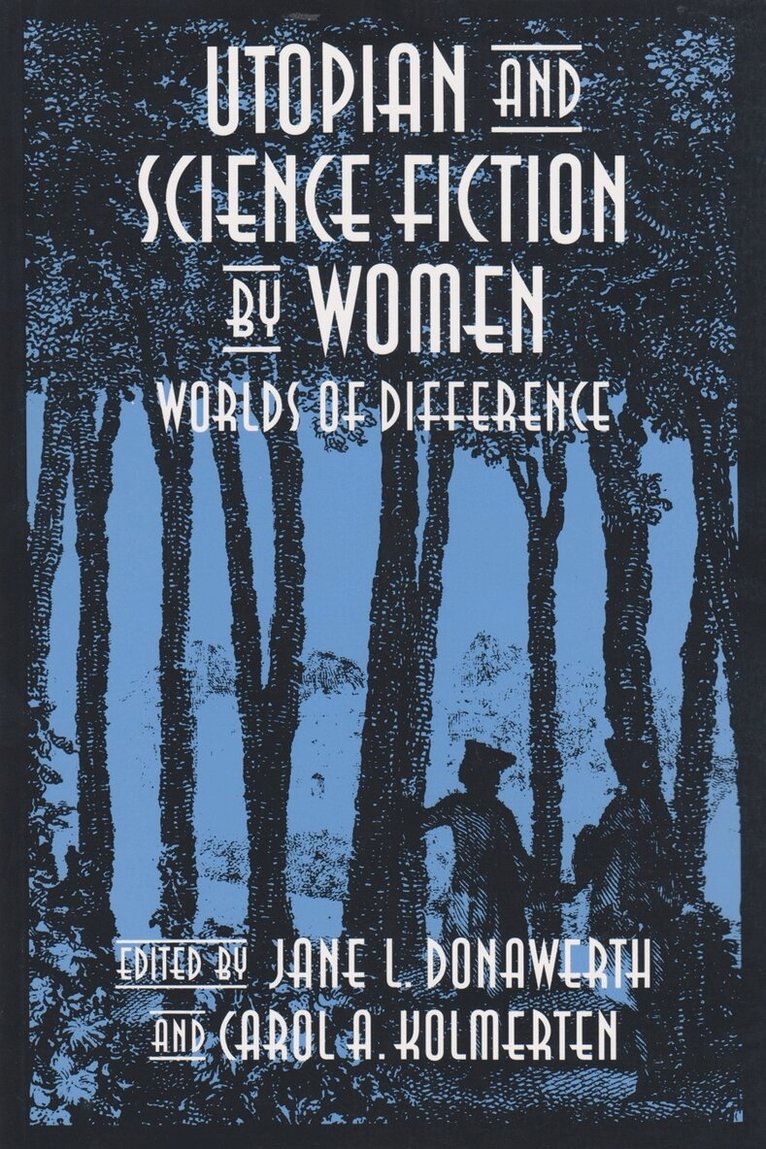
These essays treat common themes and strategies in women's writing about their different worlds. The range of subjects reaches from Margaret Cavendish's 17th-century Blazing World of the North Pole, to the "men-less" islands of the French writer Scudery; and from the 18th- and 19th-century utopias of Shelley and Gaskell, to science fiction pulps; finishing with the more contemporary feminist fictions of Le Guin, Wittig, Piercy and Mitchison. This collection aims to show that these fictions relate to one another historically, and together amount to a literary tradition of women's writing about a "better place".
212 kr
Skickas inom 10-15 vardagar
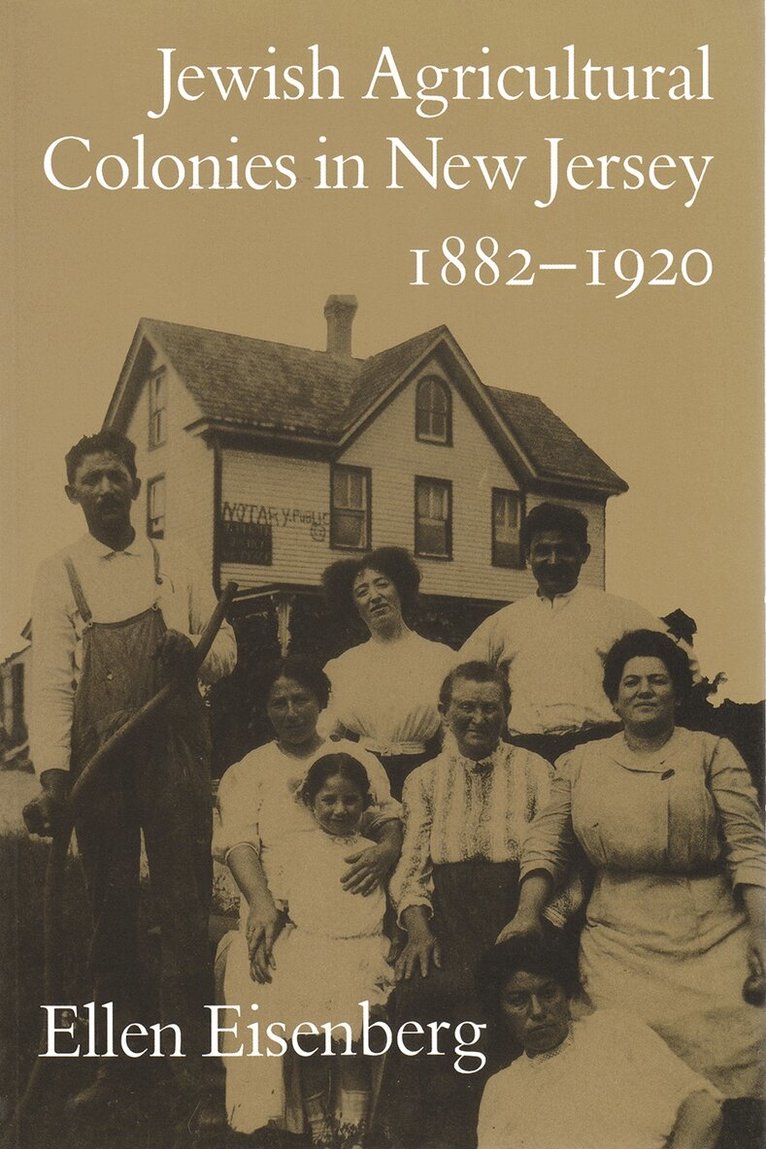
Most of the synagogues are gone; a temple has been converted into a Baptist church. There is little indication to the passerby that the southern New Jersey’s Salem and Cumberland counties once contained active Jewish colonies—the largest and most successful in fact, of the settlement experiments undertaken by Russian-Jewish immigrants in America during the late nineteenth century. Ellen Eisenberg’s work focuses on the transformation of these colonies over a period of four decades, from agrarian, communal colonies to private mixed industrial-agricultural communities. The colonies grew out of the same "back to the land" sentiment that led to the development of the first modern Jewish agricultural settlements in Palestine. Founded in 1882, the settlements survived for over thirty years. The community of Alliance’s population alone grew to nearly 1000 by 1908.Originally established as socialistic agrarian settlements by young idealists from the Russian Jewish Am Olam movement, the colonies eventually became dependent on industrial employment, based on private ownership. The early independent, ideological settlers ultimately clashed with the financial sponsors and the migrants they recruited, who did not share the settlers’ communitarian and agrarian goals.
298 kr
Skickas inom 10-15 vardagar
Radical in its dayand long overdue in Englishthis rare French classic traces the journey of fictional British Lord Clarisdall to the exotic island nation of Icaria. To his delight, Clarisdell discovers an ideal utopian democracy prospering amid peace and harmony. Devoid of competition or property, Icaria triumphs over the social evils of nineteeth-century capitalism. Clarisdell's amazement is constant. Foreign affairs are conducted by the community. Money and domestic commerce do not exist. Everyone gives to and draws from the common pot in equal measure. No pastoral idyll, the narrative describes a modern machine-age economy with social policiesfree education, equality for the sexes, strict family/moral tiesthat reflect enlightenment. Crime here is a myth; arts and culture are treasured commodities. Cabet described a totally integrated ""community of goods"" in the fifty years following the great revolution of 1782. Published at personal risk, his bold allegory gave birth to a real Icarian community that lasted into the late 1800s.