War/Society/Culture – serie
Visar alla böcker i serien War/Society/Culture. Handla med fri frakt och snabb leverans.
7 produkter
7 produkter
422 kr
Skickas inom 5-8 vardagar
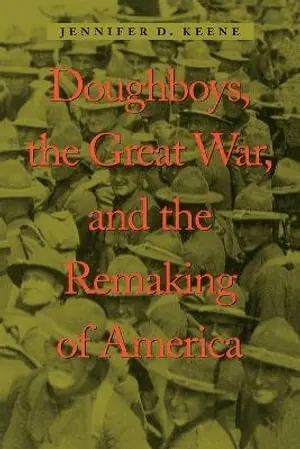
How does a democratic government conscript citizens, turn them into soldiers who can fight effectively against a highly trained enemy, and then somehow reward these troops for their service? In Doughboys, the Great War, and the Remaking of America, Jennifer D. Keene argues that the doughboy experience in 1917-18 forged the U.S. Army of the twentieth century and ultimately led to the most sweeping piece of social-welfare legislation in the nation's history-the G.I. Bill. Keene shows how citizen-soldiers established standards of discipline that the army in a sense had to adopt. Even after these troops had returned to civilian life, lessons learned by the army during its first experience with a mass conscripted force continued to influence the military as an institution. The experience of going into uniform and fighting abroad politicized citizen-soldiers, Keene finally argues, in ways she asks us to ponder.She finds that the country and the conscripts-in their view-entered into a certain social compact, one that assured veterans that the federal government owed conscripted soldiers of the twentieth century debts far in excess of the pensions the Grand Army of the Republic had claimed in the late nineteenth century.
Fighting for Hope
African American Troops of the 93rd Infantry Division in World War II and Postwar America
Inbunden, Engelska, 2009
743 kr
Skickas inom 5-8 vardagar
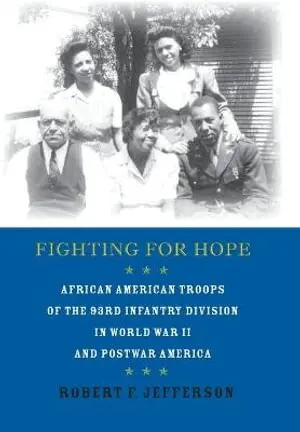
This fascinating history shows how African-American military men and women seized their dignity through barracks culture and community politics during and after World War II. Drawing on oral testimony, unpublished correspondence, archival records, memoirs, and diaries, Robert F. Jefferson explores the curious contradiction of war-effort idealism and entrenched discrimination through the experiences of the 93rd Infantry Division. Led by white officers and presumably unable to fight-and with the army taking great pains to regulate contact between black soldiers and local women-the division was largely relegated to support roles during the advance on the Philippines, seeing action only later in the war when U.S. officials found it unavoidable. Jefferson discusses racial policy within the War Department, examines the lives and morale of black GIs and their families, documents the debate over the deployment of black troops, and focuses on how the soldiers' wartime experiences reshaped their perspectives on race and citizenship in America.He finds in these men and their families incredible resilience in the face of racism at war and at home and shows how their hopes for the future provided a blueprint for America's postwar civil rights struggles. Integrating social history and civil rights movement studies, Fighting for Hope examines the ways in which political meaning and identity were reflected in the aspirations of these black GIs and their role in transforming the face of America.
551 kr
Tillfälligt slut
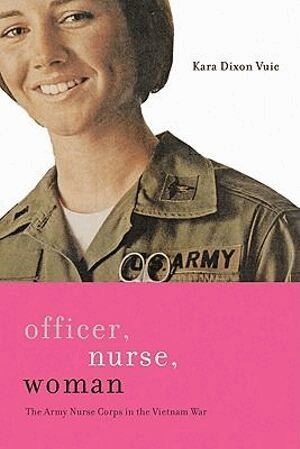
"'I never got a chance to be a girl,' Kate O'Hare Palmer lamented, thirty-four years after her tour as an army nurse in Vietnam. Although proud of having served, she felt that the war she never understood had robbed her of her innocence and forced her to grow up too quickly. As depicted in a photograph taken late in her tour, long hours in the operating room exhausted her both physically and mentally. Her tired eyes and gaunt face reflected th e weariness she felt after treating countless patients, some dying, some maimed, all, like her, forever changed. Still, she learned to work harder and faster than she thought she could, to trust her nursing skills, and to live independently. She developed a way to balance the dangers and benefits of being a woman in the army and in the war. Only fourteen months long, her tour in Vietnam profoundly affected her life and her beliefs." Such vivid personal accounts abound in historian Kara Dixon Vuic's compelling look at the experiences of army nurses in the Vietnam War.Drawing on more than 100 interviews, Vuic allows the nurses to tell their own captivating stories, from their reasons for joining the military to the physical and emotional demands of a horrific war and postwar debates about how to commemorate their service. Vuic also explores the gender issues that arose when a male-dominated army actively recruited and employed the services of 5,000 nurses in the midst of a growing feminist movement and a changing nursing profession. Women drawn to the army's patriotic promise faced disturbing realities in the virtually all-male hospitals of South Vietnam. Men who joined the nurse corps ran headlong into the army's belief that women should nurse and men should fight. Officer, Nurse, Woman brings to light the nearly forgotten contributions of brave nurses who risked their lives to bring medical care to soldiers during a terrible-and divisive-war.
343 kr
Skickas inom 7-10 vardagar
"'I never got a chance to be a girl,' Kate O'Hare Palmer lamented, thirty-four years after her tour as an army nurse in Vietnam. Although proud of having served, she felt that the war she never understood had robbed her of her innocence and forced her to grow up too quickly. As depicted in a photograph taken late in her tour, long hours in the operating room exhausted her both physically and mentally. Her tired eyes and gaunt face reflected th e weariness she felt after treating countless patients, some dying, some maimed, all, like her, forever changed. Still, she learned to work harder and faster than she thought she could, to trust her nursing skills, and to live independently. She developed a way to balance the dangers and benefits of being a woman in the army and in the war. Only fourteen months long, her tour in Vietnam profoundly affected her life and her beliefs." Such vivid personal accounts abound in historian Kara Dixon Vuic's compelling look at the experiences of army nurses in the Vietnam War.Drawing on more than 100 interviews, Vuic allows the nurses to tell their own captivating stories, from their reasons for joining the military to the physical and emotional demands of a horrific war and postwar debates about how to commemorate their service. Vuic also explores the gender issues that arose when a male-dominated army actively recruited and employed the services of 5,000 nurses in the midst of a growing feminist movement and a changing nursing profession. Women drawn to the army's patriotic promise faced disturbing realities in the virtually all-male hospitals of South Vietnam. Men who joined the nurse corps ran headlong into the army's belief that women should nurse and men should fight. Officer, Nurse, Woman brings to light the nearly forgotten contributions of brave nurses who risked their lives to bring medical care to soldiers during a terrible-and divisive-war.
518 kr
Skickas inom 5-8 vardagar
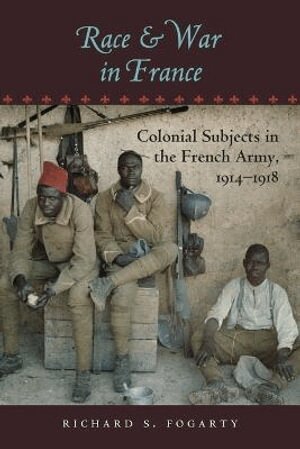
During the First World War, the French army deployed more than 500,000 colonial subjects to European battlefields. The struggle against a common enemy associated these soldiers with the French nation, but racial and cultural differences left them on the outside. This study investigates French conceptions of race and national identity at the time as reflected in the attitudes and policies directed toward these soldiers. How far did French egalitarianism extend in welcoming and disciplining nonwhite troops? Using the experiences of African and Asian colonial soldiers, Richard S. Fogarty examines how tensions between racial prejudices and strong traditions of republican universalism and egalitarianism resulted in often contradictory and paradoxical policies. Employing a socially and culturally integrated approach to the history of warfare that connects military and political policies with the society and culture in which they developed, Fogarty presents a fresh picture of how the French came to deal with race relations, religious differences, and French identity itself.
269 kr
Tillfälligt slut
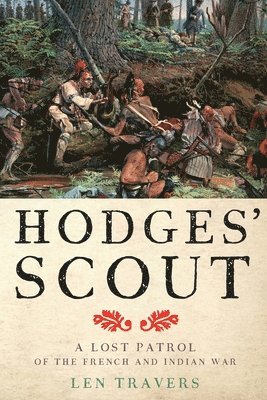
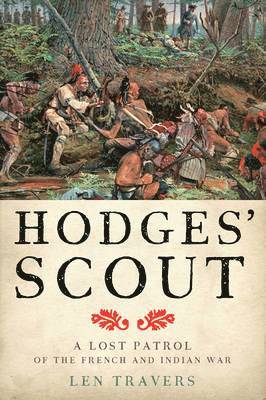
In September 1756, fifty American soldiers set off on a routine reconnaissance near Lake George, determined to safeguard the upper reaches of the New York colony. Caught in a devastating ambush by French and native warriors, only a handful of colonials made it back alive. Toward the end of the French and Indian War, another group of survivors, long feared dead, returned home, having endured years of grim captivity among the native and French inhabitants of Canada. Pieced together from archival records, period correspondence, and official reports, Hodges' Scout relates the riveting tale of young colonists who were tragically caught up in a war they barely understood. Len Travers brings history to life by describing the variety of motives that led men to enlist in the campaign and the methods and means they used to do battle. He also reveals what the soldiers wore, the illnesses they experienced, the terror and confusion of combat, and the bitter hardships of captivity in alien lands. His remarkable research brings human experiences alive, giving us a rare, full-color view of the French and Indian War - the first true world war.
343 kr
Skickas inom 7-10 vardagar
A gritty look at the French and Indian War through the lens of the bloody skirmish of Hodges' Scout, the heretofore untold story of a lost patrol.In September 1756, fifty American soldiers set off on a routine reconnaissance near Lake George, determined to safeguard the upper reaches of the New York colony. Caught in a devastating ambush by French and native warriors, only a handful of colonials made it back alive. Toward the end of the French and Indian War, another group of survivors, long feared dead, returned home, having endured years of grim captivity among the native and French inhabitants of Canada.Pieced together from archival records, period correspondence, and official reports, Hodges' Scout relates the riveting tale of young colonists who were tragically caught up in a war they barely understood. Len Travers brings history to life by describing the variety of motives that led men to enlist in the campaign and the methods and means they used to do battle. He also reveals what the soldiers wore, the illnesses they experienced, the terror and confusion of combat, and the bitter hardships of captivity in alien lands. His remarkable research brings human experiences alive, giving us a rare, full-color view of the French and Indian War—the first true world war.