Womanist Readings of Scripture – serie
Visar alla böcker i serien Womanist Readings of Scripture. Handla med fri frakt och snabb leverans.
2 produkter
2 produkter
1 209 kr
Skickas inom 10-15 vardagar
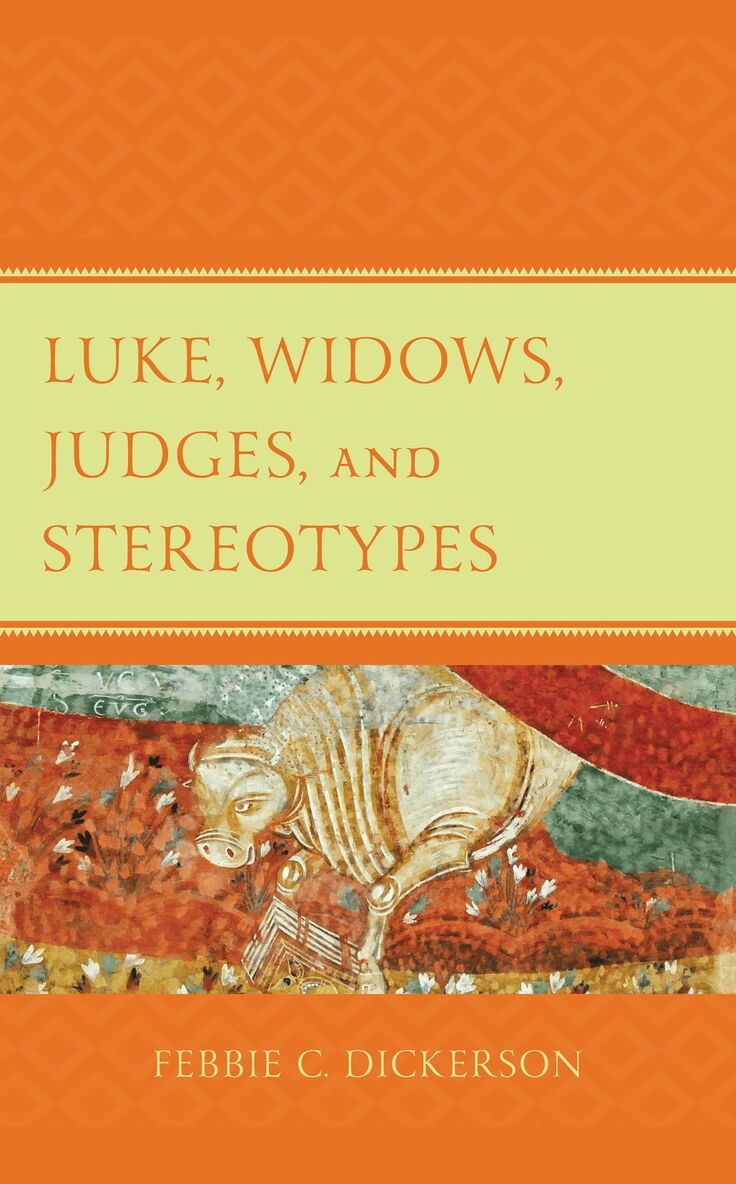
Biblical narratives are not simply sacred stories for religious communities: They are stories that provide transformative insight into cultural biases. By putting historical criticism and reception history into dialogue with womanist biblical hermeneutics, Luke, Widows, Judges, and Stereotypes offers a provocative reading of Jesus’ parable about a widow who confronts a judge and obtains what she seeks by means of physical threat. Rather than simply reading the widow as the model for “one who prays always and does not lose heart” (Luke 18:1), Dickerson shows that read in the context of Luke’s wider narrative, the widow, domesticated and robbed both of her agency and moral ambiguity, is more likely demanding vengeance instead of justice. Likewise, rather than simply reading the judge as one "who neither feared God nor had respect for people" (Luke 18:2), Dickerson argues that the judge is both an ideal man and one who compromises standards of ancient masculinity. Then, reading both the widow and judge through African American stereotypes (Mammy, Jezebel, Sapphire, Cool Black Male, Master-Pastor, and Foolish Judge) that are used to degrade, debase, and control, and reading them into and in light of the parable, Dickerson demonstrates how the parable calls into question these stereotypes thereby producing new liberative readings.
Womanist Reading of Hebrew Bible Narratives as the Politics of Belonging from an Outsider Within
Inbunden, Engelska, 2024
1 142 kr
Skickas inom 10-15 vardagar
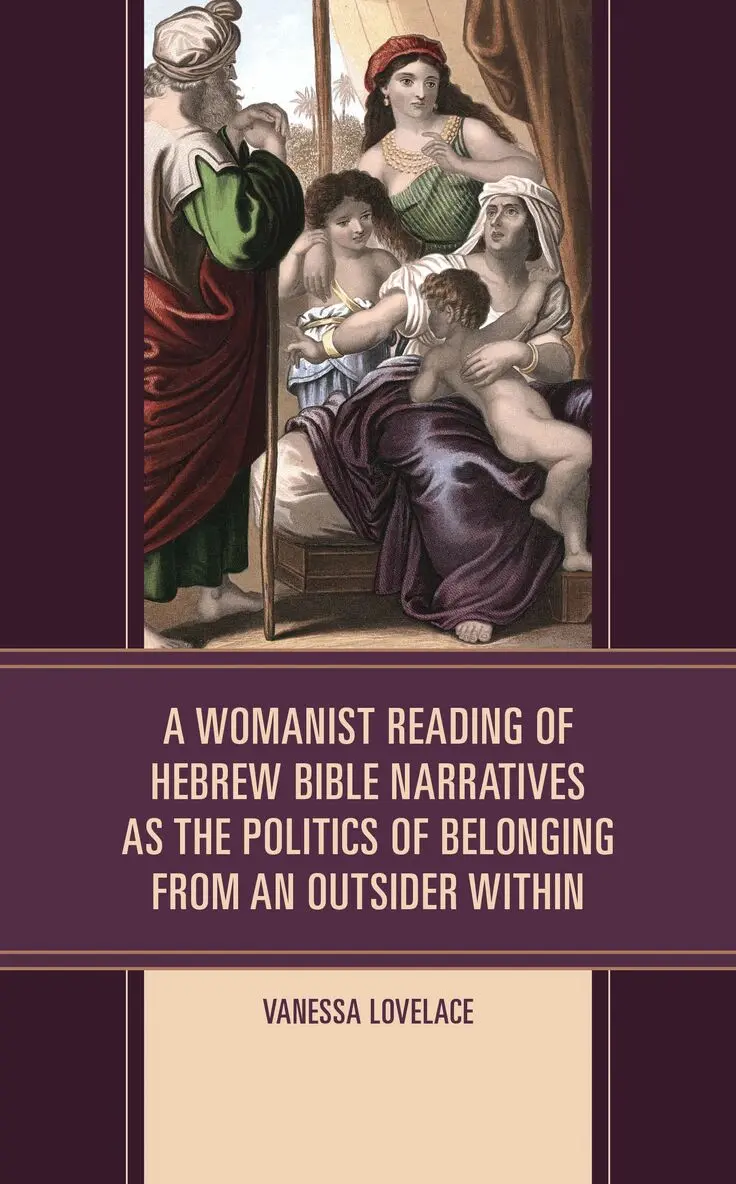
The U.S. Declaration of Independence of 1776 decreed that all men were created equal and were endowed by their Creator with “certain unalienable Rights.” Yet, U.S.-born free and enslaved Black people were not recognized as citizens with “equal protections under the law” until the passage of the Fourteenth Amendment. Even then, White supremacists impeded the equal rights of Black people as citizens due to their beliefs in the inferiority of Black people and that America was a nation for White people. White supremacists turned to biblical passages to lend divine justification for their views. A Womanist Reading of Hebrew Bible Narratives as the Politics of Belonging from an Outsider Within analyzes select biblical narratives, including Noah’s curse in Genesis 9; Sarah and Hagar in Genesis 16 and 21; Mother in Israel in Judges 5; and Jezebel, Phoenician Princess and Queen of Israel in 1 and 2 Kings. This analysis demonstrates how these narratives were first used by ancient biblical writers to include some and exclude others as members of the nation of Israel and then appropriated by White supremacists in the antebellum era and the early twentieth century to do the same in America. The book analyzes the simultaneously intersecting and interconnecting dynamics among race, gender, class, and sexuality and biblical narratives to construct boundaries between “us versus them,” particularly the politicization of motherhood to deny certain groups’ inclusion.