Women in Religions - Böcker
Visar alla böcker i serien Women in Religions. Handla med fri frakt och snabb leverans.
12 produkter
12 produkter
956 kr
Skickas inom 10-15 vardagar
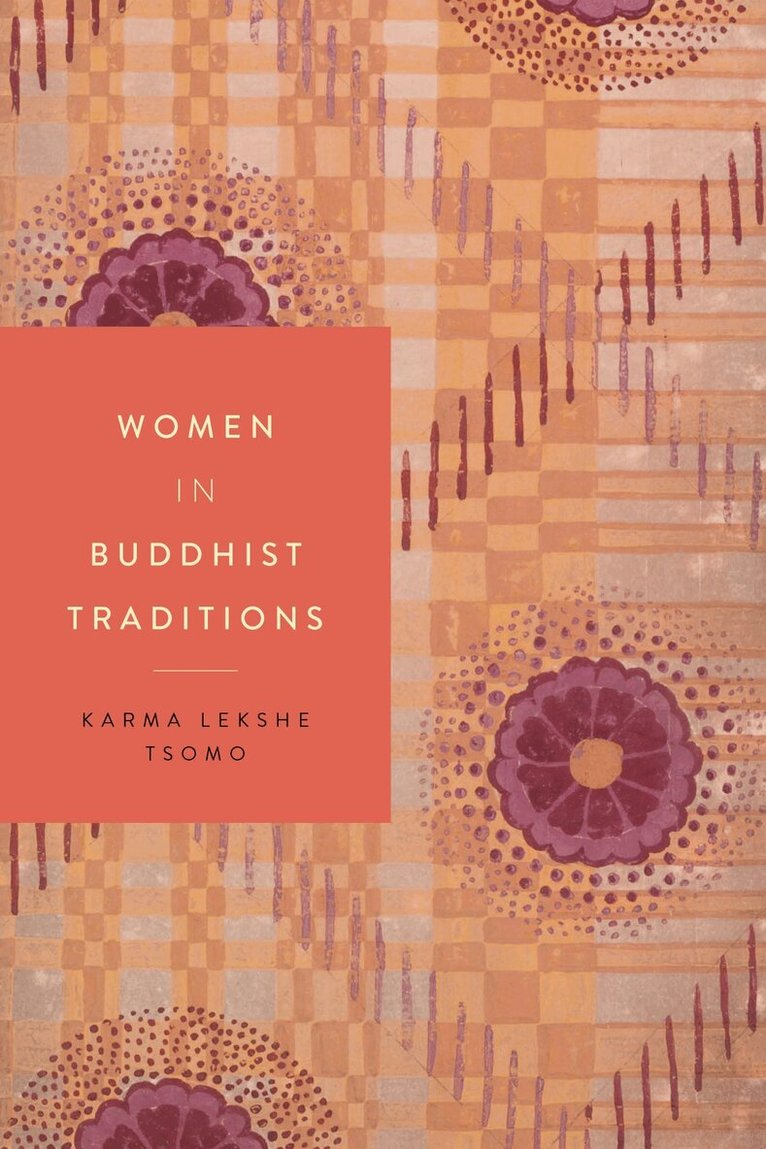
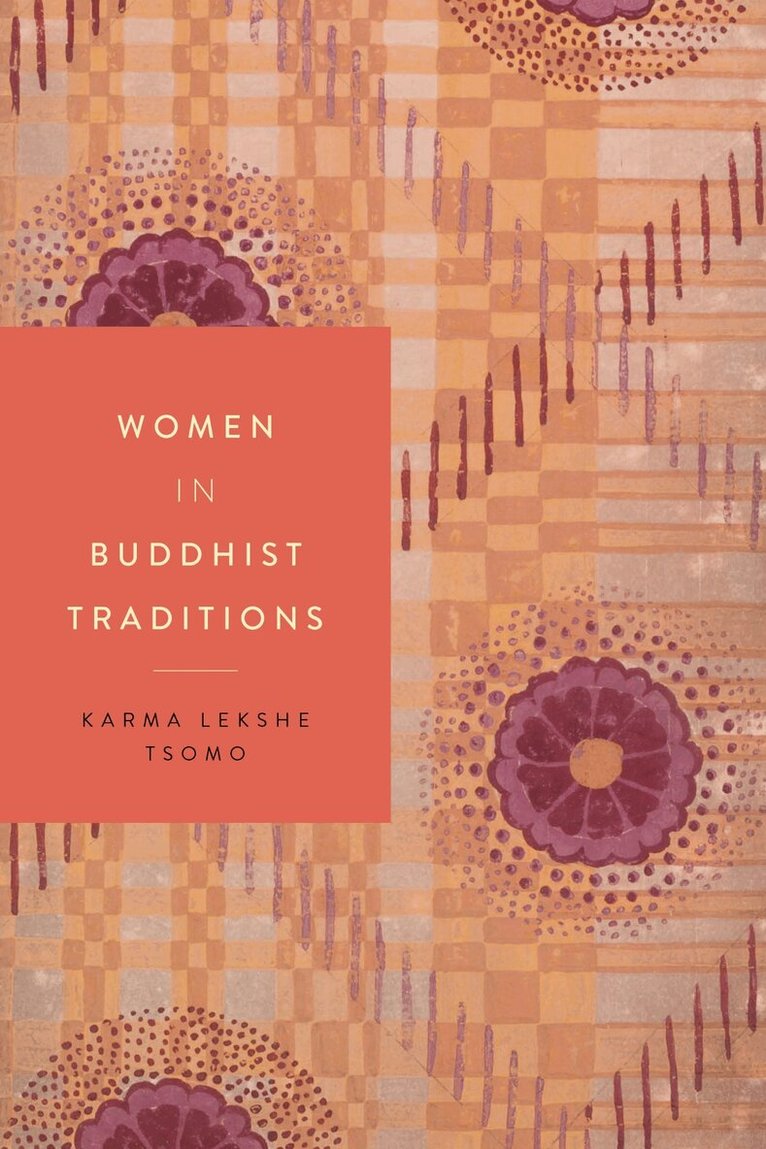
A new history of Buddhism that highlights the insights and experiences of women from diverse communities and traditions around the worldBuddhist traditions have developed over a period of twenty-five centuries in Asia, and recent decades have seen an unprecedented spread of Buddhism globally. From India to Japan, Sri Lanka to Russia, Buddhist traditions around the world have their own rich and diverse histories, cultures, religious lives, and roles for women.Wherever Buddhism has taken root, it has interacted with indigenous cultures and existing religious traditions. These traditions have inevitably influenced the ways in which Buddhist ideas and practices have been understood and adapted. Tracing the branches and fruits of these culturally specific transmissions and adaptations is as challenging as it is fascinating.Women in Buddhist Traditions chronicles pivotal moments in the story of Buddhist women, from the beginning of Buddhist history until today. The book highlights the unique contributions of Buddhist women from a variety of backgrounds and the strategies they have developed to challenge patriarchy in the process of creating an enlightened society.Women in Buddhist Traditions offers a groundbreaking and insightful introduction to the lives of Buddhist women worldwide.
271 kr
Skickas inom 7-10 vardagar
A new history of Buddhism that highlights the insights and experiences of women from diverse communities and traditions around the worldBuddhist traditions have developed over a period of twenty-five centuries in Asia, and recent decades have seen an unprecedented spread of Buddhism globally. From India to Japan, Sri Lanka to Russia, Buddhist traditions around the world have their own rich and diverse histories, cultures, religious lives, and roles for women.Wherever Buddhism has taken root, it has interacted with indigenous cultures and existing religious traditions. These traditions have inevitably influenced the ways in which Buddhist ideas and practices have been understood and adapted. Tracing the branches and fruits of these culturally specific transmissions and adaptations is as challenging as it is fascinating.Women in Buddhist Traditions chronicles pivotal moments in the story of Buddhist women, from the beginning of Buddhist history until today. The book highlights the unique contributions of Buddhist women from a variety of backgrounds and the strategies they have developed to challenge patriarchy in the process of creating an enlightened society.Women in Buddhist Traditions offers a groundbreaking and insightful introduction to the lives of Buddhist women worldwide.
231 kr
Skickas inom 7-10 vardagar
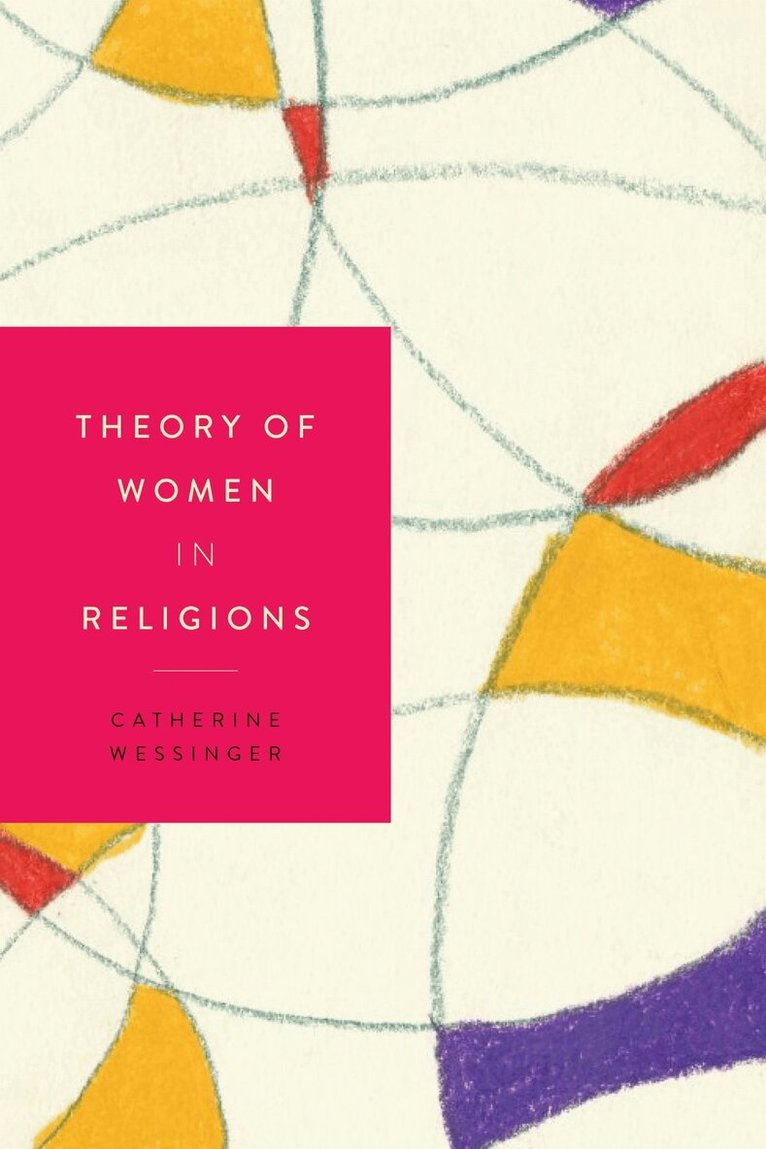
An introduction to the study of women in diverse religious culturesWhile women have made gains in equality over the past two centuries, equality for women in many religious traditions remains contested throughout the world. In the Roman Catholic Church and the Church of Jesus Christ of Latter-day Saints women are not ordained as priests. In areas of Pakistan and Afghanistan under Taliban occupation girls and women students and their teachers risk their lives to go to school. And in Sri Lanka, fully ordained Buddhist nuns are denied the government identity cards that recognize them as citizens. Is it possible to create families, societies, and religions in which women and men are equal? And if so, what are the factors that promote equality?Theory of Women in Religions offers an economic model to shed light on the forces that have impacted the respective statuses of women and men from the earliest developmental stages of society through the present day. Catherine Wessinger integrates data and theories from anthropology, archaeology, sociology, history, gender studies, and psychology into a concise history of religions introduction to the complex relationship between gender and religion. She argues that socio-economic factors that support specific gender roles, in conjunction with religious norms and ideals, have created a gendered division of labor that both directly and indirectly reinforces gender inequality. Yet she also highlights how as the socio-economic situation is changing religion is being utilized to support the transition toward women's equality, noting the ways in which many religious representations of gender change over time.
956 kr
Skickas inom 10-15 vardagar
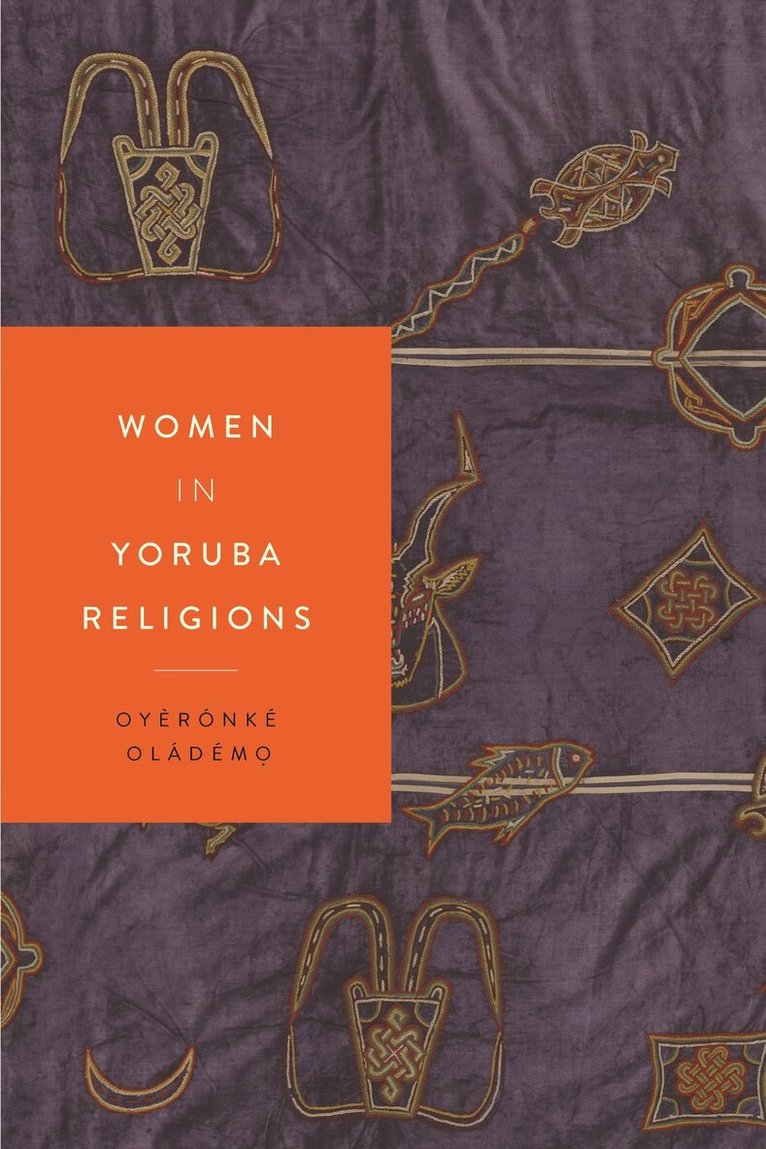
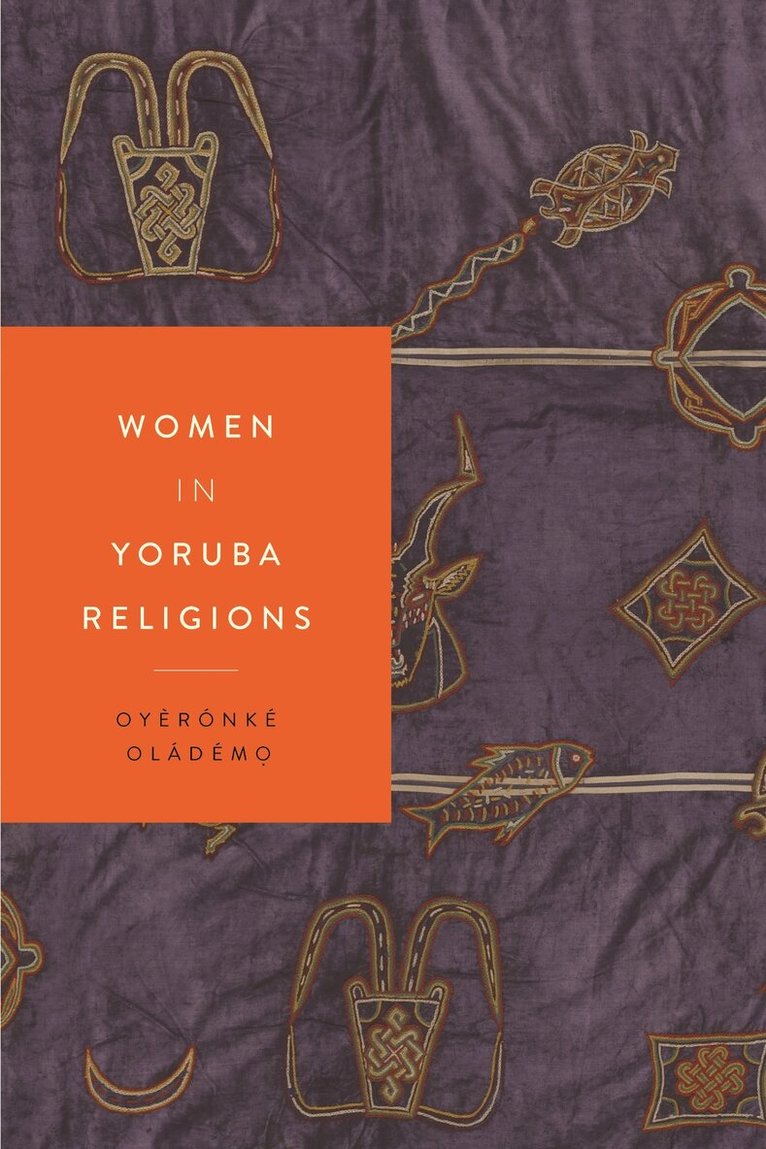
Uncovers the influence of Yoruba culture on women's religious lives and leadership in religions practiced by Yoruba people Women in Yoruba Religions examines the profound influence of Yoruba culture in Yoruba religion, Christianity, Islam, and Afro-Diasporic religions such as Santeria and Candomblé, placing gender relations in historical and social contexts. While the coming of Christianity and Islam to Yorubaland has posed significant challenges to Yoruba gender relations by propagating patriarchal gender roles, the resources within Yoruba culture have enabled women to contest the full acceptance of those new norms. Oyeronke Olademo asserts that Yoruba women attain and wield agency in family and society through their economic and religious roles, and Yoruba operate within a system of gender balance, so that neither of the sexes can be subsumed in the other. Olademo utilizes historical and phenomenological methods, incorporating impressive data from interviews and participant-observation, showing how religion is at the core of Yoruba lived experiences and is intricately bound up in all sectors of daily life in Yorubaland and abroad in the diaspora.
284 kr
Skickas inom 7-10 vardagar
Uncovers the influence of Yoruba culture on women's religious lives and leadership in religions practiced by Yoruba people Women in Yoruba Religions examines the profound influence of Yoruba culture in Yoruba religion, Christianity, Islam, and Afro-Diasporic religions such as Santeria and Candomblé, placing gender relations in historical and social contexts. While the coming of Christianity and Islam to Yorubaland has posed significant challenges to Yoruba gender relations by propagating patriarchal gender roles, the resources within Yoruba culture have enabled women to contest the full acceptance of those new norms. Oyeronke Olademo asserts that Yoruba women attain and wield agency in family and society through their economic and religious roles, and Yoruba operate within a system of gender balance, so that neither of the sexes can be subsumed in the other. Olademo utilizes historical and phenomenological methods, incorporating impressive data from interviews and participant-observation, showing how religion is at the core of Yoruba lived experiences and is intricately bound up in all sectors of daily life in Yorubaland and abroad in the diaspora.
310 kr
Skickas inom 7-10 vardagar
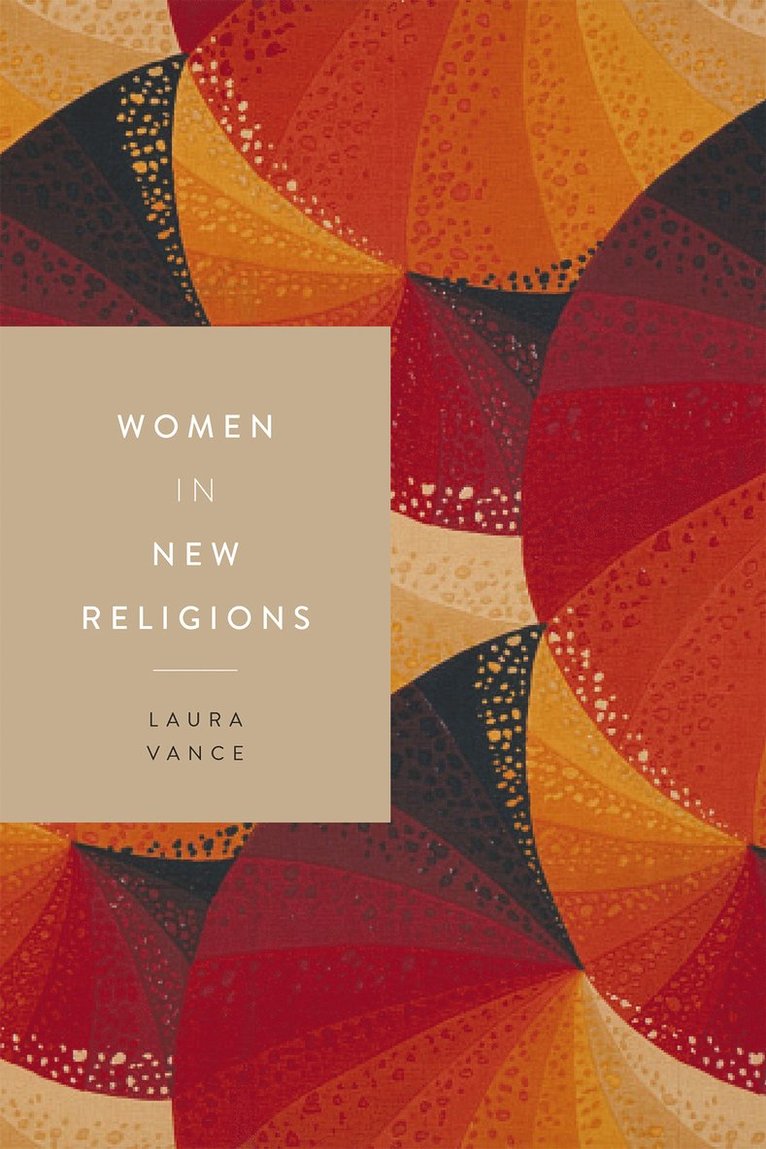
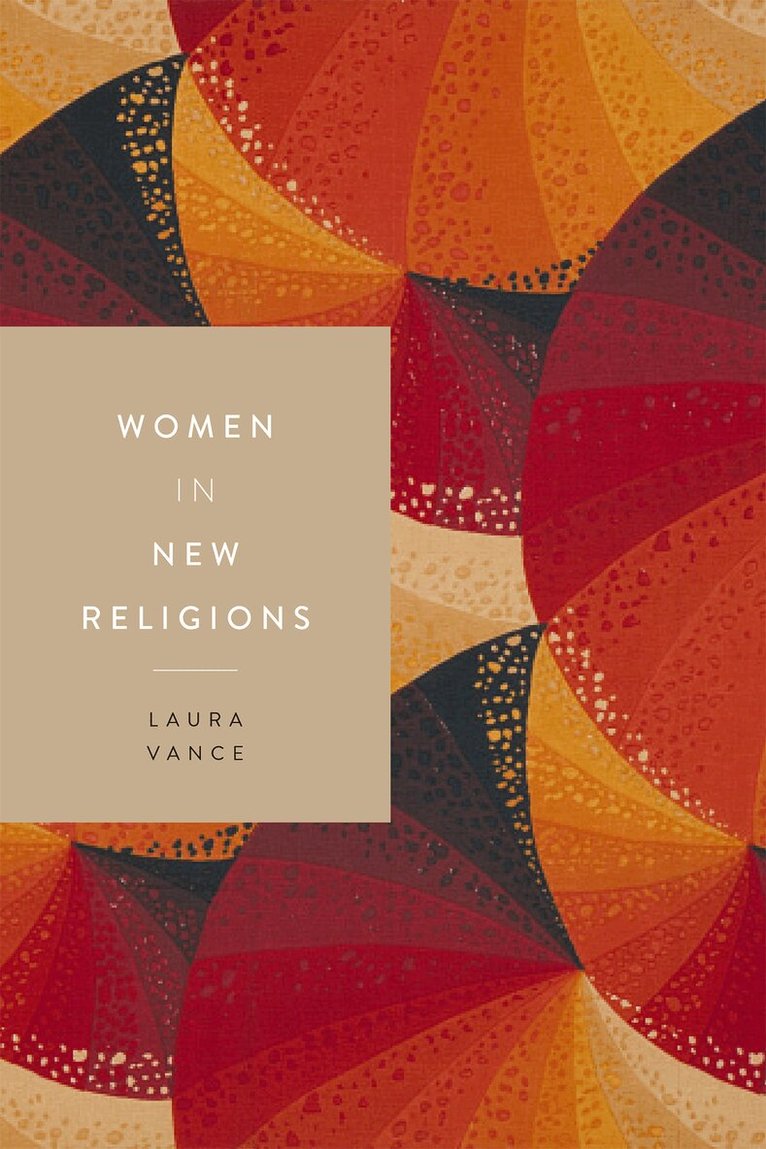
An in-depth history of selected New Religions that highlights the roles of women in their founding and continual practiceWomen in New Religions offers an engaging look at women's evolving place in the birth and development of new religious movements. It focuses on four disparate new religions—Mormonism, Seventh-day Adventism, The Family International, and Wicca—to illuminate their implications for gender socialization, religious leadership and participation, sexuality, and family ideals.Religious worldviews and gender roles interact with one another in complicated ways. This is especially true within new religions, which frequently set roles for women in ways that help the movements to define their boundaries in relation to the wider society. As new religious movements emerge, they often position themselves in opposition to dominant society and concomitantly assert alternative roles for women. But these religions are not monolithic: rather than defining gender in rigid and repressive terms, new religions sometimes offer possibilities to women that are not otherwise available. Vance traces expectations for women as the religions emerge, and transformation of possibilities and responsibilities for women as they mature.Weaving theory with examination of each movement's origins, history, and beliefs and practices, this text contextualizes and situates ideals for women in new religions. The book offers an accessible analysis of the complex factors that influence gender ideology and its evolution in new religious movements, including the movements' origins, charismatic leadership and routinization, theology and doctrine, and socio-historical contexts. It shows how religions shape definitions of women's place in a way that is informed by response to social context, group boundaries, and identity.
297 kr
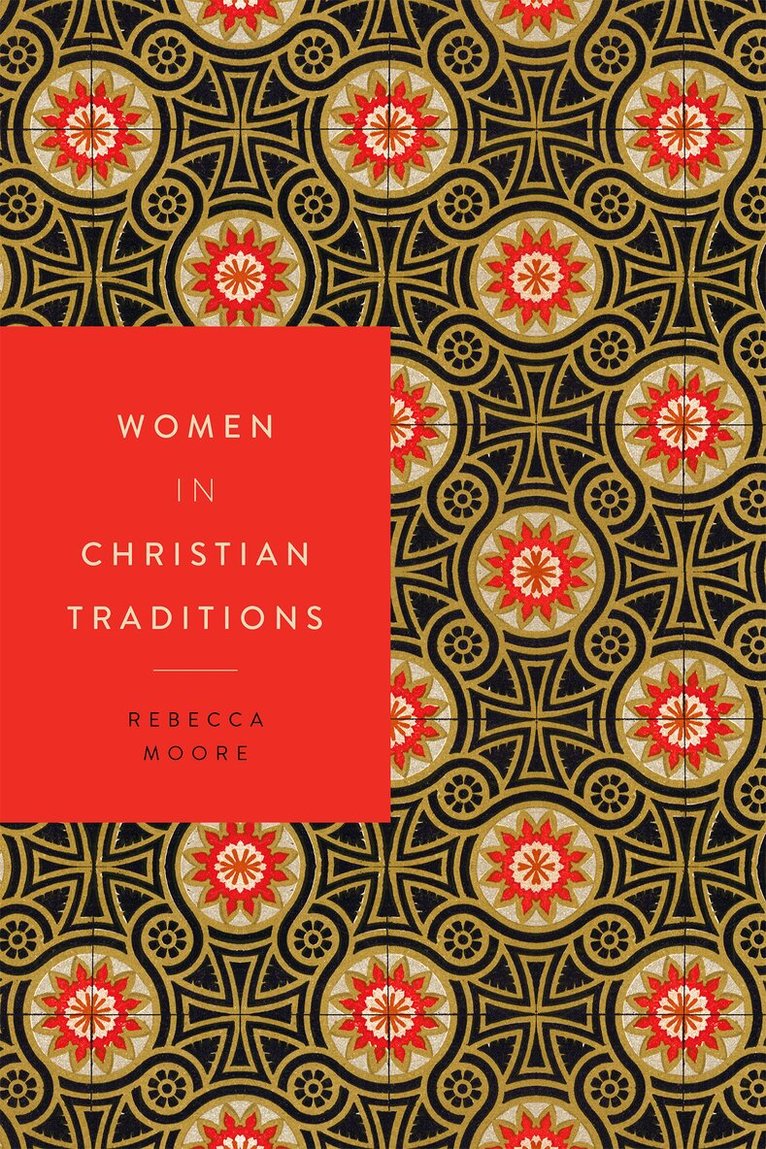
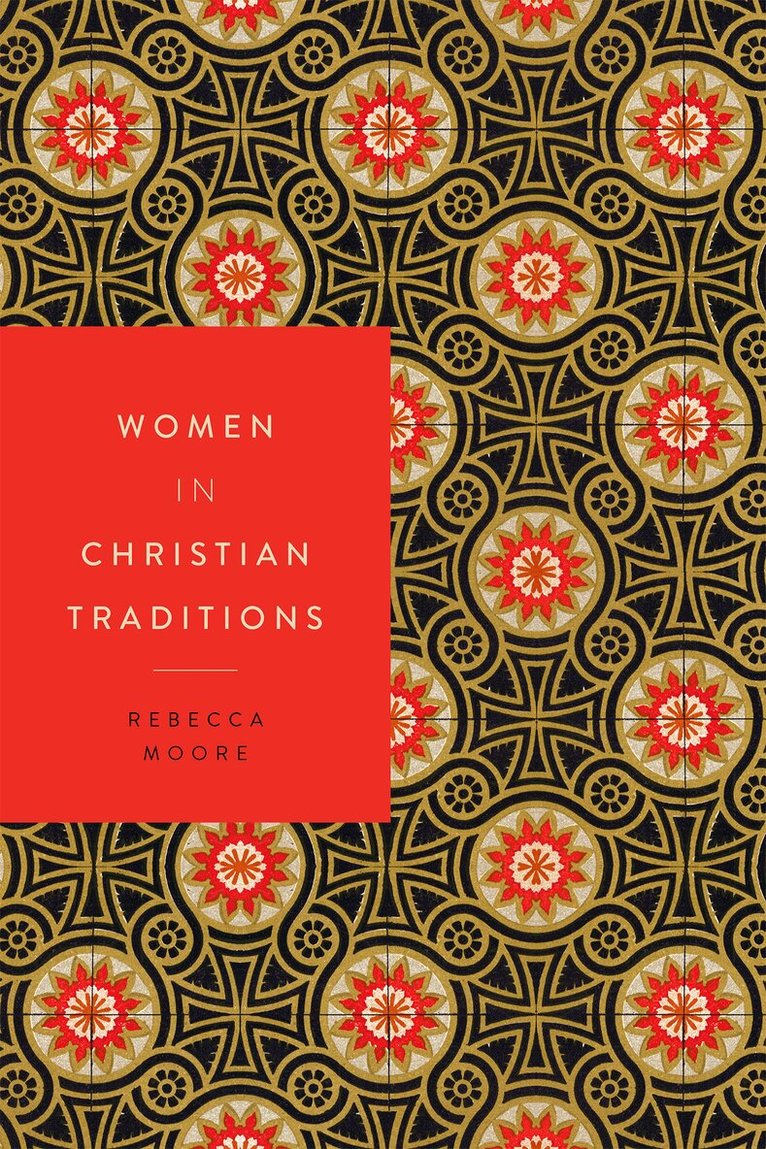
Uncovers women's participation and impact on defining historical moments and themes of Christian traditionsWomen in Christian Traditions offers a concise and accessible examination of the roles women have played in the construction and practice of Christian traditions, revealing the enormous debt that this major world religion owes to its female followers. It recovers forgotten and obscured moments in church history to help us to realize a richer and fuller understanding of Christianity.This text provides an overview of the complete sweep of Christian history through the lens of feminist scholarship. Yet it also departs from some of the assumptions of that scholarship, raising questions that challenge our thinking about how women have shaped beliefs and practices during two thousand years of church history. Did the emphasis on virginity in the early church empower Christian women? Did the emphasis on marriage during the Reformations of the sixteenth century improve their status? These questions and others have important implications for women in Christianity in particular, and for women in religion in general, since they go to the heart of the human condition.This work examines themes, movements, and events in their historical contexts and locates churchwomen within the broader developments that have been pivotal in the evolution of Christianity. From the earliest disciples to the latest theologians, from the missionaries to the martyrs, women have been instrumental in keeping the faith alive. Women in Christian Traditions shows how they did so.
702 kr
Skickas inom 10-15 vardagar
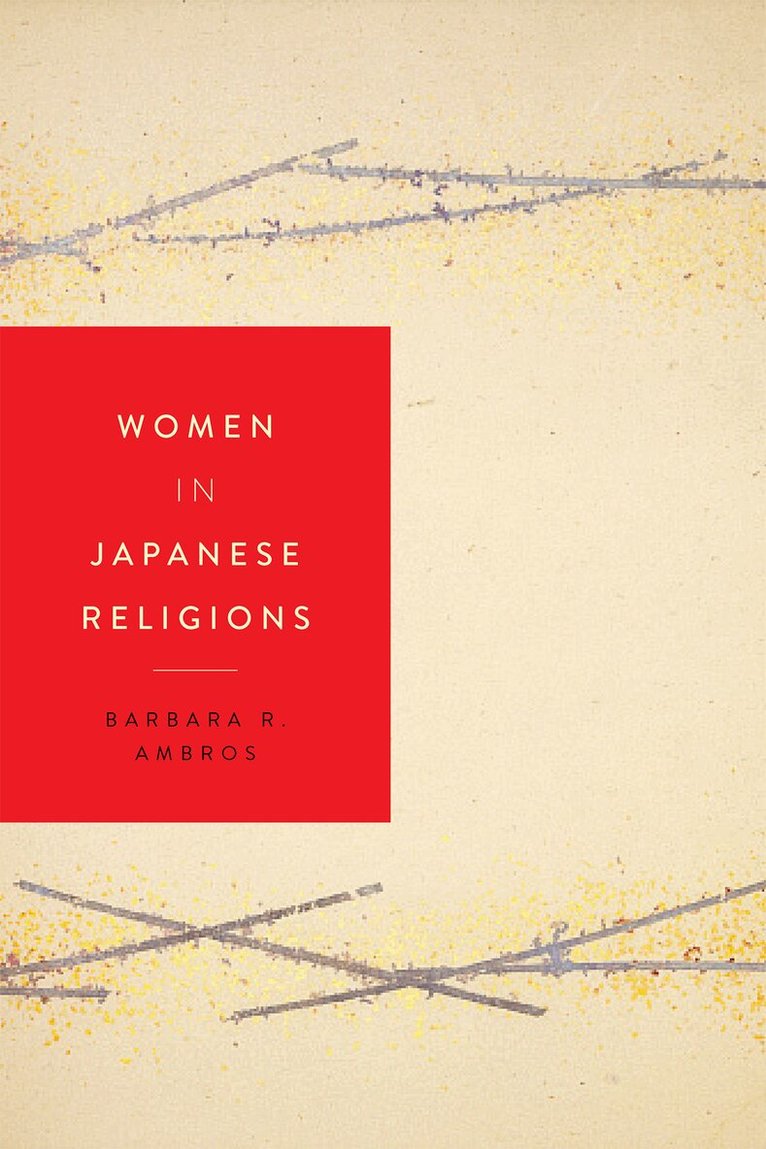
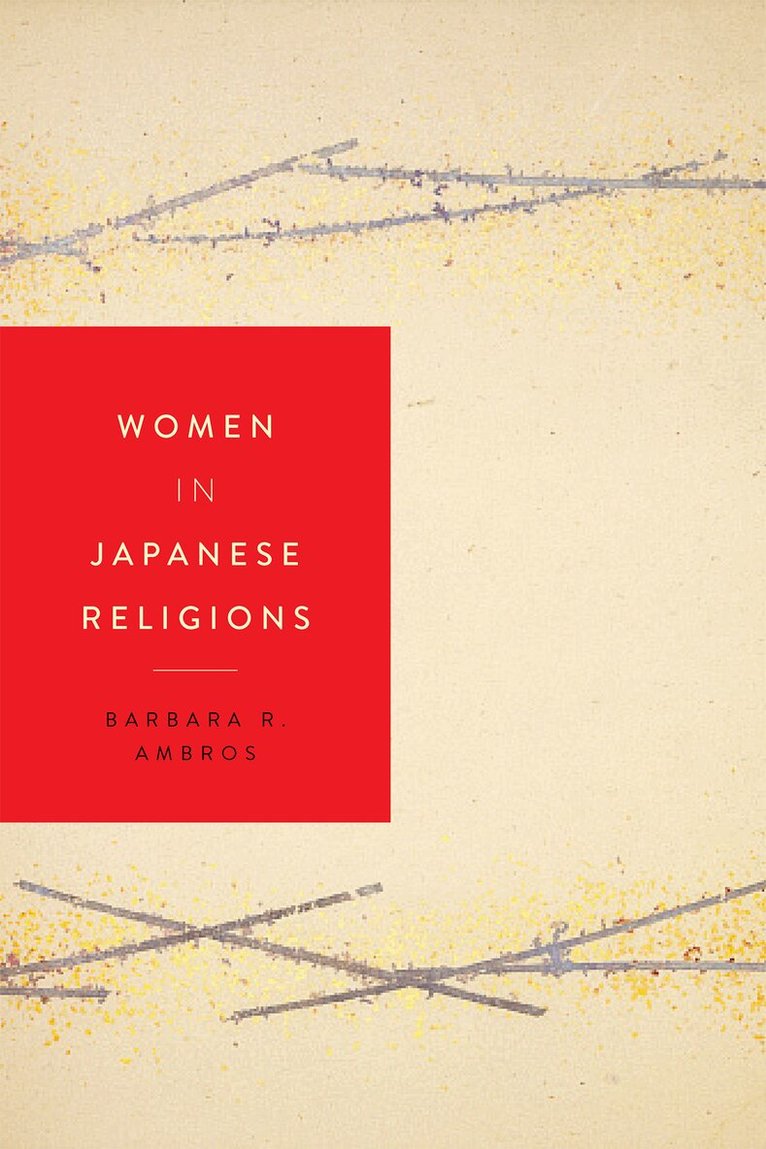
A comprehensive history of women in Japanese religious traditionsScholars have widely acknowledged the persistent ambivalence with which the Japanese religious traditions treat women. Much existing scholarship depicts Japan's religious traditions as mere means of oppression. But this view raises a question: How have ambivalent and even misogynistic religious discourses on gender still come to inspire devotion and emulation among women?In Women in Japanese Religions, Barbara R. Ambros examines the roles that women have played in the religions of Japan. An important corrective to more common male-centered narratives of Japanese religious history, this text presents a synthetic long view of Japanese religions from a distinct angle that has typically been discounted in standard survey accounts of Japanese religions.Drawing on a diverse collection of writings by and about women, Ambros argues that ambivalent religious discourses in Japan have not simply subordinated women but also given them religious resources to pursue their own interests and agendas. Comprising nine chapters organized chronologically, the book begins with the archeological evidence of fertility cults and the early shamanic ruler Himiko in prehistoric Japan and ends with an examination of the influence of feminism and demographic changes on religious practices during the "lost decades" of the post-1990 era. By viewing Japanese religious history through the eyes of women, Women in Japanese Religions presents a new narrative that offers strikingly different vistas of Japan's pluralistic traditions than the received accounts that foreground male religious figures and male-dominated institutions.
1 157 kr
Skickas inom 10-15 vardagar
Uncovers women's participation and impact on defining historical moments and themes of Christian traditionsWomen in Christian Traditions offers a concise and accessible examination of the roles women have played in the construction and practice of Christian traditions, revealing the enormous debt that this major world religion owes to its female followers. It recovers forgotten and obscured moments in church history to help us to realize a richer and fuller understanding of Christianity.This text provides an overview of the complete sweep of Christian history through the lens of feminist scholarship. Yet it also departs from some of the assumptions of that scholarship, raising questions that challenge our thinking about how women have shaped beliefs and practices during two thousand years of church history. Did the emphasis on virginity in the early church empower Christian women? Did the emphasis on marriage during the Reformations of the sixteenth century improve their status? These questions and others have important implications for women in Christianity in particular, and for women in religion in general, since they go to the heart of the human condition.This work examines themes, movements, and events in their historical contexts and locates churchwomen within the broader developments that have been pivotal in the evolution of Christianity. From the earliest disciples to the latest theologians, from the missionaries to the martyrs, women have been instrumental in keeping the faith alive. Women in Christian Traditions shows how they did so.
956 kr
Skickas inom 10-15 vardagar
An in-depth history of selected New Religions that highlights the roles of women in their founding and continual practiceWomen in New Religions offers an engaging look at women's evolving place in the birth and development of new religious movements. It focuses on four disparate new religions—Mormonism, Seventh-day Adventism, The Family International, and Wicca—to illuminate their implications for gender socialization, religious leadership and participation, sexuality, and family ideals.Religious worldviews and gender roles interact with one another in complicated ways. This is especially true within new religions, which frequently set roles for women in ways that help the movements to define their boundaries in relation to the wider society. As new religious movements emerge, they often position themselves in opposition to dominant society and concomitantly assert alternative roles for women. But these religions are not monolithic: rather than defining gender in rigid and repressive terms, new religions sometimes offer possibilities to women that are not otherwise available. Vance traces expectations for women as the religions emerge, and transformation of possibilities and responsibilities for women as they mature.Weaving theory with examination of each movement's origins, history, and beliefs and practices, this text contextualizes and situates ideals for women in new religions. The book offers an accessible analysis of the complex factors that influence gender ideology and its evolution in new religious movements, including the movements' origins, charismatic leadership and routinization, theology and doctrine, and socio-historical contexts. It shows how religions shape definitions of women's place in a way that is informed by response to social context, group boundaries, and identity.
310 kr
Skickas inom 7-10 vardagar
A comprehensive history of women in Japanese religious traditionsScholars have widely acknowledged the persistent ambivalence with which the Japanese religious traditions treat women. Much existing scholarship depicts Japan's religious traditions as mere means of oppression. But this view raises a question: How have ambivalent and even misogynistic religious discourses on gender still come to inspire devotion and emulation among women?In Women in Japanese Religions, Barbara R. Ambros examines the roles that women have played in the religions of Japan. An important corrective to more common male-centered narratives of Japanese religious history, this text presents a synthetic long view of Japanese religions from a distinct angle that has typically been discounted in standard survey accounts of Japanese religions.Drawing on a diverse collection of writings by and about women, Ambros argues that ambivalent religious discourses in Japan have not simply subordinated women but also given them religious resources to pursue their own interests and agendas. Comprising nine chapters organized chronologically, the book begins with the archeological evidence of fertility cults and the early shamanic ruler Himiko in prehistoric Japan and ends with an examination of the influence of feminism and demographic changes on religious practices during the "lost decades" of the post-1990 era. By viewing Japanese religious history through the eyes of women, Women in Japanese Religions presents a new narrative that offers strikingly different vistas of Japan's pluralistic traditions than the received accounts that foreground male religious figures and male-dominated institutions.
1 010 kr
Skickas inom 10-15 vardagar
An introduction to the study of women in diverse religious culturesWhile women have made gains in equality over the past two centuries, equality for women in many religious traditions remains contested throughout the world. In the Roman Catholic Church and the Church of Jesus Christ of Latter-day Saints women are not ordained as priests. In areas of Pakistan and Afghanistan under Taliban occupation girls and women students and their teachers risk their lives to go to school. And in Sri Lanka, fully ordained Buddhist nuns are denied the government identity cards that recognize them as citizens. Is it possible to create families, societies, and religions in which women and men are equal? And if so, what are the factors that promote equality?Theory of Women in Religions offers an economic model to shed light on the forces that have impacted the respective statuses of women and men from the earliest developmental stages of society through the present day. Catherine Wessinger integrates data and theories from anthropology, archaeology, sociology, history, gender studies, and psychology into a concise history of religions introduction to the complex relationship between gender and religion. She argues that socio-economic factors that support specific gender roles, in conjunction with religious norms and ideals, have created a gendered division of labor that both directly and indirectly reinforces gender inequality. Yet she also highlights how as the socio-economic situation is changing religion is being utilized to support the transition toward women's equality, noting the ways in which many religious representations of gender change over time.