Wyvern Collection - Böcker
Visar alla böcker i serien Wyvern Collection. Handla med fri frakt och snabb leverans.
5 produkter
5 produkter
704 kr
Skickas inom 7-10 vardagar
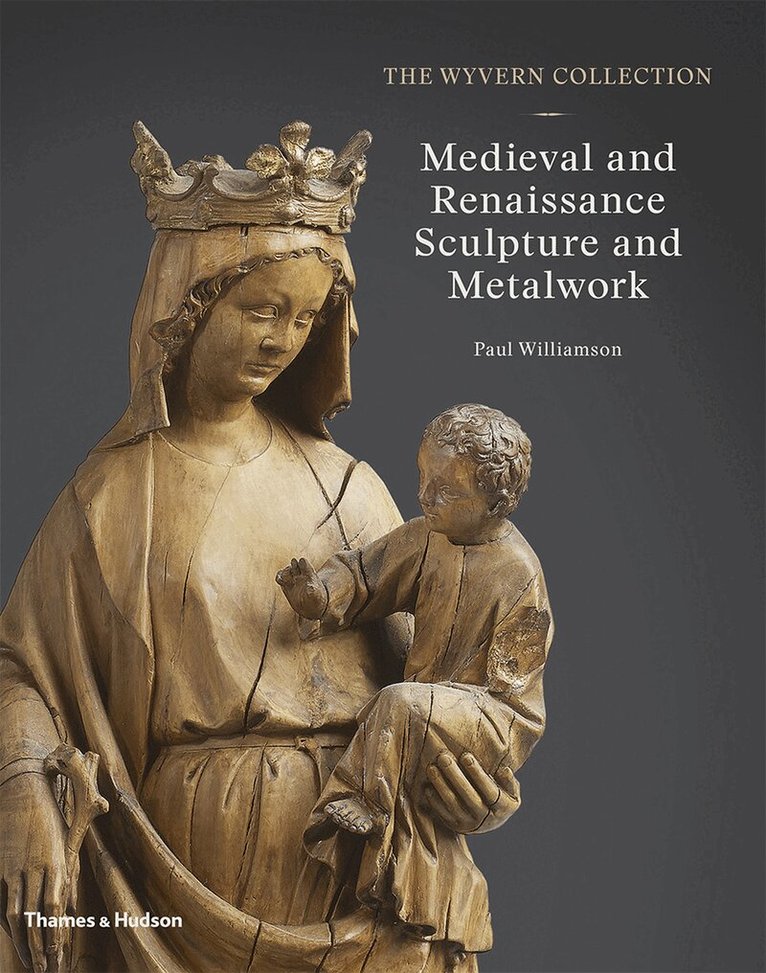
This catalogue of the Wyvern sculpture collection, which is not open to the public, comprises outstanding European sculptures of the medieval period, as well as some Late Antique and Byzantine pieces and related works of the post-medieval era. Objects are made from wood, stone (including alabaster and marble) and terracotta. Also included are medieval works of art in metal, mostly consisting of crucifix figures (corpora), and other functional metalware such as aquamanilia (water vessels for the washing of hands) and candlesticks. This sumptuous publication will interest all those concerned with the material culture of the Middle Ages.
704 kr
Skickas inom 7-10 vardagar
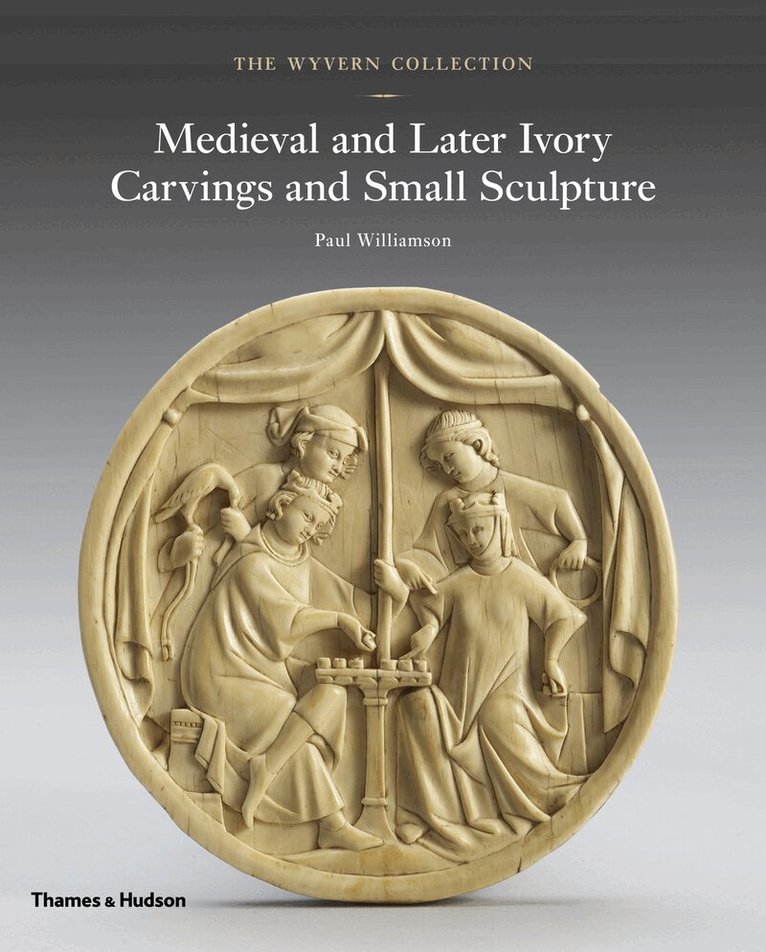
This volume, the second catalogue of the Wyvern Collection, celebrates an outstanding group of medieval ivory carvings and small sculpture, the finest assemblage of its kind in private hands. The book has pieces from every period of the Middle Ages, including rare examples from the Early Christian era; spectacular panels from the workshops of tenth-century Constantinople; objects produced by the celebrated carvers active in south Italy in the eleventh and twelfth centuries; and several important pieces from the Romanesque period. At the heart of the collection is an outstanding group of Gothic ivories whose highlights include one of the most important secular medieval ivories discovered in recent years. The collection also features a number of small amber, hardstone, jet, wood and mother-of-pearl carvings. In addition to their virtuoso craftsmanship, many of these objects have illustrious histories as part of famous aristocratic or ecclesiastical collections. This is a precious opportunity to study these miniature masterpieces.
704 kr
Skickas inom 7-10 vardagar
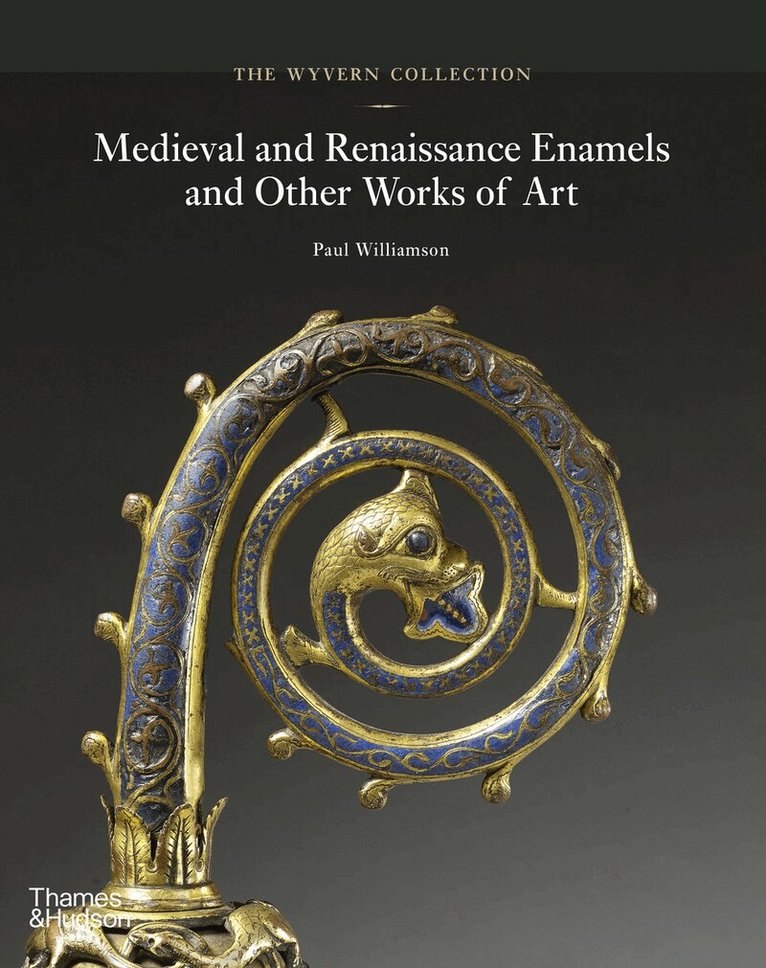
Works of art in enamel are among the most attractive, colourful and revealing objects of the Middle Ages and Renaissance. Enamel was employed to embellish a broad array of objects, including reliquary caskets, crosses, book-covers, croziers, censers and pyxes for the church and a wide range of tableware for the secular market. The Wyvern Collection comprises many pieces of prime importance from the twelfth to the sixteenth centuries. Among the highlights in this volume are two extremely rare Romanesque enamels of c. 1160-70 from the Meuse Valley: the celebrated reliquary triptych probably originally belonging to the Bishop of Liège, and a beautiful phylactery (a reliquary designed to be suspended) with scenes from the story of the True Cross, said to have come from the famous abbey of Lobbes. Limoges enamels of the twelfth and thirteenth centuries are particularly well represented, the 65 pieces making up what is undoubtedly now the finest and most comprehensive collection in private hands. The later painted enamels of Limoges, from the fifteenth and sixteenth centuries, include remarkable examples of the work of the principal enamellers, most notably Pierre Reymond, and the spectacular horn of St Hubert, dated 1538 and signed by Léonard Limosin, which once belonged to Horace Walpole at Strawberry Hill. The catalogue additionally includes other outstanding works of art such as an important Anglo-Carolingian chrismatory of the ninth century, a small group of enigmatic twelfth-century drinking-cups and sumptuous examples of German late medieval goldsmiths' work. Stained and painted glass roundels, Italian Renaissance ceramics, luxurious textiles and tapestries, and German and Italian armour are also catalogued. An appendix presents several important pieces, recently acquired, which supplement those published in the first two volumes. With more than 250 objects, all specially photographed, this is more than a handbook to an especially rich part of one of the greatest private collections. It is a detailed and authoritative guide to medieval and Renaissance enamels and other works of art, a stimulus to further research and a feast for the eyes.With 400 illustrations in colour
784 kr
Kommande
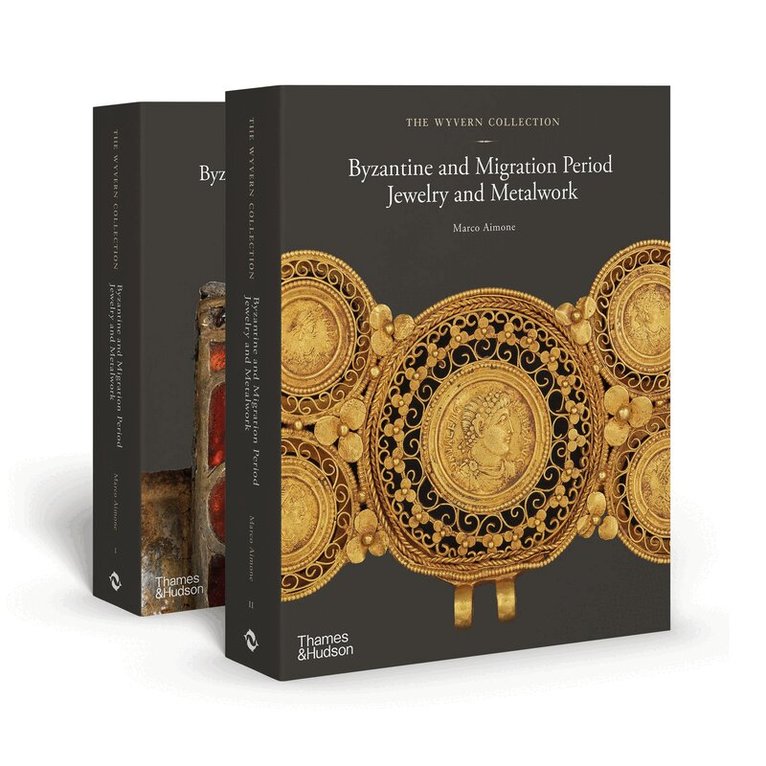
The definitive catalogue of one of the most important and spectacular collections of Late Antique and medieval decorative art in the world. Late Antiquity and the early medieval period witnessed enormous cultural transformation throughout Europe and the Mediterranean: the decline of the Roman Empire in western Europe, the rise of Byzantium in the East and mass migration of peoples from Asia and northern Europe into areas formerly under Roman control. Between the fourth and tenth centuries CE, in a period of great upheaval, the nation states of modern Europe emerged. At the centre was Byzantium, where many of the finest objects were made and then given to or traded with so-called 'barbarian' tribes. It was also the period when Christianity took root in material culture, at times in conjunction with pagan images. The many spectacular artefacts from this period in the Wyvern Collection include several substantial and previously unpublished collections of Late Roman and Byzantine jewelry. This was a time when wealth needed to be portable: the collection includes magnificent, jeweled buckles, brooches and diadems; and ornate weapons and horse-trappings, some with intricate garnet cloisonné decoration. Other extraordinary objects — parade swords, coin hoards, fibulae and torcs — complete this multifaceted portrait of a rapidly shifting Europe. Written by renowned Byzantine scholar Marco Aimone, the fifth catalogue of the Wyvern Collection is supplemented with three specialist essays: Jack Ogden on early manufacturing techniques, Noël Adams on garnet jewelry, and Leslie Webster on early medieval animal style. Jane Kershaw also writes on Viking metalwork and Toby Martin on Anglo-Saxon artefacts.
704 kr
Skickas inom 7-10 vardagar
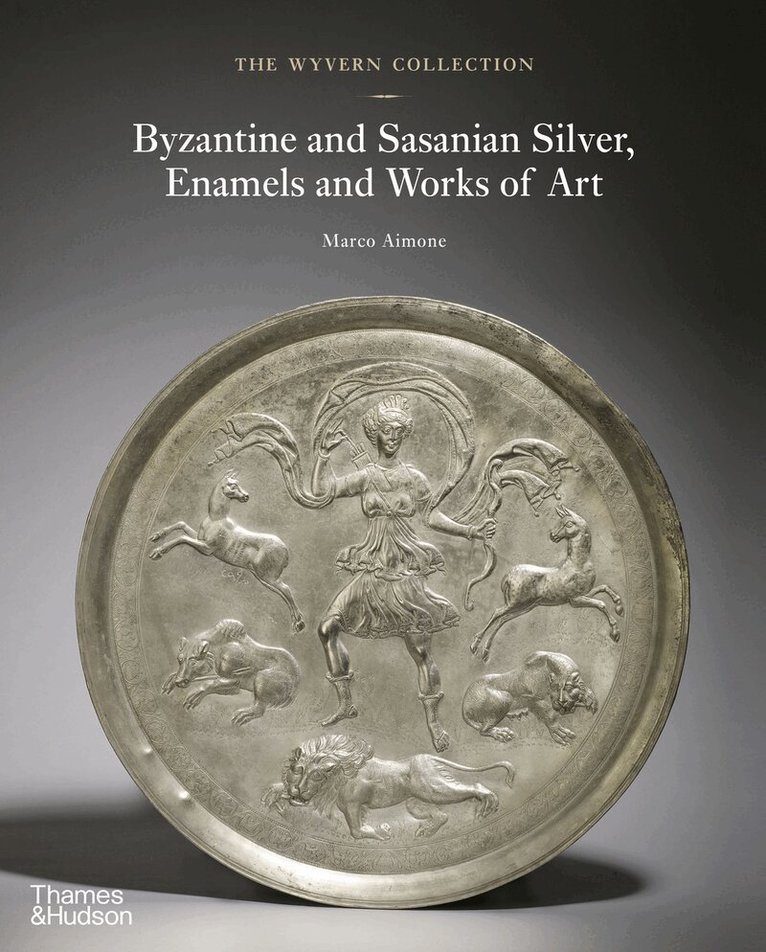
Late Antiquity and the early Middle Ages are now understood as times of extraordinary skill and creativity in the decorative arts. In the Eastern Roman Empire (Byzantium) artists and craftsmen transitioned from ‘Roman’ to ‘Byzantine’ art and inspired a move from naturalism to a more hieratic and symbolic style, drawing on the deep artistic links connecting the Mediterranean world and the East. The many spectacular artefacts from this period in the Wyvern Collection are luxury objects, most commissioned by wealthy patrons or the Church, ranging in date from the fourth century to around 1300. Masterpieces of great significance for art history, including a 5th-century Artemis missorium, previously unpublished, and an 11th-century enamelled enkolpion from Constantinople are among the highlights of the collection. Other extraordinary objects – Late Roman chariot decorations, a stone funerary door from Syria and brooches brought across Europe by the families of Roman soldiers – complete this artistic panorama of the great Mediterranean and Persian civilizations, whose creative influence extended to the far west of the Islamic world. The catalogue, by Byzantine metalwork expert Marco Aimone, is augmented by three essays from technical specialists: Jack Ogden (enamelling), Peter Northover (metallurgy) and Erica Cruikshank Dodd (hallmarks). Rika Gyselen also contributes readings of Persian inscriptions.