Yale Series in the Philosophy and Theory of Art – serie
Visar alla böcker i serien Yale Series in the Philosophy and Theory of Art. Handla med fri frakt och snabb leverans.
2 produkter
2 produkter
973 kr
Skickas inom 5-8 vardagar
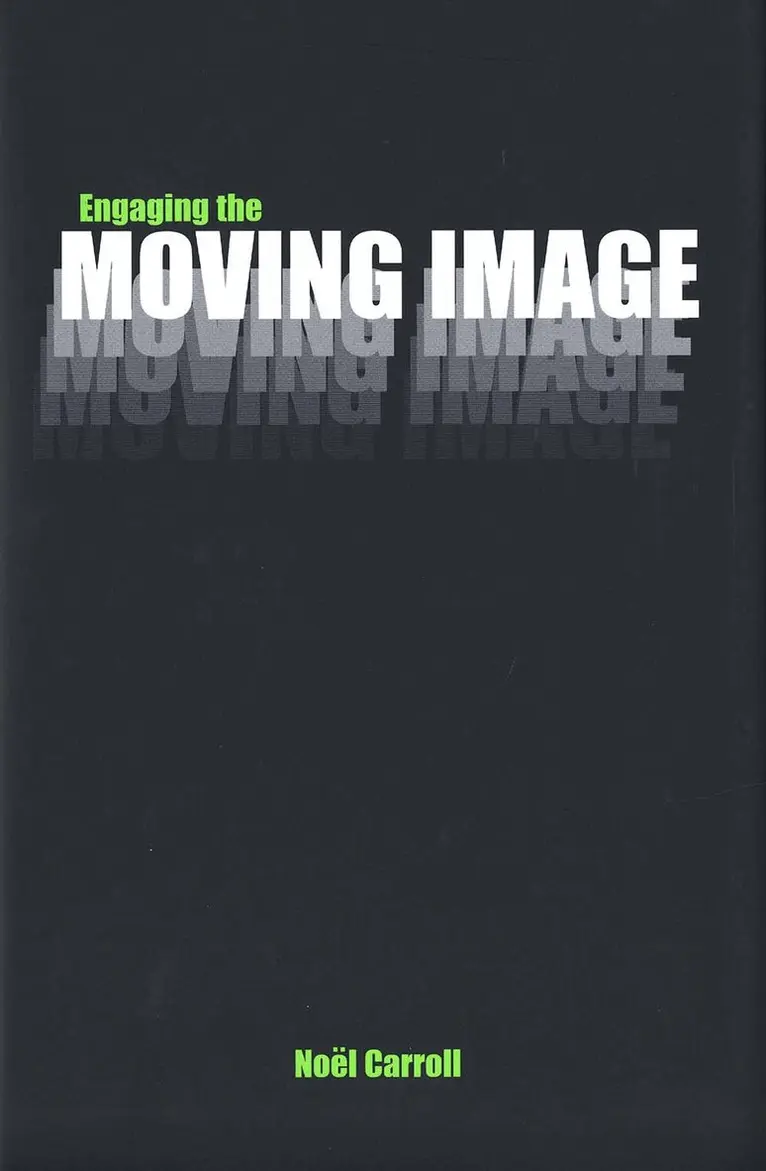
Noël Carroll, a brilliant and provocative philosopher of film, has gathered in this book eighteen of his most recent essays on cinema and television—what Carroll calls “moving images.” The essays discuss topics in philosophy, film theory, and film criticism.Drawing on concepts from cognitive psychology and analytic philosophy, Carroll examines a wide range of fascinating topics. These include film attention, the emotional address of the moving image, film and racism, the nature and epistemology of documentary film, the moral status of television, the concept of film style, the foundations of film evaluation, the film theory of Siegfried Kracauer, the ideology of the professional western, and films by Sergei Eisenstein and Yvonne Rainer. Carroll also assesses the state of contemporary film theory and speculates on its prospects. The book continues many of the themes of Carroll’s earlier work Theorizing the Moving Image and develops them in new directions. A general introduction by George Wilson situates Carroll’s essays in relation to his view of moving-image studies.
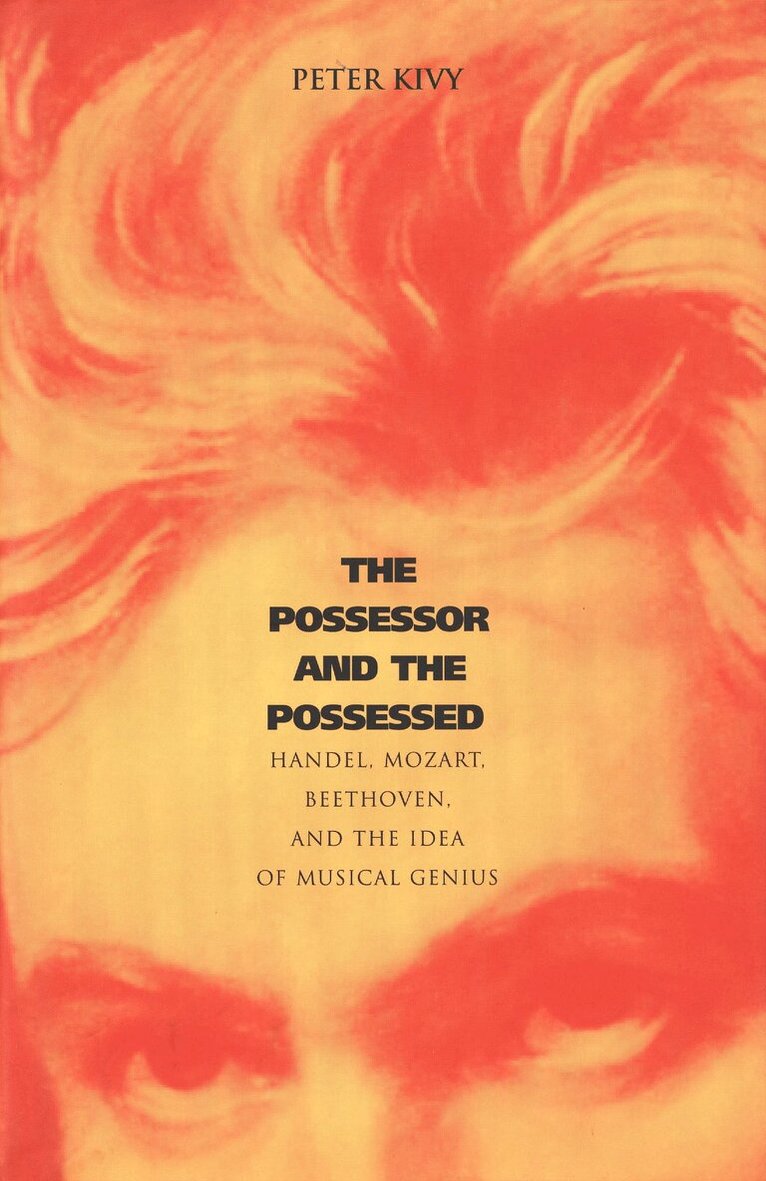
Possessor and the Possessed
Handel, Mozart, Beethoven, and the Idea of Musical Genius
Häftad, Engelska, 2011
500 kr
Skickas inom 5-8 vardagar
The concept of genius intrigues us. Artistic geniuses have something other people don’t have. In some cases that something seems to be a remarkable kind of inspiration that permits the artist to exceed his own abilities. It is as if the artist is suddenly possessed, as if some outside force flows through him at the moment of creation. In other cases genius seems best explained as a natural gift. The artist is the possessor of an extra talent that enables the production of masterpiece after masterpiece. This book explores the concept of artistic genius and how it came to be symbolized by three great composers of the modern era: Handel, Mozart, and Beethoven.Peter Kivy, a leading thinker in musical aesthetics, delineates the two concepts of genius that were already well formed in the ancient world. Kivy then develops the argument that these concepts have alternately held sway in Western thought since the beginning of the eighteenth century. He explores why this pendulum swing from the concept of the possessor to the concept of the possessed has occurred and how the concepts were given philosophical reformulations as views toward Handel, Mozart, and Beethoven as geniuses changed in the eighteenth, nineteenth, and twentieth centuries.