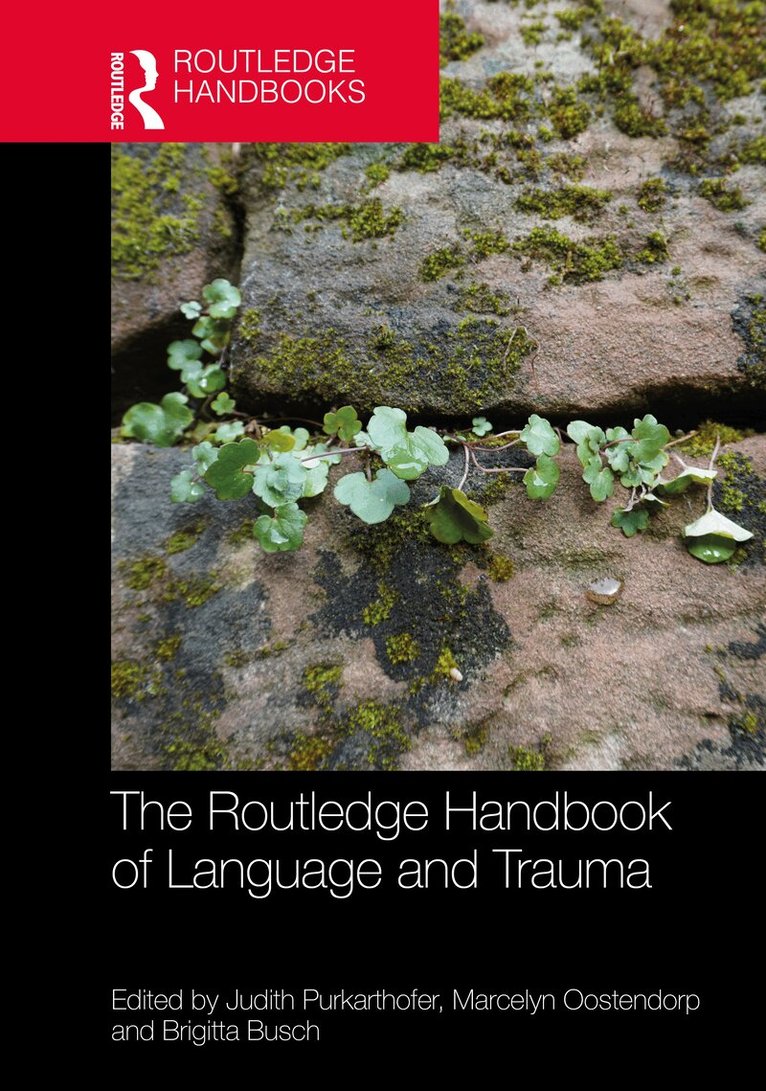
Inbunden, Engelska, 2026
Routledge Handbook of Language and Trauma
Av Judith Purkarthofer, Marcelyn Oostendorp, Brigitta Busch
3858 kr
Kommande
Beskrivning
The Routledge Handbook of Language and Trauma provides an up-to-date overview of the entanglement between language and trauma, mapping the field of research that is developing around this dynamic area. Trauma, like other intense experiences and feelings such as pain, grief and rage, touches at the limits of the sayable and is yet part of the lived experience of language. This handbook argues that paying closer attention to the exceptional, the marginal, the disturbing shows the significance of the messiness, of omissions, silences and ambiguities in what is considered ordinary, "normalized" everyday practice. Exploring the specific social, political and historical conditions that lead to and frame traumatic experience, and incorporating a wide range of examples from around the world, The Routledge Handbook of Language and Trauma looks beyond specific cases to present methodologies and approaches applicable to trauma studies from an applied linguistic and sociolinguistic perspective.Asking key questions such as what applied linguistics can contribute to trauma research and therapy and how applied linguists can benefit from venturing into the field of trauma research, this handbook will be essential for those studying and researching trauma in applied linguistics and education.
Produktinformation
- Utgivningsdatum: 2026-12-18
- Mått: 174 x 246 x undefined mm
- Format: Inbunden
- Språk: Engelska
- Serie: Routledge Handbooks in Applied Linguistics
- Antal sidor: 614
- Förlag: Taylor & Francis Ltd
- ISBN: 9781032223636
Utforska kategorier
Betyg & recensioner
0 recensioner
Inga recensioner tillgängliga.