Inbunden, Engelska, 2026
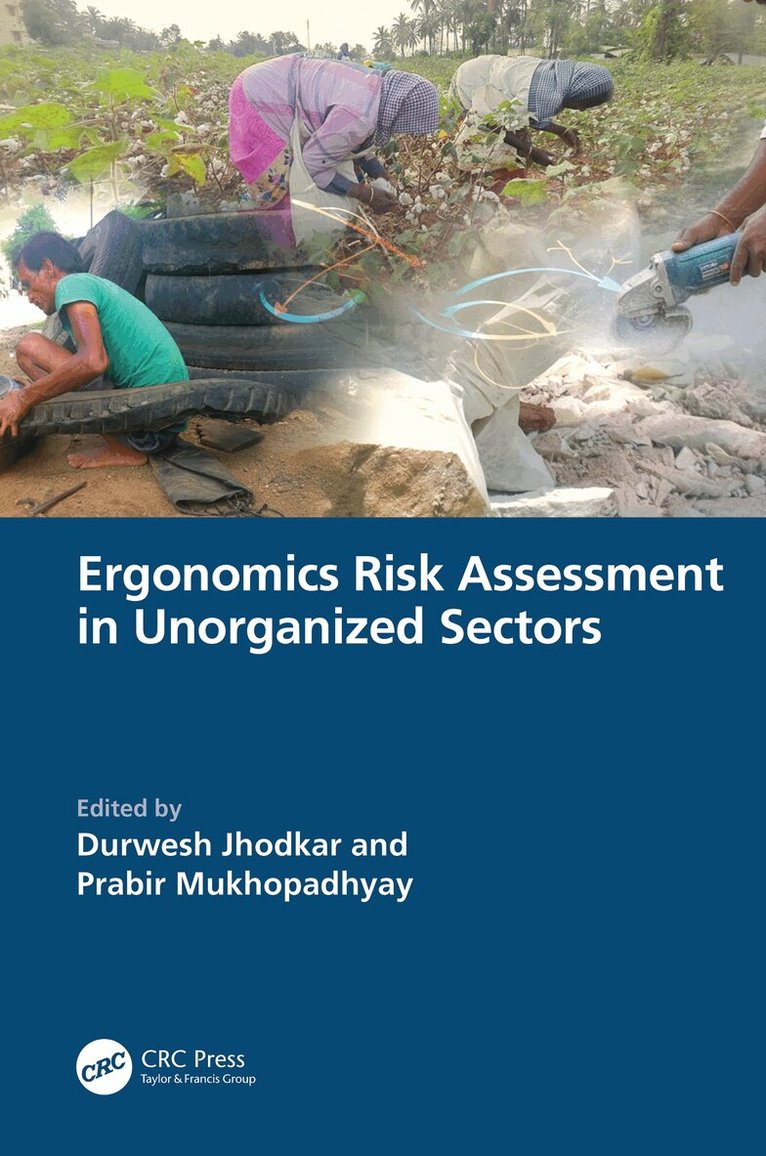
Ergonomics Risk Assessment in Unorganized Sectors
Av Durwesh Jhodkar, Prabir Mukhopadhyay
1263 kr
Beställningsvara. Skickas inom 10-15 vardagar. Fri frakt över 249 kr.
Beskrivning
The unorganized sector—encompassing agriculture, construction, small-scale manufacturing, healthcare, vending, and service-oriented workforces—remains the backbone of many economies worldwide. Yet, workers in this sector often operate in hazardous conditions with little or no social security, occupational safety measures, or ergonomic considerations. Repetitive tasks, awkward postures, poorly designed tools, and physically demanding work contribute to a high prevalence of work-related musculoskeletal disorders (WMSDs) and other health risks.Ergonomics Risk Assessment in Unorganized Sectors is a comprehensive volume that sheds light on these pressing issues and presents practical solutions. It combines theoretical frameworks, research-based methodologies, and real-world case studies to offer a balanced and applied perspective.This book:Explores the challenges of ergonomics in unorganized sectors across agriculture, manufacturing, healthcare, construction, and service industriesIntroduces and applies methodologies such as RULA, REBA, and other postural risk evaluation techniquesIncludes case studies ranging from ergonomic analyses of cotton harvesting and forklift operation to healthcare tasks, cricket postures, and hawker workforces and practices from India, Indonesia, and beyond to illustrate cross-cultural dimensions of ergonomicsHighlights causes, impacts, and innovative preventive measures against musculoskeletal disordersAddresses the ergonomic risks faced by women in workplaces and their unique occupational health concerns and discusses innovative ergonomic interventions, workplace design improvements, and policy recommendations to enhance worker safety and productivityThis book serves as a vital resource for students, researchers, ergonomists, industrial engineers, healthcare professionals, and policymakers.
Produktinformation
- Utgivningsdatum: 2026-05-28
- Mått: 156 x 234 x 11 mm
- Vikt: 440 g
- Format: Inbunden
- Språk: Engelska
- Antal sidor: 138
- Förlag: Taylor & Francis Ltd
- ISBN: 9781032934006
Utforska kategorier
Betyg & recensioner
0 recensioner
Inga recensioner tillgängliga.