Inbunden, Engelska, 2026
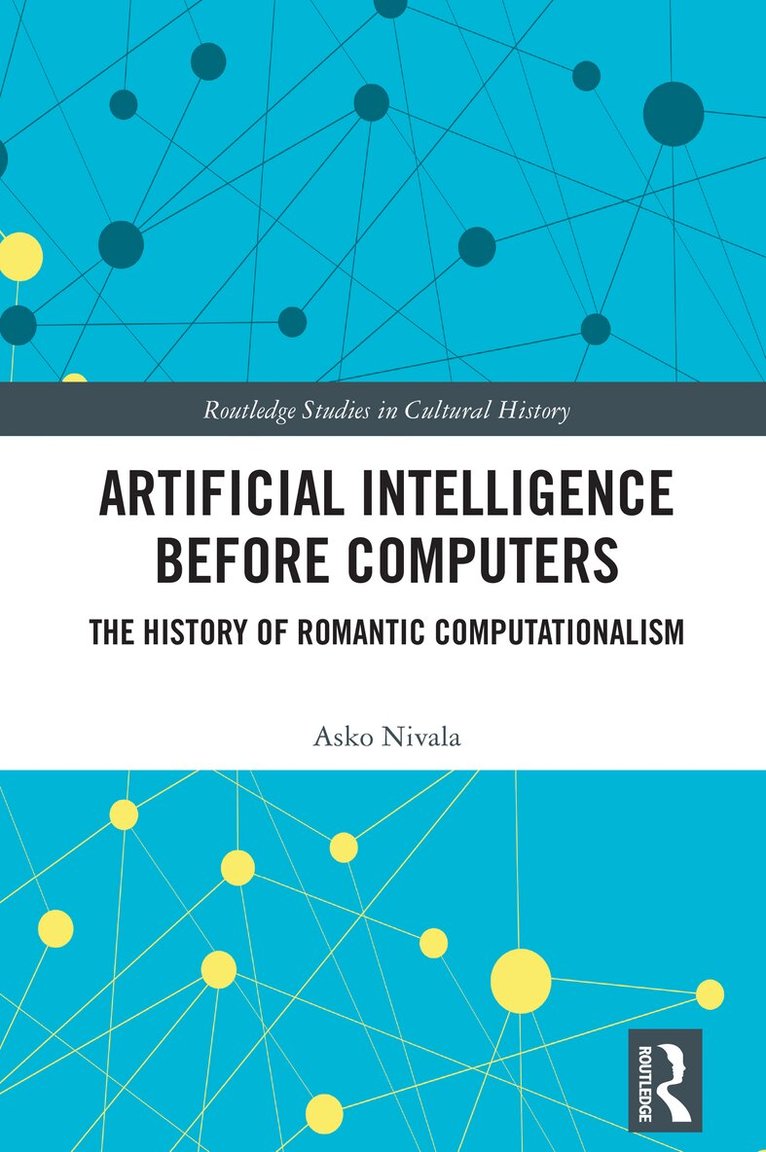
Artificial Intelligence before Computers
Av Asko Nivala
2893 kr
Beställningsvara. Skickas inom 10-15 vardagar. Fri frakt över 249 kr.
Beskrivning
This cultural history of thinking machines examines conceptions of the human as an automaton and the possibility of mechanised thought in philosophical and literary works from the seventeenth century to the 1840s, with particular emphasis on the Romantic period.In the 2020s, there has been no escaping the debate over AI. Yet strong AI remains as much science fiction today as it was in the nineteenth century. Media archaeology has highlighted the ruptures and dead ends of technological development, recovering forgotten and obsolete technologies. Failed and imagined attempts to create thinking machines from Thomas Hobbes to Charles Babbage and from E.T.A. Hoffmann to Edgar Allan Poe not only illuminate their own historical contexts but also reveal the origins of the utopian hopes and dystopian fears that continue to shape responses to mechanised thought. Artificial Intelligence before Computers argues that we can move beyond the Romantic myth of AI only by recognising its historical roots.Drawing on case studies from Britain, Germany and the United States, this book will appeal to postgraduates and scholars in history, philosophy, literary studies and media studies, as well as non-specialist readers seeking to understand the long history of AI.
Produktinformation
- Utgivningsdatum: 2026-09-24
- Mått: 156 x 234 x 16 mm
- Vikt: 630 g
- Format: Inbunden
- Språk: Engelska
- Serie: Routledge Studies in Cultural History
- Antal sidor: 244
- Förlag: Taylor & Francis Ltd
- ISBN: 9781041296706
Utforska kategorier
Betyg & recensioner
0 recensioner
Inga recensioner tillgängliga.