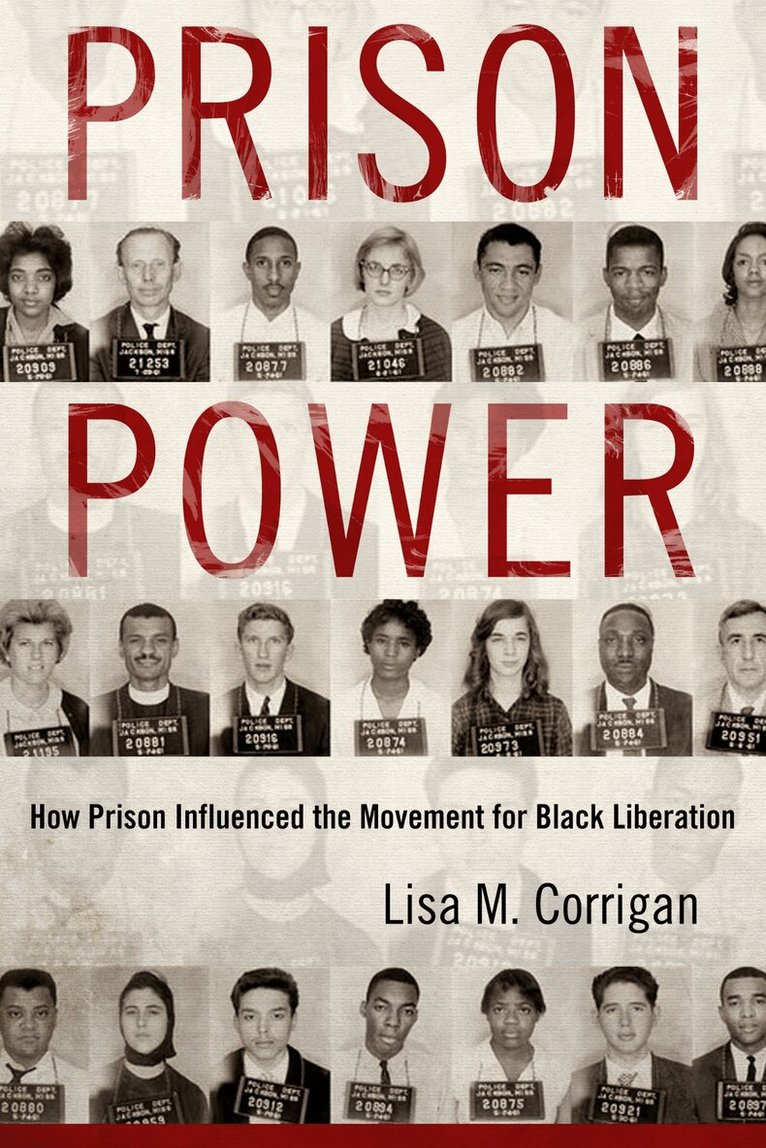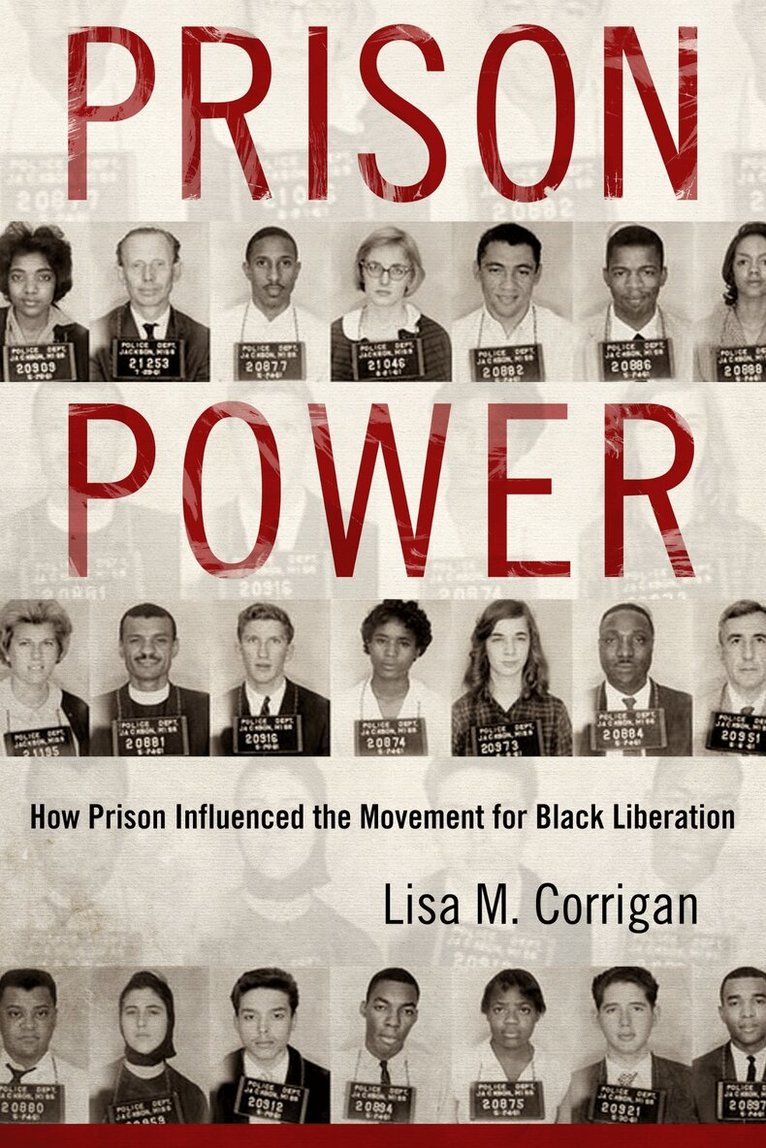
Prison Power
How Prison Influenced the Movement for Black Liberation
E-bok
PDF, Engelska, 2016386 kr
Läs direkt i Bokus Reader – eller ladda ned till din enhet (PDF kräver ofta zoom och scroll på små skärmar).
Fler format och utgåvor
Beskrivning
Winner of the 2017 Diamond Anniversary Book Award and the African American Communication and Culture Division''s 2017 Outstanding Book Award, both from the National Communication Association
In the Black liberation movement, imprisonment emerged as a key rhetorical, theoretical, and media resource. Imprisoned activists developed tactics and ideology to counter white supremacy. Lisa M. Corrigan underscores how imprisonment—a site for both political and personal transformation—shaped movement leaders by influencing their political analysis and organizational strategies. Prison became the critical space for the transformation from civil rights to Black Power, especially as southern civil rights activists faced setbacks.
Black Power activists produced autobiographical writings, essays, and letters about and from prison beginning with the early sit-in movement. Examining the iconic prison autobiographies of H. Rap Brown, Mumia Abu-Jamal, and Assata Shakur, Corrigan conducts rhetorical analyses of these extremely popular though understudied accounts of the Black Power movement. She introduces the notion of the “Black Power vernacular” as a term for the prison memoirists'' rhetorical innovations, to explain how the movement adapted to an increasingly hostile environment in both the Johnson and Nixon administrations.
Through prison writings, these activists deployed narrative features supporting certain tenets of Black Power, pride in Blackness, disavowal of nonviolence, identification with the Third World, and identity strategies focused on Black masculinity. Corrigan fills gaps between Black Power historiography and prison studies by scrutinizing the rhetorical forms and strategies of the Black Power ideology that arose from prison politics. These discourses demonstrate how Black Power activism shifted its tactics to regenerate, even after the FBI sought to disrupt, discredit, and destroy the movement.
In the Black liberation movement, imprisonment emerged as a key rhetorical, theoretical, and media resource. Imprisoned activists developed tactics and ideology to counter white supremacy. Lisa M. Corrigan underscores how imprisonment—a site for both political and personal transformation—shaped movement leaders by influencing their political analysis and organizational strategies. Prison became the critical space for the transformation from civil rights to Black Power, especially as southern civil rights activists faced setbacks.
Black Power activists produced autobiographical writings, essays, and letters about and from prison beginning with the early sit-in movement. Examining the iconic prison autobiographies of H. Rap Brown, Mumia Abu-Jamal, and Assata Shakur, Corrigan conducts rhetorical analyses of these extremely popular though understudied accounts of the Black Power movement. She introduces the notion of the “Black Power vernacular” as a term for the prison memoirists'' rhetorical innovations, to explain how the movement adapted to an increasingly hostile environment in both the Johnson and Nixon administrations.
Through prison writings, these activists deployed narrative features supporting certain tenets of Black Power, pride in Blackness, disavowal of nonviolence, identification with the Third World, and identity strategies focused on Black masculinity. Corrigan fills gaps between Black Power historiography and prison studies by scrutinizing the rhetorical forms and strategies of the Black Power ideology that arose from prison politics. These discourses demonstrate how Black Power activism shifted its tactics to regenerate, even after the FBI sought to disrupt, discredit, and destroy the movement.