Häftad, Engelska, 2018
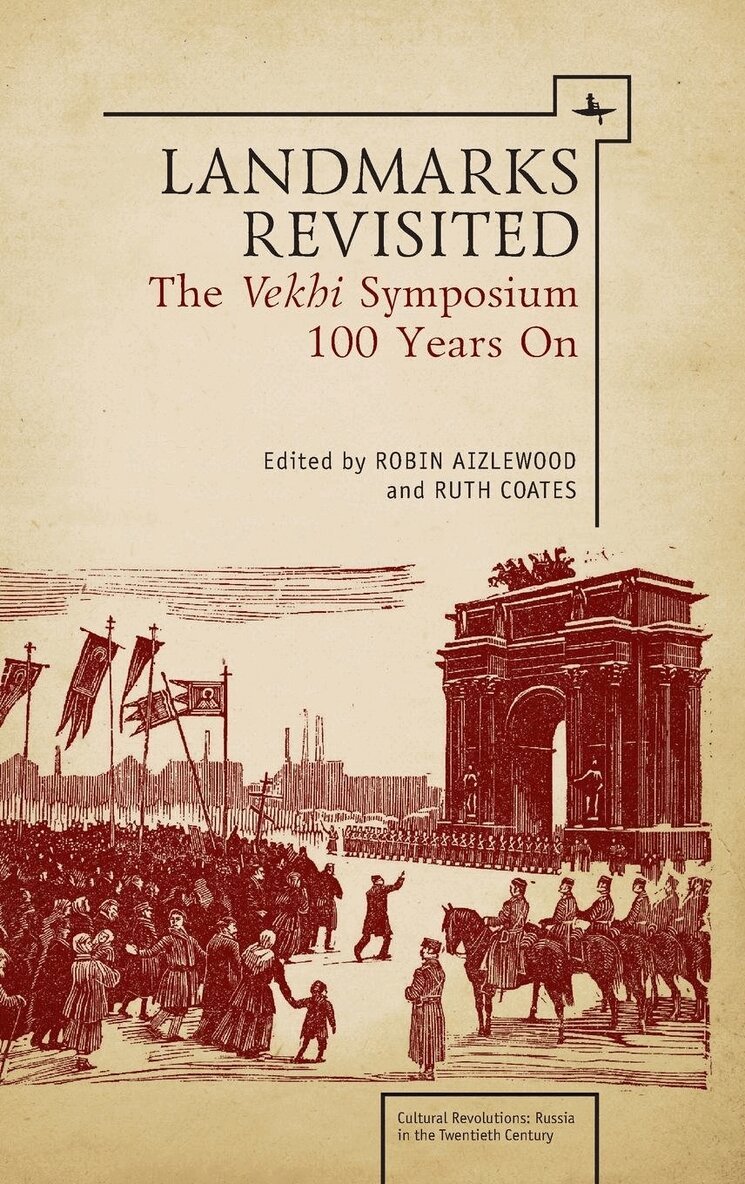
Landmarks Revisited
Av Robin Aizlewood, Ruth Coates
604 kr
Skickas inom 5-8 vardagar
Beskrivning
The Vekhi (Landmarks) symposium (1909) is one of the most famous publications in Russian intellectual and political history. Its fame rests on the critique it offers of the phenomenon of the Russian intelligentsia in the period of crisis that led to the 1917 Russian Revolution. It was published as a polemical response to the revolution of 1905, the failed outcome of which was deemed by all the Vekhi contributors to exemplify and illuminate fatal philosophical, political, and psychological flaws in the revolutionary intelligentsia that had sought it. Landmarks Revisited offers a new and comprehensive assessment of the symposium and its legacy from a variety of disciplinary perspectives by leading scholars in their fields. It will be of compelling interest to all students of Russian history, politics, and culture, and the impact of these on the wider world.
Produktinformation
- Utgivningsdatum: 2018-06-14
- Mått: 155 x 234 x 18 mm
- Vikt: 494 g
- Format: Häftad
- Språk: Engelska
- Serie: Cultural Revolutions: Russia in the Twentieth Century
- Antal sidor: 324
- Förlag: Academic Studies Press
- ISBN: 9781618118288
Utforska kategorier
Betyg & recensioner
0 recensioner
Inga recensioner tillgängliga.