• Fri frakt över 249 kr
  • •
  • Snabba leveranser
  • •
  • Billiga böcker
Kundservice

Du är på sajten för privatpersoner.

Företag, bibliotek eller offentlig verksamhet?

Du handlar på classic.bokus.com, där alla dina funktioner finns intakta.
Till classic.bokus.com
Bokus logotyp. Gå till startsidan.
  • Erbjudanden
  • Nyheter
  • Student
  • Topplistor
  • Barn & ungdom
  • Bokus Play
  • E-böcker
  • Pocketböcker
  • Spel & pussel

10% rabatt på allt med kod: NYSTART10 →

Sidfot

Mina sidor

    Hjälp

    • Kundservice
    • Vanliga frågor och svar
    • Frakt och leverans
    • Retur vid ångerrätt
    • Reklamera vara
    • Betalning
    • Köpvillkor
    • Allmänna villkor
    • Information om webbplatsens tillgänglighet

    Om Bokus

    • Om oss
    • Pressrum
    • För studenter
    • För företag
    • För bibliotek och offentlig verksamhet
    • För leverantörer
    • Hållbarhet

    Populärt

    • Aktuella erbjudanden
    • Presentkort
    • Studentlitteratur
    • Nya böcker
    • Topplistor
    • Signerade böcker
    • Engelska böcker

    Inspiration

    • Boktips
    • BookTok
    • Populära bokserier
    • Barnbokskaraktärer
    • Populära författare
    Logotyp för Bokus
    Följ oss på Facebook (extern länk)Följ oss på Instagram (extern länk)Följ oss på YouTube (extern länk)Följ oss på TikTok (extern länk)
    bokus @ CookiesAnpassa cookiesIntegritetspolicyKöpvillkor
    Till Citymail hemsida (extern länk)Till Budbee hemsida (extern länk)Till Postnord hemsida (extern länk)Till Schenker hemsida (extern länk)Till Early Bird hemsida (extern länk)Till Walleys hemsida (extern länk)
    1. Skönlitteratur
    2. Romaner
    3. Skönlitteratur i översättning

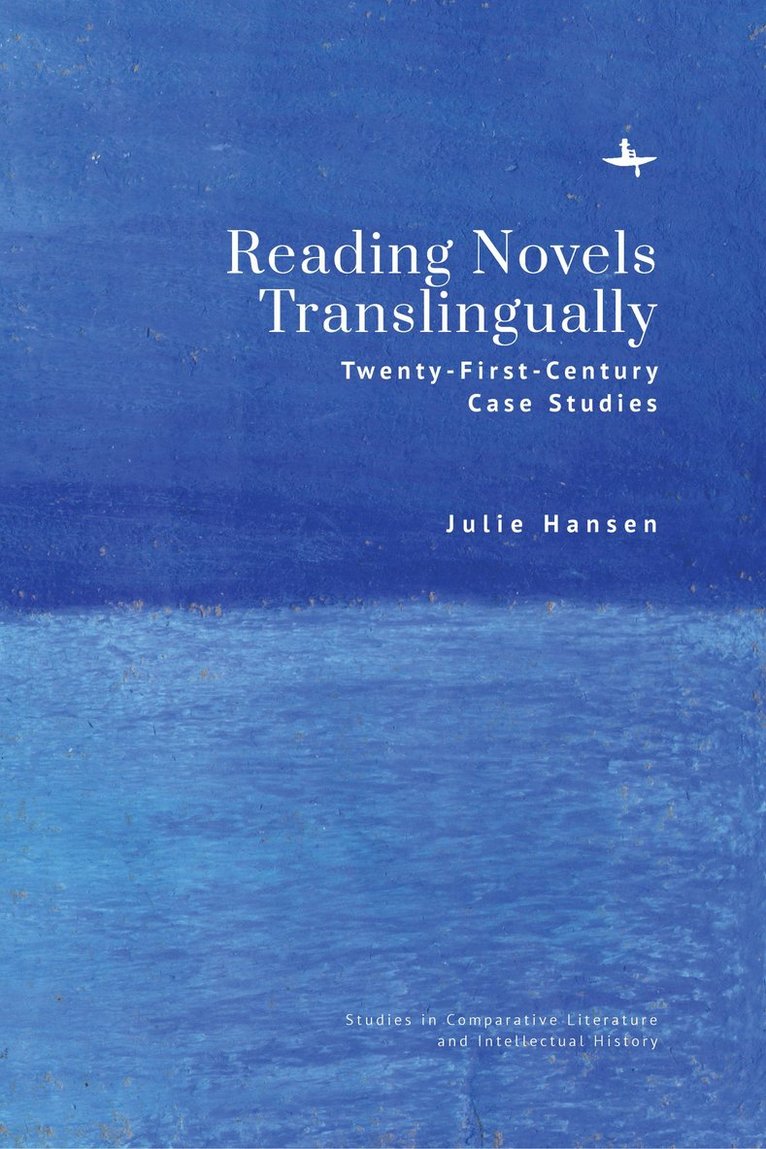
    Reading Novels Translingually

    Twenty-First-Century Case Studies

    AvJulie Hansen

    Inbunden, Engelska, 2024

    1 364 kr

    Skickas . Fri frakt över 249 kr.

    Beskrivning

    This book examines how literary fiction depicts multilingual practices and incorporates them on the level of the text. Multiple languages surround us today, rendered more visible in the digital and globalized age. In literature, too, languages intermingle, often to striking effect. The early twenty-first century has seen a new fascination with the age-old phenomena of literary multilingualism and translation on the part of writers and readers alike. In case studies of contemporary novels by Rabih Alameddine, Olga Grushin, Olga Grjasnowa, Michael Idov, Zinaida Lindén, Andreï Makine, and Eugene Vodolazkin, as well as a new look at Leo Tolstoy’s nineteenth-century classic War and Peace, this book shows how reading can become a translingual process.

    Produktinformation

    • Utgivningsdatum:2024-01-25
    • Mått:155 x 233 x 14 mm
    • Vikt:485 g
    • Format:Inbunden
    • Språk:Engelska
    • Antal sidor:200
    • Förlag:Academic Studies Press
    • ISBN:9781644698778

    Utforska kategorier

    • Skönlitteratur i översättning inom Skönlitteratur

    Mer om författaren

    Julie Hansen is Associate Professor of Slavic Languages at Uppsala University and a specialist in comparative literature and Slavic literatures.

    Recensioner i media

    “Julie Hansen reads novels—by Olga Grushin, Andreï Makine, Michael Idov, Olga Grjasnowa, Zinaida Lindén, Rabih Alameddine, Leo Tolstoy, and Eugene Vodolazkin—translingually, in readings that are incisive, subtle, and supple. Navigating among overlapping instances of multilingualism, translingualism, and translation, she shifts the usual focus from authors to the reading experience. Her novel accounts of how multiple languages challenge and enrich our reading propel Hansen to the forefront of the burgeoning international community of scholars of literary multilingualism.”  — Steven G. Kellman, Author, The Translingual Imagination and Nimble Tongues; Professor of Comparative Literature, University of Texas at San Antonio“At a moment when we are told that AI and machine translation will wipe away linguistic difference, Julie Hansen points to the importance of literary translingualism: the fertile clash and interaction of languages as her selected authors think and write. Writers are crossing ever more geographical and cultural borders in a globalizing world. Elegantly written, enriched with theoretical sophistication and thoughtful moves of interpretation, Reading Novels Translingually ‘calls on the reader to reflect on language itself.’”— Sibelan Forrester, Susan W. Lippincott Professor of Modern and Classical Languages and Russian, Swarthmore College“Julie Hansen’s book makes a significant and original contribution to the growing scholarly debate on literary multilingualism. By bringing to bear concepts of estrangement and reader response to the analysis of multilingual and translingual novels, Hansen opens up a welcome new theoretical perspective. Her wide linguistic repertoire includes not only English, French, German, and Russian, but also the ‘minor’ language Swedish, and her insights apply equally to celebrated literary classics and the popular genre of crime fiction. Another original feature is the attention to translation as an essential component of translingual literature, which brings the book into dialogue with contemporary theories of translation and self-translation.”— Adrian J. Wanner, Liberal Arts Professor of Slavic Languages and Comparative Literature, Pennsylvania State University

    Innehållsförteckning

    • Acknowledgments      Chapter 1: Introduction: Translingual Reading          Chapter 2: Implied Readers in the Translingual Text: The Case of Olga Grushin’s The Dream Life of SukhanovChapter 3: Translingual Protagonists Go GlobalChapter 4: The Translingual Narrator and Language Gaps: The Case of Zinaida Lindén’s Many Countries AgoChapter 5: The Literary Translator as Reader: The Case of Rabih Aladmeddine’s An Unnecessary WomanChapter 6: Suspicion and the Suspension of Disbelief in Multilingual Fiction: The Case of a Nordic Suspense NovelChapter 7: Code-Switching and Language-Mixing in Lev Tolstoy’s War and PeaceChapter 8: Reading Between Medieval and Modern: The Case of Eugene Vodolazkin’s Laurus   Chapter 9: Concluding RemarksBibliography