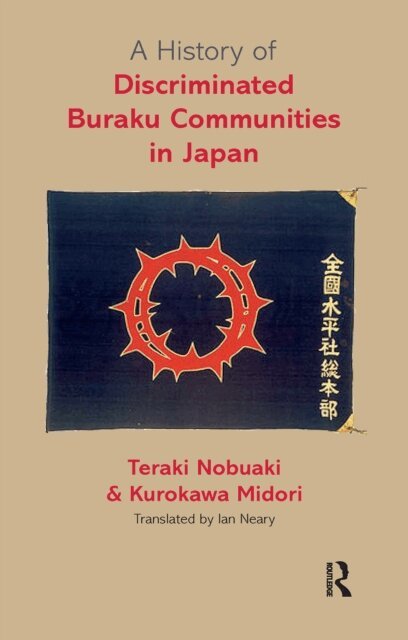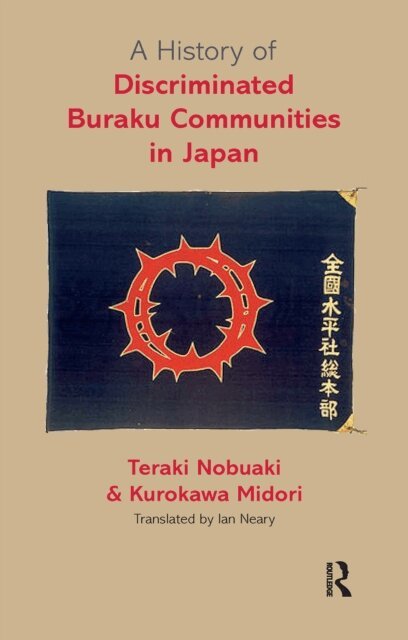
History of Discriminated Buraku Communities in Japan
AvTeraki Nobuaki,Kurokawa Midori
Inbunden, Engelska, 2019
1 434 kr
Beställningsvara. Skickas inom 10-15 vardagar. Fri frakt över 249 kr.
Fler format och utgåvor
Beskrivning
First study published in English. An intractable, divisive social problem with roots in pre-history, the ongoing discrimination against Dôwa communities (Buraku). Identified with ‘unclean’ work linked to specific occupations, their resulting marginalization and isolation within society as a whole remains a veiled yet contested issue.
Produktinformation
- Utgivningsdatum:2019-06-28
- Mått:138 x 216 x 24 mm
- Vikt:520 g
- Format:Inbunden
- Språk:Engelska
- Antal sidor:312
- Förlag:Global Oriental Ltd
- ISBN:9781898823964
- Översättare:Ian Neary
Utforska kategorier
Mer om författaren
Teraki Nobuaki(Momoyama Gakuin) and Kurokawa Midori(Shizuoka University). Translated by Ian Neary(Oxford University).
Innehållsförteckning
- Translator's Preface by Ian NEARY, Foreword by TERAKI Nobuaki, List of Figures, PART I, Chapter 1: Establishment of the Japanese State and the Formation and Transformation of Status, Status in the small states of pre-history, Status in the Yamato state The creation of the Yamato state and the formation of clans and ranks, Chapter 2: Formation of the Ritsury? State Structure and the Status System, The formation of the ritsury? structure, The creation of a senmin system beneath the status system of the ritsury? structures Senmin in the ritsury? system The disruption and dismantling of the ritsury? status system The role played by immigrants and their social position, Strategies and attitudes to those living on the islands to the North, the North-east and the South The strengthening of discrimination based on ideas of pollution in the Heian period, The origins of occupational discrimination against butchers and leather workers, Chapter 3: Formation and Development of Society in the Middle Ages and the Lifestyle and Culture of Discriminated People, The structure and development of society in the Middle Ages, Features of the status system of the Middle Ages, Formation and living conditions of the eta - kiyome, saiku, kawaramono - in the early Middle Ages, Hinin of the early Middle Ages and their way of life, Sanjo and their lives in the early Middle Ages, Transformation of society in the Middle Ages, Work and livelihood of the kawaramono: eta, kiyome and saiku in the late Middle Ages, The work of hinin, sanjo (sh?moji) and their lives in the late Middle Ages Kawata in the era of Warring States (Sengoku Jidai), Chapter 4: Establishment of Kawata and Ch?ri Status - the Buraku of the Early Modern Period, Rule of the Toyotomi, the early Tokugawa regime, and the kawata/ch?ri Bakuhan structure of rule and the status system, Formation of the kawata and ch?ri - the Buraku of the early modern period, Reality of the status regulations of the Edo Period, Control of discriminated people and the discrimination policy of the feudal lords in the early Edo Period, Occupations of the kawata and ch?ri in the early Edo Period, Responsibilities of kawata and ch?ri in the early Edo Period Chapter 5: Discriminated Groups of the Early Modern Period, Formation of hinin status groups and their responsibilities, Other discriminated groups Chapter 6: Development of Early Modern (Kinsei) Society and Discriminated People, Social trends in the mid-Edo period and the discrimination policies used by the Bakufu authorities and feudal lords to control discriminated groups, Occupations of the kawata and ch?ri in the mid-Edo period, Social context of discriminated people in the mid-Edo period, Religion and kawata/ch?ri in the mid-Edo period, Chapter 7: Dislocation and Collapse of Early Modern Society and Discriminated People, Social trends in late-Edo Japan and discriminated people, Changes in the occupations of the kawata and ch?ri in the later Edo Period, Demographic change among the discriminated communities and its impact, Struggles of discriminated groups and the development of emancipatory thought 108, Discriminated people and social change on the verge of the Restoration - the eve of the liberation edict PART, II Chapter 8: What was the 'Buraku Problem' in the Modern Period?, Questioning society Buraku - discriminated Buraku - D?wa districts, The boundaries that replaced status, Start of the modern Buraku problem -the Liberation Edict Debate in the K?gisho, Promotion by the Minbush? and the Treasury Chapter 9: Signs of Discrimination Invented, Maintenance of 'old customs', Rejection of discrimination by the 'Japanese Enlightenment', Freedom, people's rights movement and the 'Buraku problem', New 'signifiers' - hotbeds
Hoppa över listan


Du kanske också är intresserad av
- -30%
- Signerad!
- Signerad!
- Nyhet
Hjärnans akilleshälar : hur din hjärna lurar dig, och vad du kan göra åt det
Anders Hansen
Inbunden
289 kr
- Signerad!