
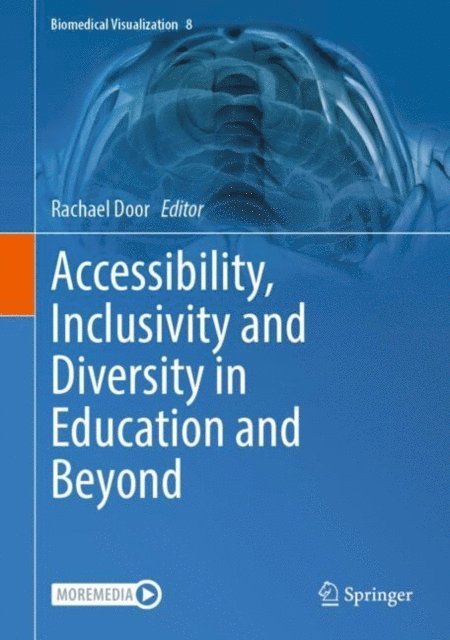
Accessibility, Inclusivity and Diversity in Education and Beyond
1 926 kr
Beställningsvara. Skickas inom 10-15 vardagar. Fri frakt över 249 kr.
Beskrivning
This book provides a unique opportunity to explore the current and future state of accessibility, inclusivity, and diversity across higher education and beyond. Although these chapters primarily focus on the issues and resulting adaptations seen in biomedicine, the results and observations are applicable throughout education and the workplace. Section 1 focuses on what it means to create accessible environments for both education and employment. Here the pitfalls of mandatory attendance across education will be addressed and ideas for building belonging amongst students shared. In addition, ways to use play-based learning to support student revision and to make psychology accessible to medical students will be discussed. Section 2 explores inclusive practices in anatomy education and research, with a toolkit for both early-career and established academics. The pedagogy, psychology, and culture of asking and answering questions in education will also be explored to support educators aiming to create inclusive learning environments. Section 3 focuses on ways in which diversity can be embraced in the educational, medical, and public sectors. Chapters include the use of human remains as teaching aids to promote the concept of the body as a spectrum, and the use of television media to create immersive learning environments. This book is an essential guide to creating accessible, inclusive, and diverse learning environments for both the early career and experienced academic.
Produktinformation
Utforska kategorier
Mer om författaren
Innehållsförteckning
Hoppa över listan


Mer från samma serie
Del 1
Del 1
Microscopy Techniques for Biomedical Education and Healthcare Practice
Leonard Shapiro
Inbunden, 2023
1 702 kr
Del 2
Microscopy Techniques for Biomedical Education and Healthcare Practice
Leonard Shapiro
Häftad, 2024
1 702 kr
Graphic Medicine, Humanizing Healthcare and Novel Approaches in Anatomical Education
Leonard Shapiro
Inbunden, 2023
1 702 kr
Del 3
Graphic Medicine, Humanizing Healthcare and Novel Approaches in Anatomical Education
Leonard Shapiro
Häftad, 2024
1 702 kr
Del 4
Del 4
Del 5
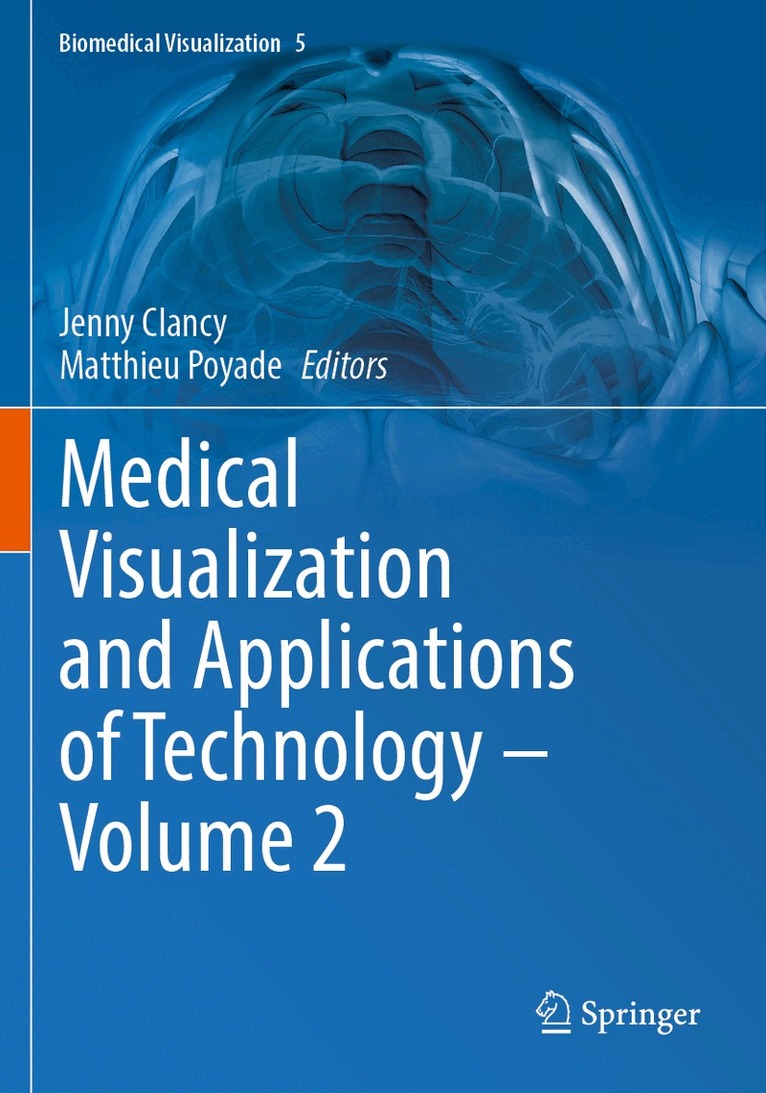
Medical Visualization and Applications of Technology ‒ Volume 2
Jenny Clancy, Matthieu Poyade
Inbunden, 2024
1 698 kr
Del 5
Medical Visualization and Applications of Technology ‒ Volume 2
Jenny Clancy, Matthieu Poyade
Häftad, 2025
2 037 kr
Hoppa över listan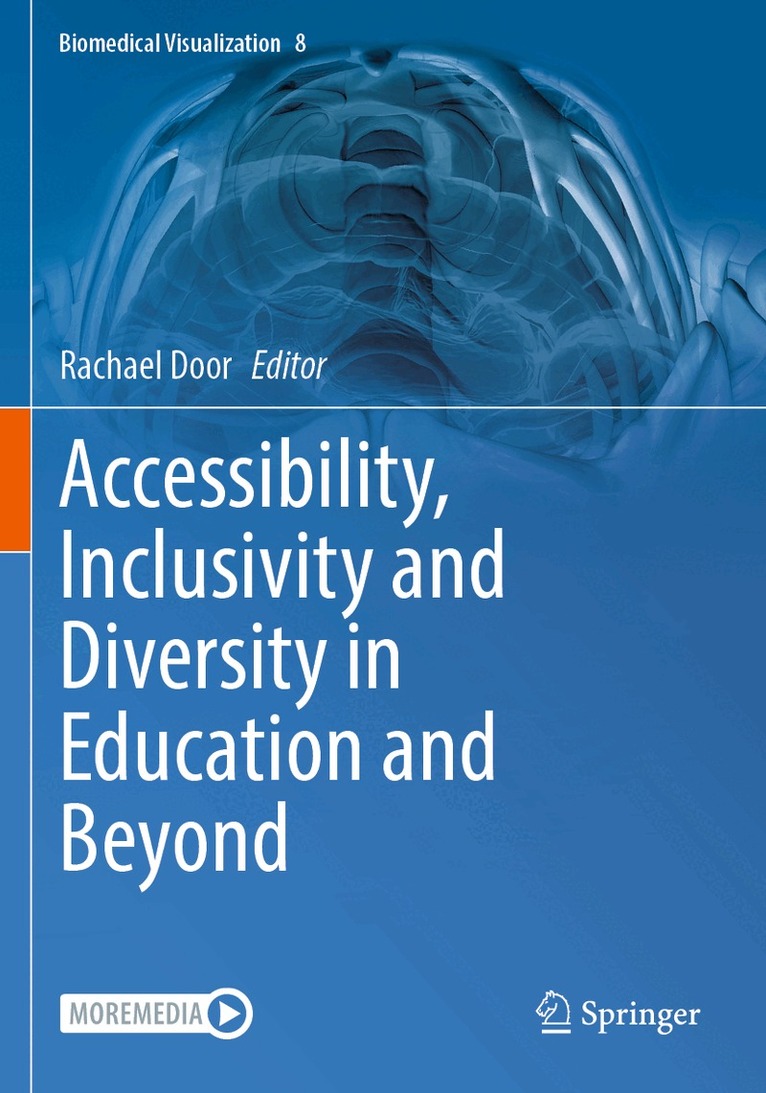



Du kanske också är intresserad av

Del 8
Del 5
Medical Visualization and Applications of Technology ‒ Volume 2
Jenny Clancy, Matthieu Poyade
Inbunden, 2024
1 698 kr
- 10% rabatt på allt
Del 11
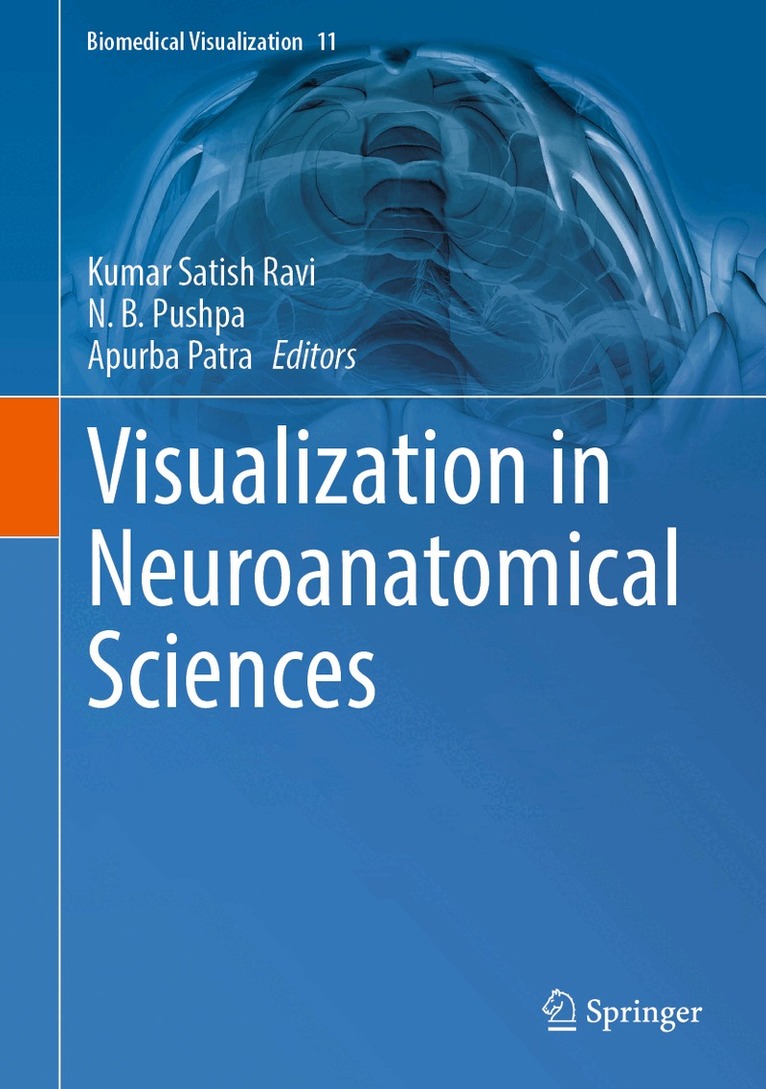
Visualization in Neuroanatomical Sciences
Kumar Satish Ravi, N. B. Pushpa, Apurba Patra
Inbunden, 2025
2 488 kr
Del 6
How to use 3D Printing Innovations and Digital Storage to Democratize Anatomy Education
Leonard Shapiro
Häftad, 2025
1 698 kr
Graphic Medicine, Humanizing Healthcare and Novel Approaches in Anatomical Education
Leonard Shapiro
Inbunden, 2023
1 702 kr
- Signerad!
Del 3
Del 3
Graphic Medicine, Humanizing Healthcare and Novel Approaches in Anatomical Education
Leonard Shapiro
Häftad, 2024
1 702 kr