Inbunden, Engelska, 2025
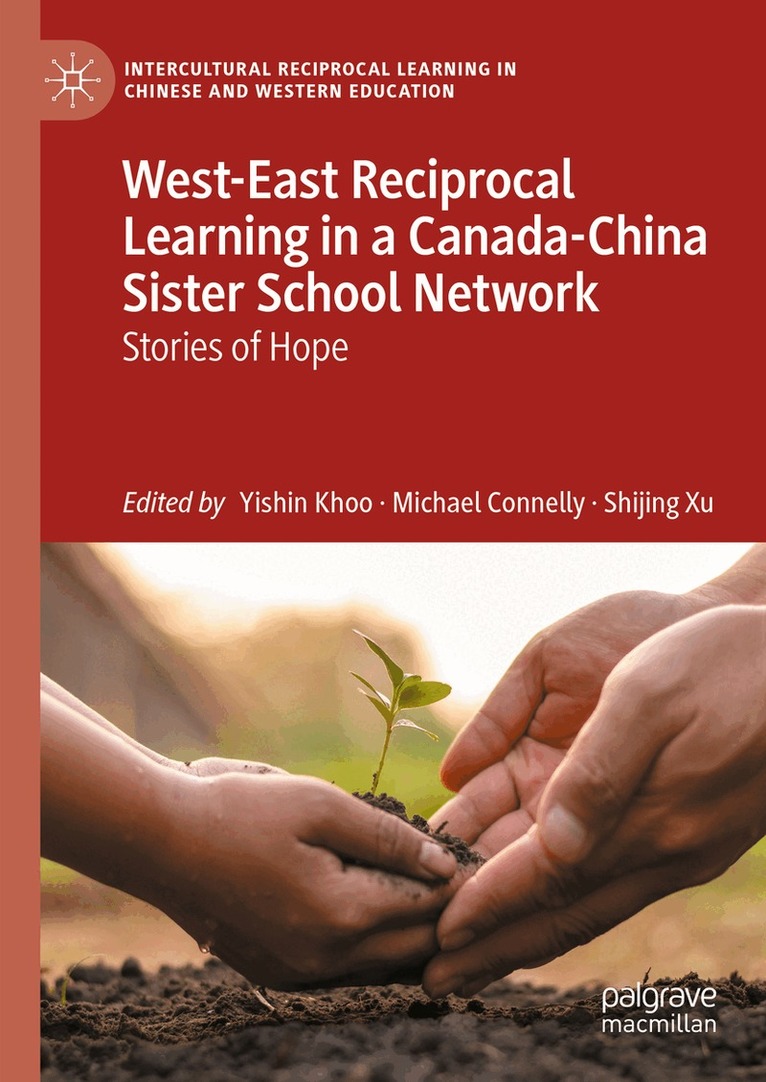
West-East Reciprocal Learning in a Canada-China Sister School Network
Av Yishin Khoo, Michael Connelly, Shijing Xu
1597 kr
Beställningsvara. Skickas inom 10-15 vardagar. Fri frakt över 249 kr.
Beskrivning
This volume provides a comprehensive cross-cultural knowledge base and understanding of school education, teacher education, and the cultural contexts of education in China and the West. It achieves this by bringing together diverse Chinese and Canadian school educators and educational researchers to reframe Sino-Western relationships within the Canada-China Sister School Network, especially during a time of geopolitical tensions and uncertainties. The authors demonstrate that intercultural reciprocal learning between Western and Chinese education is not merely a theoretical concept but a tangible reality embedded in the daily practices and actions of school educators and researchers. It is this practical, experiential, and embodied understanding of West-East reciprocal learning that holds educational hope and promise for the future, forming the essence of this book.
Produktinformation
- Utgivningsdatum: 2025-06-17
- Mått: 148 x 210 x 21 mm
- Vikt: 448 g
- Format: Inbunden
- Språk: Engelska
- Serie: Intercultural Reciprocal Learning in Chinese and Western Education
- Antal sidor: 235
- Förlag: Springer International Publishing AG
- ISBN: 9783031874642
Utforska kategorier
Betyg & recensioner
0 recensioner
Inga recensioner tillgängliga.