
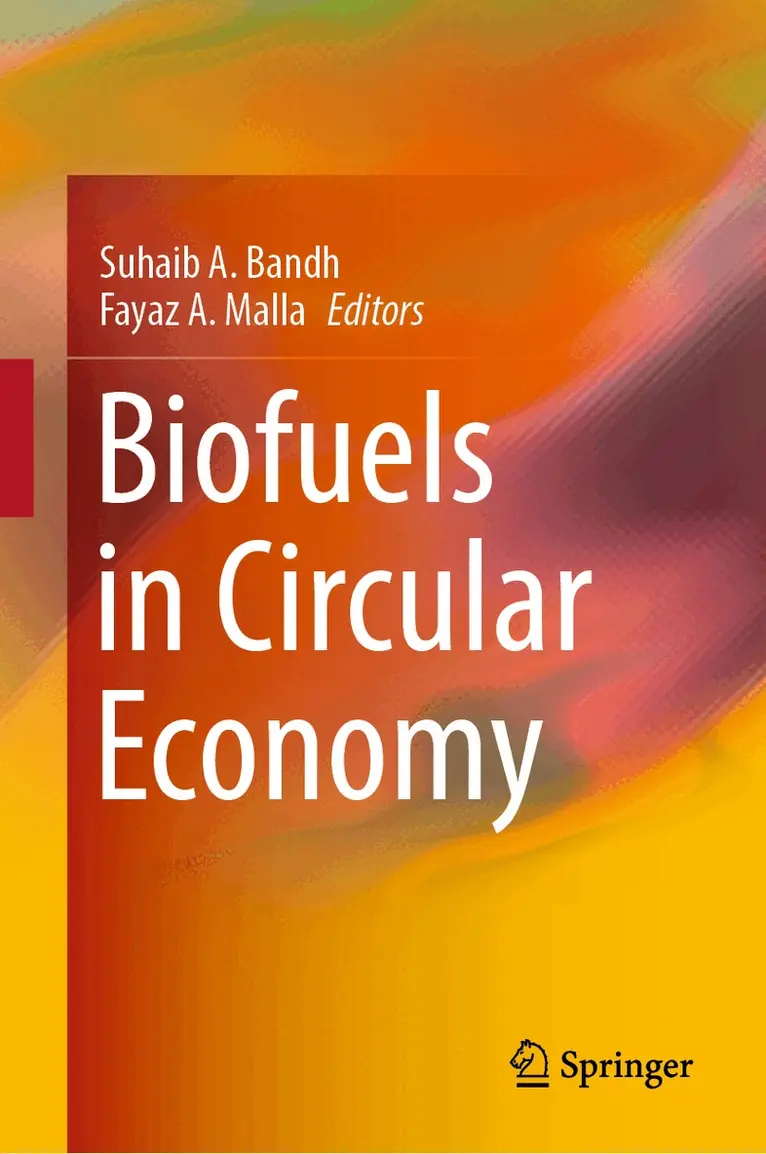
- Nyhet
Innovations, Technologies, and Economic Models for Sustainable Agriculture
Volume II
AvSuhaib A. Bandh,Fayaz A. Malla
Inbunden, Engelska, 2026
1 725 kr
Beställningsvara. Skickas inom 11-20 vardagar. Fri frakt över 249 kr.
Beskrivning
This book provides a forward-looking and interdisciplinary exploration of the green economy as a transformative framework for achieving sustainable agriculture, climate resilience, and net-zero development goals. Bridging economic theory, technological innovation, and policy analysis, the book examines how agriculture can evolve from a resource-intensive sector into a cornerstone of low-carbon, circular, and inclusive economic systems. Beginning with the conceptual foundations of the green economy and its interface with sustainable agriculture, the book advances toward applied pathways for achieving net-zero emissions through green investments, innovative financing models, and supportive regulatory environments. Particular attention is given to green finance instruments and investment strategies that enable the scaling of sustainable agricultural practices across diverse socio-economic contexts. A central contribution of the book lies in its comprehensive treatment of digital agriculture and artificial intelligence. Dedicated chapters explore AI- and machine learning-driven applications in precision farming, livestock management, water resource optimization, and sericulture. By integrating AI, IoT, and data analytics, the book demonstrates how digital technologies can enhance efficiency, reduce environmental footprints, and improve decision-making across agricultural value chains.The book further extends sustainability beyond production systems by addressing post-harvest technologies, food loss and waste reduction, composting innovations, and circular economy strategies for resource recovery. Renewable energy technologies for rural development and biomass-based energy production are examined through economic and regulatory lenses, with specific insights relevant to emerging economies. Broader food system dimensions are addressed through chapters on sustainable fisheries and aquaculture, biodiversity governance, wetland conservation, and the economic valuation of ecosystem services. Social and institutional aspects are critically analyzed to highlight inclusive and governance-driven sustainability transitions.By integrating green economics, digital innovation, circular economy principles, and socio-environmental governance, this book serves as a comprehensive reference for researchers, policymakers, development practitioners, and postgraduate students engaged in sustainable agriculture, climate action, and green growth strategies.
Produktinformation
Utforska kategorier
Mer om författaren
Innehållsförteckning
Hoppa över listan


Du kanske också är intresserad av
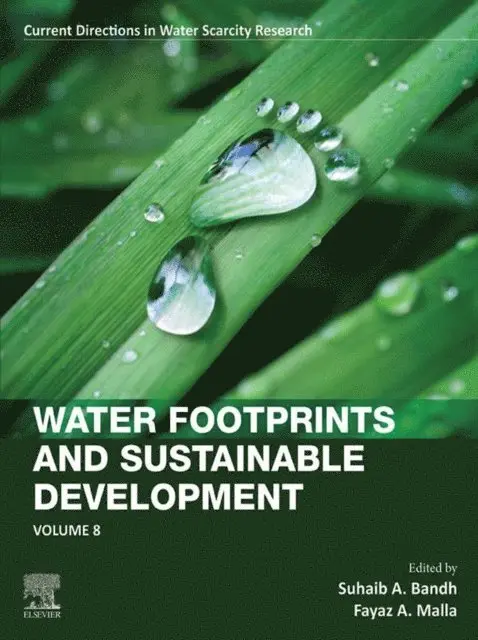
Del 8
Water Use Efficiency, Sustainability and The Circular Economy
Bandh,Suhaib A, Suhaib A. Bandh, Fayaz A. Malla, Anthony Halog
Häftad, 2025
1 790 kr
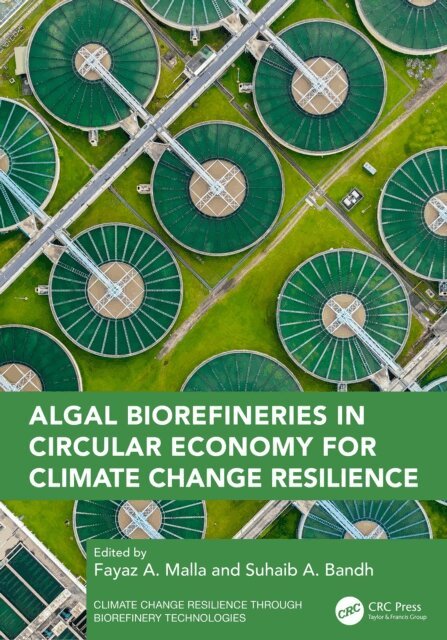
Algal Biorefineries in Circular Economy for Climate Change Resilience
Suhaib A. Bandh, Fayaz A. Malla
E-bok
20251 000 kr
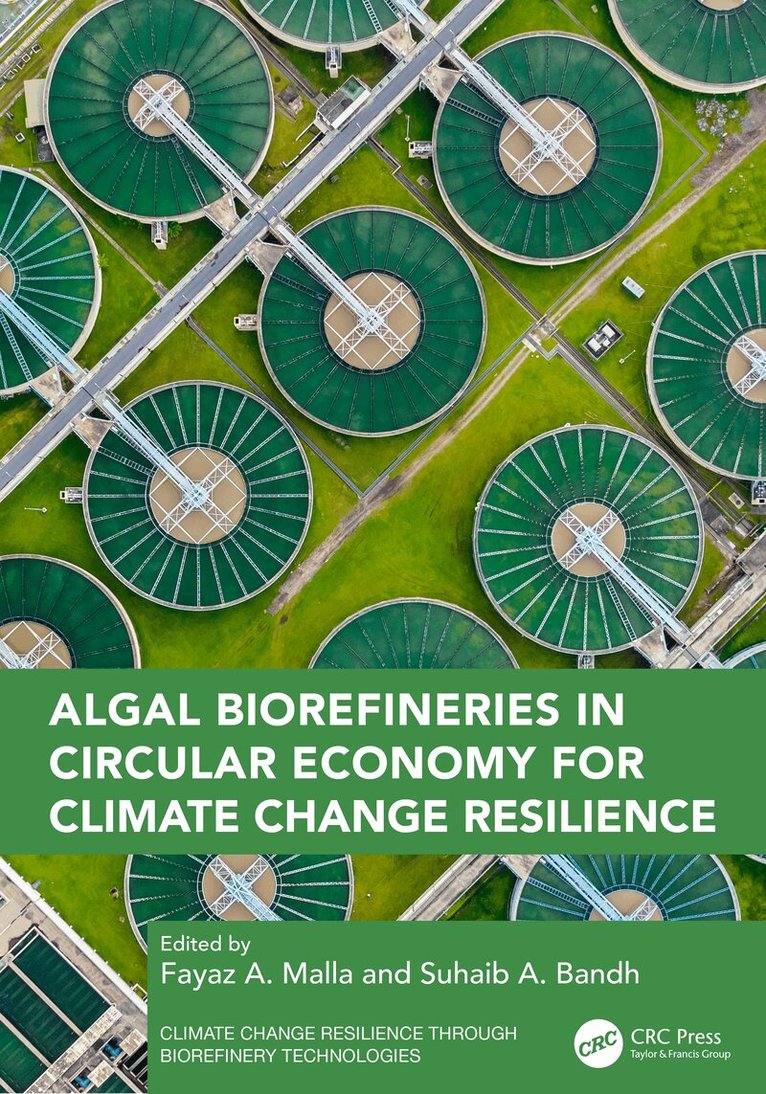
Algal Biorefineries in Circular Economy for Climate Change Resilience
Fayaz A. Malla, Suhaib A. Bandh
Inbunden, 2025
1 496 kr
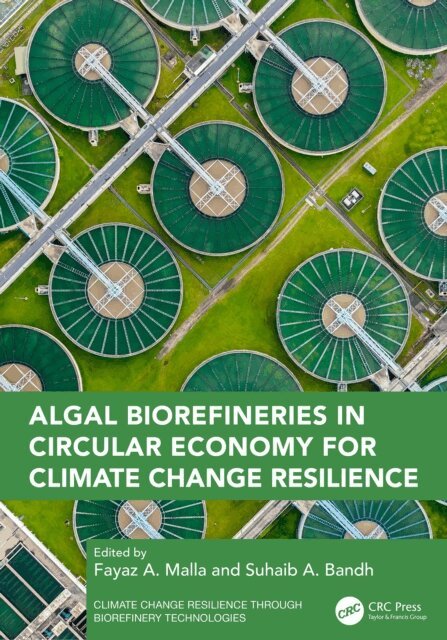
Algal Biorefineries in Circular Economy for Climate Change Resilience
Suhaib A. Bandh, Fayaz A. Malla
E-bok
2025989 kr