Suhaib A. Bandh – författare
1 654 kr
Skickas inom 10-15 vardagar
2 319 kr
Läs direkt efter köp
1 714 kr
Skickas inom 10-15 vardagar
Environmental Sustainability of Biofuels: Prospects and Challenges provides a comprehensive sustainability analysis of biofuels based on lifecycle analysis and develops various multi-dimensional decision-making techniques for prioritizing biofuel production technologies. Taking a transversal approach, the book combines lifecycle sustainability assessment, lifecycle assessment, lifecycle costing analysis, social lifecycle assessment, sustainability metrics, triple bottom lines, operational research methods, and supply chain designs for investigating the critical factors and critical enablers that influence the sustainable development of biofuel industry. This book will be a valuable resource for students, researchers and practitioners seeking to deepen their knowledge of biofuels as an alternative fuel.
It will equip researchers and policymakers in the energy sector with the scientific methodology and metrics needed to develop strategies for a viable sustainability transition.
Provides decision-making and planning tools for the bioenergy sector Focuses on the applied aspects of environmental sustainability, offering a guide to the implementation of standard and new analyses in the commercial sector Gives readers the tools to understand the implications of policy and regulation in different locations rather than providing location-specific information that is quickly out-of-date1 390 kr
Skickas inom 10-15 vardagar
Freshwater Mycology: Perspectives of Fungal Dynamics in Freshwater Ecosystems presents chapters from expert contributors around the world. Through the contributed chapters, the contributors explore the perspectives of fungal dynamics in freshwater ecosystems, especially their diversity, distribution, functioning and role, biotransformation and bioprospecting potential, methodical advancements and metagenomic insights. Written with aquatic ecologists in mind, this book provides information on oceanic, estuarine and freshwater ecosystems not currently well understood and identifies new questions and answers about the roles of mycology in aquatic ecosystems.
This topic is becoming an increasingly important area to understand due to the increasing global transports of microbes due to climate change and human actions. This is leading to a rapid loss of healthy freshwater ecosystems, the grave problem of antibiotic resistance, and the rarity of qualified mycology taxonomists and molecular systematicians.
Includes data from locations not previously or well covered from prior synthesis publications Identifies new information on the roles of mycology in aquatic ecosystems Provides insights into the fungal diversity of freshwater ecosystems, along with their potential roles1 975 kr
Läs direkt efter köp
995 kr
Skickas
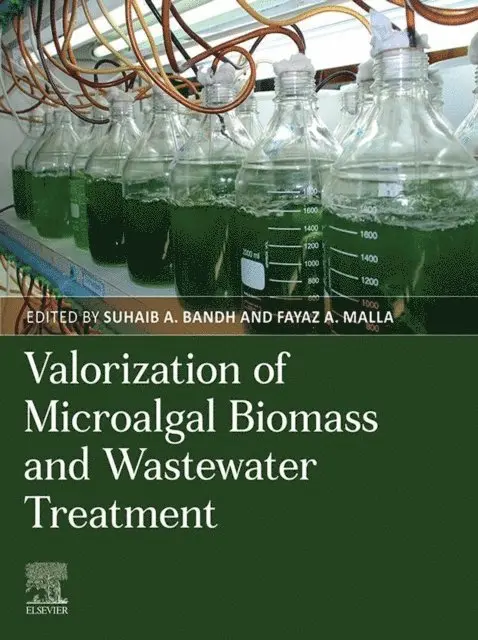
Valorization of Microalgal Biomass and Wastewater Treatment provides tools, techniques, data and case studies to demonstrate the use of algal biomass in the production of valuable products like biofuels, food and fertilizers, etc. Valorization has several advantages over conventional bioremediation processes as it helps reduce the costs of bioprocesses. Examples of several successfully commercialized technologies are provided throughout the book, giving insights into developing potential processes for valorization of different biomasses. Wastewater treatment by microalgae generates the biomass, which could be utilized for developing various other products, such as fertilizers and biofuels.
This book will equip researchers and policymakers in the energy sector with the scientific methodology and metrics needed to develop strategies for a viable transition in the energy sector. It will be a key resource for students, researchers and practitioners seeking to deepen their knowledge on energy planning, wastewater treatment and current and future trends.
Presents a detailed coverage of the tools and techniques for valarization of algal biomass Includes detailed updates on the Life Cycle Assessment of microalgal wastewater treatment and biomass valorization, its challenges, prospectus, regulations and policies Provides case studies of real-life examples for researchers to replicate and learn from2 439 kr
Läs direkt efter köp
1 975 kr
Läs direkt efter köp
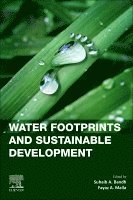
Water Footprints and Sustainable Development
1 318 kr
Skickas inom 10-15 vardagar
1 872 kr
Läs direkt efter köp
1 714 kr
Skickas inom 10-15 vardagar
2 168 kr
Läs direkt efter köp
1 762 kr
Kommande
2 125 kr
Läs direkt efter köp
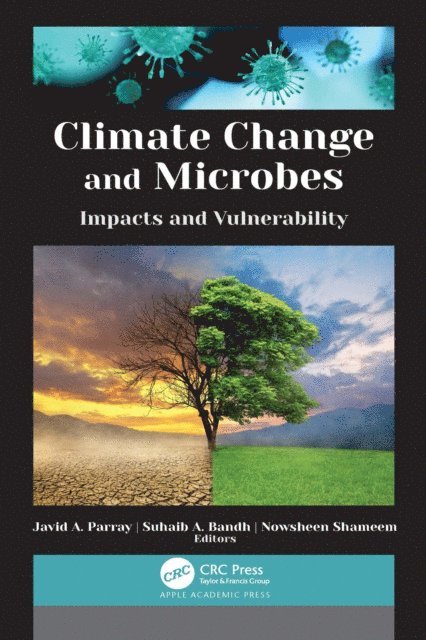
This book provides an enlightening picture of the role of microbes for sustaining life systems and how climatic factors will change the course of the processes. Climate Change and Microbes: Impacts and Vulnerability explores the little-addressed issue of the effects of climate change on microbial ecosystems and the influence of climate change on microbiome diversity across various habitats and regions.
Recent years have seen the evidence that microbial communities are neither immune to disruption nor do they have the capacity to recover completely after a stressful climate event. This volume documents the important role of microorganisms as climate engineers and considers mitigation and adaptation strategies as well. It goes on to present the research that addresses a diverse array of topics on the impact of climate change on plant-microbe interactions and microbial aquatic life and change-induced aggravations in microbial populations and processes. The book also addresses microbial foodborne diseases resulting from challenging climates. Other topics include algae as indicators of climate change and strategies for facilitating sustainable agro-ecosystems.
This book will be immensely helpful in the study of plant microbiology, agricultural sciences, biotechnology, climate science, and environmental microbiology. It will also be applicable to the field of microbial biotechnology, agricultural, and other life and environmental sciences.
2 125 kr
Läs direkt efter köp
This book provides an enlightening picture of the role of microbes for sustaining life systems and how climatic factors will change the course of the processes. Climate Change and Microbes: Impacts and Vulnerability explores the little-addressed issue of the effects of climate change on microbial ecosystems and the influence of climate change on microbiome diversity across various habitats and regions.
Recent years have seen the evidence that microbial communities are neither immune to disruption nor do they have the capacity to recover completely after a stressful climate event. This volume documents the important role of microorganisms as climate engineers and considers mitigation and adaptation strategies as well. It goes on to present the research that addresses a diverse array of topics on the impact of climate change on plant-microbe interactions and microbial aquatic life and change-induced aggravations in microbial populations and processes. The book also addresses microbial foodborne diseases resulting from challenging climates. Other topics include algae as indicators of climate change and strategies for facilitating sustainable agro-ecosystems.
This book will be immensely helpful in the study of plant microbiology, agricultural sciences, biotechnology, climate science, and environmental microbiology. It will also be applicable to the field of microbial biotechnology, agricultural, and other life and environmental sciences.
2 125 kr
Läs direkt efter köp
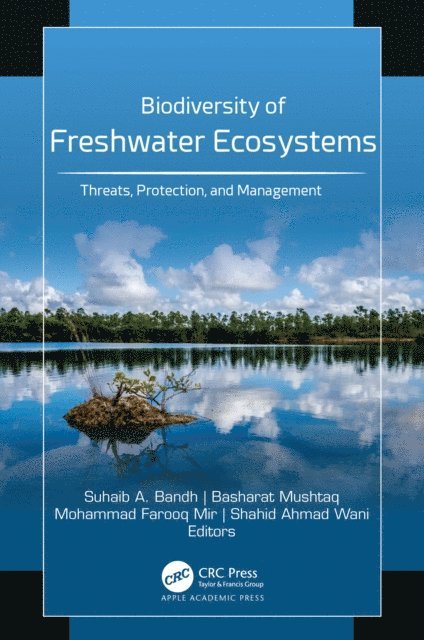
This new volume examines the ecological importance, threats, protection, and management of the biodiversity of freshwater ecosystems, such as lakes, ponds, rivers, streams, reservoirs, pools, and wetlands. As populations have been increasing exponentially, humans are using freshwater ecosystems severely, resulting in habitat destruction and breakdown. Environmental contamination, climate change, the introduction of harmful and invasive organisms, unplanned dredging and de-weeding processes, disposal of sewer systems in freshwater bodies, and badly planned water diversions are the leading causes of habitat loss in freshwaters. These impacts have led to significant decreases in the numbers and productivity of many freshwater species and decreased biodiversity in freshwater.
This book presents a selection of primary research and review papers on several freshwater aquatic biodiversity studies, which involve evaluating plants, macroinvertebrates, macrophytes, benthic zones, and fish diversity in freshwater ecosystems. It provides an abundance of new information on freshwater biodiversity distribution, status, and patterns.
Key features:
Discusses the importance, threats, and management of biodiversity of freshwater ecosystems Provides detailed coverage of modern and updated techniques used in the evaluation and conservation of freshwater biodiversity Looks at the impact of pesticides pollution on freshwater environs, and on aquatic and terrestrial life Reviews how global climate change affects freshwater biodiversityBiodiversity of Freshwater Ecosystems: Threats, Protection, and Management promotes the enhancement and strengthening of freshwater protection and its unique biodiversity for scientists, policymakers, scholars, researchers, NGOs, and the public, providing necessary background knowledge and practical tools to help manage aquatic ecosystems and their biodiversity in a holistic manner.
2 125 kr
Läs direkt efter köp
This new volume examines the ecological importance, threats, protection, and management of the biodiversity of freshwater ecosystems, such as lakes, ponds, rivers, streams, reservoirs, pools, and wetlands. As populations have been increasing exponentially, humans are using freshwater ecosystems severely, resulting in habitat destruction and breakdown. Environmental contamination, climate change, the introduction of harmful and invasive organisms, unplanned dredging and de-weeding processes, disposal of sewer systems in freshwater bodies, and badly planned water diversions are the leading causes of habitat loss in freshwaters. These impacts have led to significant decreases in the numbers and productivity of many freshwater species and decreased biodiversity in freshwater.
This book presents a selection of primary research and review papers on several freshwater aquatic biodiversity studies, which involve evaluating plants, macroinvertebrates, macrophytes, benthic zones, and fish diversity in freshwater ecosystems. It provides an abundance of new information on freshwater biodiversity distribution, status, and patterns.
Key features:
Discusses the importance, threats, and management of biodiversity of freshwater ecosystems Provides detailed coverage of modern and updated techniques used in the evaluation and conservation of freshwater biodiversity Looks at the impact of pesticides pollution on freshwater environs, and on aquatic and terrestrial life Reviews how global climate change affects freshwater biodiversityBiodiversity of Freshwater Ecosystems: Threats, Protection, and Management promotes the enhancement and strengthening of freshwater protection and its unique biodiversity for scientists, policymakers, scholars, researchers, NGOs, and the public, providing necessary background knowledge and practical tools to help manage aquatic ecosystems and their biodiversity in a holistic manner.
2 012 kr
Läs direkt efter köp
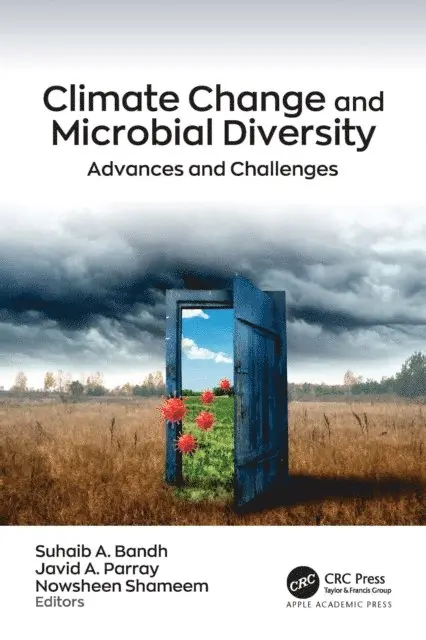
The ongoing global climate change triggered by greenhouse gas growth has had a significant effect on the microbial dynamics of plants and soils. This volume explores the various microbial responses of plants and soils caused directly or indirectly by climate change resulting from rising greenhouse gases and other factors. The book considers the rapidly changing environment and the important role of microbiomes in restoring soil and plant health and in creating sustainable approaches. It discusses the adaptation and mitigation of plants and soils, specifically addressing such topics as biogeochemical processes, antimicrobial resistance, the dynamics of bacteria and fungus in extreme environments, bacterial siderophores for sustainability, and more. The volume also looks at edaphic and regeneration performance of tree species in the temperate forests.
2 012 kr
Läs direkt efter köp
The ongoing global climate change triggered by greenhouse gas growth has had a significant effect on the microbial dynamics of plants and soils. This volume explores the various microbial responses of plants and soils caused directly or indirectly by climate change resulting from rising greenhouse gases and other factors. The book considers the rapidly changing environment and the important role of microbiomes in restoring soil and plant health and in creating sustainable approaches. It discusses the adaptation and mitigation of plants and soils, specifically addressing such topics as biogeochemical processes, antimicrobial resistance, the dynamics of bacteria and fungus in extreme environments, bacterial siderophores for sustainability, and more. The volume also looks at edaphic and regeneration performance of tree species in the temperate forests.
1 364 kr
Skickas inom 10-15 vardagar
909 kr
Läs direkt efter köp
909 kr
Läs direkt efter köp
1 473 kr
Skickas inom 3-6 vardagar
1 840 kr
Skickas inom 10-15 vardagar
1 742 kr
Skickas inom 10-15 vardagar
1 168 kr
Skickas inom 10-15 vardagar
1 168 kr
Skickas inom 10-15 vardagar
1 840 kr
Skickas inom 10-15 vardagar
1 738 kr
Skickas inom 10-15 vardagar
2 130 kr
Läs direkt efter köp