Nowsheen Shameem – författare
1 426 kr
Skickas inom 10-15 vardagar
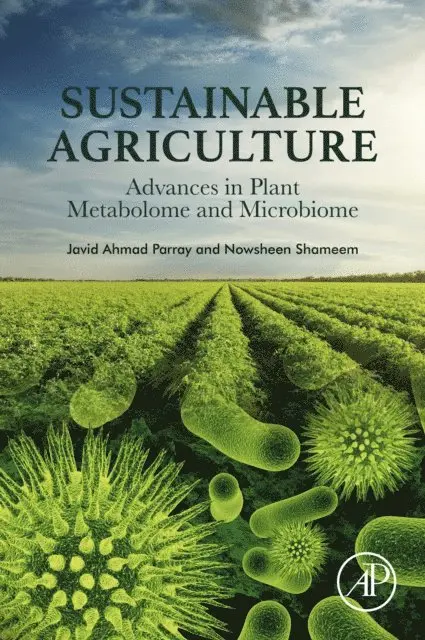
Sustainable Agriculture: Advances in Plant Metabolome and Microbiome focuses on the advancement of basic and applied research related to plant-microbe interaction and their implementation in progressive agricultural sustainability. The book also highlights the developing area of bioinformatics tools for the interpretation of metabolome, the integration of statistical and bioinformatics tools to manage huge generating data, metabolite profiling, and key signaling-driven substances, along with a section on the role of key biosynthetic pathways. Focused on selecting positive and effective interactive core-microbiome which will be adaptive and sustainable, this book will help researchers further improve the quality and productivity of crops through sustainable agriculture.
Details the two-way interactive approach to both plants and microbes Describes setting up core and functional microbiomes Presents the relationship of metabolomics and biocontrol2 047 kr
Läs direkt efter köp
2 063 kr
Skickas inom 10-15 vardagar
Rhizosphere: Ecology, Management and Application highlights the use of the rhizosphere microbiome to improve plant and soil health, including strengthening stress resistance and remediating negatively impacted soils. The book focuses on current developments and applications of related low input management strategies in high-value crops as well as non-food plants. Further sections provide insights into the ecology and functions of these interactions, including evidence that plant microbiota is vital for plant growth and stress resilience and health. It highlights fundamental microbiome research to help readers better understand the dynamics within microbial communities and their interactions with various plant hosts and the environment.
Microbial-root associations are essential to assist plants under abiotic and biotic stresses and are necessary and beneficial to enhancing agricultural crop production. Numerous studies have enhanced our vision of the complex interactions between the plant, the associated microbial communities, and the environment. Further, microbe - microbe interactions allow the simulation microbial community interactions naturally, and is one of the many modern methods for the development of novel and effective metabolites.
Includes insights on the sustainable use of valuable soil rhizobiome Explores the latest biotechnological developments in the harnessing of rhizosphere potential Proposes potential applications and microbial communities in modern agricultural systems, soil bioremediation and environmental restoration Assesses the role of the rhizosphere microbial communities in increasing the growth of crop plants2 937 kr
Läs direkt efter köp
1 938 kr
Skickas inom 10-15 vardagar
2 662 kr
Läs direkt efter köp
2 125 kr
Läs direkt efter köp
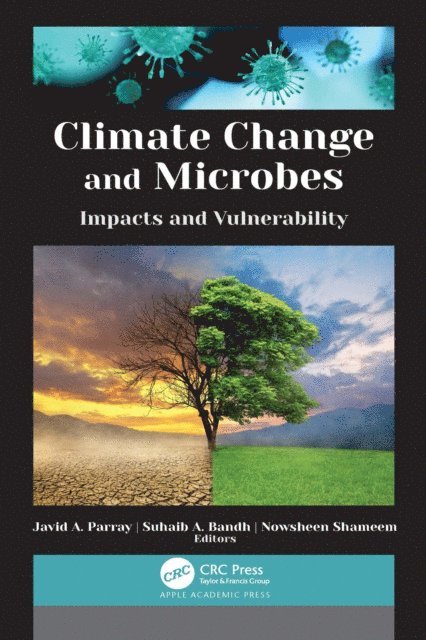
This book provides an enlightening picture of the role of microbes for sustaining life systems and how climatic factors will change the course of the processes. Climate Change and Microbes: Impacts and Vulnerability explores the little-addressed issue of the effects of climate change on microbial ecosystems and the influence of climate change on microbiome diversity across various habitats and regions.
Recent years have seen the evidence that microbial communities are neither immune to disruption nor do they have the capacity to recover completely after a stressful climate event. This volume documents the important role of microorganisms as climate engineers and considers mitigation and adaptation strategies as well. It goes on to present the research that addresses a diverse array of topics on the impact of climate change on plant-microbe interactions and microbial aquatic life and change-induced aggravations in microbial populations and processes. The book also addresses microbial foodborne diseases resulting from challenging climates. Other topics include algae as indicators of climate change and strategies for facilitating sustainable agro-ecosystems.
This book will be immensely helpful in the study of plant microbiology, agricultural sciences, biotechnology, climate science, and environmental microbiology. It will also be applicable to the field of microbial biotechnology, agricultural, and other life and environmental sciences.
2 203 kr
Läs direkt efter köp
This book provides an enlightening picture of the role of microbes for sustaining life systems and how climatic factors will change the course of the processes. Climate Change and Microbes: Impacts and Vulnerability explores the little-addressed issue of the effects of climate change on microbial ecosystems and the influence of climate change on microbiome diversity across various habitats and regions.
Recent years have seen the evidence that microbial communities are neither immune to disruption nor do they have the capacity to recover completely after a stressful climate event. This volume documents the important role of microorganisms as climate engineers and considers mitigation and adaptation strategies as well. It goes on to present the research that addresses a diverse array of topics on the impact of climate change on plant-microbe interactions and microbial aquatic life and change-induced aggravations in microbial populations and processes. The book also addresses microbial foodborne diseases resulting from challenging climates. Other topics include algae as indicators of climate change and strategies for facilitating sustainable agro-ecosystems.
This book will be immensely helpful in the study of plant microbiology, agricultural sciences, biotechnology, climate science, and environmental microbiology. It will also be applicable to the field of microbial biotechnology, agricultural, and other life and environmental sciences.
2 085 kr
Läs direkt efter köp
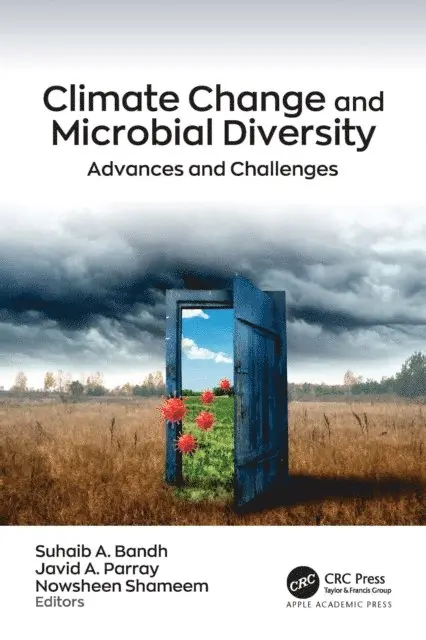
The ongoing global climate change triggered by greenhouse gas growth has had a significant effect on the microbial dynamics of plants and soils. This volume explores the various microbial responses of plants and soils caused directly or indirectly by climate change resulting from rising greenhouse gases and other factors. The book considers the rapidly changing environment and the important role of microbiomes in restoring soil and plant health and in creating sustainable approaches. It discusses the adaptation and mitigation of plants and soils, specifically addressing such topics as biogeochemical processes, antimicrobial resistance, the dynamics of bacteria and fungus in extreme environments, bacterial siderophores for sustainability, and more. The volume also looks at edaphic and regeneration performance of tree species in the temperate forests.
2 012 kr
Läs direkt efter köp
The ongoing global climate change triggered by greenhouse gas growth has had a significant effect on the microbial dynamics of plants and soils. This volume explores the various microbial responses of plants and soils caused directly or indirectly by climate change resulting from rising greenhouse gases and other factors. The book considers the rapidly changing environment and the important role of microbiomes in restoring soil and plant health and in creating sustainable approaches. It discusses the adaptation and mitigation of plants and soils, specifically addressing such topics as biogeochemical processes, antimicrobial resistance, the dynamics of bacteria and fungus in extreme environments, bacterial siderophores for sustainability, and more. The volume also looks at edaphic and regeneration performance of tree species in the temperate forests.
2 246 kr
Läs direkt efter köp
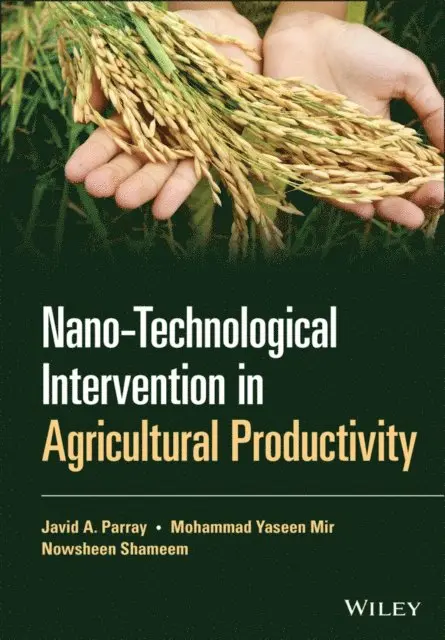
Provides detailed information about the use of nanotechnology in remediating waste and pollution in agriculture
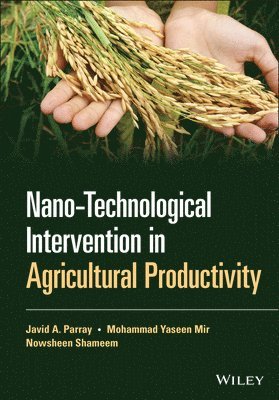
Nano-Technological Intervention in Agricultural Productivity explores sustainable, eco-friendly technologies for remediating wastes and contaminated areas in both water and land ecosystems. Focusing on nano-technological innovations that use microbes and microbial agents to improve the quality and pollutant discharge of contaminated sites, this comprehensive volume also discusses molecular approaches for the characterization of nanoparticles, the biosynthetic pathways of microbes, gene and protein expression studies for bio-deterioration techniques, and more.
Organized into nine chapters, the book opens with a thorough overview of the functions, classification, properties, synthesis, and applications of nanoparticles. Following a discussion of the environmental and agricultural implications of nanotechnology, the authors examine the current role and future prospects of nanotechnology in managing plant diseases, improving agri-food production, and increasing agricultural productivity. Subsequent chapters cover lignin nanoparticles, various applications of nanotechnology in agriculture, and nano-based advances in plant and microbial science. Offering an up-to-date account of the role of nanotechnologies in agricultural bioremediation, this book:
Explores biotechnological advances in the development of sophisticated green technologies for waste minimization and waste control Emphasizes the use of microbes for degradation and removal of various xenobiotic substances Discusses bioremediation approaches in relation to the impact of increased urbanization and industrialization on the environment Covers a variety of applications of nanotechnology in agriculture, including nano-fertilizers, nano-biosensors, nano-pesticides, and nanoparticle protection in plantsNano-Technological Intervention in Agricultural Productivity is a valuable resource for students in plant biotechnology and agricultural science and engineering, as well as an important reference for researchers in plant biotechnology and agricultural sciences, particularly those with interest in the use of nanomaterials for pollution remediation and sustainable development.
1 941 kr
Skickas inom 5-8 vardagar
2 167 kr
Läs direkt efter köp
Provides detailed information about the use of nanotechnology in remediating waste and pollution in agriculture
Nano-Technological Intervention in Agricultural Productivity explores sustainable, eco-friendly technologies for remediating wastes and contaminated areas in both water and land ecosystems. Focusing on nano-technological innovations that use microbes and microbial agents to improve the quality and pollutant discharge of contaminated sites, this comprehensive volume also discusses molecular approaches for the characterization of nanoparticles, the biosynthetic pathways of microbes, gene and protein expression studies for bio-deterioration techniques, and more.
Organized into nine chapters, the book opens with a thorough overview of the functions, classification, properties, synthesis, and applications of nanoparticles. Following a discussion of the environmental and agricultural implications of nanotechnology, the authors examine the current role and future prospects of nanotechnology in managing plant diseases, improving agri-food production, and increasing agricultural productivity. Subsequent chapters cover lignin nanoparticles, various applications of nanotechnology in agriculture, and nano-based advances in plant and microbial science. Offering an up-to-date account of the role of nanotechnologies in agricultural bioremediation, this book:
Explores biotechnological advances in the development of sophisticated green technologies for waste minimization and waste control Emphasizes the use of microbes for degradation and removal of various xenobiotic substances Discusses bioremediation approaches in relation to the impact of increased urbanization and industrialization on the environment Covers a variety of applications of nanotechnology in agriculture, including nano-fertilizers, nano-biosensors, nano-pesticides, and nanoparticle protection in plantsNano-Technological Intervention in Agricultural Productivity is a valuable resource for students in plant biotechnology and agricultural science and engineering, as well as an important reference for researchers in plant biotechnology and agricultural sciences, particularly those with interest in the use of nanomaterials for pollution remediation and sustainable development.
1 584 kr
Skickas
2 274 kr
Läs direkt efter köp
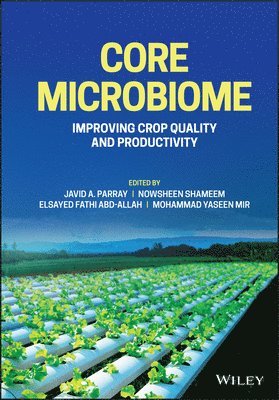
Improve the quality and productivity of your crops through selecting positive and effective interactive core-microbiomes
As microbial cells are present in overwhelming numbers in our soil, it is perhaps inevitable that microbes are found extensively in plant and animal tissue. The role of microbiomes on the regulation of physiological processes in animals has been extensively researched in recent years, but the overarching role of the plant microbiome has yet to be discovered.
Core Microbiome: Improving Crop Quality and Productivity is an attempt to remediate some of that deficit, as the first book to summarize feature of microbial communities that make up the plant microbiome. There is substantial evidence that these communities are crucial in disease control, enhanced nutrient acquisition, and stress tolerance—a feature more important than ever due to climate change. A further focus on improving how core microbiomes interact so that they are both phenotypically and genotypically very adaptive and sustainable will allow the reader to improve the quality and productivity of crops so that they may be considered sustainable agriculture.
Core Microbiome readers will also find:
Descriptions of the basic structure of core microbiomes and their functions across various habitats New and cutting-edge trends and technological innovations highlighted that use core microbiomes to harness plant microbiome interaction The structure, classification, and biotechnological applications of aquatic core microbiomes, in addition to the material on plant microbiomesAs a broad introduction to the interaction of core microbiome and plant productivity, Core Microbiome is ideal for researchers and scientists working in the field of environmental science, environmental microbiology, and waste management. Similarly, undergraduate and graduate students in these fields, as well as in agriculture, biotechnology, biosciences, and life and environmental sciences will also benefit from this work.
2 357 kr
Läs direkt efter köp
Improve the quality and productivity of your crops through selecting positive and effective interactive core-microbiomes
As microbial cells are present in overwhelming numbers in our soil, it is perhaps inevitable that microbes are found extensively in plant and animal tissue. The role of microbiomes on the regulation of physiological processes in animals has been extensively researched in recent years, but the overarching role of the plant microbiome has yet to be discovered.
Core Microbiome: Improving Crop Quality and Productivity is an attempt to remediate some of that deficit, as the first book to summarize feature of microbial communities that make up the plant microbiome. There is substantial evidence that these communities are crucial in disease control, enhanced nutrient acquisition, and stress tolerance—a feature more important than ever due to climate change. A further focus on improving how core microbiomes interact so that they are both phenotypically and genotypically very adaptive and sustainable will allow the reader to improve the quality and productivity of crops so that they may be considered sustainable agriculture.
Core Microbiome readers will also find:
Descriptions of the basic structure of core microbiomes and their functions across various habitats New and cutting-edge trends and technological innovations highlighted that use core microbiomes to harness plant microbiome interaction The structure, classification, and biotechnological applications of aquatic core microbiomes, in addition to the material on plant microbiomesAs a broad introduction to the interaction of core microbiome and plant productivity, Core Microbiome is ideal for researchers and scientists working in the field of environmental science, environmental microbiology, and waste management. Similarly, undergraduate and graduate students in these fields, as well as in agriculture, biotechnology, biosciences, and life and environmental sciences will also benefit from this work.
1 847 kr
Skickas inom 10-15 vardagar
1 749 kr
Skickas inom 10-15 vardagar
1 173 kr
Skickas inom 10-15 vardagar
1 173 kr
Skickas inom 10-15 vardagar
2 367 kr
Skickas inom 5-8 vardagar
3 046 kr
Läs direkt efter köp
This book covers advanced solutions for managing water systems pollution caused by microplastics. It provides a comprehensive overview of microplastic contamination, spanning detection in municipal water systems, removal from wastewater using sustainable technologies, and monitoring methods in natural environments. The book also discusses the impacts of microplastics on water bodies and the limitations of current treatment processes, presenting complementary methods to address microplastic contamination.
In this book, particular attention is given to practical insights into dealing with microplastic pollution, and readers will find several case studies such as the application of nonwoven electrospun nano-membranes and activated carbon adsorbents for microplastics removal, alongside novel laboratory experiments and field methods like the invertebrate kick-netting technique. The book also offers a forward-looking approach, discussing cutting-edge topics like the application of artificial intelligence for microplastic identification, and the impact of land use patterns on soil microplastic pollution. The book concludes with a chapter devoted to smart management solutions, providing a glimpse into future trends and perspectives in the field.
Given its breadth and coverage, the book appeals not only to academics and researchers in the fields of environmental chemistry and environmental sciences but also to professionals and policymakers dealing with microplastic pollution and research.
2 367 kr
Skickas inom 10-15 vardagar
2 152 kr
Skickas inom 10-15 vardagar
2 925 kr
Läs direkt efter köp
This unique reference book represents sustainable development of UN for providing a proper life standard and mobility for people. The 17 sustainable development goals (SDGs) as set by the United Nations for 2030 are the most basic prerequisite for the growth and development of national health. This book also provides broad case studies to show the interconnection of sustainable development goals of healthy lifestyle that will have enormous impacts on proper environmental health standards. In this advanced reference book, the authors will invite experts from around the globe to help the readers to better understand the interconnection between the UN sustainable development goals and environmental sustainability for 2030. To achieve these goals, the authors have divided this reference book into four sections:
The first section of this research-oriented book is devoted to reviewing the basic concepts of the healthy environmental sustainable development goals by considering the current world population of 7 billion. The plan is that the chapters selected in this section should provide the most important aspects needed in detail.
In Section 2, to reach novel technology innovations for making changes in environment health policy, the requirements for making remarkable challenges along with the global economy are reviewed.
Section 3 is used as a practical guide for postgraduate students interested in gaining their knowledge in the area of the environmental sustainability without a strong background in all 17 (SDGs) as set by the United Nations for 2030 and the different aspects of the sustainability for a healthier lifestyle. ϖ Section 4 addresses case studies to cover conceptual framework on how to better understand the sustainability goals and synergies among organic food, green energy, and clean water technologies. It also exchanges valuable experiments in this multidisciplinary field by renowned research scientists.
2 152 kr
Skickas inom 10-15 vardagar
2 174 kr
Skickas inom 10-15 vardagar
2 840 kr
Läs direkt efter köp
This book analyzes the harmful effects of conventional waste treatments and pollution monitoring methods on the environment. It critically evaluates these methods and highlights their shortcomings that have significantly damaged the environment. The book provides a comprehensive overview of alternative waste and pollution treatment methods that can be adopted locally and internationally. It also examines appropriate resource management strategies for environmental issues and emphasizes the need for sustainable resource management practices. The book highlights the importance of education in achieving ecological sustainability, particularly in urban waste management. It elaborates on how education can raise awareness and promote sustainable waste management practices.
Furthermore, the book presents the latest research topics, innovative ideas, and remediation strategies for various hazardous pollutants related to environmental issues and solutions. It provides a detailed analysis of the different remediation strategies and highlights their effectiveness in tackling environmental issues. The book also explores the innovative use of nanotechnology to achieve ecological sustainability and economic feasibility in wastewater treatment. One of the standout features of this approach is the use of microbial consortiums, which offer significant advantages over pure cultures. The need for hybrid treatment technology to effectively remediate different types of organic and inorganic pollutants from wastewater is also explored.
In addition, the book highlights the application of green technology for waste management, providing innovative solutions using advanced green technologies that promote international cooperation and networking to achieve a sustainable environment. It covers advanced green technologies used to manage energy and bioproducts from waste, such as biofuel, biopolymers, fertilizers, and chemicals, without causing harm to the environment.
2 174 kr
Skickas inom 10-15 vardagar
2 380 kr
Skickas inom 5-8 vardagar