Javid Ahmad Parray – författare
1 426 kr
Skickas inom 10-15 vardagar
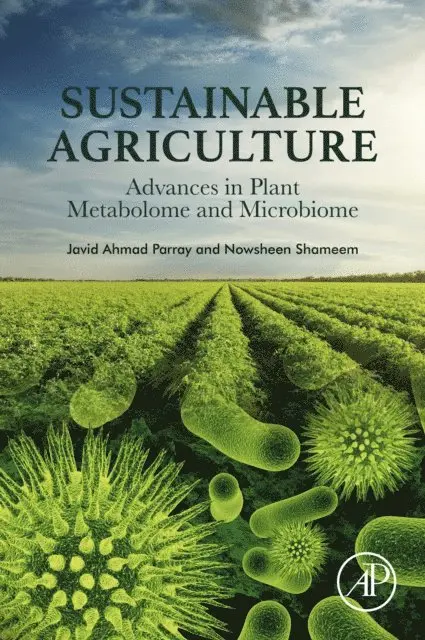
Sustainable Agriculture: Advances in Plant Metabolome and Microbiome focuses on the advancement of basic and applied research related to plant-microbe interaction and their implementation in progressive agricultural sustainability. The book also highlights the developing area of bioinformatics tools for the interpretation of metabolome, the integration of statistical and bioinformatics tools to manage huge generating data, metabolite profiling, and key signaling-driven substances, along with a section on the role of key biosynthetic pathways. Focused on selecting positive and effective interactive core-microbiome which will be adaptive and sustainable, this book will help researchers further improve the quality and productivity of crops through sustainable agriculture.
Details the two-way interactive approach to both plants and microbes Describes setting up core and functional microbiomes Presents the relationship of metabolomics and biocontrol2 047 kr
Läs direkt efter köp
Computational Genomics and Structural Bioinformatics in Microbial Science
Microbial Genomics Volume 2
1 726 kr
Skickas inom 10-15 vardagar
Computational Genomics and Structural Bioinformatics in Microbial Science
Microbial Genomics Volume 2
2 184 kr
Läs direkt efter köp
1 726 kr
Skickas inom 10-15 vardagar
2 184 kr
Läs direkt efter köp
1 726 kr
Skickas inom 10-15 vardagar
2 184 kr
Läs direkt efter köp
1 622 kr
Skickas inom 10-15 vardagar
2 049 kr
Läs direkt efter köp
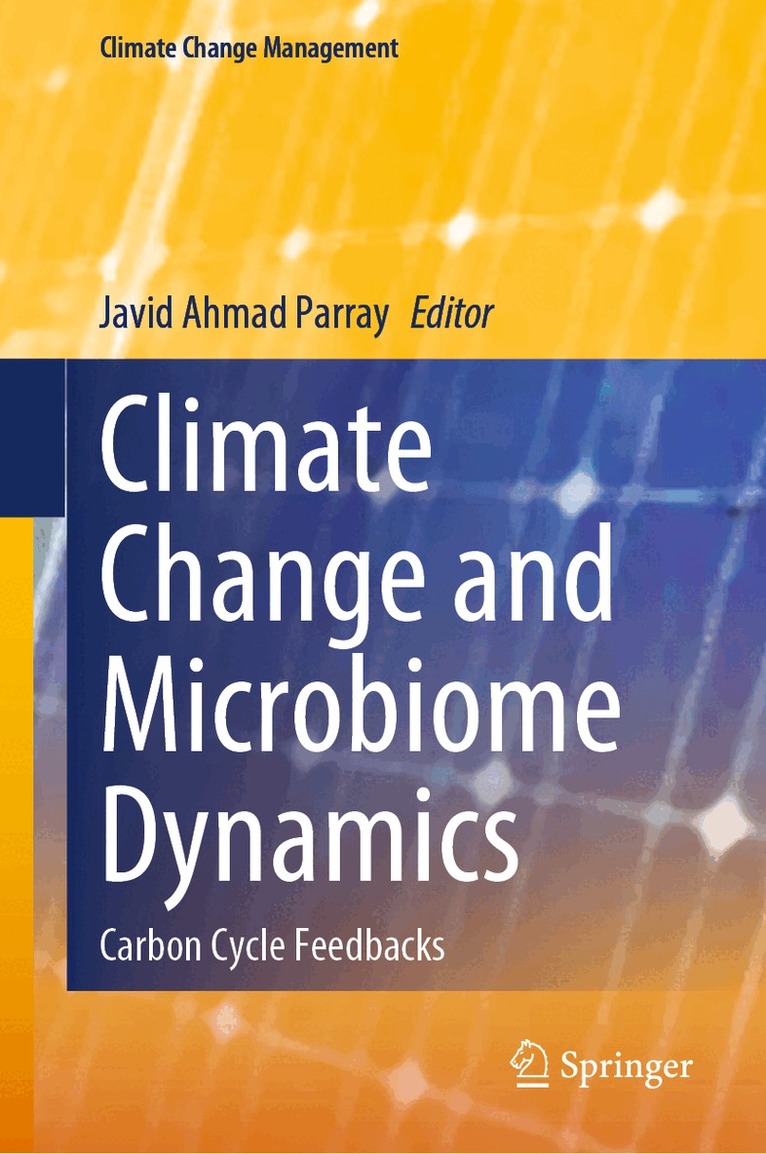
The book provides an overview relevant to various biological mechanisms that regulate carbon exchanges between the major components and their response to climate change. Climate change has a significant impact on people''s lives, energy demand, food security, etc. The soil microbial ecology is vital for assessing terrestrial and aquatic carbon cycles and climate feedback. However, the primary concern is the complexity of the soil microbial community and its severely affected functions due to the climate and other global changes. Global warming comprises an assessment of the dynamic interactions and feedback between microbes, plants, and their physical environment due to climate change. The book will address the need to use a multifactor experimental approach to understand how soil microorganisms and their activities adapt to climate change and the implications of carbon cycle feedback. The most pressing concern is a clearer understanding of the biological factors that regulate carbon exchanges between land, oceans, and the atmosphere and how these exchanges will respond to climate change via climate–ecosystem feedbacks, which could augment or quell regional and global climate change. Terrestrial ecosystems play an important role in climate feedback as they produce and absorb greenhouse gases like carbon dioxide, methane, and nitrous oxides. They also strongly contribute to storing enormous amounts of carbon in living vegetation and soils, rendering them a significant global carbon sink. If climate change projections are realistic, such a rapid increase in carbon loss from soil could exacerbate the soil carbon cycle feedback. The book will determine the role of microbial feedback in regulating soil-land-atmosphere carbon exchange under changing climatic conditions at the regional and global levels. The current book will also focus on recent research designed to use beneficial microbes such as plant growth-promoting microorganisms, fungi, endophytic microbes, and others to improve understanding of the interaction and their potential role in promoting advanced management for sustainable agricultural solutions. Understanding the influence on the native microbiome, such as the distribution of methanogens and methanotrophs, nutritional content, microbial biomass, and other factors, is becoming increasingly crucial to establishing climate-resilient agriculture.
1 622 kr
Skickas inom 10-15 vardagar
1 837 kr
Skickas inom 10-15 vardagar
2 366 kr
Läs direkt efter köp
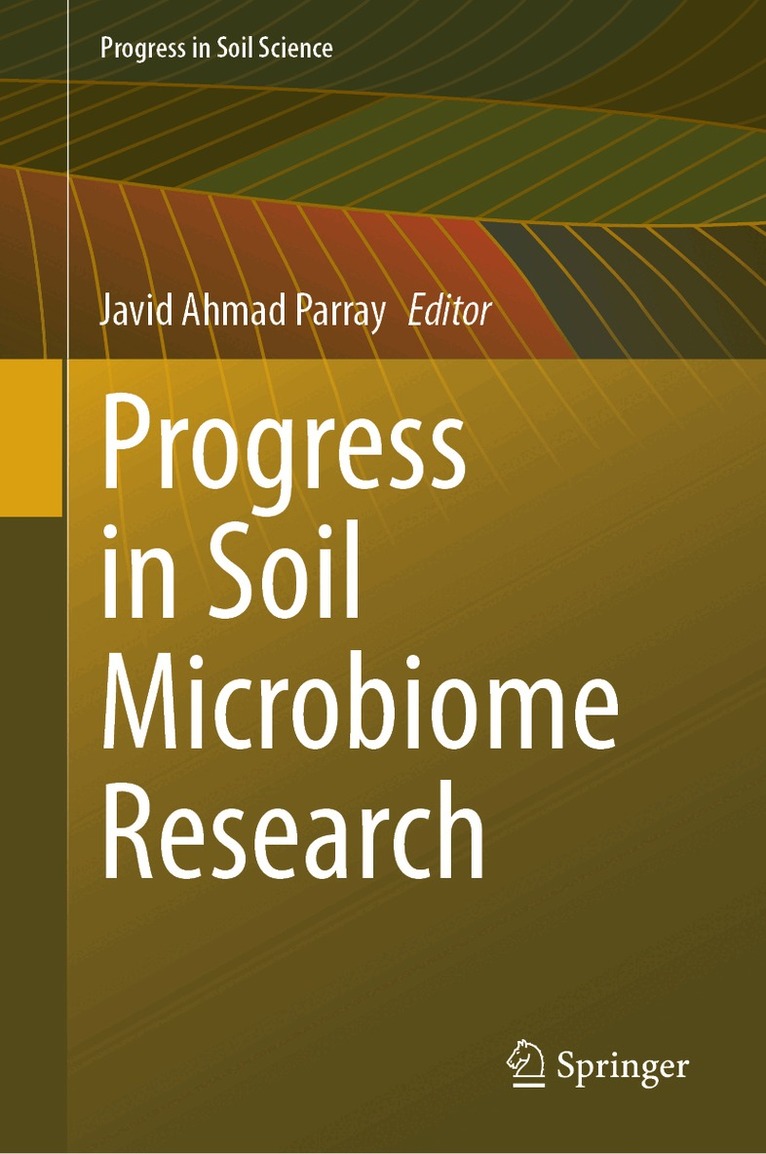
This book focuses on the latest research in soil and microbiome, evaluating new and emerging innovations. Recent research has connected specific microbial taxa to plant productivity, and it is now possible to link changes in microbiome structure to the functioning of plants or crops due to advanced approaches. It provides:
Insights into basic microbiome research.Focusing on its applications in agriculture.Soil bioremediation.Environmental restoration.It addresses the impact of global change on soil microbial diversity and ecosystem functions. We aim to tailor microbiome applications to individual host species better, improving treatment efficiency. The book will discuss microbiome dynamics in various environments and their potential to improve soil and plant health to meet growing food demands. It will also highlight the current developments in microbiome research and their implications for climate change.
1. Linking the dynamics of microbial communities to microbiome function.
2. Recent soil microbiome applications and harnessing for sustainable agriculture, food security, and environmental management
3. An advanced and elaborative view of the most recent microbiological research findings
4. Simple, insightful illustrations of current microbial biotechnology trends
5. Future advances in microbial biotechnology research for sustainable development
2 375 kr
Skickas inom 5-8 vardagar
3 046 kr
Läs direkt efter köp
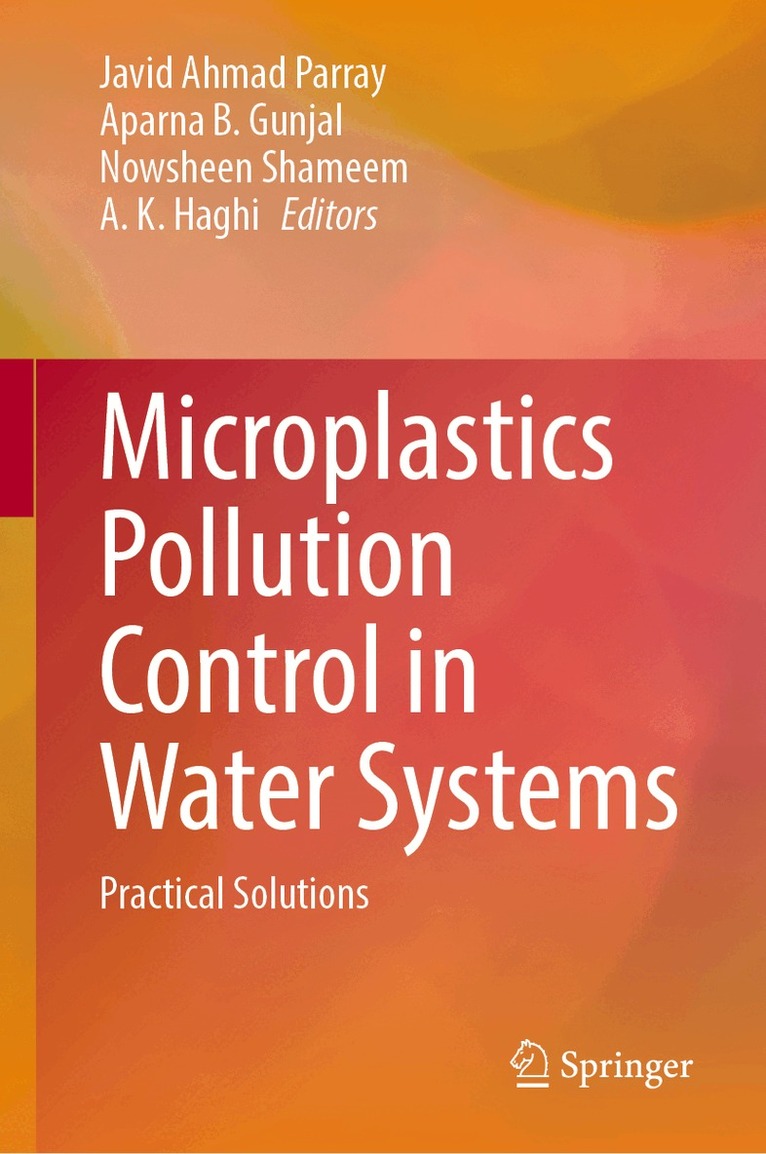
This book covers advanced solutions for managing water systems pollution caused by microplastics. It provides a comprehensive overview of microplastic contamination, spanning detection in municipal water systems, removal from wastewater using sustainable technologies, and monitoring methods in natural environments. The book also discusses the impacts of microplastics on water bodies and the limitations of current treatment processes, presenting complementary methods to address microplastic contamination.
In this book, particular attention is given to practical insights into dealing with microplastic pollution, and readers will find several case studies such as the application of nonwoven electrospun nano-membranes and activated carbon adsorbents for microplastics removal, alongside novel laboratory experiments and field methods like the invertebrate kick-netting technique. The book also offers a forward-looking approach, discussing cutting-edge topics like the application of artificial intelligence for microplastic identification, and the impact of land use patterns on soil microplastic pollution. The book concludes with a chapter devoted to smart management solutions, providing a glimpse into future trends and perspectives in the field.
Given its breadth and coverage, the book appeals not only to academics and researchers in the fields of environmental chemistry and environmental sciences but also to professionals and policymakers dealing with microplastic pollution and research.
2 375 kr
Skickas inom 10-15 vardagar
599 kr
Skickas inom 10-15 vardagar
791 kr
Läs direkt efter köp
Enzymes can help break down plastic waste and make it less harmful to the environment. They can also be used to treat various types of waste, including agricultural and food waste, and wastewater. Enzyme engineering is an important part of chemical biotechnology and helps to keep the environment clean. Making clean and renewable fuels is a priority, and many strategies are being developed to achieve this goal. However, food waste is still a major problem that can harm the environment because most disposal methods are not eco-friendly. This volume aims to inform readers about the latest developments in the use of enzymes for environmental management. This comprehensive resource provides a detailed overview of how enzymes can be used in various sectors to promote ecological sustainability. It covers the composition, properties, characterization, chemistry, and applications of different enzymes in emerging and eco-friendly approaches to waste treatment. It also highlights the latest advancements in sustainable technology and biotechnology enzymes. The book is divided into sections that feature various enzymes used for treating resistant pollutants in wastewater, enzymatically degrading synthetic plastics, and engineering enzymes to impact environmental sustainability positively. It also covers enzymes used in the valorization of waste, enzyme technology in biofuel production, and the recovery of enzymes from food waste. Each chapter presents the enzymes'' chemical, physical, and biological attributes and reviews the recent research conducted in this emerging field. The authors hope this document will inspire scientists to explore novel chemical, material, and energy sources in the future and to continue developing innovative applications for enzymes in environmental management.
2 160 kr
Skickas inom 10-15 vardagar
2 925 kr
Läs direkt efter köp
This unique reference book represents sustainable development of UN for providing a proper life standard and mobility for people. The 17 sustainable development goals (SDGs) as set by the United Nations for 2030 are the most basic prerequisite for the growth and development of national health. This book also provides broad case studies to show the interconnection of sustainable development goals of healthy lifestyle that will have enormous impacts on proper environmental health standards. In this advanced reference book, the authors will invite experts from around the globe to help the readers to better understand the interconnection between the UN sustainable development goals and environmental sustainability for 2030. To achieve these goals, the authors have divided this reference book into four sections:
The first section of this research-oriented book is devoted to reviewing the basic concepts of the healthy environmental sustainable development goals by considering the current world population of 7 billion. The plan is that the chapters selected in this section should provide the most important aspects needed in detail.
In Section 2, to reach novel technology innovations for making changes in environment health policy, the requirements for making remarkable challenges along with the global economy are reviewed.
Section 3 is used as a practical guide for postgraduate students interested in gaining their knowledge in the area of the environmental sustainability without a strong background in all 17 (SDGs) as set by the United Nations for 2030 and the different aspects of the sustainability for a healthier lifestyle. ϖ Section 4 addresses case studies to cover conceptual framework on how to better understand the sustainability goals and synergies among organic food, green energy, and clean water technologies. It also exchanges valuable experiments in this multidisciplinary field by renowned research scientists.
2 160 kr
Skickas inom 10-15 vardagar
2 160 kr
Skickas inom 10-15 vardagar
2 840 kr
Läs direkt efter köp
This book analyzes the harmful effects of conventional waste treatments and pollution monitoring methods on the environment. It critically evaluates these methods and highlights their shortcomings that have significantly damaged the environment. The book provides a comprehensive overview of alternative waste and pollution treatment methods that can be adopted locally and internationally. It also examines appropriate resource management strategies for environmental issues and emphasizes the need for sustainable resource management practices. The book highlights the importance of education in achieving ecological sustainability, particularly in urban waste management. It elaborates on how education can raise awareness and promote sustainable waste management practices.
Furthermore, the book presents the latest research topics, innovative ideas, and remediation strategies for various hazardous pollutants related to environmental issues and solutions. It provides a detailed analysis of the different remediation strategies and highlights their effectiveness in tackling environmental issues. The book also explores the innovative use of nanotechnology to achieve ecological sustainability and economic feasibility in wastewater treatment. One of the standout features of this approach is the use of microbial consortiums, which offer significant advantages over pure cultures. The need for hybrid treatment technology to effectively remediate different types of organic and inorganic pollutants from wastewater is also explored.
In addition, the book highlights the application of green technology for waste management, providing innovative solutions using advanced green technologies that promote international cooperation and networking to achieve a sustainable environment. It covers advanced green technologies used to manage energy and bioproducts from waste, such as biofuel, biopolymers, fertilizers, and chemicals, without causing harm to the environment.
2 160 kr
Skickas inom 10-15 vardagar
491 kr
Skickas inom 5-8 vardagar
633 kr
Läs direkt efter köp
Ozone is a powerful disinfectant with many applications. This book describes the unique advantages of using ozone technology for food decontamination. Food contamination, especially microbial contamination of fresh produce, is a serious concern in many parts of the world. Ozone decontamination can contribute to food safety and quality retention while avoiding the concerns associated with the use of pesticides.
The book begins with an introduction about ozone properties and ozone technology followed by a detailed description of applications of ozone for preservation of grain, fruits, and vegetables, as well as meat and seafood. Possible effects on product quality and shelf life are discussed, and potential research directions for the future are also suggested.
2 375 kr
Skickas inom 5-8 vardagar
3 157 kr
Läs direkt efter köp
308 kr
Skickas inom 10-15 vardagar
396 kr
Läs direkt efter köp
Improper disposal of plastics increases micro-plastic discharge and waste to the environment. It causes growing global concern about the environmental and public health impacts of related byproducts. This book presents a safe process based on application of microbial cultures from different sources for the degradation of plastic waste to harmless products.
The book begins by introducing the problem of plastic waste and its environmental impact, then moves on to describing microbial resources and the mechanism of biodegradation before presenting examples of biodegradation processes. Challenges of the microbial and enzyme based technologies for plastic biodegradation and potential research directions are also discussed.