Wen-Jun Li – författare
2 063 kr
Skickas inom 10-15 vardagar
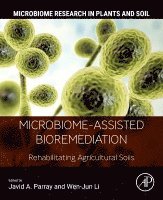
Microbiome-Assisted Bioremediation: Rehabilitating Agricultural Soils provides a complete reference on the opportunities, technologies, and challenges of remediating contaminated soils through use of microbial means. Environmental pollution and human exposure associated with heavy metals are attributed to anthropogenic activities such as mining, industrial wastes, and metal containing compounds in domestic and agricultural systems. Addressing the foundational aspects of microbe-based approaches, this book provides a valuable gateway resource for those entering the field, as well as providing in-depth insights into the various tools and techniques for real-world application.Microbial remediation has appeared as a promising approach to lessen the heavy metal concentration in the environment due to their sequestration and transforming ability of xenobiotic compounds. Microbial bioremediation is an efficient, economical, and environmentally-friendly procedure that reduces the cost of the cleanup process associated with heavy and toxic metal contamination.
Emphasizes microbiome-assisted biodegradation of toxic substances in soilIncludes complete descriptions of the most recent and advanced techniquesAddresses the use of GMOs, nanotechnologies and in silico studiesOutlines developments in the microbial degradation of synthetic plastics in soil and the biodegradation enzymes2 834 kr
Läs direkt efter köp
Computational Genomics and Structural Bioinformatics in Microbial Science
Microbial Genomics Volume 2
1 726 kr
Skickas inom 10-15 vardagar
Computational Genomics and Structural Bioinformatics in Microbial Science
Microbial Genomics Volume 2
2 184 kr
Läs direkt efter köp
1 726 kr
Skickas inom 10-15 vardagar
2 184 kr
Läs direkt efter köp
1 976 kr
Kommande
307 kr
Skickas inom 10-15 vardagar
396 kr
Läs direkt efter köp
Improper disposal of plastics increases micro-plastic discharge and waste to the environment. It causes growing global concern about the environmental and public health impacts of related byproducts. This book presents a safe process based on application of microbial cultures from different sources for the degradation of plastic waste to harmless products.
The book begins by introducing the problem of plastic waste and its environmental impact, then moves on to describing microbial resources and the mechanism of biodegradation before presenting examples of biodegradation processes. Challenges of the microbial and enzyme based technologies for plastic biodegradation and potential research directions are also discussed.
1 830 kr
Skickas inom 10-15 vardagar
2 366 kr
Läs direkt efter köp
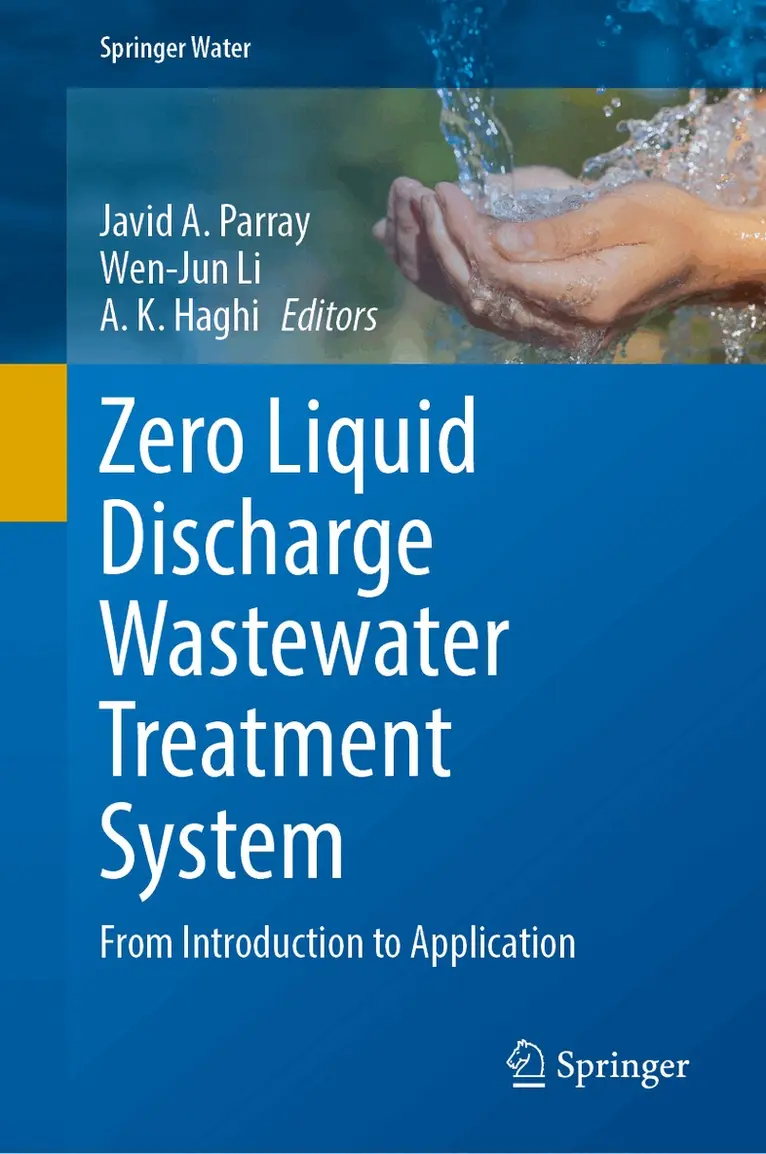
A Zero Liquid Discharge System (ZLDS) is a process that recovers water and solvents from wastewater. The remaining constituents are dehydrated to form pure water, resulting in zero waste. This book is a unique research-oriented guide covering the entire zero-liquid discharge process, from its introduction to its application. Zero liquid discharge water treatment plants require high engineering expertise and careful planning to achieve zero shots. Although it is an efficient wastewater treatment technique, improper industrial wastewater disposal can lead to environmental hazards such as water and soil pollution. This book focuses on ecological degradation and delves deeply into the consequences of improper industrial wastewater disposal, highlighting its effects on water pollution, ecosystem imbalance, and risks to human health. It offers a detailed examination of the resulting contamination and its far-reaching implications, emphasizing the need for proper disposal methods. One of the most critical needs for a healthy life is to provide healthy water and contaminants to be taken from the public water supplies. The book may reflect the healthy situation in many by presenting best practices, aiming to foster an understanding of the role of chemical contaminants in water systems in mitigating environmental hazards and the application of "zero liquid discharge technology" in detail. As industrial pollution continues to rise, there is a need to explore practical ways of managing industrial residues from wastewater. This book presents innovative research on using a "zero liquid discharge system" to achieve this locally and internationally. It also examines appropriate resource management strategies to address environmental concerns. This book critically reviews the health effects of industrial chemicals in the water supply. It examines current frameworks'' limitations, challenges, and opportunities and discusses the benefits of using a "zero liquid discharge system" and their impact on global sustainability. The book also emphasizes this technology to limit toxic industrial material utilization. This chapter provides an overview of the occurrence of industrial chemicals in drinking water and the associated human health risks. This book also analyzes existing policies related to industrial wastewater and proposes policy recommendations for effective wastewater management using a zero-liquid discharge system. It discusses implementation strategies and policy adoption, emphasizing the role of policy in shaping and improving industrial wastewater management frameworks. The edited volume aims to highlight the critical operating factors and consider the large capital investments of this system and the operational costs. However, in this research-oriented book, the readers will clearly understand that this novel system can leave behind a dry sludge containing high concentrations of hazardous chemicals and heavy metals. This edited volume will show that the application of a Zero Liquid Discharge System (ZLDS) requires careful planning and analysis.
1 830 kr
Skickas inom 10-15 vardagar
447 kr
Skickas inom 5-8 vardagar
432 kr
Skickas inom 5-8 vardagar
447 kr
Skickas inom 5-8 vardagar
447 kr
Skickas inom 5-8 vardagar
432 kr
Skickas inom 5-8 vardagar
1 616 kr
Skickas inom 10-15 vardagar
2 049 kr
Läs direkt efter köp
This book explores various aspects of thermophilic and halophilic microbes from Eurasian ecosystems, which have proved to offer a unique reservoir of genetic diversity and biological source of extremophiles. It also covers the biotechnological uses of extremophiles, and their potential use in agricultural and industrial applications. The topics addressed include but are not limited to: diversity and microbial ecology, microbe-environment interactions, adaptation and evolution, element cycling and biotechnological applications of thermophiles and halophiles in Eurasian ecosystems.
In order to review the progress made in biology and biotechnological applications of thermophiles and halophiles, the book combines review papers and results of original research from various specialists and authorities in the field. It includes several chapters describing the microbial diversity and ecology of geothermal springs distributed among the territory of various Eurasian countries, such as Armenia, Bulgaria, China, Georgia, India, Italy, Pakistan and Turkey. A dedicated chapter discusses selected aspects of thermophilic chemolithotrophic bacteria isolated from mining sites (sulfide ores); detailed descriptions of various thermophile microbes isolated from high-temperature environments and their biotechnological potential are also provided. Subsequent chapters describe the diversity and ecology of halophilic microbes harbored in saline and hypersaline lakes in Iran, Turkey and China; soil and plant microbiomes in saline arid lands of Uzbekistan; microbial diversity in Asian deserts; and the potential applications of thermophilic and halophilic microbes as exopolysaccharide (EPS) producers, focusing on the chemistry and applications of the EPS they produce.
We hope that this book will prove valuable as an up-to-date overview of the current state of research on Eurasian extremophiles in general and thermophiles and halophiles in particular. Many questions remain unanswered, and we hope that it will stimulate further studies in this intriguing and promising field.
1 616 kr
Skickas inom 10-15 vardagar
1 938 kr
Skickas inom 10-15 vardagar
2 524 kr
Läs direkt efter köp
This second edition of the book entitled “Microbial Communities and Interactions in extreme environments” focus on thermophilic and halophilic extremophiles from various ecosystems, their biodiversity, interactions with other organisms and functions within their hostile environment. Biotechnology of extremophiles and their potential agricultural and industrial applications is the focus of this edition. However, extremophiles may cope with their challenging environments. Information on biodiversity of extremophiles and their interactions with the surrounding biomes helps in understanding their ecology and functions within their respective extreme environments. This book is of interest to teachers, researchers, microbiologists, capacity builders and policymakers. Also, the book serves as additional reading material for undergraduate and graduate students of agriculture, forestry, ecology, soil science, microbiology and environmental sciences.
1 938 kr
Skickas inom 10-15 vardagar
2 216 kr
Skickas inom 10-15 vardagar
2 925 kr
Läs direkt efter köp
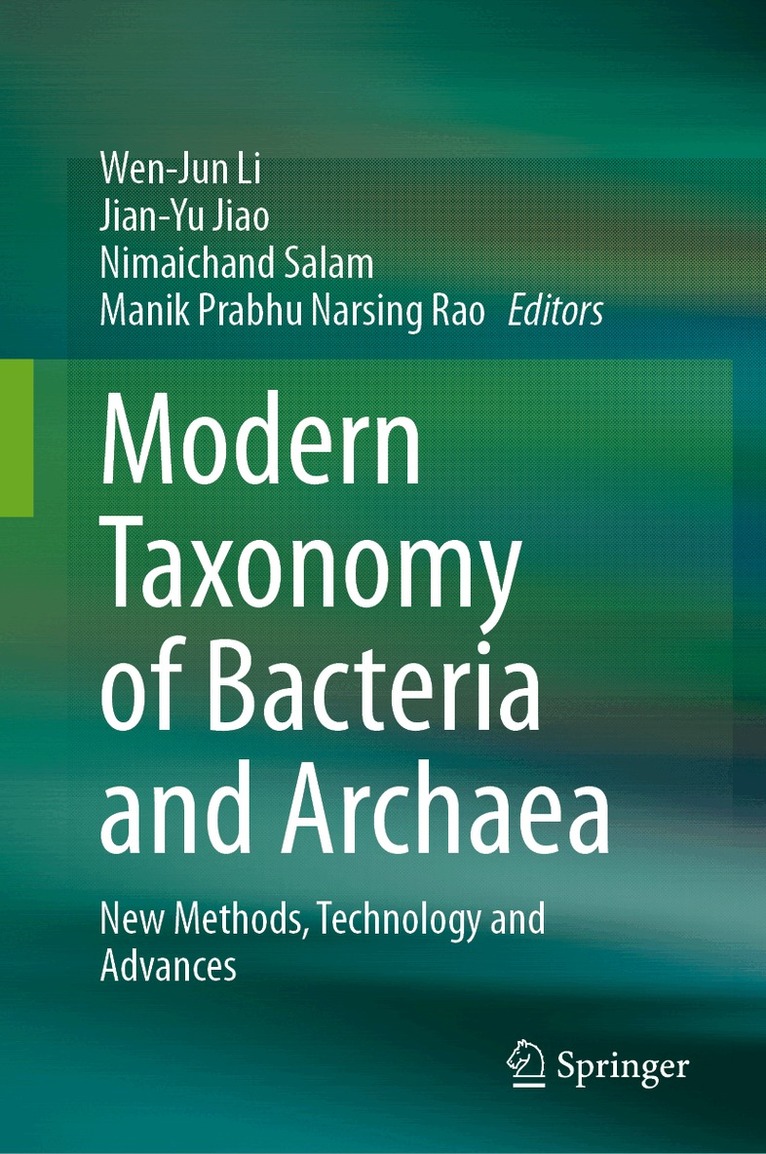
This book introduces the current approaches in prokaryotic taxonomy and streamlines the advanced techniques for use in prokaryotic systematics. While highlighting the key differences in the taxonomy of cultured and not-yet-cultured bacteria and archaea, it presents the genomic technology involved in microbial systematics that serves as comprehensive guidelines for isolating and identifying bacteria. Microbial systematics is a fundamentally important discipline area for microbiologists and those seeking to understand Earth’s biodiversity. As bacterial taxonomy is critical in microbial ecology and clinical microbiology works, the correct identification of microbes is crucial. However, the microbial collection existing and described as cultured species so far are either based on the taxonomic pattern that existed during its time of first cultivation. With evolving technology, many microbes were found to be wrongly classified. Therefore, it is essential to keep in contact withthe developing technology and methods for the correct placement of cultured bacteria and their identification. This book is an excellent guideline for adequately identifying, classifying, and describing novel taxa of bacteria and archaea.
2 216 kr
Skickas inom 10-15 vardagar