Hovik Panosyan – författare
2 319 kr
Läs direkt efter köp
1 630 kr
Skickas inom 10-15 vardagar
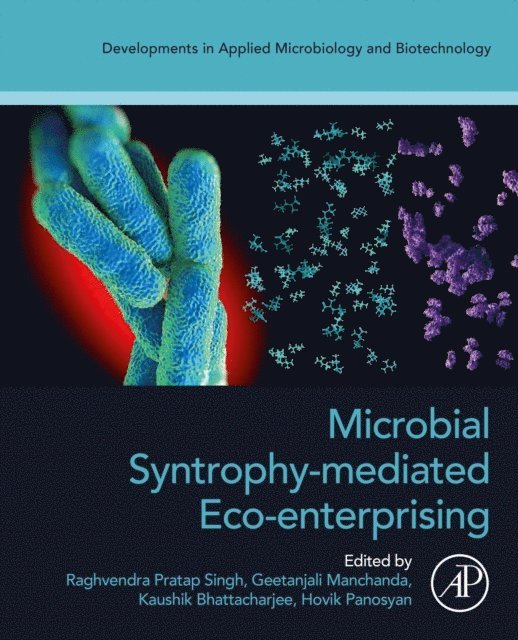
Microbial Syntrophy-Mediated Eco-enterprising summarizes and reviews possible microbial applications for eco-industrial sustainability. The book emphasizes a wide spectrum of experimental and theoretical contributions from eminent researchers in the field. In 13 chapters, there is a focus on the microbial intrusions for remediating sites by accumulated pesticides, heavy metals, polyaromatic hydrocarbons, and other industrial effluents. Moreover, the potentiality and key mechanisms used by microorganisms for sustainable environmental management and their prospects are also considered in this new release.
The term syntrophy for nutritional interdependence is often used in microbiology to describe the symbiotic relationship between bacterial species. Understanding such interactions can be of considerable interest when we come to manipulate microbes to our own benefit, such as by disrupting pathogenic communities with antibiotics or by promoting efficiency in communities that produce energy or break down waste.
Summarizes and reviews possible microbial applications for eco-industrial sustainability Includes a wide spectrum of experimental and theoretical contributions from eminent researchers in the field Focuses on microbial intrusions for remediating sites and other industrial effluents2 302 kr
Läs direkt efter köp
1 618 kr
Skickas inom 10-15 vardagar
1 605 kr
Skickas inom 10-15 vardagar
1 937 kr
Läs direkt efter köp
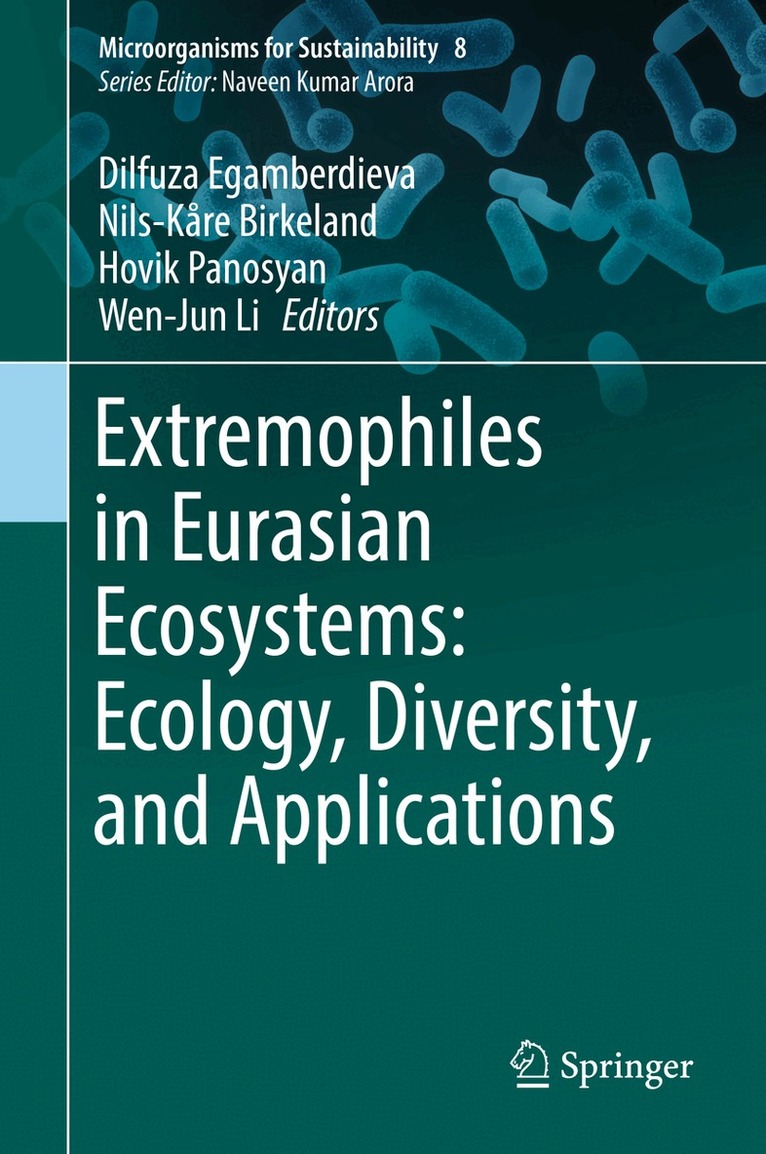
This book explores various aspects of thermophilic and halophilic microbes from Eurasian ecosystems, which have proved to offer a unique reservoir of genetic diversity and biological source of extremophiles. It also covers the biotechnological uses of extremophiles, and their potential use in agricultural and industrial applications. The topics addressed include but are not limited to: diversity and microbial ecology, microbe-environment interactions, adaptation and evolution, element cycling and biotechnological applications of thermophiles and halophiles in Eurasian ecosystems.
In order to review the progress made in biology and biotechnological applications of thermophiles and halophiles, the book combines review papers and results of original research from various specialists and authorities in the field. It includes several chapters describing the microbial diversity and ecology of geothermal springs distributed among the territory of various Eurasian countries, such as Armenia, Bulgaria, China, Georgia, India, Italy, Pakistan and Turkey. A dedicated chapter discusses selected aspects of thermophilic chemolithotrophic bacteria isolated from mining sites (sulfide ores); detailed descriptions of various thermophile microbes isolated from high-temperature environments and their biotechnological potential are also provided. Subsequent chapters describe the diversity and ecology of halophilic microbes harbored in saline and hypersaline lakes in Iran, Turkey and China; soil and plant microbiomes in saline arid lands of Uzbekistan; microbial diversity in Asian deserts; and the potential applications of thermophilic and halophilic microbes as exopolysaccharide (EPS) producers, focusing on the chemistry and applications of the EPS they produce.
We hope that this book will prove valuable as an up-to-date overview of the current state of research on Eurasian extremophiles in general and thermophiles and halophiles in particular. Many questions remain unanswered, and we hope that it will stimulate further studies in this intriguing and promising field.
1 605 kr
Skickas inom 10-15 vardagar
1 925 kr
Skickas inom 10-15 vardagar
2 435 kr
Läs direkt efter köp
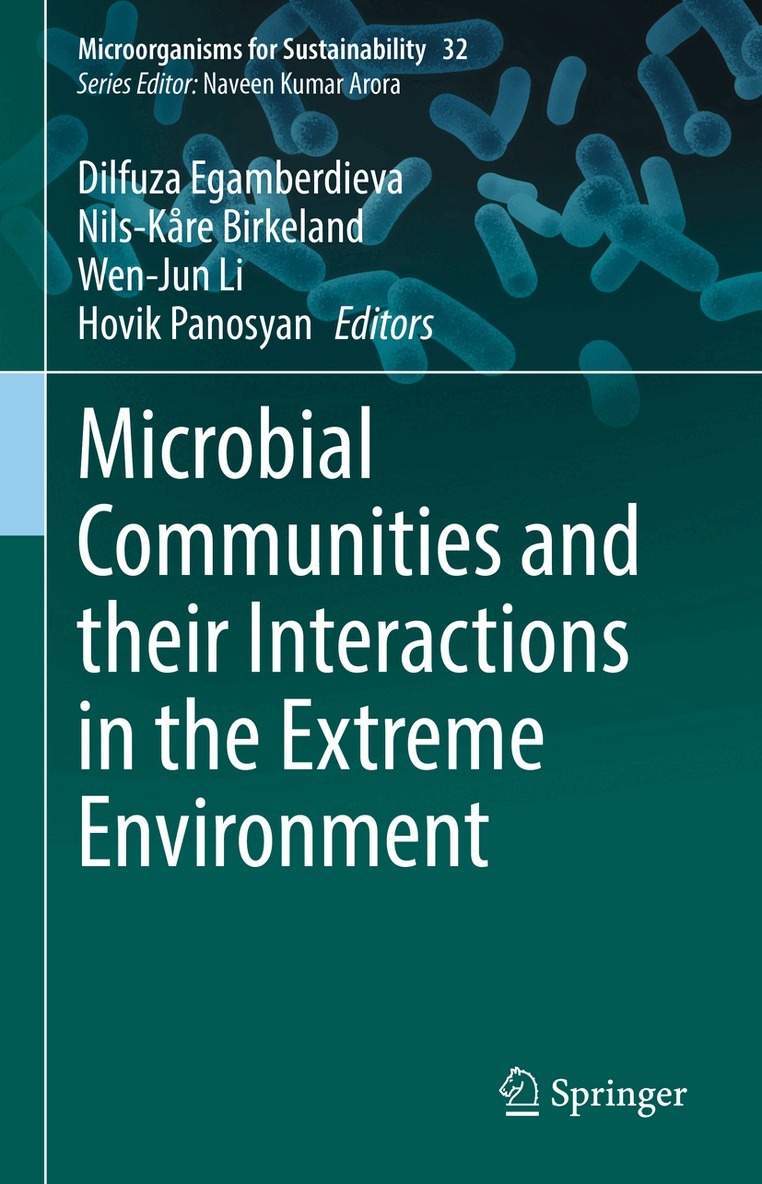
This second edition of the book entitled “Microbial Communities and Interactions in extreme environments” focus on thermophilic and halophilic extremophiles from various ecosystems, their biodiversity, interactions with other organisms and functions within their hostile environment. Biotechnology of extremophiles and their potential agricultural and industrial applications is the focus of this edition. However, extremophiles may cope with their challenging environments. Information on biodiversity of extremophiles and their interactions with the surrounding biomes helps in understanding their ecology and functions within their respective extreme environments. This book is of interest to teachers, researchers, microbiologists, capacity builders and policymakers. Also, the book serves as additional reading material for undergraduate and graduate students of agriculture, forestry, ecology, soil science, microbiology and environmental sciences.
1 925 kr
Skickas inom 10-15 vardagar
1 653 kr
Skickas inom 10-15 vardagar
2 054 kr
Läs direkt efter köp
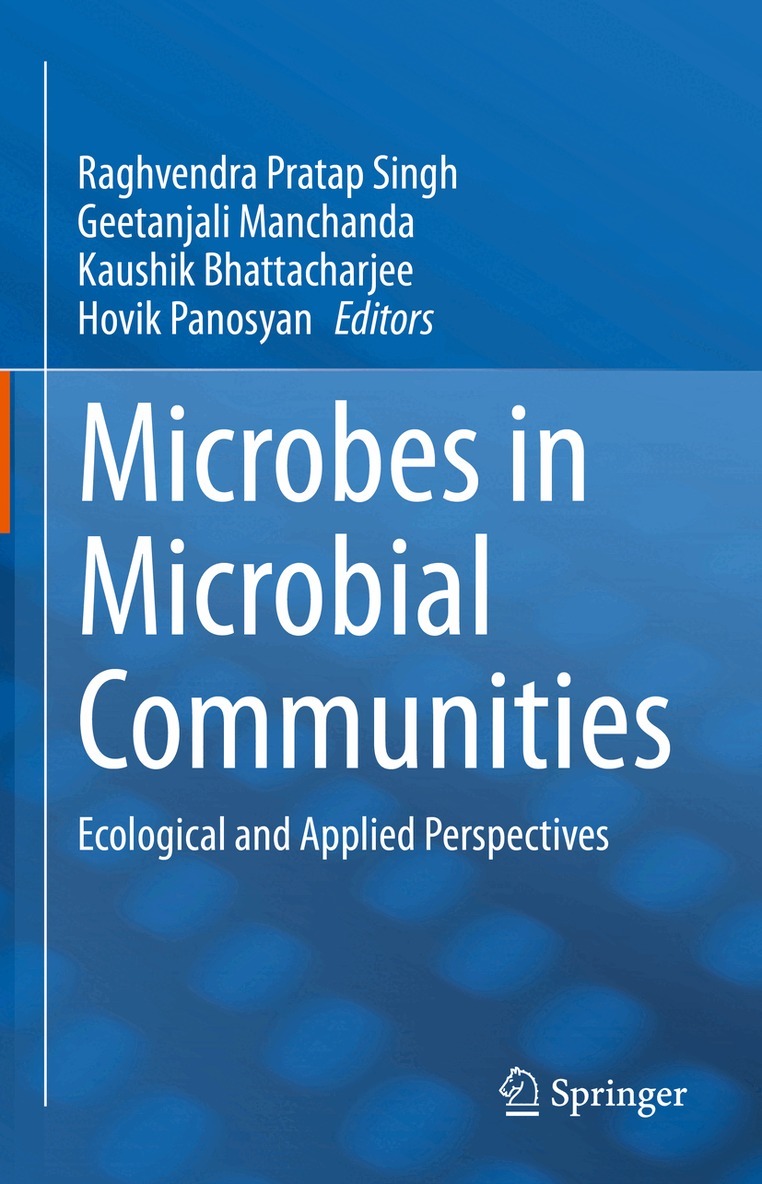
The book overviews the complex interactions amongst the microbes and their possible applications. Emphasis has been made to include a wide spectrum of experimental and theoretical contributions from eminent researchers in the field. Microbial communities are the assemblages of microorganisms of various species which live together in the same environment and continuously interact with each other. The microbial cells in communities display unique phenotypes that affect the survival and reproduction of other cells present around them. These phenotypes constitute the social adaptations that drive the interactions between microbial cells. The interactions, further determine the productivity, stability and the ability of community to resist the environmental perturbations. These microbial communities live with extremely competitive niche and fight for their survival and genetic persistence. But they frequently appear in niche with multifaceted and interactive webs rather than the planktonic nature. This can be within the same species or with different species, or even with diverse genera and families. It either a competitive winner community whereas the “weaker” strain goes extinct or a competitor that coexist with their metabolic secretory potentials or a separator that assigned their own community territorial niches. Sometimes, it can be neutral or tritagonist. These microbial associations within the microbiome provides the foundation for diverse forms of microbial ecology and determined the applied perspectives for agriculture, clinical and industrial sectors. This book will be useful to postgraduate students, researchers from academic as well as industry working in the field of microbial exploration with keen interest in survival factors and mechanism of their survival by various ecological and functional strategies.
1 653 kr
Skickas inom 10-15 vardagar