Ajay Kumar - Böcker
1 812 kr
Skickas inom 3-6 vardagar
Publisher's Note: Products purchased from Third Party sellers are not guaranteed by the publisher for quality, authenticity, or access to any online entitlements included with the product.
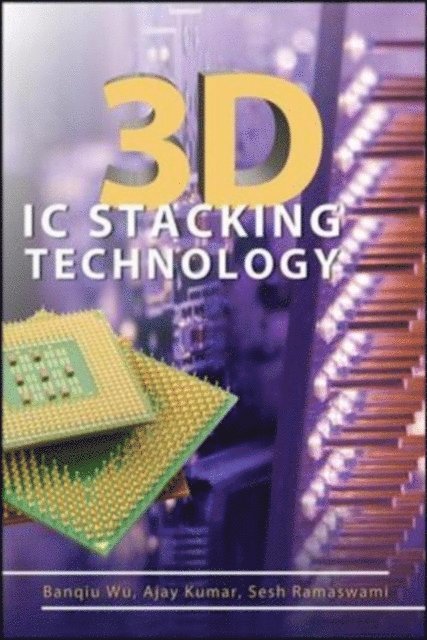
The latest advances in three-dimensional integrated circuit stacking technology
With a focus on industrial applications, 3D IC Stacking Technology offers comprehensive coverage of design, test, and fabrication processing methods for three-dimensional device integration. Each chapter in this authoritative guide is written by industry experts and details a separate fabrication step. Future industry applications and cutting-edge design potential are also discussed. This is an essential resource for semiconductor engineers and portable device designers.
3D IC Stacking Technology covers:
High density through silicon stacking (TSS) technologyPractical design ecosystem for heterogeneous 3D IC productsDesign automation and TCAD tool solutions for through silicon via (TSV)-based 3D IC stackProcess integration for TSV manufacturingHigh-aspect-ratio silicon etch for TSVDielectric deposition for TSVBarrier and seed depositionCopper electrodeposition for TSVChemical mechanical polishing for TSV applicationsTemporary and permanent bondingAssembly and test aspects of TSV technology1 202 kr
Skickas inom 7-10 vardagar
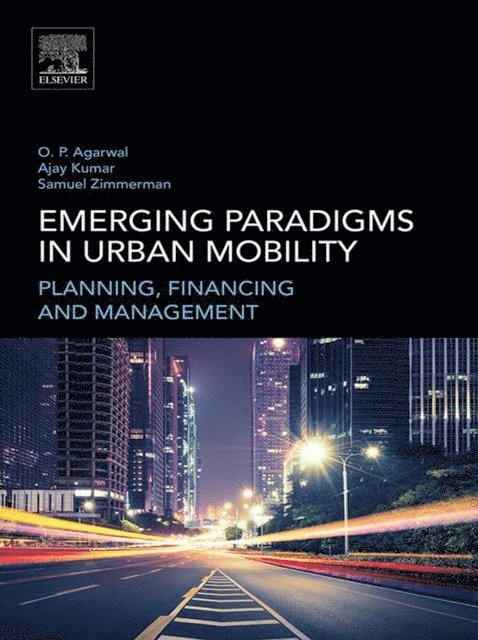
Emerging Paradigms in Urban Mobility: Planning, Finance and Implementation explains the types of new urban mobility planning paradigms that are emerging throughout the world, along with their potential to transform the transportation landscape. As half of the world's 7 billion people now live in cities, thus causing severe road congestion, increased air pollution, energy insecurity and sustainability problems in cities and the planet itself, this book presents new paradigms that are emerging to address these problems, along with other topics of note, including economic efficiency, health, the well-being of cities and their residents, urban mobility transformations, and the role of social media.
In addition, the book looks at Integrated Corridor Management and how it improves the people-moving performance of multi-modal transport systems in high demand urban corridors and how countries balance the mobility benefits of motorcycles with the environmental and safety threats they pose.
Provides previously unpublished research on new approaches to integrating governance, the changing role of IT, and shared mobility initiatives Links transportation and land use, climate change, and poverty reduction and gender, going well beyond the technical issues of transport planning Highlights successful factors that have worked and how they can be tailored to different contexts Includes learning aids, such as case studies, text boxes and chapter openers and summariesPGPR Amelioration in Sustainable Agriculture
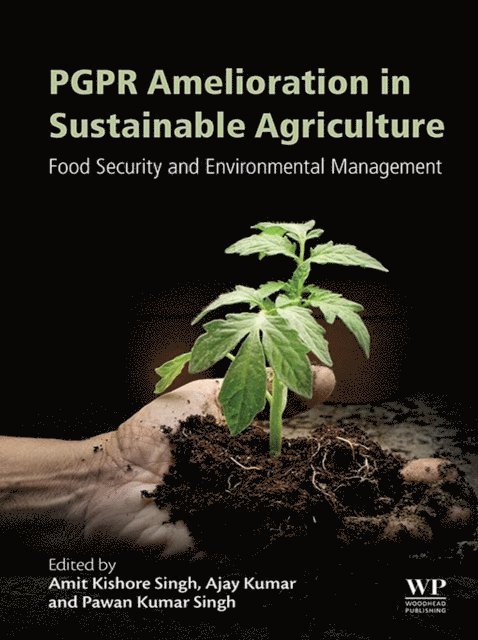
Food Security and Environmental Management
2 154 kr
Skickas inom 7-10 vardagar
PGPR Amelioration in Sustainable Agriculture: Food Security and Environmental Management explores the growth-promoting rhizobacteria (PGPR) that are indigenous to soil and plant rhizosphere. These microorganisms have significant potential as important tools for sustainable agriculture. PGPR enhance the growth of root systems and often control certain plant pathogens. As PGPR amelioration is a fascinating subject, is multidisciplinary in nature, and concerns scientists involved in plant heath and plant protection, this book is an ideal resource that emphasizes the current trends of, and probable future of, PGPR developments. Chapters incorporate both theoretical and practical aspects and may serve as baseline information for future research.
This book will be useful to students, teachers and researchers, both in universities and research institutes, especially working in areas of agricultural microbiology, plant pathology and agronomy.
Presents new concepts and current development in PGPR research and evaluates the implications for sustainable productivity Describes the role of multi-omics approaches in establishing an understanding of plant-microbe interactions that help plants optimize abiotic stresses Incorporates both theoretical and practical aspects, and will serve as a baseline for future research2 508 kr
Skickas inom 7-10 vardagar
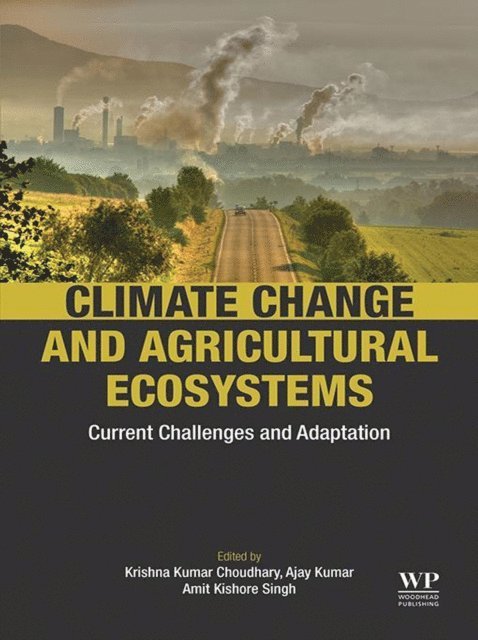
Climate Change and Agricultural Ecosystems explains the causative factors of climate change related to agriculture, soil and plants, and discusses the relevant resulting mitigation process.
Agricultural ecosystems include factors from the surrounding areas where agriculture experiences direct or indirect interaction with the plants, animals, and microbes present. Changes in climatic conditions influence all the factors of agricultural ecosystems, which can potentially adversely affect their productivity. This book summarizes the different aspects of vulnerability, adaptation, and amelioration of climate change in respect to plants, crops, soil, and microbes for the sustainability of the agricultural sector and, ultimately, food security for the future. It also focuses on the utilization of information technology for the sustainability of the agricultural sector along with the capacity and adaptability of agricultural societies under climate change.
Climate Change and Agricultural Ecosystems incorporates both theoretical and practical aspects, and serves as base line information for future research. This book is a valuable resource for those working in environmental sciences, soil sciences, agricultural microbiology, plant pathology, and agronomy.
Covers the role of chemicals fertilizers, environmental deposition, and xenobiotics in climate change Discusses the impact of climate change on plants, soil, microflora, and agricultural ecosystems Explores the mitigation of climate change by sustainable methods Presents the role of computational modelling in climate change mitigationRole of Plant Growth Promoting Microorganisms in Sustainable Agriculture and Nanotechnology
2 056 kr
Skickas inom 7-10 vardagar
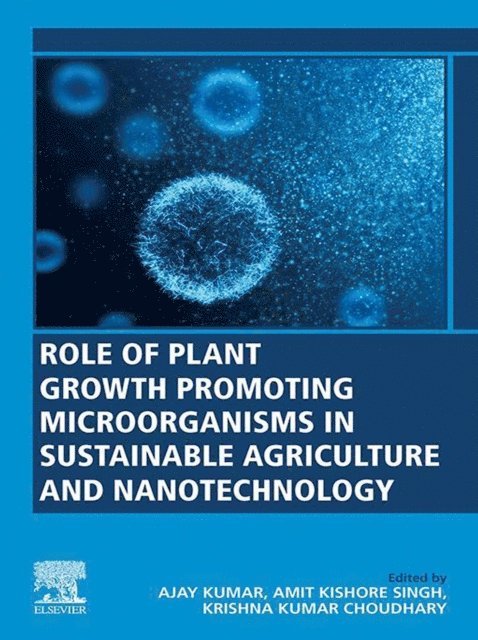
Role of Plant Growth Promoting Microorganisms in Sustainable Agriculture and Nanotechnology explores PGPMs (actinomycetes, bacteria, fungi and cyanobacteria) and their multidimensional roles in agriculture, including their increasing applications in sustainable agriculture. In addition to their traditional understanding and applications in agriculture, PGPMs are increasingly known as a source of nano-particles production that are gaining significant interest in their ability to provide more economically, environmentally friendly and safe technologies to crop growers. The book considers new concepts and current developments in plant growth, thus promoting microorganisms research and evaluating its implications for sustainable productivity.
Users will find this to be an invaluable resource for researchers in applied microbial biotechnology, soil science, nano-technology of microbial strains, and industry personnel in these areas.
Presents basic and applied aspects of sustainable agriculture, including nano-technology in sustainable agriculture Identifies molecular tools/omics approaches for enhancing plant growth promoting microorganisms Discusses plant growth promoting microorganisms in bioactive compounds production, and as a source of nano-particles1 251 kr
Skickas inom 7-10 vardagar
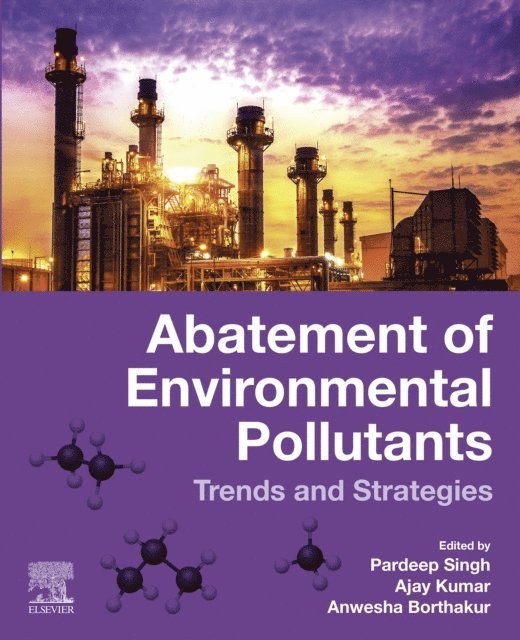
Abatement of Environmental Pollutants: Trends and Strategies addresses new technologies and provides strategies for environmental scientists, microbiologists and biotechnologists to help solve problems associated with the treatment of industrial wastewater. The book helps readers solve pollution challenges using microorganisms in bioremediation technologies, including discussions on global technologies that have been adopted for the treatment of industrial wastewater and sections on the lack of proper management. Moreover, limited space, more stringent waste disposal regulations and public consciousness have made the present techniques expensive and impractical.
Therefore, there is an urgent need to develop sustainable management technologies for industries and municipalities. To remove the damaging effect of organic pollutants on the environment, various new technologies for their degradation have been recently discovered.
Covers bioremediation of petrochemical pollutants, such as Benzene, Toluene, Xylene, Ethyl Benzene, and phenolic compoundIncludes discussions on genetic engineering microbes and their potential in pollution abatementContains information on plant growth promoting bacteria and their role in environment management2 142 kr
Skickas inom 7-10 vardagar
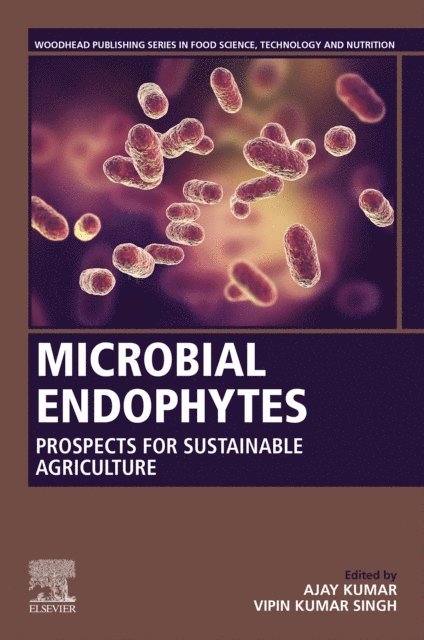
Microbial Endophytes: Prospects for Sustainable Agriculture discusses the practical and theoretical aspects regarding the use of endophytic microorganisms in agriculture, providing insights on the biotechnological applications associated with long-term crop production. Chapters deal with the various aspects of endophytic microorganisms, including isolation, enumeration, characterization procedures, diversity analysis, and their role as biofertilizer, biocontrol agent and microbial inoculants. Framed to discuss the present and future potential of microbial endophytes in biotic and abiotic stress management, bioremediation, bioactive compounds production, and in nanotechnology, this book provides a single-volume resource that will be valuable to academics and researchers interested in microbiology, agricultural sciences and biotechnology.
Explores aspects of sustainable agriculture by using endophytic microorganism such as bacteria, fungi and actinobacteria Presents insights into the use of endophytes as biofertilizer and biocontrol agents in sustainable agriculture Relates endophyte organisms and nano-technology1 922 kr
Skickas inom 7-10 vardagar
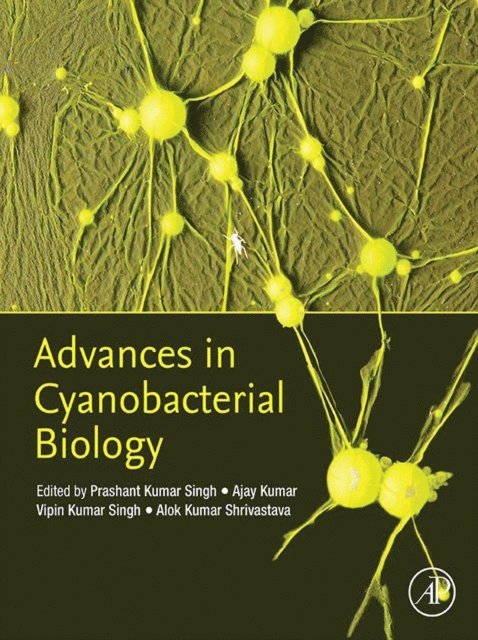
Advances in Cyanobacterial Biology presents the novel, practical, and theoretical aspects of cyanobacteria, providing a better understanding of basic and advanced biotechnological application in the field of sustainable agriculture. Chapters have been designed to deal with the different aspects of cyanobacteria including their role in the evolution of life, cyanobacterial diversity and classification, isolation, and characterization of cyanobacteria through biochemical and molecular approaches, phylogeny and biogeography of cyanobacteria, symbiosis, Cyanobacterial photosynthesis, morphological and physiological adaptation to abiotic stresses, stress-tolerant cyanobacterium, biological nitrogen fixation. Other topics include circadian rhythms, genetics and molecular biology of abiotic stress responses, application of cyanobacteria and cyanobacterial mats in wastewater treatments, use as a source of novel stress-responsive genes for development of stress tolerance and as a source of biofuels, industrial application, as biofertilizer, cyanobacterial blooms, use in Nano-technology and nanomedicines as well as potential applications.
This book will be important for academics and researchers working in cyanobacteria, cyanobacterial environmental biology, cyanobacterial agriculture and cyanobacterial molecular biologists.
Summarizes the various aspects of cyanobacterial research, from primary nitrogen fixation, to advanced nano-technology applications Addresses both practical and theoretical aspects of the cyanobacterial application Includes coverage of biochemical and molecular approaches for the identification, use and management of cyanobacteria2 154 kr
Skickas inom 7-10 vardagar
Microbial Endophytes: Functional Biology and Applications focuses on endophytic bacteria and fungi, including information on foundational endophytes and the latest advances in relevant genomics, proteomics and nanotechnological aspects. The book provides insights into the molecular aspects of plant endophytes and their interactions and applications, also exploring the potential commercialization of endophytic microorganisms and their use as bio fertilizers, in biocontrol, and as bioactive compounds for other sustainable applications. Coverage of important and emerging legal considerations relevant to those working to implement these important bacteria in production processes is also included.
Presents discussion on entry, colonization and the distribution of endophytic microorganisms Explores the phyto immunological functions of endophytic microorganisms Provides genomic insights on plant endophyte interaction Identifies bio-commercial aspects of microbial endophytes for sustainable agriculture, including potential legal issues and IPR in microbial research1 768 kr
Skickas inom 7-10 vardagar
2 398 kr
Skickas inom 7-10 vardagar
Microbe Mediated Remediation of Environmental Contaminants presents recent scientific progress in applying microbes for environmental management. The book explores the current existing practical applications and provides information to help readers develop new practices and applications. Edited by recognized leaders in the field, this penetrating assessment of our progress to date in deploying microorganisms to the advantage of environmental management and biotechnology will be widely welcomed by those working in soil contamination management, agriculture, environment management, soil microbiology, and waste management.
The polluting effects on the world around us of soil erosion, the unwanted migration of sediments, chemical fertilizers and pesticides, and the improper treatment of human and animal wastes have resulted in serious environmental and social problems around the world, problems which require us to look for solutions elsewhere than established physical and chemical technologies. Often the answer lies in hybrid applications in which microbial methods are combined with physical and chemical ones. When we remember that these highly effective microorganisms, cultured for a variety of applications, are but a tiny fraction of those to be found in the world around us, we realize the vastness of the untapped and beneficial potential of microorganisms.
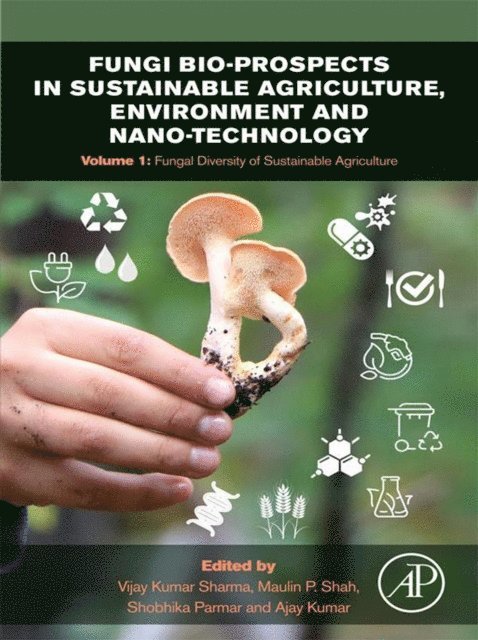
Explores microbial application redressing for soil and water contamination challenges Includes information on microbial synthesized nanomaterials for remediation of contaminated soils Presents a uniquely hybrid approach, combining microbial interactions with other chemical and physical methodsFungi Bio-prospects in Sustainable Agriculture, Environment and Nano-technology
Volume 1: Fungal Diversity of Sustainable Agriculture
1 678 kr
Skickas inom 7-10 vardagar
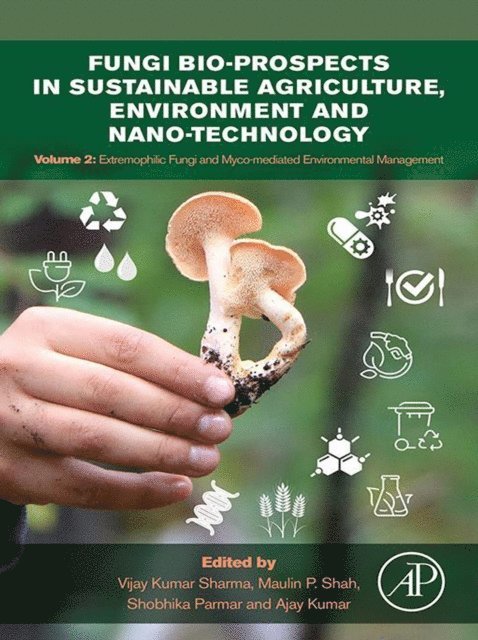
Fungi bio-prospects in sustainable agriculture, environment and nanotechnology?is a three-volume series that has been designed to explore the huge potential of the many diverse applications of fungi to human life. The series unveils the latest developments and scientific advances in the study of the biodiversity of fungi, extremophilic fungi, and fungal secondary metabolites and enzymes, while also presenting cutting-edge molecular tools used to study fungi. Readers will learn all about the recent progress and future potential applications of fungi in agriculture, environmental remediation, industry, food safety, medicine, and nanotechnology.
Volume 1 will cover the biodiversity of fungi and the associated biopotential applications. This volume offers insights into both basic and advanced biotechnological applications in human welfare and sustainable agriculture. The chapters shed light on the different roles of fungi as a bio-fertilizer, a bio-control agent, and a component of microbial inoculants. They also focus on the various applications of fungi in bio-fuel production, nano-technology, and in the management of abiotic stresses such as drought, salinity, and metal toxicity.?
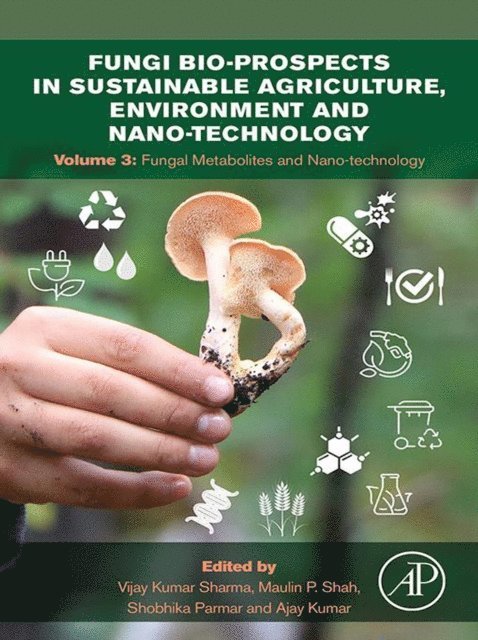
Provides a deep understanding of fungi and summarizes fungi's various applications in the fields of microbiology and sustainable agriculture Describes the role of fungal inoculants as biocontrol agents, and in improved stress tolerance and growth of plantsFungi Bio-prospects in Sustainable Agriculture, Environment and Nano-technology
Volume 3: Fungal Metabolites, Functional Genomics and Nano-technology
1 654 kr
Skickas inom 7-10 vardagar
2 300 kr
Skickas inom 7-10 vardagar
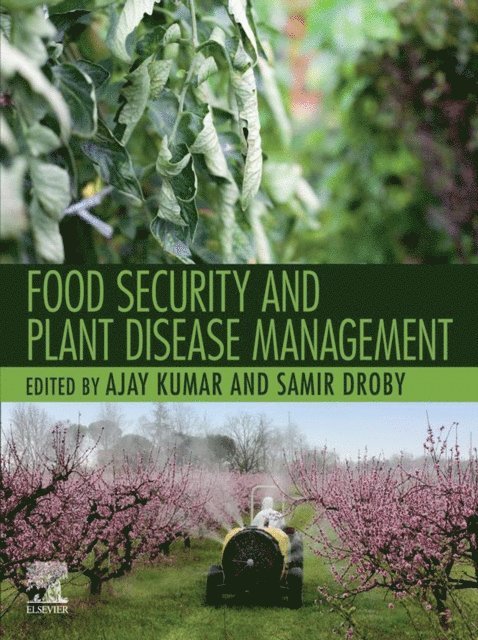
Food Security and Plant Disease Management offers a comprehensive exploration of biocontrol, the latest technologies being used in plant health assurance, and resulting impacts on crop production and food security. Discussing both theoretical and practical topics, the book examines basic and advanced applications of biosensor and nano-technologies, introduces plant disease, including modes of action and their transmission in host plants, then covers factors contributing to plant disease and various means of addressing those diseases. This volume is part of the Microorganisms in Agriculture and the Environment series and provides important information for developing new effective plant protection practices.
The direct or indirect applications of beneficial microbes in the treatment of plant disease is termed "microbial control� and these methods have increasingly been identified as important options for plant health management. The beneficial microbes as well as recent omic and nano-technologies also reveal important mechanisms that can be utilized in disease management strategies.
Explores the impact of climate change on plant diseases and new methods of resolution Includes information on gene expression during crop disease management Presents insights into the legal and commercial aspects of microbial controlFungi Bio-prospects in Sustainable Agriculture, Environment and Nano-technology
Volume 2: Extremophilic Fungi and Myco-mediated Environmental Management
1 678 kr
Skickas inom 7-10 vardagar
2 386 kr
Skickas inom 7-10 vardagar
2 142 kr
Skickas inom 7-10 vardagar
Stress Tolerance in Horticultural Crops: Challenges and Mitigation Strategies explores concepts, strategies and recent advancements in the area of abiotic stress tolerance in horticultural crops, highlighting the latest advances in molecular breeding, genome sequencing and functional genomics approaches. Further sections present specific insights on different aspects of abiotic stress tolerance from classical breeding, hybrid breeding, speed breeding, epigenetics, gene/quantitative trait loci (QTL) mapping, transgenics, physiological and biochemical approaches to OMICS approaches, including functional genomics, proteomics and genomics assisted breeding.
Due to constantly changing environmental conditions, abiotic stress such as high temperature, salinity and drought are being understood as an imminent threat to horticultural crops, including their detrimental effects on plant growth, development, reproduction, and ultimately, on yield. This book offers a comprehensive resource on new developments that is ideal for anyone working in the field of abiotic stress management in horticultural crops, including researchers, students and educators.
Describes advances in whole genome and next generation sequencing approaches for breeding climate smart horticultural crops Details advanced germplasm tolerance to abiotic stresses screened in the recent past and their performance Includes advancements in OMICS approaches in horticultural crops2 154 kr
Skickas inom 7-10 vardagar
Sustainable Environmental Clean-up: Green Remediation includes some natural, clean, and eco-sustainable technologies that have undergone the process of gradual development in past few decades. These technologies include a range of innovative natural and viable materials and offer a clean solution of environmental pollution. It includes case studies of phytoremediation, bioremediation (microbial removal of pollutant), constructed wetlands, natural media filtration for the sustainable environmental cleanup. Sustainable Environmental Clean-up: Green Remediation includes coverage of: Recent trends in eco-sustainable green remediation, Role of constructed wetlands in green remediation, Factor responsible for biodegradation of organic pollutants, Remediation through natural media (Sand, gravel, stope-chips), Microbes and their role in green remediation.
Presents recent trends in eco-sustainable green remediation Covers the role of constructed wetlands in green remediation Outlines the factors responsible for biodegradation of organic pollutants Discusses remediation through natural media (Sand, gravel, stope-chips) Explains microbes and their role in green remediation Includes the role of endophytic microbes in organic contamination management1 678 kr
Skickas inom 7-10 vardagar
Volatiles and Metabolites of Microbes compiles the latest research and advancement in the field of volatiles, metabolites synthesized from the microbial strains such as actinomycetes, bacteria, cyanobacteria, and fungal species and their potential applications in the field of healthcare issue and sustainable agriculture.
There is an urgent need to explore new and advanced biological methods for health industries and sustainable agriculture and to protect the environment from environmental pollution or contaminates, global warming, and also control the health of human beings from the side effects of various pharmaceuticals products.
Focusing all these factors, Volatiles and Metabolites of Microbes explores new aspects of microorganism in terms of volatiles, enzymes, bioactive compounds synthesized from the microbes and their potential applications in the field of sustainable agriculture and health-related issues
Provides a broad aspect about volatiles, bioactive compounds, and secondary metabolites of microbes compiled in one cover Gives the latest research and advancement in the field of volatiles, secondary metabolites, and bioactive compounds synthesized from the different microbial strains Responds to new developments in the detection of the complex compound structures of volatiles Offers insight to a very broad audience in Biotechnology, Applied Microbiology, Agronomy, and PathologyMicrobial Management of Plant Stresses
Current Trends, Application and Challenges
1 922 kr
Skickas inom 7-10 vardagar
Microbial Management of Plant Stresses: Current Trends, Application and Challenges explores plant microbiota including isolated microbial communities that have been used to study the functional capacities, ecological structure and dynamics of the plant-microbe interaction with focus on agricultural crops. Presenting multiple examples and evidence of the potential genetic flexibility of microbial systems to counteract the climate induced stresses associated with their host as a part of indigenous system, this book presents strategies and approaches for improvement of microbiome.
As climate changes have altered the global carbon cycling and ecological dynamics, the regular and periodic occurrences of severe salinity, drought, and heat stresses across the different regimes of the agro-ecological zones have put additional constraints on agricultural ecosystem to produce efficient foods and other derived products for rapidly growing world population through low cost and sustainable technology. Furthermore chemical amendments, agricultural inputs and other innovative technologies although may have fast results with fruitful effects for enhancing crop productivity but also have other ecological drawbacks and environmental issues and offer limited use opportunities.
Microbial formulations and/or microbial consortia deploying two or multiple partners have been frequently used for mitigation of various stresses, however, field success is often variable and improvement Smart, knowledge-driven selection of microorganisms is needed as well as the use of suitable delivery approaches and formulations.
Microbial Management of Plant Stresses: Current Trends, Application and Challenges�presents the functional potential of plant microbiota to address current challenges in crop production addressing this urgent need to bring microbial innovations into practice.
Demonstrates microbial ecosystems as an indigenous system for improving plant growth, health and stress resilience Covers all the novel aspects of microbial regulatory mechanism. Key challenges associated with microbial delivery and successful establishment for plant growth promotion and stress avoidance Explores plant microbiome and the modulation of plant defense and ecological dynamics under stressed environment1 446 kr
Skickas inom 7-10 vardagar
Biocontrol Mechanisms of Endophytic Microorganisms introduces endophytic microorganisms, colonization, diversity and distribution, describes the isolation and identification of endophytic microorganisms by traditional cultivation and by next generation sequencing technologies, and covers biocontrol mechanisms, bacterial priming, endophytic based methods, the significance on fungi, and metabolite based formulations. The book concludes with chapters on biofilms, microbiota and safety issues of microorganisms.
The intensive use of chemicals to control these plant pathogens has resulted in negative consequences such as the release of toxic chemicals in the environment, reduced soil fertility and human health problems. Therefore, environmentally-friendly and sustainable replacement of chemical fertilizers or pesticides is highly challenging.
Contains exclusive information about research on immunogenetics going on all over the world Includes all the minute and recent details that will be the prerequisite requirement for any researcher who wants to work on immunogenetics and its applications Comes fully-equipped with pictures, illustrations and tables, delivering the information in a meticulous manner that makes it more attractive to readersRelationship Between Microbes and the Environment for Sustainable Ecosystem Services, Volume 3
Microbial Tools for Sustainable Ecosystem Services
1 209 kr
Skickas
Relationship Between Microbes and Environment for Sustainable Ecosystem Services, Volume Three: Microbial Tools for Sustainable Ecosystem Services promotes advances in sustainable solutions, value-added products, and fundamental research in microbes and the environment. Topics include advanced and recent developments in the use of microbes for sustainable development. Volume Three includes concepts and applications of microbes in ecosystem services, with a focus on sustainable practices. The book will include case studies and utility of microbes on both geographical and production system-wide considerations.
This book provides reference information ranging from the description of various microbial applications for the sustainability in different aspects of food, energy, environment industry and social development. This book will be helpful to environmental biotechnology scientists, industrial professionals and experts working in the field of microbiology.
Covers the latest developments, recent applications and future research avenues in microbial biotechnology for sustainable development Includes expressive tables and figures with concise information about sustainable ecosystem services Provides a wide variety of applications and modern practices of harnessing the potential of microbes in the environmentRelationship Between Microbes and the Environment for Sustainable Ecosystem Services, Volume 2
Microbial Mitigation of Waste for Sustainable Ecosystem Services
1 690 kr
Skickas inom 7-10 vardagar
Relationship Between Microbes and Environment for Sustainable Ecosystem Services, Volume Two: Microbial Mitigation of Waste for Sustainable Ecosystem Services promotes advances in sustainable solutions, value-added products, and fundamental research in microbes and the environment. Topics include advanced and recent discoveries in the use of microbes for sustainable development. Volume Two describes the successful application of microbes and their derivatives for waste management of potentially toxic and relatively novel compounds. This proposed book will be helpful to environmental scientists, experts and policymakers working in the field of microbe- based mitigation of environmental wastes.
The book provides reference information ranging from the description of various microbial applications for the sustainability in different aspects of food, energy, environment industry and social development.
Covers the latest developments, recent applications and future research avenues in microbial biotechnology for sustainable development Includes expressive tables and figures with concise information about sustainable ecosystem services Provides a wide variety of applications and modern practices of harnessing the potential of microbes in the environmentRelationship Between Microbes and the Environment for Sustainable Ecosystem Services, Volume 1
Microbial Products for Sustainable Ecosystem Services
675 kr
Skickas
Relationship Between Microbes and Environment for Sustainable Ecosystem Services, Volume One: Microbial Products for Sustainable Ecosystem Services promotes advances in sustainable solutions, value-added products, and fundamental research in microbes and the environment. Topics include advanced and recent discoveries in the use of microbes for sustainable development. Users will find reference information ranging from the description of various microbial applications for sustainability in different aspects of food, energy, the environment and social development. Volume One includes the direct and indirect role of bacteria, fungi, actinomycetes, viruses, mycoplasma and protozoans in the development of products contributing towards sustainable.
The book provides a holistic approach to the most recent advances in the application of various microbes as a biotechnological tool for a vast range of sustainable applications, modern practices, exploring futuristic strategies to harness its full potential.
Covers the latest developments, recent applications and future research avenues in microbial biotechnology for sustainable development Includes expressive tables and figures with concise information about sustainable ecosystem services Provides a wide variety of applications and modern practices of harnessing the potential of microbes in the environment1 410 kr
Skickas inom 7-10 vardagar
Recent Advances in Aquaculture Microbial Technology emphasizes various topics on microbiology related technology for aquaculture development and discusses different types of microbiological applications, thus serving as an all-inclusive reference which consolidates microbial technologies adopted in the field. The book covers the history and development of microbial technology in aquaculture as well as aquaculture microbiology, diversity and the role of microbes in aquaculture systems. In addition, it presents the beneficial microbial communities in aquaculture and varying methods employed to study bacterial association in fish, microbes and fish diseases.
This resource will help improve research experiments and accomplishments in the area of aqua-culturally relevant microbial technology, making it useful for researchers and scientists in the field.
Describes the history and development of microbial technology in aquaculture Presents scientific methods employed to study bacterial association in fish Includes applications of microbial derived nanomaterials in disease prevention and treatment Provides information and the use of probiotics and prebiotics in aquacultureMitigation of Plant Abiotic Stress by Microorganisms
Applicability and Future Directions
2 020 kr
Skickas inom 7-10 vardagar
The microbial ecosystem provides an indigenous system for improving plant growth, health and stress resilience. Plant microbiota, including isolated microbial communities, have been studied to further understand the functional capacities, ecological structure and dynamics of the plant-microbe interaction. Due to climatic changes, there is an urgent need to bring microbial innovations into practice.
Mitigation of Plant Abiotic Stress by Microorganisms: Applicability and Future Directions is a comprehensive review of the different strategies available to improve the plant microbiome. Chapters include key topics such as: harnessing endophytic microbial diversity, microbial genes for improving abiotic stress tolerance, and microbial bioformulations. Putting these strategies into practice can have varying success in the field, so it is crucial that scientists are equipped with the knowledge of which microorganisms are needed, as well as the use and suitability of delivery approaches and formulations.
This title will be an essential read for researchers and students interested in plant microbial technologies and plant bio stimulants, plant pathology, biocontrol, agronomy, and environmental mediation.
Discusses adaptive mechanisms of plant against multiple stresses Highlights diversity of symbiotic microorganisms associated with insects and their impact on host plants Provides functional genomics tools for studying microbe-mediated stress tolerance2 142 kr
Skickas inom 7-10 vardagar
Microbiome Under Changing Climate: Implications and Solutions presents the latest biotechnological interventions for the judicious use of microbes to ensure optimal agricultural yield. Summarizing aspects of vulnerability, adaptation and amelioration of climate impact, this book provides an important resource for understanding microbes, plants and soil in pursuit of sustainable agriculture and improved food security.� It emphasizes the interaction between climate and soil microbes and their potential role in promoting advanced sustainable agricultural solutions, focusing on current research designed to use beneficial microbes such as plant growth promoting microorganisms, fungi, endophytic microbes, and more.
Changes in climatic conditions influence all factors of the agricultural ecosystem, including adversely impacting yield both in terms of quantity and nutritional quality. In order to develop resilience against climatic changes, it is increasingly important to understand the effect on the native micro-flora, including the distribution of methanogens and methanotrophs, nutrient content and microbial biomass, among others.
Demonstrates the impact of climate change on secondary metabolites of plants and potential responses Incorporates insights on microflora of inhabitant soil Explores mitigation processes and their modulation by sustainable methods Highlights the role of microbial technologies in agricultural sustainability1 898 kr
Skickas inom 7-10 vardagar
Environmental change is affecting the world's agricultural productivity. This is coupled with an increase in population: according to the United Nations Department for Economic and Social Affairs, the global population is estimated to reach 9.7 billion by 2050.� Therefore, the current situation requires that we develop climate-smart technologies to improve crop productivity to sustain the ever-rising global population.� Current-day farmers are introducing a considerable amount of agrochemicals to enhance crop productivity.� Indiscriminate agrochemical application has altered not only the soil's physic-chemical and biological properties but also affected human health through food chain contamination.� Cyanobacteria, under these changing environmental conditions, may help to resolve the problem significantly without changing the natural soil properties.� In spite of their well-known stress tolerance potential, most of the cyanobacterial stress management and signaling pathways are yet to be fully characterized.� Therefore, there is an urgent need to explore cyanobacterial metabolism under stress as well as their regulatory pathways to exploit them for sustainable agriculture.� In recent decades, the application of cyanobacteria has attracted scientists because of uniqueness, better adaptability, and synthetic products.
Diverse cyanobacterial communities with the ability to fix atmospheric nitrogen, together with their photosynthetic properties, have demonstrated their application under field conditions.� Several cyanobacterial species have thus been exploited to enhance soil fertility, mitigate biotic and abiotic stress, and contamination management.
Cyanobacterial Lifestyle and its Applications in Biotechnology has been designed to discuss different aspects of cyanobacterial physiology with the aim of helping to provide a better understanding of advanced cyanobacterial molecular biology and their metabolism to uncover the potential of cyanobacteria in the tailoring of stress smart crops for sustainable agriculture.� Chapters include valuable information about the role of cyanobacteria in the evolution of life, cyanobacterial photosynthesis, stress-tolerant cyanobacterium, biological nitrogen fixation, circadian rhythms, genetics and molecular biology of abiotic stress responses.
Summarizes various aspects of cyanobacterial research. Includes comprehensive coverage of molecular approaches for the identification of cyanobacteria and their evolution. Identifies an expanding horizon of cyanobacterial lifestyle: stress management in cyanobacteria. Examines cyanobacteria synthetic biology, genetic engineering, photosynthesis and metabolic engineering.1 556 kr
Skickas inom 7-10 vardagar
Advances in Plant Tissue Culture: Current Developments and Future Trends provides a complete and up-to-date text on all basic and applied aspects of plant tissue cultures and their latest application implications. It will be beneficial for students and early-career researchers of plant sciences and plant/agricultural biotechnology. Plant tissue culture has emerged as a sustainable way to meet the requirements of fresh produces, horticultural crops, medicinal or ornamental plants. Nowadays, plant tissue culture is an emerging filed applied in various aspects, including sustainable agriculture, plant breeding, horticulture and forestry.
This book covers the latest technology, broadly applied for crop improvement, clonal propagation, Somatic hybridization Embryo rescue, Germplasm conservation, genetic conservation, or for the preservation of endangered species. However, these technologies also play a vital role in breaking seed dormancy over conventional methods of conservation.
Focuses on plant tissue culture as an emerging field applied in various aspects, including sustainable agriculture, plant breeding, horticulture and forestry Includes current studies and innovations in biotechnology Covers commercialization and current perspectives in the field of plant tissue culture techniques1 654 kr
Skickas inom 7-10 vardagar
Expanding Horizon of Cyanobacterial Biology discusses the different aspects of cyanobacteria cyanobacterial application, providing a better understanding of cyanobacterial metabolism. Chapters deal with cyanobacteria applications and explore how to exploit cyanobacterial metabolism for industrial applications. Sections cover cyanobacterial applications for the production of nanoparticles, cyanobacterial diversity, and the characterization of different assemblages such as cyanolichens and cyanobacterial endophytes, along with their ecological, morphological and physiological aspects. In addition, bioactive compounds and their applications are explored.
Increasing attention has been paid by scientists across the globe to Cyanobacteria as they are ubiquitous microbes and, undoubtedly, an important organism in terms of carbon as well as nitrogen fixation. However, the research on these organisms is limited in terms of their diversity and distribution across the globe.
Provides background knowledge for researchers concerned with cyanobacterial diversity and characterization of different assemblages Describes the exploitation possibility of cyanobacterial species for human welfare Discusses the different aspects of cyanobacteria, cyanobacterial application and better understanding of cyanobacterial metabolism Deals with the exploitation of cyanobacteria and their mats for bioremediation purposes Includes cyanobacterial nanotechnology and its applications in industry and allied sectors