Maulin P. Shah - Böcker
1 776 kr
Skickas inom 7-10 vardagar
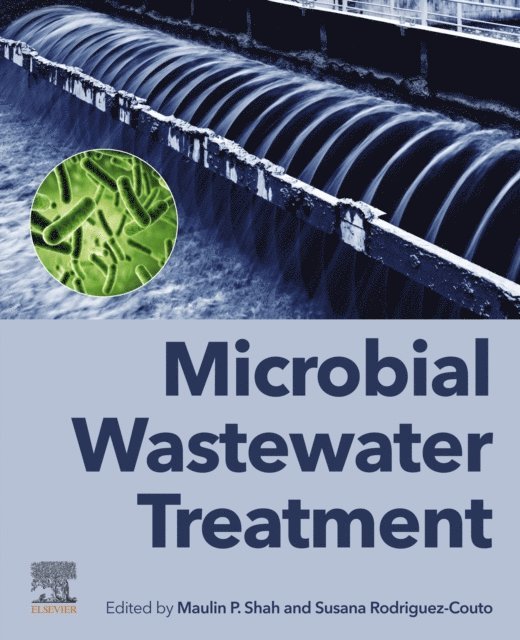
Microbial Wastewater Treatment focuses on the exploitation of microorganisms as decontaminating tools to treat polluted wastewater, a worldwide concern. Microorganism-based processes are seen as promising technologies to treat the ever-increasing problem of polluted wastewater. The book covers recently developed process technologies to solve five major trends in the field of wastewater treatment, including nutrient removal and recovery, trace organic compounds, energy saving and production, sustainability and community involvement.
Illustrates the importance of microorganisms in wastewater treatment Points out the reuse of the treated wastewater Highlights the recovery of resources from wastewater Pays attention to the occurrence of novel micro-pollutants Introduces new trends in wastewater technology2 105 kr
Skickas inom 7-10 vardagar
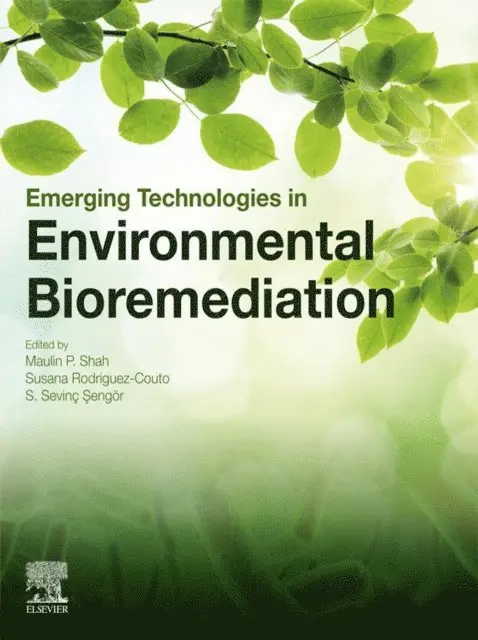
Emerging Technologies in Environmental Bioremediation introduces emerging bioremediation technologies for the treatment and management of industrial wastes and other environmental pollutants for the sake of environmental sustainability. Emerging bioremediation approaches such as nano-bioremediation technology, electro-bioremediation technology, microbial fuel cell technology, Modified Ludzack-Ettinger Process, Modified Activated Sludge Process, and phytotechnologies for the remediation of industrial wastes/pollutants are discussed in a comprehensive manner not found in other books. Furthermore, the book includes updated information as well as future directions for research in the field of bioremediation of industrial wastes.
This book will be extremely useful to students, researchers, scientists and professionals in the field of microbiology and biotechnology, Bio (chemical) engineers, environmental researchers, eco-toxicology, and many more.
Includes the recovery of resources from wastewater Describes the importance of microorganisms in environmental bioremediation technologies Points out the reuse of treated wastewater through emerging technologies Pays attention to the occurrence of novel micro-pollutants Emphasizes the role of nanotechnology in pollutant bioremediationBioremediation for Environmental Sustainability
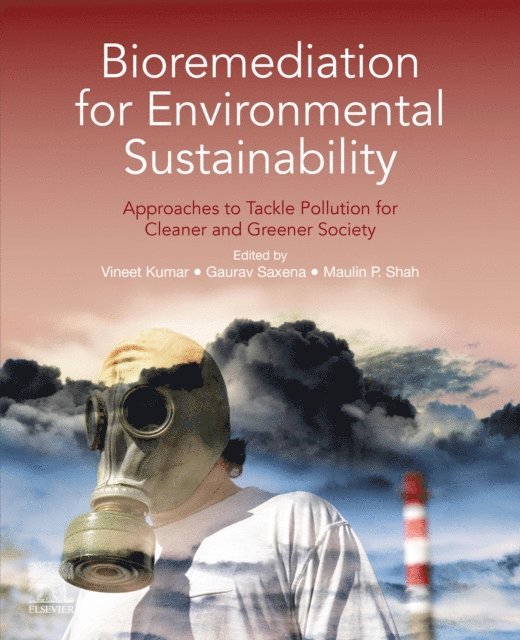
Approaches to Tackle Pollution for Cleaner and Greener Society
2 203 kr
Skickas inom 7-10 vardagar
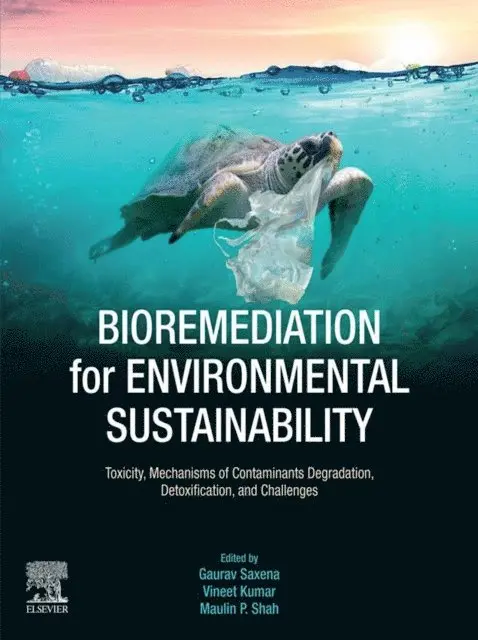
Bioremediation for Environmental Sustainability
Toxicity, Mechanisms of Contaminants Degradation, Detoxification and Challenges
2 203 kr
Skickas inom 7-10 vardagar
Bioremediation for Environmental Sustainability: Toxicity, Mechanisms of Contaminants Degradation, Detoxification and Challenges introduces pollution and toxicity profiles of various organic and inorganic contaminants, including mechanisms of toxicity, degradation, and detoxification by microbes and plants, and their bioremediation approaches for environmental sustainability. The book also covers many advanced technologies in the field of bioremediation and phytoremediation, including electro-bioremediation, microbial fuel cells, nano-bioremediation, constructed wetlands, phytotechnologies, and many more, which are lacking in other competitive titles existing in the market. The book includes updated information, as well as future directions for research, in the field of bioremediation of industrial wastes.
This book is a reference for students, researchers, scientists, and professionals in the fields of microbiology, biotechnology, environmental sciences, eco-toxicology, environmental remediation, and waste management, especially those who aspire to work on the biodegradation and bioremediation of industrial wastes and environmental pollutants for environmental sustainability. Environmental safety and sustainability with rapid industrialization is one of the major challenges worldwide. Industries are the key drivers in the world economy, but these are also the major polluters due to discharge of potentially toxic and hazardous wastes containing various organic and inorganic pollutants, which cause environmental pollution and severe toxic effects in living beings.
Introduces pollution and toxicity profiles of environmental contaminants and industrial wastes, including oil refinery wastewater, distillery wastewater, tannery wastewater, textile wastewater, mine tailing wastes, plastic wastes, and more Describes underlying mechanisms of degradation and detoxification of emerging organic and inorganic contaminants with enzymatic roles Focuses on recent advances and challenges in bioremediation and phytoremediation, including microbial enzymes, biosurfactants, microalgae, biofilm, archaea, genetically engineered organisms, and more Describes how microbes and plants can be successfully applied for the remediation of potentially toxic industrial wastes and chemical pollutants to protect the environment and public health2 056 kr
Skickas inom 7-10 vardagar
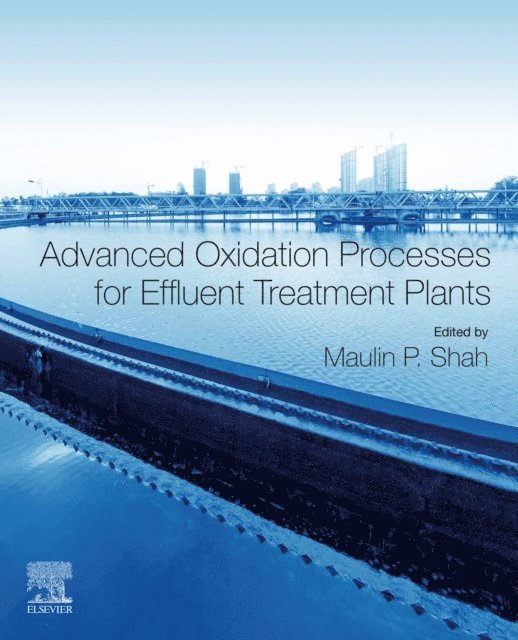
Advanced Oxidation Processes for Effluent Treatment Plants provides a complete overview of the recent advances made in oxidation-based water treatment processes, including their limitations, challenges and potential applications in removing environmental pollutants. The book introduces new trends and advances in environmental bioremediation technology with a thorough discussion of recent developments in this field, with multiple biological and chemical wastewater treatment processes presented in detail. Additionally, every chapter explains the wastewater treatment plants that utilize these methods, illustrating them in terms of plant size, layout, design and installation location. New trends and advances in environmental bioremediation technology are also covered.
This is the go-to resources for engineers and scientists requiring an introduction to the principles of environmental bioremediation technologies.
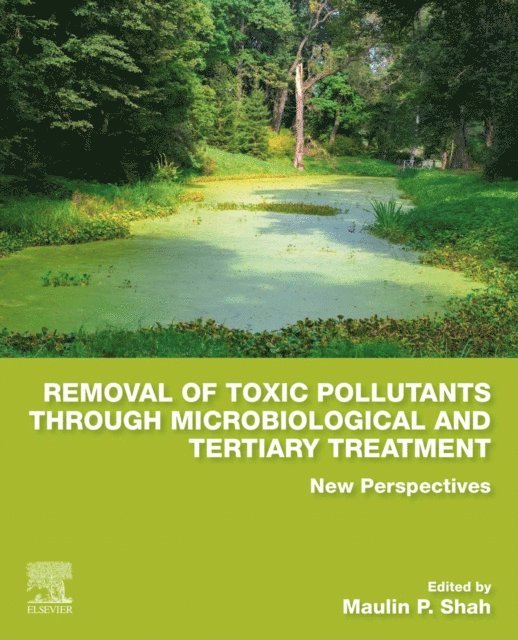
Illustrates the importance of various advance oxidation processes in effluent treatment plants Highlights the reuse and recovery of resources from wastewater Examines the occurrence of novel micro-pollutants Emphasizes the role of nanotechnology in the bioremediation of pollutants Introduces new trends in environmental bioremediationRemoval of Toxic Pollutants through Microbiological and Tertiary Treatment
New Perspectives
2 081 kr
Skickas inom 7-10 vardagar
Removal of Toxic Pollutants through Microbiological and Tertiary Treatment: New Perspectives offers a current account of existing advanced oxidation strategies - including their limitations, challenges, and potential applications - in removing environmental pollutants through microbiological and tertiary treatment methods. The book introduces new trends and advances in environmental bioremediation technology, with thorough discussion of recent developments in the field. Updated information as well as future research directions in the field of bioremediation of industrial wastes is included. This book is an indispensable guide to students, researchers, scientists, and professionals working in fields such as microbiology, biotechnology, environmental sciences, eco-toxicology, and environmental remediation.
The book also serves as a helpful guide for waste management professionals and those working on the biodegradation and bioremediation of industrial wastes and environmental pollutants for environmental sustainability.
Introduces various treatment schemes, including microbiological and tertiary technologies for bioremediation of environmental pollutants and industrial wastes Includes pharmaceutical wastewater, oil refinery wastewater, distillery wastewater, tannery wastewater, textile wastewater, mine tailing wastes, plastic wastes, and more Describes the role of relatively new treatment technologies and their approaches in bioremediation, including molecular and protein engineering technologies, microbial enzymes, bio surfactants, plant-microbe interactions, and genetically engineered organisms Provides many advanced technologies in the field of bioremediation and phytoremediation, including electro-bioremediation technology, microbial fuel cell technology, nano-bioremediation technology, and phytotechnologiesFungi Bio-prospects in Sustainable Agriculture, Environment and Nano-technology
Volume 1: Fungal Diversity of Sustainable Agriculture
1 678 kr
Skickas inom 7-10 vardagar
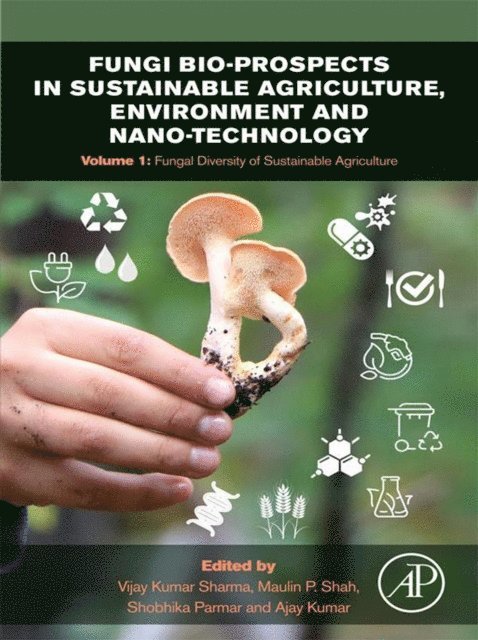
Fungi bio-prospects in sustainable agriculture, environment and nanotechnology?is a three-volume series that has been designed to explore the huge potential of the many diverse applications of fungi to human life. The series unveils the latest developments and scientific advances in the study of the biodiversity of fungi, extremophilic fungi, and fungal secondary metabolites and enzymes, while also presenting cutting-edge molecular tools used to study fungi. Readers will learn all about the recent progress and future potential applications of fungi in agriculture, environmental remediation, industry, food safety, medicine, and nanotechnology.
Volume 1 will cover the biodiversity of fungi and the associated biopotential applications. This volume offers insights into both basic and advanced biotechnological applications in human welfare and sustainable agriculture. The chapters shed light on the different roles of fungi as a bio-fertilizer, a bio-control agent, and a component of microbial inoculants. They also focus on the various applications of fungi in bio-fuel production, nano-technology, and in the management of abiotic stresses such as drought, salinity, and metal toxicity.?
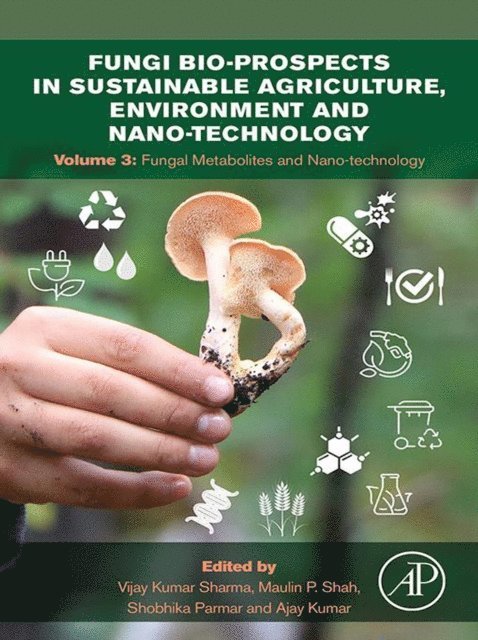
Provides a deep understanding of fungi and summarizes fungi's various applications in the fields of microbiology and sustainable agriculture Describes the role of fungal inoculants as biocontrol agents, and in improved stress tolerance and growth of plantsFungi Bio-prospects in Sustainable Agriculture, Environment and Nano-technology
Volume 3: Fungal Metabolites, Functional Genomics and Nano-technology
1 654 kr
Skickas inom 7-10 vardagar
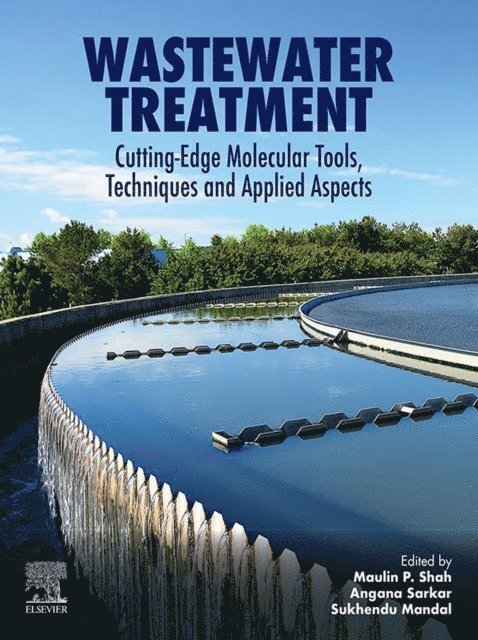
Wastewater Treatment
Cutting-Edge Molecular Tools, Techniques and Applied Aspects
2 203 kr
Skickas inom 7-10 vardagar
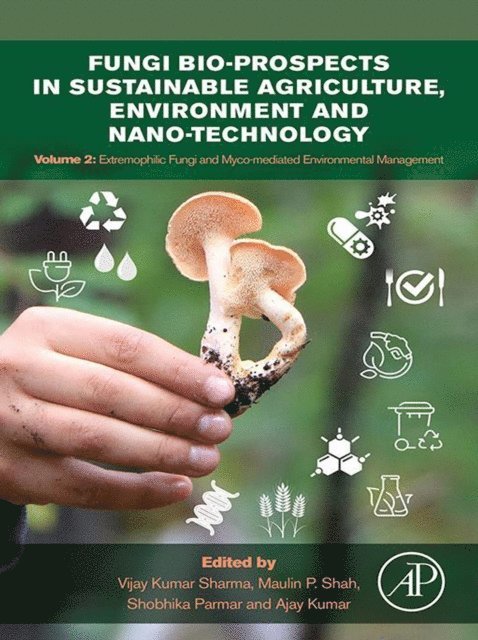
Fungi Bio-prospects in Sustainable Agriculture, Environment and Nano-technology
Volume 2: Extremophilic Fungi and Myco-mediated Environmental Management
1 678 kr
Skickas inom 7-10 vardagar
2 203 kr
Skickas inom 7-10 vardagar
2 203 kr
Skickas inom 7-10 vardagar
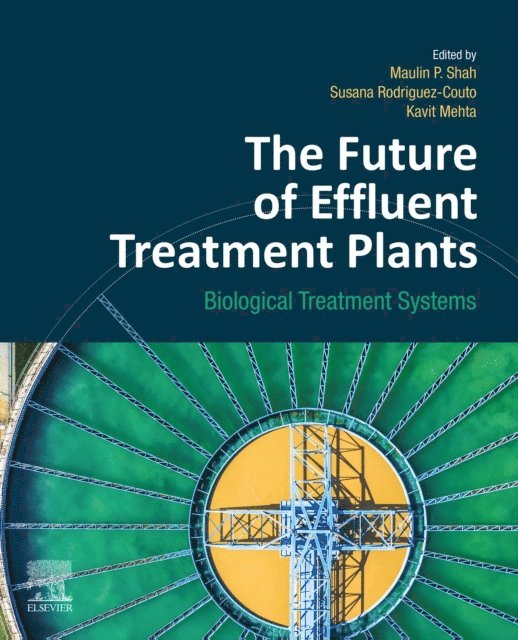
The Future of Effluent Treatment Plants: Biological Treatment Systems is an advanced and updated version of existing biological technologies that includes their limitations, challenges, and potential application to remove chemical oxygen demand (COD), refractory chemical oxygen demand, biochemical oxygen demand (BOD), color removal and environmental pollutants through advancements in microbial bioremediation. The book introduces new trends and advances in environmental bioremediation with thorough discussions of recent developments. In addition, it illustrates that the application of these new emerging innovative technologies can lead to energy savings and resource recovery.
The importance of respiration, nitrogen mineralization, nitrification, denitrification and biological phosphorus removal processes in the development of a fruitful and applicable solution for the removal of toxic pollutants from wastewater treatment plants is highlighted. Equally important is the knowledge and theoretical modeling of water movement through wastewater ecosystems. Finally, emphasis is given to the function of constructed wetlands and activated sludge processes.
Considers different types of industrial wastewater Focuses on biological wastewater treatments Introduces new trends in bioremediation Addresses the future of WWTPs2 203 kr
Skickas inom 7-10 vardagar
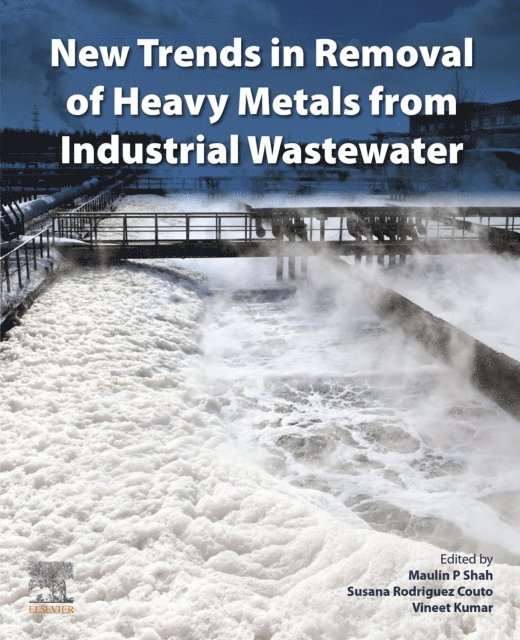
New Trends in Removal of Heavy Metals from Industrial Wastewater covers the applicable technologies relating to the removal of heavy metals from wastewater and new and emerging trends in the field, both at the laboratory and industrial scale. Sections explore new environmentally friendly technologies, the principles of sustainable development, the main factors contributing to heavy metal removal from wastewater, methods and procedures, materials (especially low-cost materials originated from industrial and agricultural waste), management of wastewater containing heavy metals and wastewater valorization, recycling, environmental impact, and wastewater policies for post heavy metal removal.
This book is an advanced and updated vision of existing heavy metal removal technologies with their limitations and challenges and their potential application to remove heavy metals/environmental pollutants through advancements in bioremediation. Finally, sections also cover new trends and advances in environmental bioremediation with recent developments in this field by an application of chemical/biochemical and environmental biotechnology.
Outlines the fate and occurrence of heavy metals in Wastewater Treatment Plants (WWTPs) and potential approaches for their removal Describes the techniques currently available for removing heavy metals from wastewater Discusses the emerging technologies in heavy metal removal Covers biological treatments to remove heavy metals Includes the valorization of heavy metal containing wastewater2 203 kr
Skickas inom 7-10 vardagar
2 203 kr
Skickas inom 7-10 vardagar
2 203 kr
Skickas inom 7-10 vardagar
2 203 kr
Skickas inom 7-10 vardagar
2 203 kr
Skickas inom 7-10 vardagar
Wastewater Treatment Reactors: Microbial Community Structure analyzes microbial community structure in relation to changes in physico-chemical parameters, the gene content (metagenome) or gene expression (metatranscriptome) of microbial communities in relation to changes in physico-chemical parameters, physiological aspects of microbial communities, enrichment cultures or pure cultures of key species in relation to changes in physico-chemical parameters, and modeling of potential consequences of changes in microbial community structure or function for higher trophic levels in a given habitat.
As several studies have been carried out to understand bulking phenomena and the importance of environmental factors on sludge settling characteristics, which are thought to be strongly influenced by flocculation, sludge bulking, foaming and rising, this book is an ideal resource on the topics covered.
Presents the state-of-the-art techniques and applications of omics tools in wastewater treatment reactors (WWTRs) Describes both theoretical and practical knowledge surrounding the fundamental roles of microorganisms in WWTRs Points out the reuse of treated wastewater through emerging technologies Covers the economics of wastewater treatment and the development of suitable alternatives in terms of performance and cost effectiveness Discusses cutting-edge molecular biological tools Gives in-depth knowledge to study microbial community structure and function in wastewater treatment reactors2 081 kr
Skickas inom 7-10 vardagar
Green Approach on Alternative Fuel for Sustainable Future addresses the advancement of biological and biochemical technologies in context to alternative fuel synthesis. This book emphasizes and discusses the technology involved and development on the status of alternative fuel production and related aspects, including biofuel production. The potential uses of waste material to turn them into wealth, as alternative energy sources also been discussed. The extended and detailed content of the book also covers the promising uses of microalgae treatment to produce biofuel. By not being limited to the biological aspect the book also discusses and explores the perspective of green chemistry for energy production.
By adding policy and commercialization, the book provides comprehensive information, from lab to field, with extensive illustrations, case studies, summary tables and up-to-date references.
Gives an overall overview on general and applied aspects on biofuels Provides scientific methodology for viable sustainable transition strategies for policy makers Outlines green technologies to face the environmental crisis and allow for the transformation into a sustainable future Provides data-based information in context to advance and innovative technology Explore possibilities and limitation of expansion and commercialization of biofuels Offers accumulation of innovative approach to promoting sustainable development Includes cutting-edge research concepts for biofuels productionDevelopment in Wastewater Treatment Research and Processes
Removal of Emerging Contaminants from Wastewater through Bio-nanotechnology
2 203 kr
Skickas inom 7-10 vardagar
Removal of Emerging Contaminants from Wastewater through Bio-nanotechnology showcases profiles of the nonregulated contaminants termed as "emerging contaminants,� which comprise industrial and household persistent toxic chemicals, pharmaceuticals and personal care products (PPCPs), pesticides, surfactants and surfactant residues, plasticizers and industrial additives, manufactured nanomaterials and nanoparticles, microplastics, etc. that are used extensively in everyday life. The occurrence of "emerging contaminants� in wastewater, and their behavior during wastewater treatment and production of drinking water are key issues in the reuse and recycling of water resources.
This book focuses on the exploitation of Nano-biotechnology inclusive of the state-of-the-art remediate strategies to degrade/detoxify/stabilize toxic and hazardous contaminants and restore contaminated sites, which is not as comprehensively discussed in the existing titles on similar topics available in the global market. In addition, it discusses the potential environmental and health hazards and ecotoxicity associated with the widespread distribution of emerging contaminants in the water bodies. It also considers the life cycle assessment (LCA) of emerging (micro)-pollutants with suitable case studies from various industrial sources.
Provides natural and ecofriendly solutions to deal with the problem of pollution Details underlying mechanisms of nanotechnology-associated microbes for the removal of emerging contaminants Describes numerous successful field studies on the application of bio-nanotechnology for eco-restoration of contaminated sites Presents recent advances and challenges in bio-nanotechnology research and applications for sustainable development Provides authoritative contributions on the diverse aspects of bio-nanotechnology by world's leading expertsDevelopment in Waste Water Treatment Research and Processes
Treatment and Reuse of Sewage Sludge: An Innovative Approach for Wastewater Treatment
2 203 kr
Skickas inom 7-10 vardagar
Treatment and Reuse of Sewage Sludge: An Innovative Approach for Wastewater Treatment: Developments in Waste Water Treatment Research and Processes series, focuses on the exploitation of various treatment technologies and their use to treat sewage sludge to detoxify/stabilize toxic and hazardous contaminants and restore contaminated sites, which lacks in a more comprehensive manner in currently existing titles on similar topics. The book includes current beneficial sludge utilization practices such as land application, energy recovery, use as an alternative fuel source, use as a construction material and resource recovery from sewage sludge using emerging technologies.
In addition, the book includes numerous current and advanced sewage sludge treatment and reuse technologies and associated microbes to effectively treat and manage hazardous industrial wastes/or wastewater pollutants for environmental safety, sustainability and public health protection. The book is a reference for all researchers working in the field of environmental engineering, bioengineering, waste management, and related fields.
Provides natural and eco-friendly solutions to deal with the problem of sewage sludge treatment and its reuse Details underlying mechanisms of nanotechnology associated microbes for the treatment and reuse of sewage sludge Includes numerous tables and flow diagrams to assist in the comprehension of new and existing sludge treatments and resource recovery technologies Covers biogas production by continuous thermal hydrolysis and thermophilic anaerobic digestion of waste activated sludge Presents information on the recovery of valuable metals from sludge Includes opportunities and challenges in the bio refinery-based valorization of sewage sludgeDevelopment in Wastewater Treatment Research and Processes
Innovative Microbe-Based Applications for Removal of Chemicals and Metals in Wastewater Treatment Plants
2 203 kr
Skickas inom 7-10 vardagar
Development in Waste Water Treatment Research and Processes: Innovative Microbe-Based Applications for Removal of Chemicals and Metals in Wastewater Treatment Plants focuses on the exploitation of various biological treatment technologies and their use to treat toxic and hazardous contaminants present in industrial effluent and restore the contaminated sites, a topic which lacks discussion in existing titles on the global market. This book encompasses advanced technologies and updated information as well as future directions for young researchers and scientists who are working in the field of wastewater treatment or effluent treatment plants and biodegradation of environmental contaminants for environmental safety and sustainable development.
Provides wide information to readers on state-of-the-art applications of microbes for wastewater/industrial effluent treatment and environmental protection Summarizes our current knowledge on the use of various microbes, even the use of dead biomass for dye decolorization and degradation Explores different aspects of biological methods for contaminant removal and better advanced biotechnological applicationsPhytoremediation Technology for the Removal of Heavy Metals and Other Contaminants from Soil and Water
2 203 kr
Skickas inom 7-10 vardagar
Phytoremediation Technology for the Removal of Heavy Metals and Other Contaminants from Soil and Water focuses on the exploitation of plants and their associated microbes as a tool to degrade/detoxify/stabilize toxic and hazardous contaminants and restore the contaminated site. The book introduces various phytoremediation technologies using an array of plants and their associated microbes for environmental cleanup and sustainable development. The book mainly focuses on the remediation of toxic and hazardous environmental contaminants, their phytoremediation mechanisms and strategies, advances and challenges in the current scenario.
This book is intended to appeal to students, researchers, scientists and a wide range of professionals responsible for regulating, monitoring and designing industrial waste facilities. Engineering consultants, industrial waste managers and purchasing department managers, government regulators, and graduate students will also find this book invaluable.
Provides natural and eco-friendly solutions to deal with the problem of pollution Details underlying mechanisms of phytoremediation of organic and inorganic contaminants with enzymatic roles Describes numerous, successful field studies on the application of phytoremediation for eco-restoration of contaminated sites Presents recent advances and challenges in phytoremediation research and applications for sustainable development Provides authoritative contributions on the diverse aspects of phytoremediation by world leading expertsDevelopment in Wastewater Treatment Research and Processes
Microbial Degradation of Xenobiotics through Bacterial and Fungal Approach
2 203 kr
Skickas inom 7-10 vardagar
Development in Wastewater Treatment Research and Processes
Bioelectrochemical Systems for Wastewater Management
2 203 kr
Skickas inom 7-10 vardagar
2 203 kr
Skickas inom 7-10 vardagar
Biodegradation and Detoxification of Micropollutants in Industrial Wastewater summarizes the occurrence and source of micropollutants through various industrial wastewaters. It covers the type of micropollutants, their effects, and emerging detection and treatment methods. The book has 11 chapters, and throughout each chapter, it presents the fate and effects of micropollutants, quantitative and qualitative analysis of micropollutants in industrial wastewaters, and treatment of micropollutants through conventional and advanced wastewater treatment technologies.
Presents detailed information on the micropollutants of industrial wastewaters and their origins Assesses the toxic effect these micropollutants have on living organisms Evaluates emerging treatment technologies for the removal of micropollutants Includes molecular biology, nanotechnology and microbiology approaches for the management of micropollutants in industrial wastewaters1 410 kr
Skickas inom 7-10 vardagar
Application of Biofilms in Applied Microbiology gives a complete overview on the structure, physiology and application of biofilms produced by microbes, along with their potential application in biotechnology. Sections cover new technologies for biofilm study, physiology of microorganisms in biofilms, bacterial biofilms, biofilm development, and fungal biofilms, summarizing various technologies available for biofilm study. Subsequent chapters describe biofilm developments with Bacillus subtillis, Escherichia coli, and Pseudomonas putida, along with several chapters on the study of microbial biofilm and their advantages and disadvantages in the area of environmental biotechnology.
The book closes with a chapter on the rapid development of new sequencing technologies and the use of metagenomics, thus revealing the great diversity of microbial life and enabling the emergence of a new perspective on population dynamics.
Summarizes various technologies available for biofilm study Describes the physiological study of bacteria, fungi and algae present in biofilms Provides the potential parameters on biofilm development Gives insights on the ability to construct and maintain a structured multicellular bacterial community that critically depends on the production of extracellular matrix components Reveals the rapid development of new sequencing technologies and the use of metagenomics, the great diversity of microbial life, and the emergence of a new perspective on population dynamics2 142 kr
Skickas inom 7-10 vardagar
Scaling Up of Microbial Electrochemical Systems: From Reality to Scalability is the first book of its kind to focus on scaling up of microbial electrochemical systems (MES) and the unique challenges faced when moving towards practical applications using this technology. This book emphasizes an understanding of the current limitations of MES technology and suggests a way forward towards onsite applications of MES for practical use. It includes the basics of MES as well as success stories and case studies of MES in the direction of practical applications.
This book will give a new direction to energy researchers, scientists and policymakers working on field applications of microbial electrochemical systems-microbial fuel cells, microbial electrolysis cells, microbial electrosynthesis cells, and more.
Promotes the advancement of microbial electrochemical systems, from lab scale to field applications Illustrates the challenges of scaling up using successive case studies Provides the basics of MES technology to help deepen understanding of the subject Addresses lifecycle analysis of MES technology to allow comparison with other conventional methodsBioprospecting of Microbial Diversity
Challenges and Applications in Biochemical Industry, Agriculture and Environment Protection
2 203 kr
Skickas inom 7-10 vardagar
Bioprospecting of Microbial Diversity: Challenges and Applications in Biochemical Industry, Agriculture and Environment Protection gives a detailed insight into the utilization of microorganisms or microorganism-based bioactive compounds for the development of sustainable approaches, covering recent advances and challenges in the production and recovery of bioactive compounds such as enzymes, biopesticides, biofertilizers, biosensors, therapeutics, nutraceutical and pharmaceutical products. The challenges associated with the different approaches of microbial bioprospecting along with possible solutions to overcome these limitations are addressed. Further, the application of microbe-based products in the area of environmental pollution control and developing greener technologies are discussed. Providing valuable insight into the basics of microbial prospecting, the book covers established knowledge as well as genomic-based technological advancements to offer a better understanding of its application to various industries, promoting the commercialization of microbial-derived bioactive compounds and their application in biochemical industries, agriculture, and environmental protection studies.
Describes the advanced techniques available for microbial bioprospecting for large-scale industrial production of bioactive compounds Presents recent advances and challenges for the application of microbe-based products in agriculture and environment pollution control Provides knowledge of microbial production of bioenergy and high-value compounds such as nutraceuticals and pharmaceuticals1 410 kr
Skickas inom 7-10 vardagar
Endophytic Association: What, Why, and How focuses on the endophytic association of plants, how they have originated inside the host, their importance, and how they are beneficial for the environment, as well as humans. The book discusses how using endophytic microbes in agricultural fields can be enriched without impacting environment negatively, and how they can be utilized for pharmaceutical purposes, including bioremediation. It includes advanced and up-to-date information, as well as future directions for young researchers and scientists who are working in the field of agriculture, pharmaceuticals, bio nanotechnology and bioremediation of environmental contaminants for environmental protection and sustainable development.
Details the underlying mechanisms of endophyte-host association and their signaling mechanisms Describes numerous, successful field studies on the different applications of nanoparticles produced by endophytes (bio-nanotechnology) for sustainable development Presents recent advances and challenges in endophyte-associated bio-remediation research and applications for human health Provides information on bioactive compounds produced by endophytes for pharmaceutical purposes