Invention of the Emblem Book and the Transmission of Knowledge, ca. 1510–1610
3 762 kr
Beställningsvara. Skickas inom 5-8 vardagar. Fri frakt över 249 kr.
Beskrivning
Produktinformation
- Utgivningsdatum:2018-12-13
- Mått:155 x 235 x 26 mm
- Vikt:1 057 g
- Format:Inbunden
- Språk:Engelska
- Serie:Brill's Studies on Art, Art History, and Intellectual History
- Antal sidor:464
- Förlag:Brill
- ISBN:9789004355255
Utforska kategorier
Mer om författaren
Karl Enenkel is Professor of Medieval Latin and Neo-Latin at the University of Münster. Previously he was Professor of Neo-Latin at the University of Leiden. He has published widely on international humanism, early modern culture, paratexts, literary genres 1300–1600, Neo-Latin emblems, word and image relationships, and the history of scholarship and science.
Recensioner i media
“a truly scholarly tour de force.”Michael Bath, University of Glasgow. In: Emblematica, Vol. 3 (2020), pp. 313–324.“This book provides a wealth of material and insights, where Karl Enenkel, an outstanding scholar of Neo-Latin, has brought his knowledge to bear on these topics. […] This rich book will be mined by future scholars.”Mara R. Wade, University of Illinois at Urbana-Champaign. In: Historians of Netherlandish Art Reviews, March 2020.“Enenkel has a firmer grasp of the classical sources than probably any other emblem scholar alive today.” Peter Daly, McGill University, emeritus. In: Renaissance Quarterly, Vol. 73 , No 4 (Winter 2020), pp. 1371–1372. “Enenkel brings much scholarship from German and Dutch to the English-speaking world and, in addition to helpful footnotes, the text includes an extensive bibliography and an index of names. […] In this trenchant study, Enenkel provides a vital foundation for the intellectual history of emblem books as a genre and should be considered necessary reading for students and scholars of Renaissance and Early Modern European Humanities.”Jenny Davis Barnett, University of Queensland. In Ceræ: An Australasian Journal of Medieval and Early Modern Studies, 7 (2020), pp. 102–104.
Innehållsförteckning
- AcknowledgementsPrefaceList of IllustrationsPART 1: Alciato1 The Emblematization of Nature, and the Poetics of Alciato’s Epigrams1 Introduction2 Curiosities of Natural History3 Ekphrases of Works of Art4 Animal Poems, Drawn from the Greek Anthology, and the Aesopean Tradition5 Emblematic Constructions Based on Ovid’s Metamorphoses6 The Description of Character Types through the Emblematization of Animals7 In ConclusionPART 2: Vernacular Forerunners of Alciato’s Emblematum Liber2 A Manuscript Emblem Book before Alciato: Johann von Schwarzenberg’s Mirror of Religious Virtue (Memorial der Tugent, ca. 1510–1512)1 Introduction2 Schwarzenberg’s Ideas about the Combination of Text and Image – Congruences with the Emblematum Liber3 The Dichotomous Structure of Schwarzenberg’s Emblems: Res significantes and res significatae4 Variations of the Dichotomous Structure5 A Catholic Emblem Book6 In Conclusion: The Transmission of Knowledge in Schwarzenberg’s Emblematic Constructions3 A Printed Emblem Book before Alciato: Johann von Schwarzenberg’s Emblematization of Cicero’s De officiis as a Mirror of Political Virtue1 A Printed Emblem Book before Alciato’s Emblematum Liber2 The Genesis of the Emblematic De officiis3 The Transformation of De officiis into an Emblematic and Christian Mirror of Princes4 Emblematic Means for the Philosophical Education of Laymen: Proverbs, Similes, Moral Conclusions5 Political Realism – A Kind of Machiavellization of De officiis avant la lettre?6 Emblems Against Tyranny7 In ConclusionPART 3: The Emblematic Commentary as a Means of Transmitting Knowledge4 The Transformation of the Emblem Book into an Encyclopaedia: Stockhamer’s Commentary on Alciato (1551/1556)1 Introduction: The Impact of a Commentary on the Genre of the Emblem Book2 Stockhamer’s Commentary on Alciato and His Humanist Learning3 Stockhamer’s Commentary and the Transmission of Knowledge: The Construction of an Encyclopaedic Compendium4 The Emblematic Commentary as a Combination of Various Types of Encyclopaedia’s: Natural History, Etymology, Mythology, Grammar, and Collections of Proverbs5 Conclusion5 The Game of Emblematic Interpretation and Emblematic Authorship: Hadrianus Junius’ Emblemata (1565)1 Introduction2 The Enigmatic Structure of the Emblems, and the Enigma of the Author’s Self-Commentary3 Potential Models for Junius’ Commentary?4 The Function of Junius’ Commentary: Authorization of Emblematic Interpretations, Transmission of Emblematic Knowledge, and Collection of Commonplaces5 The Game of Emblematic Interpretation and Emblematic AuthorshipPART 4: Advanced Emblematic Transmission of Knowledge6 Early Modern Zoology as a Mirror of Princes: Joachim Camerarius’ Quadrupedes (1595)1 Introduction2 The Structure of Camerarius’ Emblem Books: What is the Status of the “Commentary”?3 The Transmission of Knowledge in the Book on the Quadrupeds: Zoology and Political Education4 Camerarius’ Emblems and University Education5 The Printed Emblem Book and the Manuscript6 The Emblematic Construction of a “Plinian” Animal: The Rhino7 Curious Animal Behaviour: The Leopard’s Trick as a Political Lesson8 The Zoological and Emblematic Construction of an Animal without Pliny: The Opossum of the New World9 The Zoological and Emblematic Construction of an Animal without Written Sources: The ‘Suhak’ (Saiga)10 Conclusion7 The Transmission of Knowledge via Pictorial Figurations: Vaenius’ Emblemata Horatiana (1607) as a Manual of Ethics1 Introduction2 The Emblemata Horatiana: A Mirror of Princes? A Neostoic Manifesto?3 The Pictorial Transmission of Typically ‘Horatian’ Ethics: The Use of Personifications, Mnemonic Landscapes, and Geometrical Figurations4 Personifications, Dichotomous Constructions and Moments of Decision5 Horace’s Aurea mediocritas: Geometrical Figurations, Mnemonic Landscapes and Middle Positions6 Vaenius’ Personifications: The Rhetoric of Living Images7 The Transmission of Proverbial Wisdom: Scenes of Everyday Life, Paintings within Paintings, and Other FigurationsBibliographyIndex Nominum
Mer från samma författare
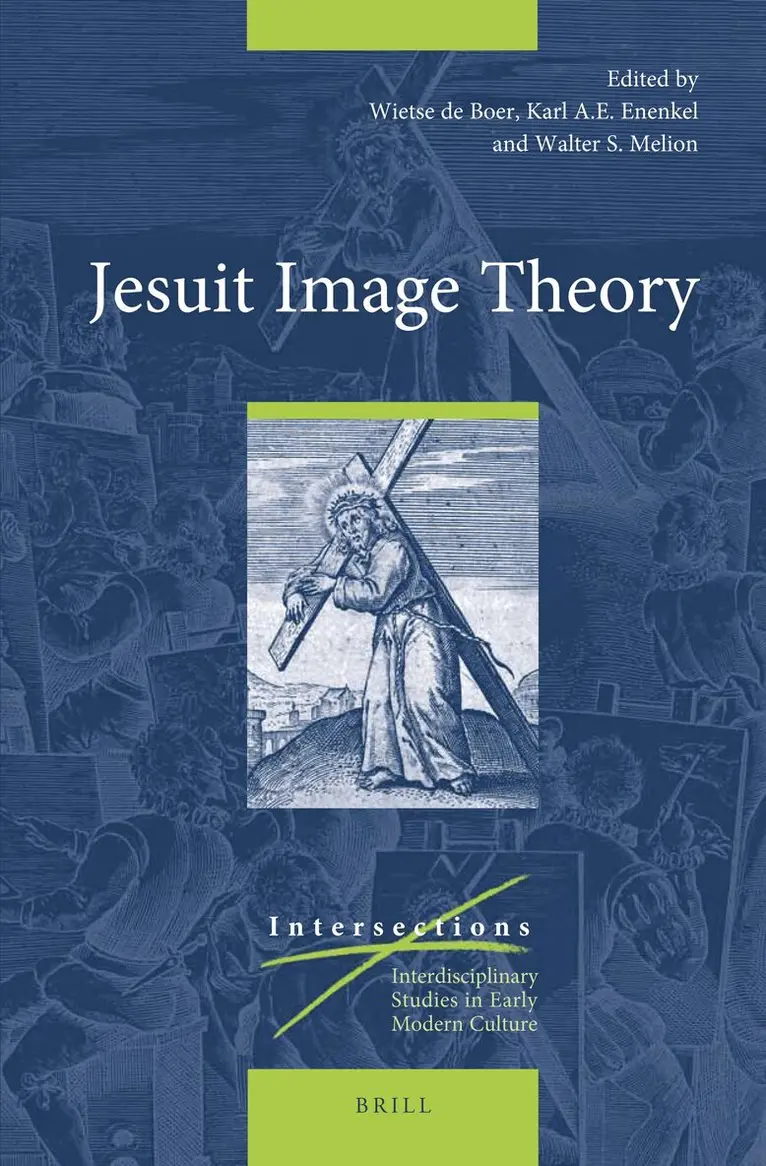
Jesuit Image Theory
Wietse de Boer, Karl A.E. Enenkel, Walter Melion, Walter S. Melion, Karl A.E. Enenkel, Wietse de Boer
3 224 kr
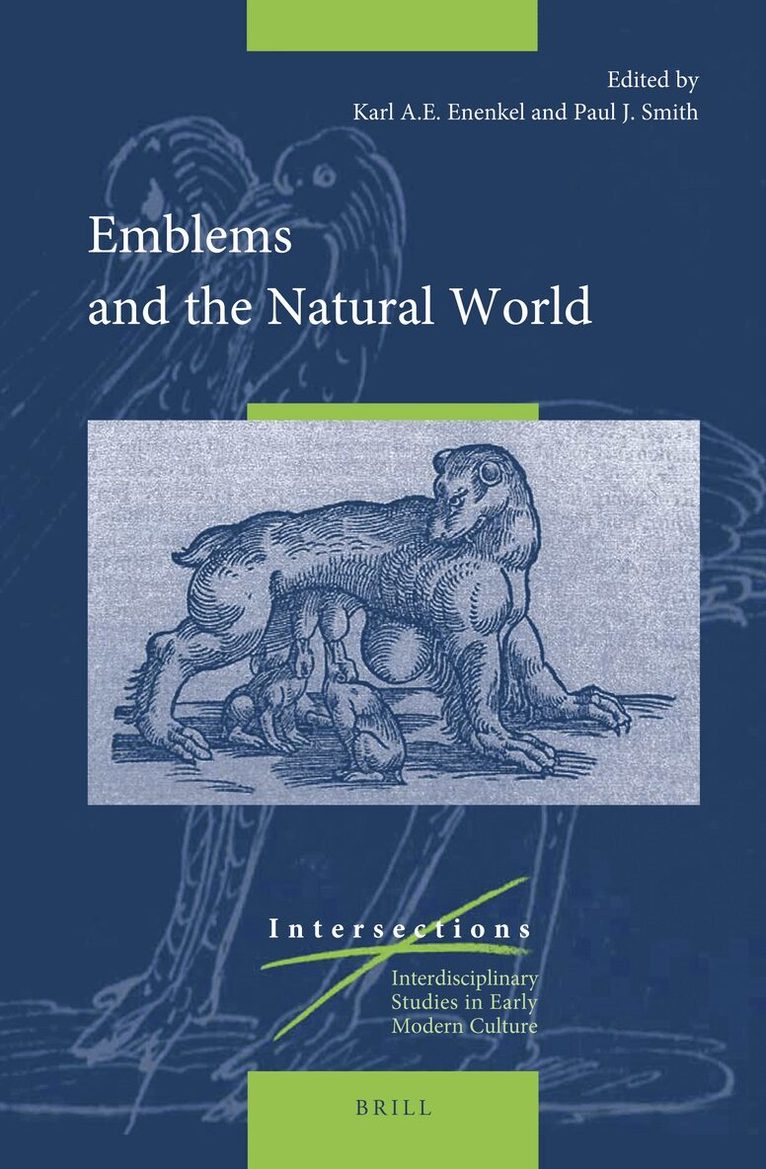
Emblems and the Natural World
Karl A.E. Enenkel, Paul J. Smith, Paul J. Smith, Karl A.E. Enenkel
3 920 kr
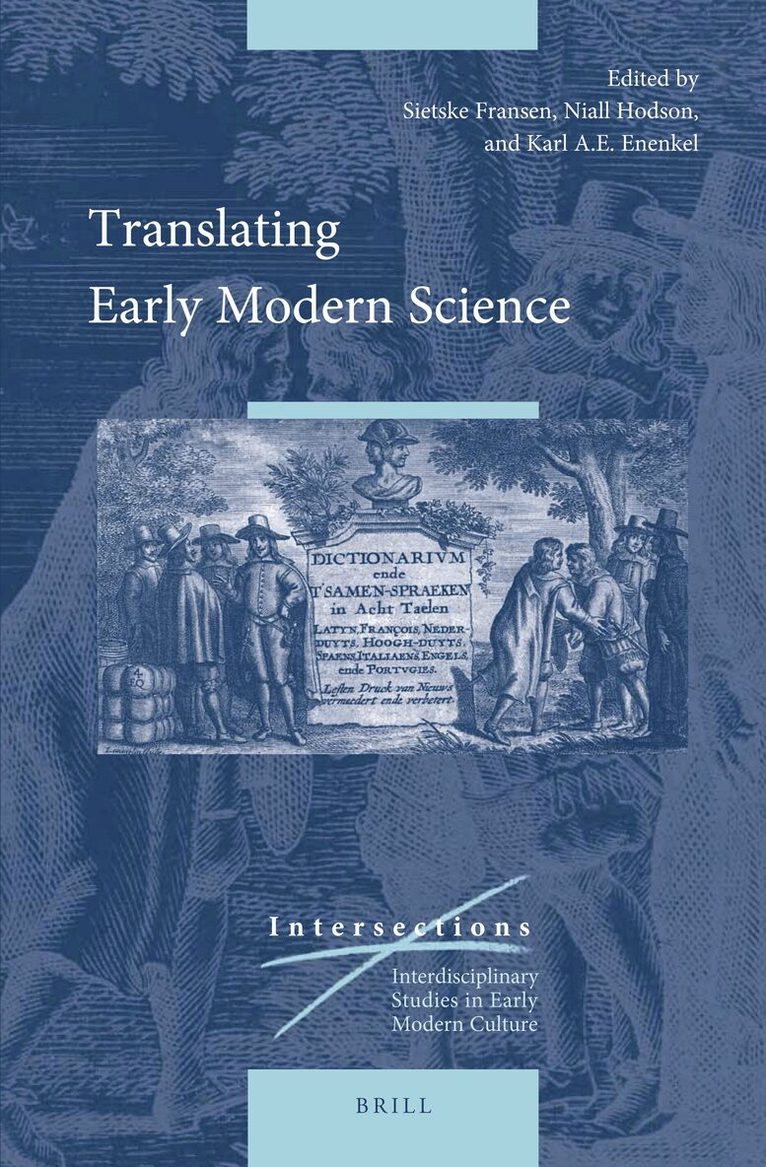
Translating Early Modern Science
Sietske Fransen, Niall Hodson, Karl A.E. Enenkel, Karl A.E. Enenkel, Niall Hodson, Sietske Fransen
2 157 kr
Artes Apodemicae and Early Modern Travel Culture, 1550–1700
Karl A.E. Enenkel, Jan L. de Jong
2 445 kr
Mer från samma serie
Art and Diplomacy: Seventeenth-Century English Decorated Royal Letters to Russia and the Far East
Maija Jansson
2 988 kr
Du kanske också är intresserad av
War Scroll, Violence, War and Peace in the Dead Sea Scrolls and Related Literature
Kipp Davis, Kyung S. Baek, Peter W. Flint, Dorothy Peters
3 762 kr
Memory and Identity in the Learned World
Koen Scholten, Dirk van Miert, Karl A.E. Enenkel
2 242 kr
Shaping Organization Form
Gerardine Desanctis, Janet Fulk, Gerardine DeSanctis, Janet Lesley Fulk
3 762 kr
Confronting Critical Health Issues of Asian and Pacific Islander Americans
Zane, Nolan W. S. Zane, David Takeuchi, Kathleen N J Young
3 762 kr
Emblems and the Natural World
Karl A.E. Enenkel, Paul J. Smith, Paul J. Smith, Karl A.E. Enenkel
3 920 kr
Translating Early Modern Science
Sietske Fransen, Niall Hodson, Karl A.E. Enenkel, Karl A.E. Enenkel, Niall Hodson, Sietske Fransen
2 157 kr