
Sandhäxans magiska mackor
Mattias Svensson, Erik Johansson, Fredrik Sundberg, William Thoren
Inbunden, 2023
259 kr
439 kr
Beställningsvara. Skickas inom 5-8 vardagar. Fri frakt över 249 kr.
Mattias Svensson, Erik Johansson, Fredrik Sundberg, William Thoren
Inbunden, 2023
259 kr
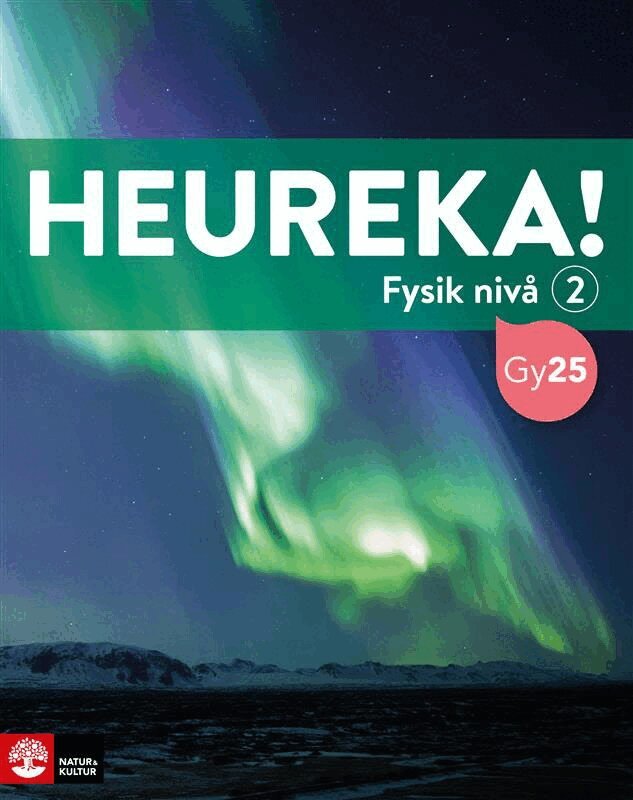
Rune Alphonce, Lars Bergström, Per Gunnvald, Jenny Ivarsson, Erik Johansson, Roy Nilsson, Ulf Christiansson, Tobias Ericson
Häftad, 2025
854 kr
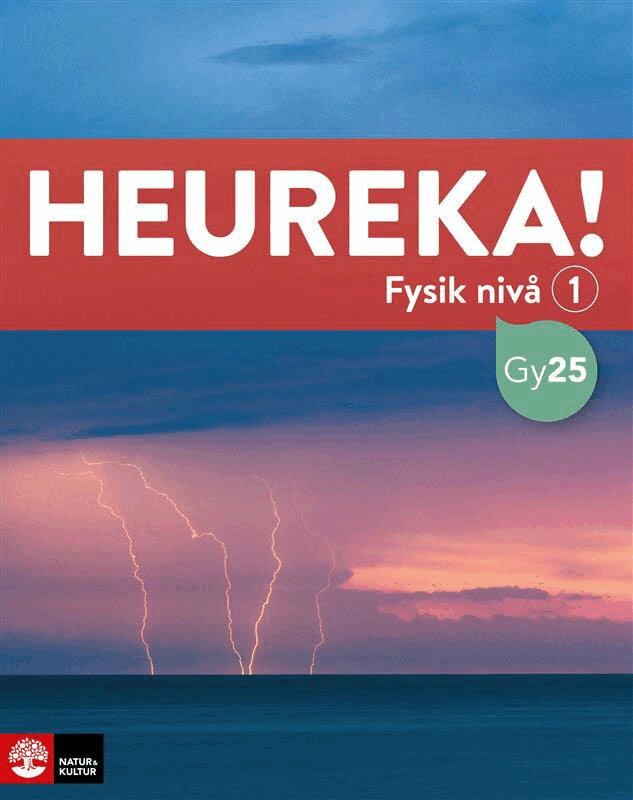
Rune Alphonce, Lars Bergström, Per Gunnvald, Jenny Ivarsson, Inger Kristiansen, Erik Johansson, Roy Nilsson, Ulf Christiansson, Tobias Ericson
Häftad, 2025
769 kr

Rune Alphonce, Lars Bergström, Per Gunnvald, Erik Johansson, Roy Nilsson
Häftad, 2014
377 kr

Rune Alphonce, Lars Bergström, Per Gunnvald, Erik Johansson, Roy Nilsson, Jenny Ivarsson
Häftad, 2011
768 kr

Rune Alphonce, Lars Bergström, Per Gunnvald, Erik Johansson, Roy Nilsson
Häftad, 2012
768 kr

Rune Alphonce, Lars Bergström, Per Gunnvald, Erik Johansson, Roy Nilsson
Häftad, 2013
745 kr


Rune Alphonce, Lars Bergström, Per Gunnvald, Erik Johansson, Roy Nilsson
Häftad, 2014
263 kr

Rune Alphonce, Lars Bergström, Per Gunnvald, Erik Johansson, Roy Nilsson
Häftad, 2015
366 kr

Torbjörn Ahlström, Anders Andrén, Rainer Atzbach, Ing-Marie Back Danielsson, Herman Bengtsson, Johanna Bergqvist Rydén, Thomas Bertelsen, Jan Brendalsmo, Peter Carelli, Axel Christophersen, Gunilla Gardelin, Henrik Gerding, Poul Grinder-Hansen, Ingrid Gustin, Kenth Hansen, Martin Hansson, Ted Hesselbom, Anna Lihammer, Erik Johansson, Mattias Karlsson, Ulla Kjaer, Henrik Klackenberg, Jan Kockum, Hans Krongaard Kristiansen, Per Kristian Madsen, Anders Christian Christensen, Karl-Magnus Melin, Orla Hylleberg Eriksen, Mats Mogren, Jonas Monié Nordin, Magdalena Naum, Henriette Rensbro, Jens Christian Moesgaard, Else Roesdahl, Paavo Roos, Mats Roslund, Brit Solli, Mette Svart Kristiansen, Eva Svensson, Göran Tagesson, Jens Vellev, Thomas Wallerström, Sara Williamsson, Anders Ödman
Inbunden, 2025
279 kr




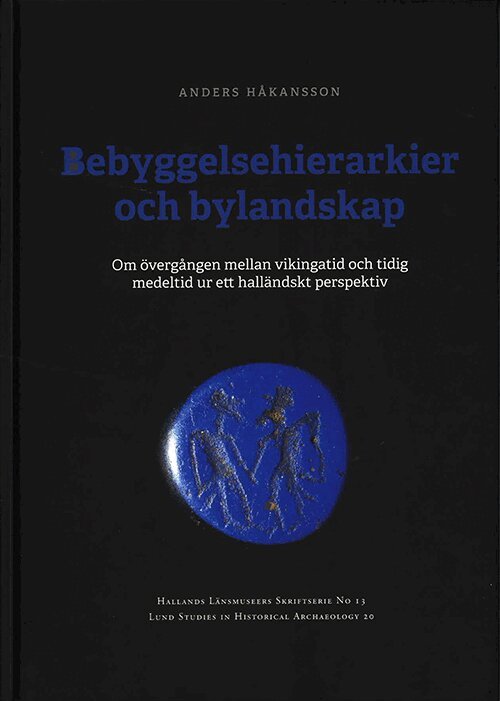



Magdalena Naum
Inbunden, 2008
381 kr

Karin Lindeblad
Inbunden, 2008
177 kr
Ing-Marie Nilsson
Inbunden, 2009
381 kr